
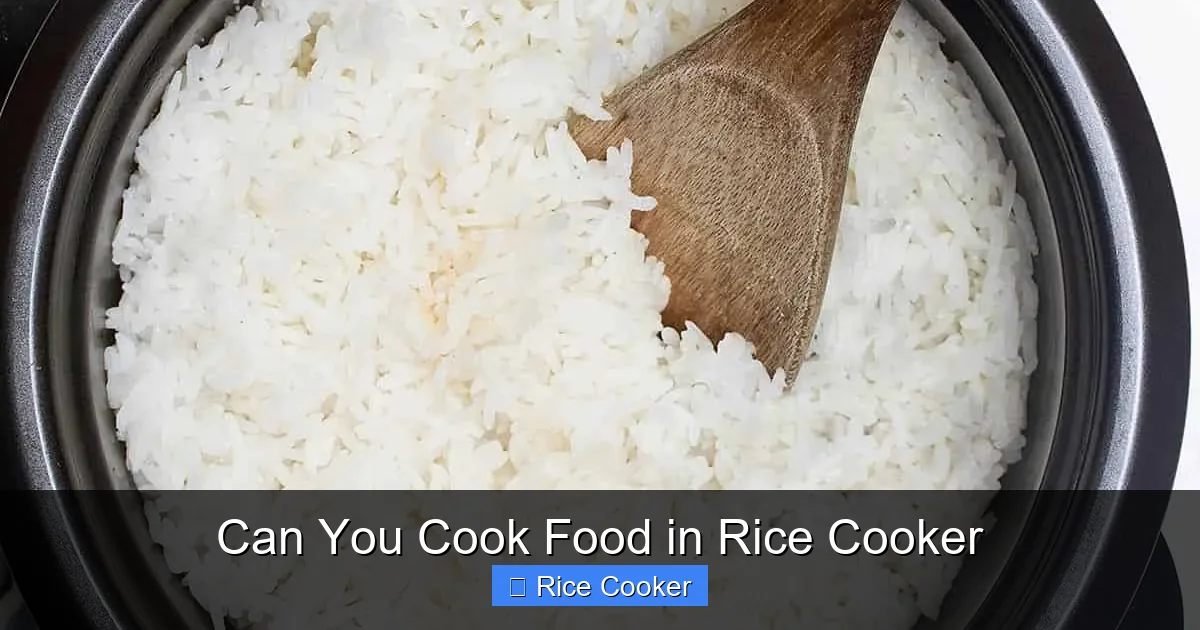
Absolutely! A rice cooker is much more than a device for making perfect white rice—it’s a versatile, energy-efficient kitchen tool that can prepare a wide variety of meals with ease. Whether you’re steaming vegetables, baking cakes, or simmering soups, the gentle, consistent heat makes it ideal for hands-off cooking.
Key Takeaways
- Rice cookers are multi-functional: Beyond cooking rice, they excel at steaming, boiling, and even baking.
- Energy-efficient: They use minimal electricity and maintain steady temperatures, saving both time and money.
- Great for beginners: With preset programs and automatic shut-off, they’re beginner-friendly and foolproof.
- Perfect for meal prep: Cook large batches of grains, beans, or stews for easy grab-and-go meals.
- Saves space: One appliance replaces several—no need for separate pots for rice, soup, and steaming.
- Safe and convenient: Non-stick inner pots and cool-touch handles make cleanup and handling easy.
- Ideal for dorms and small kitchens: Compact and simple, they fit perfectly in tight spaces.
📑 Table of Contents
- Can You Cook Food in Rice Cooker?
- Why Use a Rice Cooker for Cooking Food?
- Cooking Grains and Legumes in a Rice Cooker
- Steaming Vegetables and Eggs
- Baking Cakes and Desserts
- Making Soups, Stews, and One-Pot Meals
- Cleaning and Maintaining Your Rice Cooker
- Common Mistakes to Avoid
- Choosing the Right Rice Cooker for Versatility
- Final Thoughts: Your Rice Cooker Is More Than Just a Rice Maker
Can You Cook Food in Rice Cooker?
Have you ever looked at your rice cooker sitting on the counter and thought, “There’s got to be more I can do with this thing?” Well, you’re not alone. For many people, a rice cooker is just one of those appliances that gets used once or twice a week—mainly to make fluffy white rice. But what if we told you that this humble kitchen gadget could be your new go-to for everything from breakfast to dinner to dessert? The truth is, yes, you absolutely can cook food in a rice cooker, and the possibilities are far greater than you might imagine.
A good rice cooker uses precise temperature control and a keep-warm function to cook food evenly and safely. That means it’s not just for grains—it’s perfect for steaming vegetables, boiling eggs, simmering stews, and even baking cakes. In fact, many modern rice cookers come with multiple settings designed specifically for these tasks. So whether you’re a college student in a dorm, a busy parent, or someone who loves experimenting in the kitchen, your rice cooker is quietly waiting to become a culinary hero.
Why Use a Rice Cooker for Cooking Food?
You might wonder: why bother using a rice cooker when you already have a stove, oven, and microwave? The answer lies in convenience, efficiency, and simplicity. Unlike traditional cooking methods, a rice cooker requires little to no supervision. Once you add ingredients and press a button, the machine does the rest. There’s no need to stir, flip, or monitor the heat—just set it and forget it.
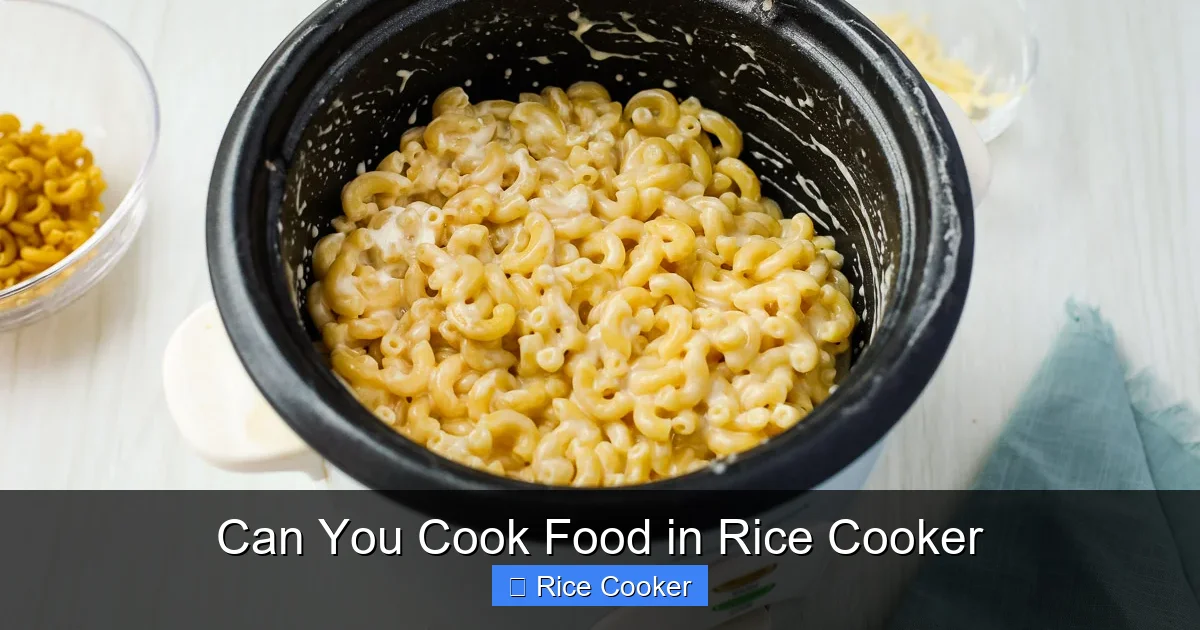
Visual guide about Can You Cook Food in Rice Cooker
Image source: recipes.net
The Science Behind Rice Cooker Cooking
At its core, a rice cooker works by heating water to a specific temperature—around 100°C (212°F)—to create steam that cooks the rice. This same principle applies to other foods. When you cook beans, grains, or pasta in a rice cooker, the moist heat ensures even cooking without scorching. The built-in thermostat detects when the liquid has evaporated and automatically switches to “warm” mode, preventing overcooking.
Benefits of Using a Rice Cooker
Here are some compelling reasons to start using your rice cooker for more than just rice:
- Consistent Results: No more guessing games about doneness—your food will always be cooked perfectly.
- Less Mess: Minimal splatter and no need for constant stirring.
- Healthier Meals: Steaming preserves nutrients better than boiling or frying.
- Time-Saving: Perfect for busy mornings or quick lunches.
- Eco-Friendly: Uses less energy than running an oven or stove for long periods.
Cooking Grains and Legumes in a Rice Cooker
If you already know how to cook rice in a rice cooker, you’re halfway there. Most grains follow similar instructions, but each has its own ideal water ratio and cooking time. The beauty of the rice cooker is that it takes the guesswork out of ratios and timing. Just add water, press start, and let the magic happen.
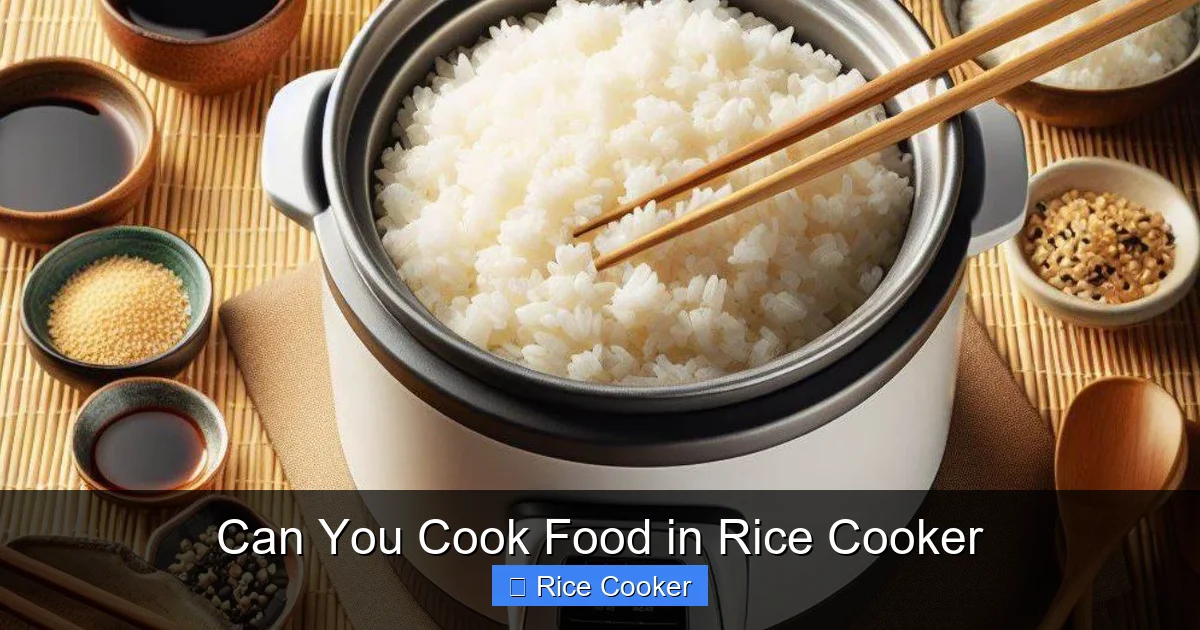
Visual guide about Can You Cook Food in Rice Cooker
Image source: ceejayhome.com
How to Cook Different Types of Rice
While white rice is the classic choice, rice cookers shine with other varieties too. Here’s how to get started:
- Jasmine Rice: Use a 1:1.5 ratio (rice to water). Fluff with a fork after cooking.
- Basmati Rice: Try 1:1.75 for light, fluffy results.
- Brown Rice: Needs more water—use 1:2.5. It may take longer, so check the manual.
- Sushi Rice: Stick to 1:1.2 for sticky perfection.
Pro tip: Rinse rice before cooking to remove excess starch. This prevents clumping and ensures a lighter texture.
Cooking Beans and Lentils
Ever struggled with beans that won’t soften? Your rice cooker can fix that. Soaking beans overnight reduces cooking time significantly, but even unsoaked beans work well. Add them with enough water (usually double the volume), set to “white rice” or “porridge” mode, and let them simmer gently.
Lentils are even easier—they cook in under 30 minutes and make great additions to salads or dips like hummus.
Steaming Vegetables and Eggs
One of the most underrated uses of a rice cooker is steaming. The sealed environment traps steam, which cooks vegetables quickly while locking in color, flavor, and nutrients. Plus, there’s no need for a separate steamer basket if your model includes one.
Best Vegetables for Steaming
- Broccoli
- Carrots
- Green beans
- Spinach
- Cauliflower
Simply place veggies in the basket, add a cup of water to the main pot, cover, and set to “steam” or “white rice” mode. Steam for 8–12 minutes depending on thickness.
Hard-Boiled Eggs Made Easy
Want perfectly boiled eggs every time? Skip the stove. Fill your rice cooker with water (about 2 inches deep), add eggs gently using a spoon, cover, and cook on high for 15–18 minutes. Let them sit for 5 minutes before cracking—they’ll peel easily and have a creamy yolk.
Baking Cakes and Desserts
Yes, you read that right—you can bake cakes in a rice cooker! Thanks to its non-stick inner pot and even heat distribution, a rice cooker creates a mini-oven effect. The result? Moist, fluffy cakes with no center collapse.
Classic Rice Cooker Chocolate Cake
This recipe uses common pantry ingredients and takes less than 30 minutes:
- 1 cup all-purpose flour
- 1/2 cup sugar
- 1/4 cup cocoa powder
- 1 tsp baking soda
- Pinch of salt
- 1/3 cup vegetable oil
- 1 egg
- 1 tsp vanilla extract
- 1/3 cup water
Mix dry and wet ingredients separately, then combine. Pour into greased rice cooker pot and cook on “cake” or “manual” setting for 30–35 minutes. Test with a toothpick—it should come out clean.
Dessert Ideas Beyond Cake
- Pudding (like tapioca or custard)
- Oatmeal cookies (bake in muffin-sized portions)
- Banana bread
- Fruit cobblers
Always grease the inner pot with butter or oil to prevent sticking. And remember: never fill it more than halfway to avoid overflow.
Making Soups, Stews, and One-Pot Meals
Your rice cooker isn’t just for single-ingredient dishes. With the right setup, you can make hearty soups, rich stews, and flavorful grain bowls—all in one pot.
Chicken and Rice Soup
This comforting classic comes together effortlessly:
- Add diced chicken, rice, carrots, celery, onion, garlic, and broth to the pot.
- Cook on “white rice” or “porridge” mode for 45–60 minutes.
- Shred chicken, season with salt and pepper, and serve hot.
The slow, gentle heat tenderizes the meat and infuses the broth with flavor—no babysitting required.
Vegetarian Lentil Curry
Spices shine in a rice cooker. Try this Indian-inspired dish:
- 1 cup red lentils
- 1 tbsp curry powder
- 1 diced potato
- 1 chopped tomato
- 2 cups water
Cook on “white rice” mode for 30 minutes. The result is creamy, spiced, and ready to eat with naan or rice.
Tips for Cooking Liquid-Based Dishes
- Use the “porridge” or “stew” setting if available.
- Don’t open the lid during cooking—this releases steam and affects timing.
- Let dishes rest 5–10 minutes after cooking for best texture.
Cleaning and Maintaining Your Rice Cooker
To keep your rice cooker working well and last longer, clean it regularly. Most inner pots are removable and dishwasher-safe, but hand-washing with warm, soapy water is often gentler on the non-stick coating.
Daily Cleaning Tips
- Wipe the exterior with a damp cloth.
- Remove and wash the inner pot immediately after use.
- Check the steam vent and keep it clear of debris.
Deep Cleaning
Once a month, run a cycle with vinegar and water to remove mineral buildup. Or try this natural cleaner:
- Mix equal parts water and white vinegar.
- Pour into the pot and cook for 5 minutes.
- Discard the solution and rinse thoroughly.
Avoid metal scouring pads—they scratch the surface. Instead, use a soft sponge or brush.
Common Mistakes to Avoid
Even experienced cooks make errors with rice cookers. Here’s how to avoid them:
- Overfilling: Never exceed the maximum water line. Overflow can damage the unit.
- Skipping the rinse: Rinsing grains removes excess starch and improves texture.
- Using the wrong mode: Match your dish to the correct setting (e.g., “cake” for desserts).
- Opening the lid too soon: Wait until the timer ends—opening early disrupts the cooking process.
Choosing the Right Rice Cooker for Versatility
Not all rice cookers are created equal. If you plan to cook a variety of foods, look for models with:
- Multiple cooking modes (steaming, cake, porridge)
- A detachable inner pot
- A glass lid so you can monitor progress
- A non-stick coating
- A capacity that fits your household size
Popular brands like Zojirushi, Panasonic, and Instant Pot offer excellent multi-use models. Read reviews and compare features before buying.
Final Thoughts: Your Rice Cooker Is More Than Just a Rice Maker
At first glance, a rice cooker seems limited. But once you start exploring its potential, you’ll realize it’s one of the most underutilized kitchen tools out there. From fluffy oats for breakfast to savory curries for dinner, your rice cooker can handle it all—with minimal effort and maximum flavor.
So next time you reach for the stove or oven, pause and consider: could your rice cooker do the job instead? With so many delicious recipes to try, there’s never been a better time to give it a second chance. Who knows? You might just fall in love with your rice cooker all over again.
Frequently Asked Questions
Can you cook anything besides rice in a rice cooker?
Absolutely! A rice cooker can cook grains, beans, steam vegetables, boil eggs, bake cakes, and even make soups and stews. Its controlled heat and automatic shut-off make it ideal for a wide range of dishes.
Do I need special ingredients to cook food in a rice cooker?
Nope. Most recipes use standard kitchen staples like water, oil, spices, and common ingredients. The rice cooker doesn’t require anything fancy—just basic cooking knowledge.
Is it safe to leave food in a rice cooker after it finishes cooking?
Yes, but only if it’s been kept at a safe temperature. The “keep warm” function maintains food at around 60–70°C (140–158°F), which is within the danger zone for bacterial growth. For safety, consume or refrigerate leftovers within 2 hours.
Can I cook frozen food directly in my rice cooker?
It’s possible, but not recommended. Frozen items can lower the internal temperature too much, disrupting the cooking cycle. Thaw or partially thaw ingredients before adding them to ensure even cooking.
What’s the difference between a basic and a smart rice cooker?
Basic models have one or two settings (like “white rice” or “brown rice”), while smart models offer multiple programs (steaming, yogurt, cake, etc.) and sometimes connect to apps for guided cooking. Choose based on how adventurous you want to get.
Can kids use a rice cooker safely?
Yes, especially with supervision. Most rice cookers have cool-touch exteriors and automatic shut-offs. Teach children to avoid opening the lid during cooking and to use oven mitts when handling hot pots.