
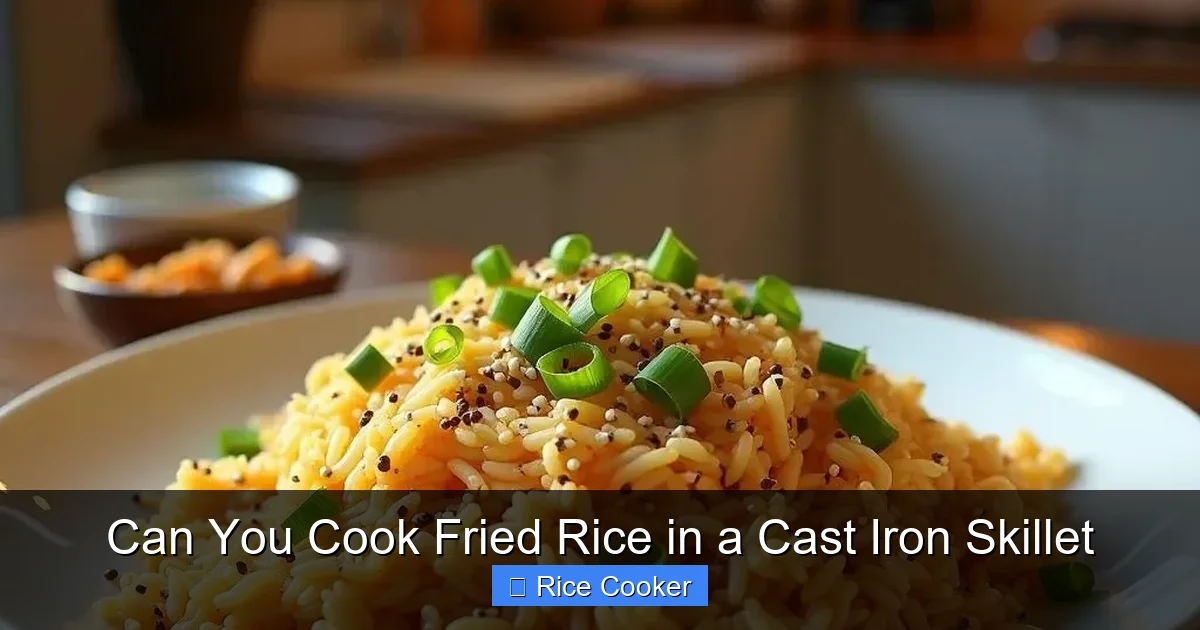
You absolutely can cook delicious fried rice in a cast iron skillet, and it might just become your new favorite method. The even heat distribution and nonstick seasoning create golden, flavorful rice every time. With the right technique, your cast iron becomes the ultimate frying pan for stir-frying perfection.
Have you ever stared at your cast iron skillet, wondering what else it can do besides searing steaks or baking cornbread? Well, let me tell you—this heavy-duty workhorse is perfect for making restaurant-style fried rice. I’ve used cast iron for years, and when I first tried cooking fried rice in mine, I was skeptical. But after a few trials, I fell in love with the results: crispy edges, fluffy grains, and deep, savory flavors. So yes—you absolutely can cook fried rice in a cast iron skillet, and it might just blow your mind.
Fried rice is one of those dishes that seems simple but actually requires precision. Too much water, too little heat, or fresh rice instead of day-old can ruin the texture. But when done right, it’s fluffy, slightly chewy, and packed with umami. And guess what? A cast iron skillet brings out the best in every ingredient. Its thick base holds steady heat, so your rice browns beautifully without burning. Plus, the seasoned surface adds a subtle richness that store-bought pans can’t match. In this guide, I’ll walk you through everything you need to know—from prep to plating—so you can make incredible fried rice every single time.
Key Takeaways
- Cast iron skillets are excellent for fried rice due to their ability to retain and evenly distribute heat, preventing burnt spots.
- Seasoned cast iron develops a natural nonstick surface, making cleanup easier and enhancing flavor through caramelization.
- Preheating the skillet is essential to achieve that signature crispy edge on the rice without sticking.
- Use cold, day-old rice for the best texture—freshly cooked rice tends to be too moist and sticky.
- Add oil early and use high heat to sear the rice quickly, locking in moisture and creating a rich, smoky flavor.
- Don’t overcrowd the pan; cook in batches if needed to maintain proper heat and prevent steaming instead of frying.
- Cleaning is simple—just avoid soap and scrub with hot water and a brush to preserve the seasoning.
📑 Table of Contents
The Science Behind Fried Rice and Cast Iron
Before we jump into recipes, let’s talk about why cast iron works so well for fried rice. It all comes down to heat control. Unlike thin aluminum pans that cool quickly, cast iron retains heat like a champ. When you add cold rice and oil, the pan doesn’t lose temperature fast—meaning your rice gets a quick sear instead of turning soggy.
Also, the Maillard reaction plays a big role here. That’s the chemical process that creates browning and complex flavors when proteins and sugars react under high heat. Your cast iron helps kickstart this reaction, giving your fried rice that irresistible golden crust. And because the pan stays hot, you can move quickly from tossing vegetables to folding in soy sauce without any delay.
Another benefit? The seasoned surface of your cast iron acts almost like Teflon, but naturally. Over time, oil polymers bond with the iron, creating a smooth, nonstick coating. This means less oil needed, cleaner cooking, and no stuck-on rice. Just remember—never use metal utensils or harsh scrubbers, or you’ll damage that precious seasoning.
Choosing the Right Cast Iron Skillet
Visual guide about Can You Cook Fried Rice in a Cast Iron Skillet
Image source: thepracticalkitchen.com
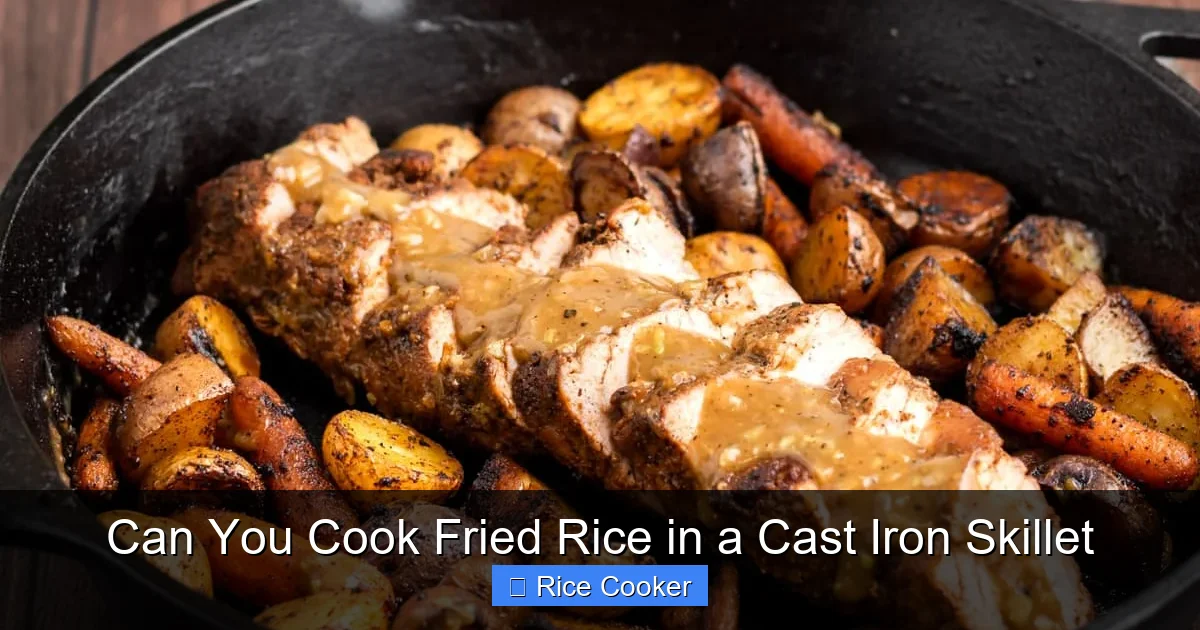
Not all cast iron skillets are created equal—well, technically they are, but size matters. For fried rice, you want something with a wide, shallow shape. A 10- or 12-inch skillet gives you enough room to toss ingredients without crowding. If you try to cram everything into a narrow pan, the rice won’t brown properly and will steam instead of fry.
Look for one with straight sides rather than deep ones. Deep pots trap moisture, which defeats the purpose of “frying” rice. Also, check the weight—cast iron is dense, so expect a sturdy piece. That heaviness is actually a pro: it means consistent heat across the entire cooking surface.
If you’re new to cast iron, don’t worry. Most modern skillets come pre-seasoned, though some still require an initial oiling before first use. Whether you buy Lodge, Le Creuset, or another brand, the key is to maintain that seasoning over time. After each wash (with mild soap only if necessary), dry immediately and rub a thin layer of oil onto the surface. Let it sit overnight in a warm oven—this rebuilds the protective layer.
What About Non-Stick vs. Stainless Steel?
Some people swear by non-stick pans for fried rice, but they have limitations. Non-stick coatings degrade at high heat, and most can’t handle the vigorous tossing required to separate grains. Plus, you can’t get that beautiful char that comes from direct contact with a hot surface.
Stainless steel? Great for sauces and searing, but terrible for fried rice. It doesn’t retain heat well, so your rice ends up uneven—some parts browned, others pale and mushy. Cast iron sits perfectly between these two extremes: durable, heat-retentive, and naturally non-stick once seasoned.
Prepping Rice Like a Pro
Visual guide about Can You Cook Fried Rice in a Cast Iron Skillet
Image source: castironskilletcooking.com
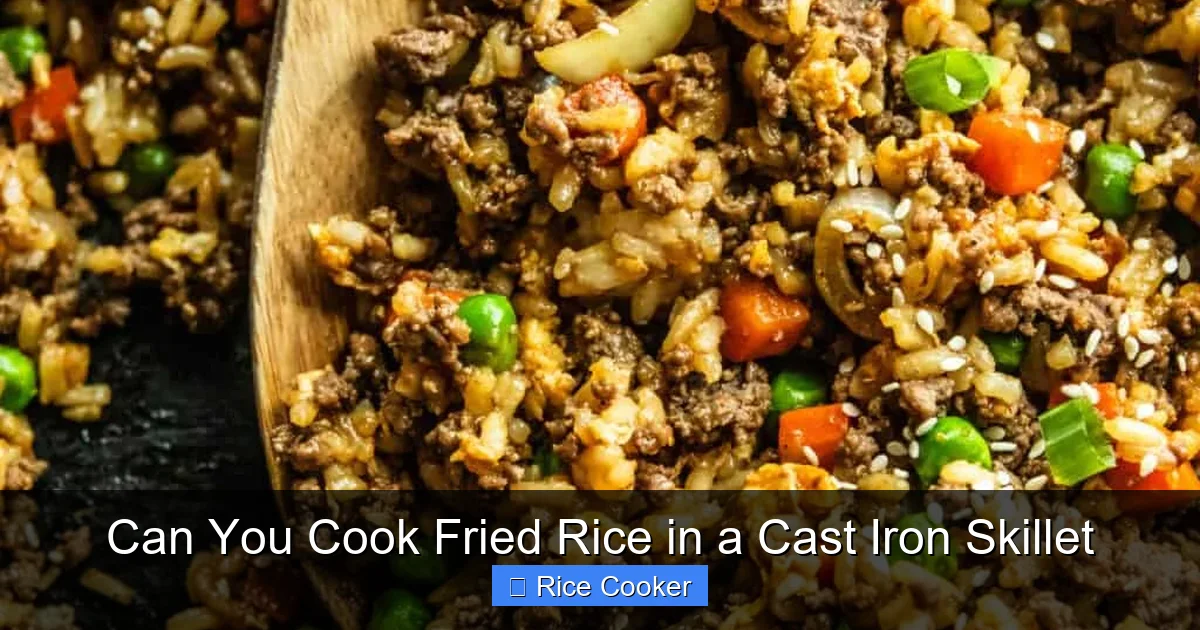
The secret to great fried rice isn’t the pan—it’s the rice. Freshly cooked rice is too wet and sticky. You need cold, day-old rice that’s been refrigerated overnight. Why? Because starch gelatinization slows down when rice cools, leaving behind resistant starches that resist clumping during frying.
Here’s how to prep your rice:
Start by cooking jasmine, basmati, or long-grain white rice using a rice cooker or stovetop. Drain excess water if needed, then spread it out on a baking sheet or tray. Let it cool completely, then transfer to the fridge. Once chilled, fluff it gently with a fork to break up any clumps. Don’t pack it down—just loosen the grains.
Pro tip: If you’re short on time, you can speed up the chilling process by placing the tray in the freezer for 20–30 minutes. Just don’t freeze it solid—you want cold, not icy.
Avoid These Common Mistakes
– Using hot rice straight from the pot
– Adding too much oil (this makes the rice greasy)
– Stirring too often (let the rice develop a crust before moving it)
– Skipping salt in the rice while cooking (seasoning later won’t penetrate evenly)
By prepping your rice correctly, you set yourself up for success. Trust me, skipping this step will lead to disappointing results no matter how good your skillet is.
Step-by-Step: Cooking Fried Rice in Cast Iron
Now for the fun part—actually making the dish! Follow these steps closely, and you’ll get that wok hei (breath of the wok) flavor without needing a Chinese stove.
Ingredients:
– 2 cups cold cooked rice
– 2 tbsp neutral oil (like avocado or vegetable)
– 2 eggs (optional)
– 1 cup mixed vegetables (peas, carrots, corn)
– 3 green onions, chopped
– 3 cloves garlic, minced
– 2 tbsp soy sauce (or tamari for gluten-free)
– 1 tsp sesame oil (for finish)
– Salt and pepper to taste
Equipment:
– 12-inch cast iron skillet
– Wooden spatula or silicone scraper
– Cutting board and knife
Instructions:
1. **Preheat the skillet**: Place your cast iron on medium-high heat for 3–5 minutes. You want it hot but not smoking. Test by flicking a drop of water—if it dances around, it’s ready.
2. **Add oil**: Pour in 1 tablespoon of neutral oil. Swirl to coat the bottom and sides. Let it heat until shimmering.
3. **Cook the rice**: Add the cold rice in an even layer. Let it sit undisturbed for 1–2 minutes so it starts to crisp at the bottom. Then use your spatula to break up clumps and toss gently.
4. **Push rice aside, scramble eggs**: Create a clear space in one side of the pan. Crack eggs into it and scramble until just set. Push the eggs toward the center and mix them into the rice.
5. **Add aromatics**: Throw in garlic and green onions. Cook for 30 seconds until fragrant—be careful not to burn.
6. **Toss everything together**: Add soy sauce, salt, and pepper. Keep tossing and stirring for 2–3 minutes, letting the rice heat through and develop color.
7. **Finish with flavor**: Drizzle sesame oil over the top, give one final stir, and remove from heat.
Serve immediately while hot and crispy. Garnish with extra green onions or crushed peanuts if desired.
Troubleshooting Tips
– **Rice sticking?** Make sure the pan is hot enough before adding oil and rice. Cold rice + cold pan = gluey mess.
– **Too salty?** Add a splash of water and a pinch of sugar to balance.
– **Not crispy enough?** Increase heat slightly next time, or reduce the amount of rice per batch.
– **Burnt bits?** Scrape them off immediately; they can ruin the whole dish.
Flavor Variations and Customizations
The beauty of fried rice is its versatility. Once you master the basics, you can customize it endlessly. Try shrimp, chicken, tofu, or beef for protein. Swap veggies based on what’s in season—bell peppers, broccoli, mushrooms all work great.
For Asian-inspired versions, add oyster sauce, hoisin, or chili-garlic paste. Western twists? Swap soy sauce for Worcestershire, throw in diced ham or bacon, or top with fried egg. The cast iron handles all these variations beautifully because of its consistent heat.
Want something healthier? Use brown rice (though it takes longer to crisp) or cauliflower rice. Still craving crunch? Toast some cashews or sunflower seeds at the end for texture.
Remember: the key is building layers of flavor. Start with aromatics (garlic, ginger), add protein, then rice, then liquid seasonings. Each step contributes to that rich, savory profile.
Maintaining Your Cast Iron Skillet
After cooking, clean your skillet properly to keep it performing well. Avoid dish soap unless absolutely necessary—it strips away seasoning. Instead, rinse with hot water and use a stiff brush or sponge. For stubborn bits, sprinkle coarse salt and scrub gently—it acts as a natural abrasive.
Never soak cast iron in water! Moisture causes rust. Always dry it thoroughly on the stove over low heat or in the oven. Once bone-dry, apply a light coat of oil to prevent oxidation.
With proper care, your skillet will last decades—even generations. Think of it as an investment in your kitchen’s flavor potential.
Final Thoughts: Why Cast Iron Wins
At the end of the day, using a cast iron skillet for fried rice isn’t just convenient—it elevates the dish. The even heating prevents hot spots, the nonstick surface reduces oil use, and the ability to reach high temperatures creates that coveted crispness. Plus, it’s affordable, durable, and works for so many other dishes.
Whether you’re meal-prepping lunches or impressing dinner guests, this method delivers consistent results. And honestly? There’s something deeply satisfying about watching plain rice transform into golden, aromatic goodness in a single pan.
So go ahead—grab your skillet, gather your ingredients, and start cooking. Your taste buds will thank you.
Frequently Asked Questions
Can I use freshly cooked rice for fried rice in a cast iron skillet?
No, freshly cooked rice is too moist and sticky. Always use cold, day-old rice that has been refrigerated overnight. This helps prevent clumping and allows the rice to crisp up properly during frying.
Do I need to season my cast iron skillet before cooking fried rice?
If your skillet is already well-seasoned (which most new ones are), you’re good to go. Seasoning creates a natural nonstick surface that enhances browning and makes cleanup easier. Maintain it by drying the pan thoroughly after washing and applying a thin layer of oil.
What type of oil should I use for frying rice in cast iron?
Use a high-smoke-point neutral oil like avocado, vegetable, or canola oil. These oils won’t burn easily at high heat and won’t interfere with the flavor of your fried rice.
Why does my fried rice stick to the cast iron even though it’s seasoned?
This usually happens if the pan isn’t hot enough or if there’s insufficient oil. Make sure to preheat the skillet properly and coat it well before adding rice. Also, avoid overcrowding the pan—cook in batches if needed.
Can I make fried rice vegetarian or vegan in a cast iron skillet?
Absolutely! Use tofu, tempeh, or plant-based proteins, and season with soy sauce, miso, or tamari. Add plenty of colorful veggies like bell peppers, mushrooms, and snap peas for texture and nutrition.
How do I clean my cast iron skillet after making fried rice?
Rinse with hot water and scrub gently with a brush or sponge. Avoid soap if possible. Dry immediately on the stove or in the oven, then apply a light coat of oil to preserve the seasoning.