
Can you cook fried rice? Absolutely! Whether you’re using leftover rice or cooking from scratch, fried rice is one of the easiest and most satisfying meals you can make. With just a few basic ingredients and a little technique, you can create a flavorful, colorful dish that’s perfect for weeknight dinners or meal prep. This guide walks you through everything—from choosing the right rice to mastering the perfect stir-fry—so you can cook fried rice like a pro.
Key Takeaways
- You don’t need fancy tools: A regular rice cooker and a skillet are all you really need to make great fried rice.
- Day-old rice works best: Cold, slightly dry rice fries better and doesn’t turn mushy when stir-fried.
- High heat is key: Use medium-high to high heat in your pan to get that classic smoky, slightly charred flavor.
- Don’t overcrowd the pan: Cook in batches if needed to maintain even heat and prevent steaming instead of frying.
- Add proteins and veggies early: Cook tougher ingredients first so they heat through completely.
- Season wisely: Add soy sauce, sesame oil, and a pinch of salt toward the end to avoid over-seasoning raw ingredients.
- Customize freely: Fried rice is highly adaptable—use whatever protein, vegetable, or sauce you have on hand.
📑 Table of Contents
- Can You Cook Fried Rice? Yes—and It’s Easier Than You Think
- What Makes Fried Rice So Delicious?
- Do You Need Special Equipment to Cook Fried Rice?
- How to Choose and Prepare the Right Rice
- Step-by-Step Guide to Cooking Fried Rice
- Tips for Customizing Your Fried Rice
- Common Mistakes to Avoid
- Storing and Reheating Leftover Fried Rice
- Conclusion: Why Fried Rice Belongs in Every Kitchen
Can You Cook Fried Rice? Yes—and It’s Easier Than You Think
Have you ever looked at a bowl of leftover rice and thought, “Hmm… what can I do with this?” If so, you’re in luck because that humble bowl of cooked grains is the star ingredient in one of the world’s most beloved comfort foods: fried rice. And yes, you absolutely can cook fried rice—whether you’re using day-old rice, cooking fresh, or even making it directly in your rice cooker. In fact, with a few simple tips and techniques, you can transform plain white rice into a savory, aromatic dish bursting with flavor and texture.
Fried rice isn’t just about tossing rice with soy sauce and calling it a day. When done well, it becomes a canvas for bold flavors, vibrant colors, and satisfying crunch. Whether you’re a seasoned home cook or just starting out in the kitchen, learning how to make fried rice opens up a whole new world of quick, delicious meals. Plus, it’s incredibly flexible—you can add chicken, shrimp, tofu, broccoli, carrots, peas, eggs, or any combo your heart desires. The best part? It comes together in under 30 minutes with minimal cleanup. So let’s dive in and explore everything you need to know about cooking fried rice like a pro.
What Makes Fried Rice So Delicious?
At its core, fried rice is a celebration of balance—texture, flavor, and aroma working together in harmony. The magic happens when cold rice hits a hot wok or skillet, creating those tiny, slightly crispy edges that contrast beautifully with the soft, fluffy interior. That’s where the term “fried” comes from—though technically, we’re not deep-frying; we’re stir-frying, which gives us control over the texture and prevents the rice from becoming gummy.
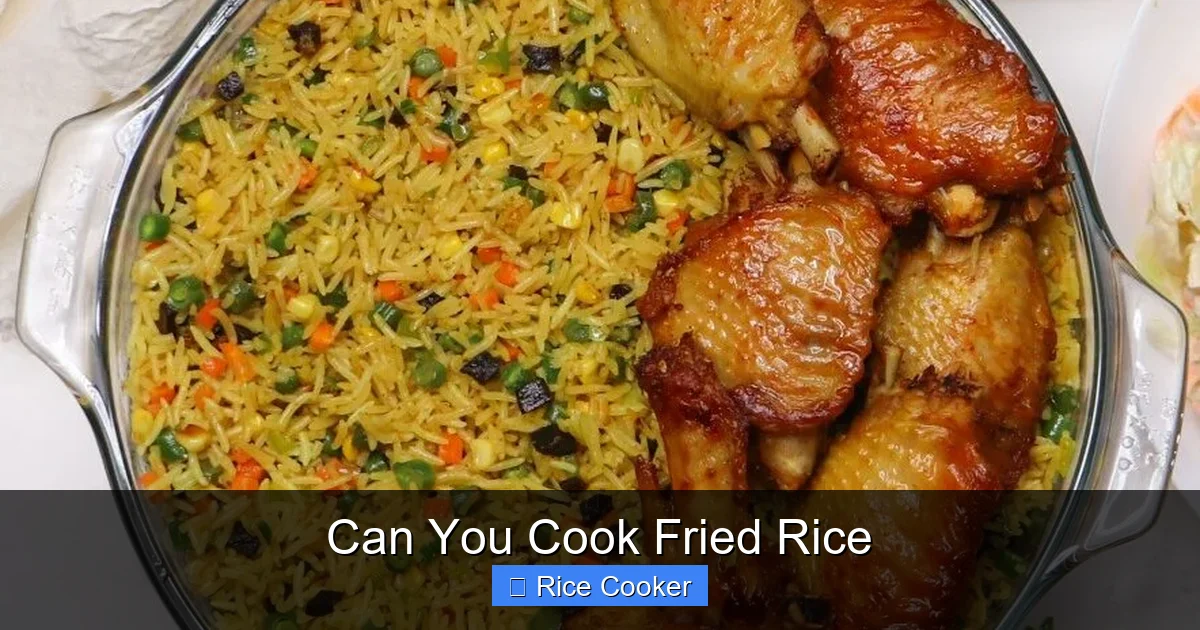
Visual guide about Can You Cook Fried Rice
Image source: joyfulcook.com
The Science Behind Perfect Fried Rice
Rice absorbs moisture differently when it’s warm versus when it’s cold. Warm rice tends to clump together, while cold rice has lost some of its moisture and holds its shape better during stir-frying. That’s why chefs and home cooks alike prefer using leftover rice for fried rice. But if you’re cooking fresh rice, let it cool completely before using—ideally overnight in the fridge. This step ensures each grain stays separate and doesn’t turn into a sticky mess when tossed in the pan.
Flavor Layers That Make It Irresistible
The secret to amazing fried rice lies in layering flavors. Start with a base of garlic, ginger, and scallions sautéed in oil. Then add your protein (like diced chicken or shrimp) and harder vegetables (such as carrots or broccoli), cooking them until tender-crisp. Finally, toss in the rice and seasonings like soy sauce, a splash of sesame oil, and maybe even a dash of oyster sauce or hoisin. Each bite should have a mix of sweet, salty, umami, and sometimes even a hint of smokiness from high-heat cooking.
Do You Need Special Equipment to Cook Fried Rice?
One of the best things about fried rice is how accessible it is. You don’t need a professional wok or expensive gadgets to make it taste great. While a flat-bottomed skillet or nonstick pan works perfectly fine, a wok (especially one with a rounded bottom) helps distribute heat evenly and allows for quick tossing motions—key for achieving that signature flair. But again, no worries if you don’t own one. Just use what you have!
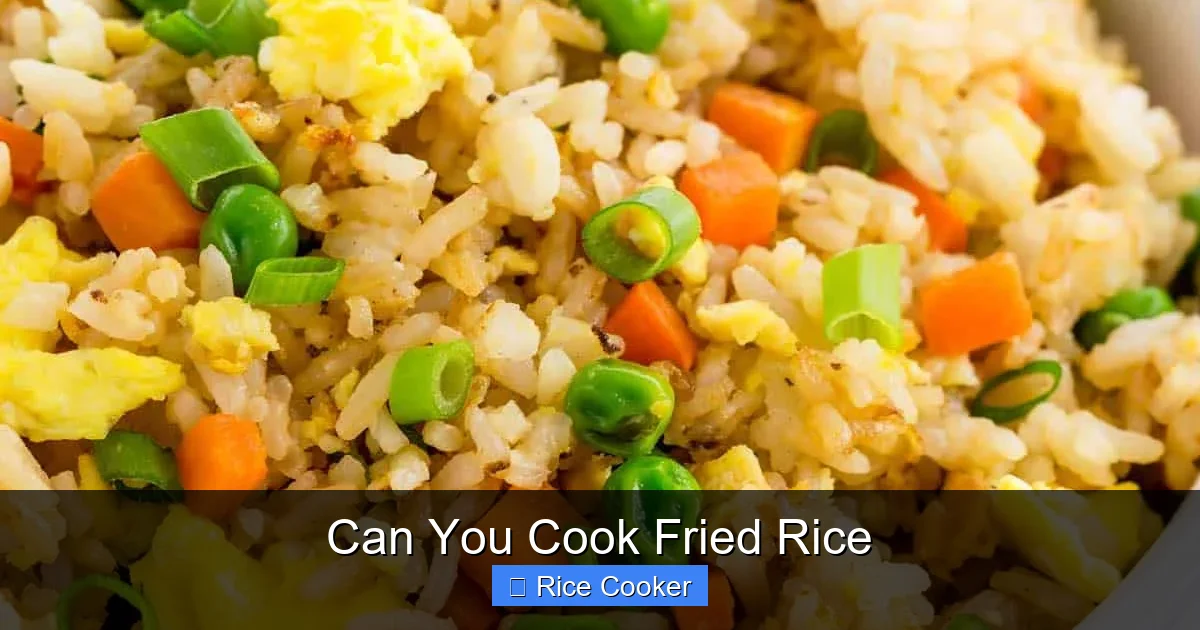
Visual guide about Can You Cook Fried Rice
Image source: jessicagavin.com
Rice Cookers: Your Secret Weapon
Here’s where things get exciting: you can actually cook fried rice using a rice cooker. Most modern rice cookers come with a “fry” or “stir-fry” setting, though even basic models can be used creatively. For example, you can cook your rice, then transfer it to the same pot along with your stir-fry ingredients and cook everything together on the warming function—or simply use the inner pot as a makeshift wok. Some even have steam trays perfect for adding vegetables while the rice finishes up. Using a rice cooker simplifies the process, reduces cleanup, and keeps everything contained in one pot—ideal for beginners or those short on time.
Other Essential Tools
- Wooden spatula or spoon: Metal can scratch nonstick pans and damage delicate ingredients.
- Sharp knife and cutting board: Uniformly chopped ingredients cook more evenly.
- Mixing bowl: For marinating proteins or combining seasonings ahead of time.
How to Choose and Prepare the Right Rice
Not all rice is created equal when it comes to fried rice. Long-grain varieties like jasmine or basmati work best because they stay loose and fluffy without getting too starchy. Short-grain rice, often used in sushi, tends to be stickier and isn’t ideal for stir-frying. Instant or parboiled rice can also work, but traditional long-grain white rice gives the cleanest flavor and texture.
Cooking Fresh vs. Using Leftovers
If you’re cooking fresh rice specifically for fried rice, follow these steps:
- Rinse 1 cup of long-grain rice under cold water until the water runs clear (this removes excess starch).
- Cook it with 1¼ cups of water in your rice cooker or on the stovetop.
- Let it sit, covered, for 5–10 minutes after cooking—then fluff gently with a fork.
- Spread the rice on a baking sheet or tray and refrigerate uncovered for at least 2 hours (or overnight) until cool and dry.
Once chilled, store it in an airtight container for up to 3 days. This step is crucial for preventing clumping during stir-frying.
Pro Tip: Freeze It for Extra Crispiness
For ultra-crispy fried rice, freeze the cooled rice for 15–30 minutes before cooking. The slight ice crystals help keep grains separated as they heat up again in the pan.
Step-by-Step Guide to Cooking Fried Rice
Ready to roll? Here’s a foolproof method that works whether you’re using a skillet or your rice cooker:
Ingredients (Basic Version)
- 2 cups cold cooked long-grain rice
- 2 tbsp neutral oil (like canola or vegetable)
- 2 cloves garlic, minced
- 1 tsp fresh ginger, grated
- 2 green onions, sliced (white and light green parts)
- 2 eggs, beaten
- 3 tbsp soy sauce (low-sodium preferred)
- 1 tbsp oyster sauce (optional)
- 1 tsp sesame oil
- Salt and pepper to taste
- Optional add-ins: diced chicken, shrimp, bell peppers, peas, carrots
Instructions
- Heat the oil: In a large skillet or wok over medium-high heat, add 1 tbsp neutral oil. Once shimmering, add garlic and ginger. Stir for 30 seconds until fragrant—don’t let it burn.
- Cook protein and veggies: Add your protein (if using) and harder vegetables. Cook for 3–4 minutes until nearly done. Push ingredients to one side of the pan.
- Scramble the eggs: Pour beaten eggs into the empty space of the pan. Let them set slightly, then scramble and break into small pieces.
- Add rice: Turn off the heat briefly. Add the cold rice and toss everything together. Return to medium-high heat and stir constantly for 2–3 minutes until heated through and lightly toasted.
- Season: Add soy sauce, oyster sauce (if using), sesame oil, and green onion greens. Toss well. Taste and adjust salt/pepper.
- Serve immediately: Garnish with extra green onions and enjoy!
Cooking Fried Rice in Your Rice Cooker
Want to skip the stovetop entirely? Try this method:
- Cook your rice as usual in the rice cooker.
- Remove the inner pot and wipe it clean.
- Add 1 tbsp oil, garlic, ginger, and any raw ingredients (chicken, shrimp, etc.). Sauté on the “fry” setting or by heating on the stove.
- Return the cooked rice to the pot and mix everything together. Cook on the warming setting for 5–10 minutes, stirring occasionally.
- Add sauces and finish as above.
This method saves time and uses fewer dishes—perfect for busy nights.
Tips for Customizing Your Fried Rice
Fried rice is one of the most versatile dishes out there. Once you master the basics, the possibilities are endless. Here are some popular variations to try:
Protein Options
- Chicken: Use boneless, skinless thighs for juicier results. Marinate with soy sauce, cornstarch, and garlic for 15 minutes before cooking.
- Shrimp: Quick-cooking and adds a sweet, briny flavor. Pat dry before adding to avoid splattering.
- Tofu: Press and cube firm tofu, then pan-fry until golden before adding to the rice.
- Pork or beef: Slice thinly against the grain and sear quickly over high heat.
Veggie Swaps
- Use frozen mixed vegetables for convenience—just thaw and squeeze out excess moisture.
- Add corn, edamame, mushrooms, bok choy, or zucchini.
- For color, throw in red bell peppers, carrots, or snap peas.
Sauce Variations
- Spicy: Mix sriracha with soy sauce or add chili flakes.
- Savory-umami: Swap half the soy sauce for fish sauce or mushroom soy.
- Sweet & tangy: Stir in a bit of ketchup or pineapple juice.
Common Mistakes to Avoid
Even experienced cooks make mistakes with fried rice. Here’s how to sidestep them:
- Using hot rice: Always use cold, dry rice. Hot rice steams in the pan instead of crisping up.
- Overcrowding the pan: Too much food lowers the temperature and turns everything soggy. Cook in batches if necessary.
- Skipping the oil: Without enough oil, ingredients won’t brown properly and can stick to the pan.
- Adding salt too early: Raw vegetables absorb salt and become bitter. Season the rice itself instead.
- Not tasting as you go: Adjust flavors incrementally—it’s easier to add than subtract!
Storing and Reheating Leftover Fried Rice
Fried rice makes fantastic leftovers—but only if stored correctly. Always refrigerate within two hours of cooking. Store in an airtight container for up to 4 days. Never leave it at room temperature for more than two hours to prevent bacterial growth.
To reheat, place the rice in a skillet with a splash of water or broth over medium heat, stirring frequently until warmed through. Alternatively, microwave with a damp paper towel to retain moisture. Avoid microwaving in plastic containers unless labeled microwave-safe.
Conclusion: Why Fried Rice Belongs in Every Kitchen
So, can you cook fried rice? Absolutely. And now you know it’s not only possible—it’s simple, delicious, and deeply customizable. Whether you’re using a trusty skillet or leveraging your rice cooker’s hidden capabilities, fried rice proves that great meals don’t require complicated recipes or expensive equipment. Just good ingredients, a little technique, and a willingness to experiment.
From busy parents needing a quick dinner to adventurous eaters craving bold flavors, fried rice fits every occasion. It transforms ordinary ingredients into something extraordinary, turning leftovers into a feast and plain rice into a culinary masterpiece. So next time you open your fridge and see a lonely carton of rice staring back at you, remember: you’ve got everything you need to make something truly special.
Frequently Asked Questions
Can you make fried rice in a rice cooker?
Yes, many rice cookers have a fry or stir-fry setting, allowing you to cook rice and stir-fry ingredients together in the same pot. Even basic models work by using the inner pot as a mixing bowl after the rice is cooked. This method saves time and reduces cleanup.
Why shouldn’t I use hot rice for fried rice?
Hot rice contains too much moisture and tends to clump together when stir-fried. Cold rice, especially when dried out in the fridge, fries better and maintains individual grains, giving you that perfect crispy texture without being mushy.
What type of rice works best for fried rice?
Long-grain rice like jasmine or basmati is ideal because it stays fluffy and separates easily. Avoid short-grain rice (used in sushi), which becomes too sticky when heated.
How do I prevent my fried rice from being soggy?
Use cold, dry rice, avoid overcrowding the pan, and cook over medium-high to high heat. Let ingredients sear briefly before adding the rice, and stir constantly to ensure even heating.
Can I make vegetarian fried rice?
Absolutely! Simply omit meat and use plant-based proteins like tofu, tempeh, or extra vegetables. Add umami boosters like mushrooms, soy sauce, or nutritional yeast for depth of flavor.
Is fried rice healthy?
It can be! Use lean proteins, plenty of vegetables, and limit sodium by choosing low-sodium soy sauce. Whole-grain rice also offers more fiber and nutrients than white rice. Portion control still matters, though.