
Can you cook fried rice with olive oil? Absolutely! While traditional fried rice often uses neutral oils like vegetable or peanut oil, olive oil brings rich flavor and health benefits. With the right technique—like choosing the correct type of olive oil and controlling heat—you can create a savory, aromatic dish that’s both nutritious and delicious.
Have you ever stood in front of your kitchen counter, rice already cooked and cooled, eggs cracking into a sizzling pan, and wondered: “Is it okay to use olive oil for fried rice?” You’re not alone. Fried rice is one of the most beloved comfort foods across Asia, America, and beyond—but its signature crispiness usually comes from high-smoke-point oils like peanut, canola, or vegetable oil. So what happens if you swap in olive oil?
The short answer? Yes, you absolutely can cook fried rice with olive oil. In fact, many home cooks are discovering that this Mediterranean superstar adds surprising depth, aroma, and even nutritional value to their dishes. But there are nuances—like oil type, heat control, and ingredient pairing—that make all the difference between good and great.
In this guide, we’ll walk through everything you need to know about using olive oil in fried rice: from selecting the right kind of oil to mastering the wok hei (that elusive “breath of the wok” flavor), plus pro tips for adapting classic recipes. Whether you’re using a stovetop skillet, electric rice cooker, or air fryer, we’ve got you covered.
Key Takeaways
- Olive oil is safe and tasty for frying rice: It adds a mild fruity note without overpowering other ingredients when used correctly.
- Choose the right kind: Use refined olive oil for high-heat cooking; extra virgin works best only if added at lower temperatures.
- Heat matters: Olive oil has a lower smoke point than some oils, so medium heat prevents burning and bitter flavors.
- Enhance with aromatics: Sauté garlic, ginger, or scallions first to build flavor before adding rice and olive oil.
- Rice type affects results: Day-old, cold jasmine or basmati rice fries best because it’s drier and less sticky.
- Balance is key: Combine olive oil with other fats (like butter or sesame oil) to boost richness and prevent dryness.
- Health perks: Olive oil adds monounsaturated fats and antioxidants, making your fried rice healthier—just watch portion sizes.
📑 Table of Contents
- The Truth About Olive Oil and High Heat
- Choosing the Right Olive Oil for Your Fried Rice
- Step-by-Step Guide: Making Fried Rice with Olive Oil
- Why People Love Using Olive Oil in Fried Rice
- Common Mistakes to Avoid
- Creative Variations Using Olive Oil
- Pairing Olive Oil with Other Fats
- Storage & Safety Tips
- Final Thoughts: Is Olive Oil Right for Your Fried Rice?
The Truth About Olive Oil and High Heat
Before diving into recipes, let’s clear up a common misconception: olive oil isn’t typically used in high-heat stir-frying because of its relatively low smoke point compared to other cooking oils. Extra virgin olive oil smokes around 320–375°F (160–190°C), while refined olive oil can handle up to 400–410°F (204–210°C). Traditional fried rice involves quick, intense heat to sear ingredients and crisp up the rice—conditions that challenge delicate oils.
However, modern cooking techniques have evolved. Many chefs now use refined olive oil for searing and sautéing because it offers better thermal stability. Plus, when you add it toward the end of cooking or layer it with other fats, you get the best of both worlds: flavor without burning.
So yes—cooking fried rice with olive oil is not just possible; it’s encouraged by nutritionists and food enthusiasts alike for its heart-healthy fats and antioxidant content.
Choosing the Right Olive Oil for Your Fried Rice
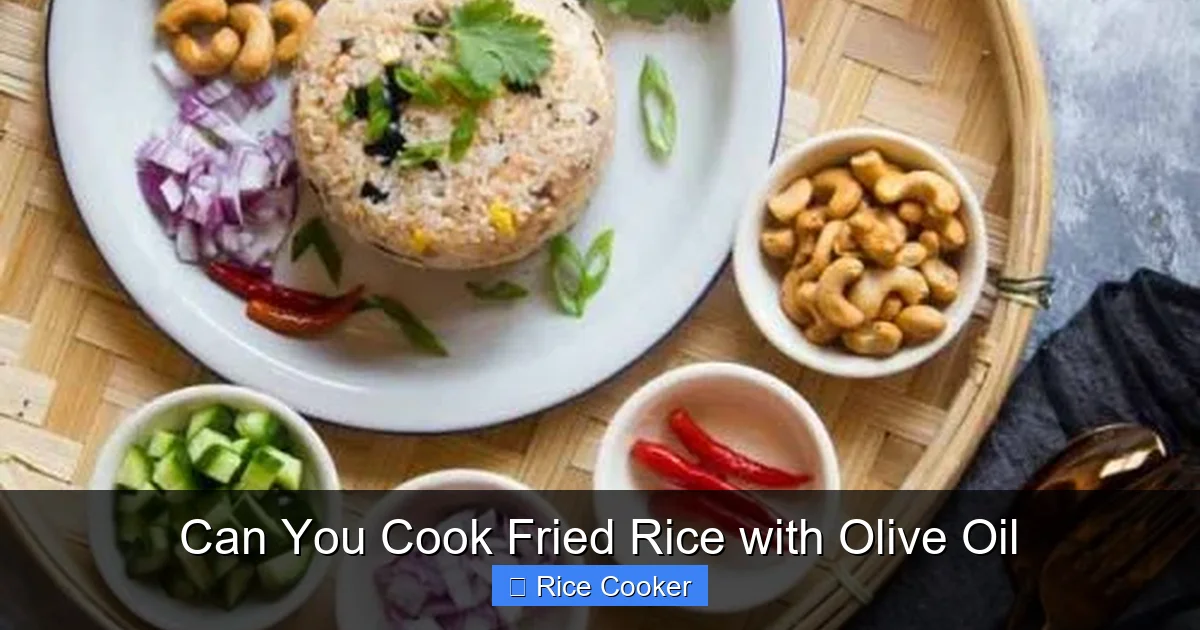
Visual guide about Can You Cook Fried Rice with Olive Oil
Image source: whattocooktoday.com
Not all olive oils are created equal when it comes to cooking. The two main types you’ll encounter are:
Extra Virgin Olive Oil (EVOO)
Made from cold-pressed olives, EVOO has a bold, peppery flavor and strong aroma. Because of its delicate structure, it’s best suited for low-to-medium heat applications like drizzling, marinades, or finishing dishes. If you want to use EVOO in your fried rice, consider adding it after the rice is nearly done cooking—perhaps as a final toss with fresh herbs or a squeeze of lime juice.
Refined Olive Oil
This version undergoes processing to remove impurities and increase smoke point, making it more stable for frying. It tastes milder than EVOO but still carries subtle fruit notes. For most fried rice recipes, refined olive oil strikes the perfect balance between flavor and functionality.
For beginners, we recommend starting with refined olive oil. Once you’re comfortable with technique, you can experiment with finishing touches using high-quality EVOO.
Step-by-Step Guide: Making Fried Rice with Olive Oil
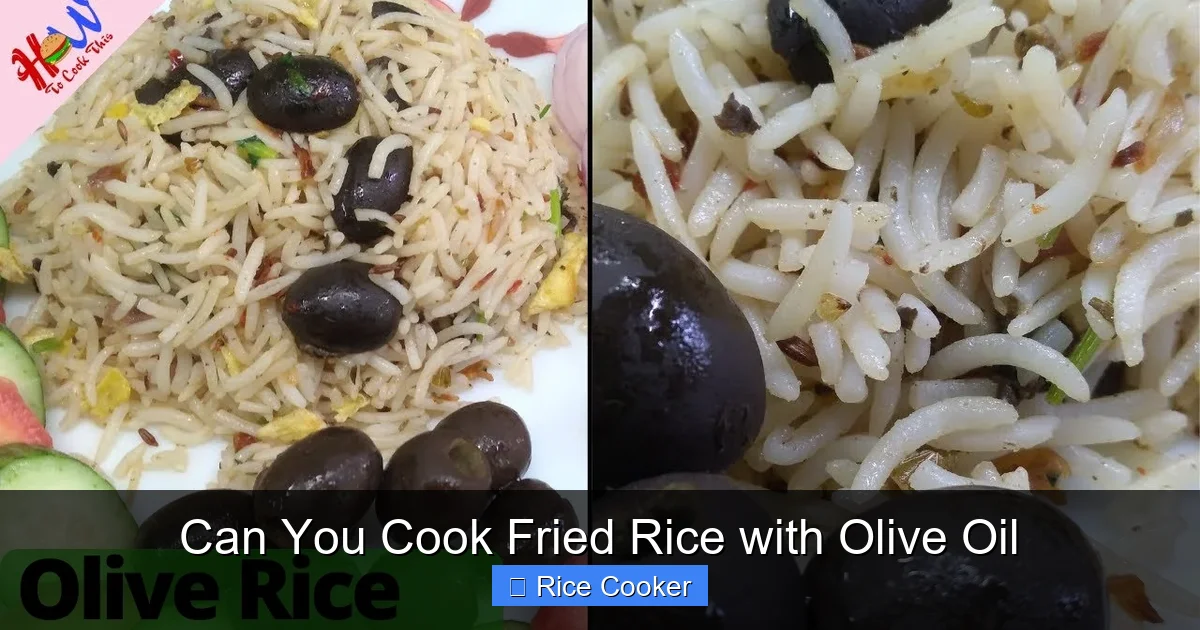
Visual guide about Can You Cook Fried Rice with Olive Oil
Image source: i.ytimg.com
Ready to try it yourself? Here’s a foolproof method that works whether you’re using a cast-iron skillet or an electric rice cooker:
Gather Your Ingredients
Start with day-old cooked rice (preferably jasmine or basmati), which dries out slightly overnight and fries better. You’ll also need:
– 2–3 tablespoons refined olive oil (or half olive oil, half sesame or butter for richness)
– 1 cup mixed vegetables (peas, carrots, corn, bell peppers)
– 2 eggs, beaten
– 3 green onions, sliced
– 2 cloves garlic, minced
– 1 tablespoon soy sauce (low sodium preferred)
– Optional: shrimp, chicken, tofu, or scrambled eggs for protein
Prep Like a Pro
Cold rice is your friend. Spread leftover rice on a tray and fluff it gently with a fork to separate clumps. This prevents clumping during frying. Chop all veggies and proteins ahead of time—stir-frying moves fast!
Heat & Build Flavor
Place a large nonstick or carbon steel skillet over medium-high heat. Add 1 tablespoon of olive oil and swirl to coat. Toss in garlic and ginger; let them sizzle for 10–15 seconds until fragrant but not browned. Add harder vegetables first (carrots, then bell peppers), stirring frequently for 2–3 minutes.
Add the Rice
Push veggies to the side and pour in the rice. Break apart any lumps with a spatula. Drizzle another tablespoon of olive oil over the rice and stir-fry for 2–3 minutes until grains are lightly toasted and warmed through. Season with soy sauce and a pinch of salt or white pepper.
Finish with Eggs & Greens
Lower the heat slightly. Pour beaten eggs into the pan and scramble them into the rice. Fold in peas, corn, and green onions. Cook for another minute until everything is hot and evenly coated.
Serve immediately with a sprinkle of sesame seeds, extra scallions, or a dash of chili crisp for contrast.
Why People Love Using Olive Oil in Fried Rice
Beyond the practical advantages, using olive oil transforms fried rice into something special. Its subtle grassy, apple-like notes complement savory ingredients without dominating them. Unlike heavy coconut oil or butter, olive oil keeps the dish light yet satisfying.
Nutritionally speaking, swapping out saturated or trans fats for monounsaturated fats supports heart health. One study published in *The Journal of Nutrition* found that diets rich in olive oil reduce inflammation markers linked to chronic diseases. Of course, moderation still applies—fried rice remains calorie-dense—but every spoonful counts toward a balanced diet.
Culturally, this fusion approach reflects how global cuisines increasingly blend traditions. Thai street vendors might never use olive oil, but creative home chefs in Milan or Montreal do—and they’re onto something delicious.
Common Mistakes to Avoid
Even experienced cooks slip up sometimes. Watch out for these pitfalls:
Using Too Much Heat
As mentioned earlier, olive oil burns easily. If your oil starts smoking or your rice turns black at the bottom, turn off the heat immediately. A hotter pan means faster cooking—but also higher risk of bitterness.
Skipping Aromatic Pre-Searing
Garlic, onion, and ginger form the flavor foundation of most fried rice. Don’t rush this step! Sautéing them first releases essential oils that elevate the entire dish.
Neglecting Rice Texture
Freshly cooked rice holds too much moisture for proper frying. Always cool and store leftovers properly. Overnight is ideal, but if you’re in a hurry, spread hot rice thinly on a baking sheet to speed up drying.
Overloading the Pan
Too much rice or too few oil leads to steaming instead of frying. Keep quantities manageable—about 2 cups of rice per person, 1–2 tablespoons of oil total.
Creative Variations Using Olive Oil
Once you’ve mastered the basics, get adventurous! Try these ideas:
Mediterranean Fried Rice
Swap soy sauce for balsamic glaze, add sun-dried tomatoes, Kalamata olives, and crumbled feta. Finish with a drizzle of EVOO and fresh oregano.
Spicy Korean-Inspired Version
Use gochujang (Korean chili paste) instead of soy sauce, mix in kimchi, and top with fried egg and crushed peanuts. Drizzle with toasted sesame oil and a touch of refined olive oil before serving.
Vegan Friendly Option
Skip animal products entirely—use mushrooms, tofu, or edamame as protein sources. Enhance umami with tamari and nutritional yeast.
No matter how you customize it, olive oil remains a versatile hero ingredient.
Pairing Olive Oil with Other Fats
To maximize flavor and texture, many recipes combine olive oil with complementary fats:
– **Butter**: Adds richness and helps brown rice evenly.
– **Sesame Oil**: Brings nutty aroma—use sparingly (¼ tsp max) since it’s potent.
– **Avocado Oil**: Has a similar smoke point to olive oil and neutral taste.
– **Peanut Oil**: Traditional choice, but can be swapped partially with refined olive oil for added health benefits.
A typical ratio might be 1 part butter + 1 part olive oil + ½ part sesame oil. Experiment to find your favorite combo!
Storage & Safety Tips
Leftover fried rice should be refrigerated within 2 hours of cooking and consumed within 3 days. Store in an airtight container to preserve moisture and prevent freezer burn. Reheat gently in a pan with a splash of water or broth to revive texture.
Always check oil quality before use. Discard if it smells off or appears cloudy—even refined olive oil has a shelf life (usually 18–24 months past opening).
Final Thoughts: Is Olive Oil Right for Your Fried Rice?
Cooking fried rice with olive oil isn’t just feasible—it’s a smart, tasty choice for health-conscious cooks who love bold flavors. With the right oil selection, careful heat management, and attention to detail, you’ll enjoy a dish that’s both familiar and excitingly new.
Whether you’re whipping up lunch after work or impressing dinner guests, remember: the secret isn’t just the oil itself, but how you wield it. Treat it kindly, respect its limits, and let it shine alongside your other ingredients.
And hey—next time you’re at the grocery store, grab that bottle of refined olive oil. Your future self (and taste buds) will thank you.
Frequently Asked Questions
Can you use extra virgin olive oil for frying rice?
Yes, but only if you avoid high heat. Extra virgin olive oil has a lower smoke point, so it’s best added toward the end of cooking or used as a finishing oil. Never fry rice directly with it over high flame.
What’s the difference between refined and extra virgin olive oil for cooking?
Refined olive oil is processed to raise its smoke point and stabilize it for high-heat cooking. Extra virgin retains more flavor but burns easier. Choose refined for frying; save EVOO for dressings or drizzles.
Does olive oil change the taste of fried rice?
It adds a mild, fruity undertone that complements savory ingredients without overwhelming them. When used properly, it enhances rather than alters the overall flavor profile.
How much olive oil should I use for fried rice?
About 1–2 tablespoons total per batch, depending on pan size and preference. Combine with other fats like butter or sesame oil for better texture and richness.
Will olive oil make my fried rice unhealthy?
Not at all! Olive oil provides heart-healthy monounsaturated fats and antioxidants. Just keep portions reasonable since fried rice is calorie-dense. Balance with veggies and lean proteins.
Can I use olive oil in a rice cooker to make fried rice?
Most rice cookers aren’t designed for stir-frying, but some models have a “fry” function. If yours does, add olive oil along with pre-cooked rice and follow the manual’s instructions. Otherwise, stick to a skillet for best results.