
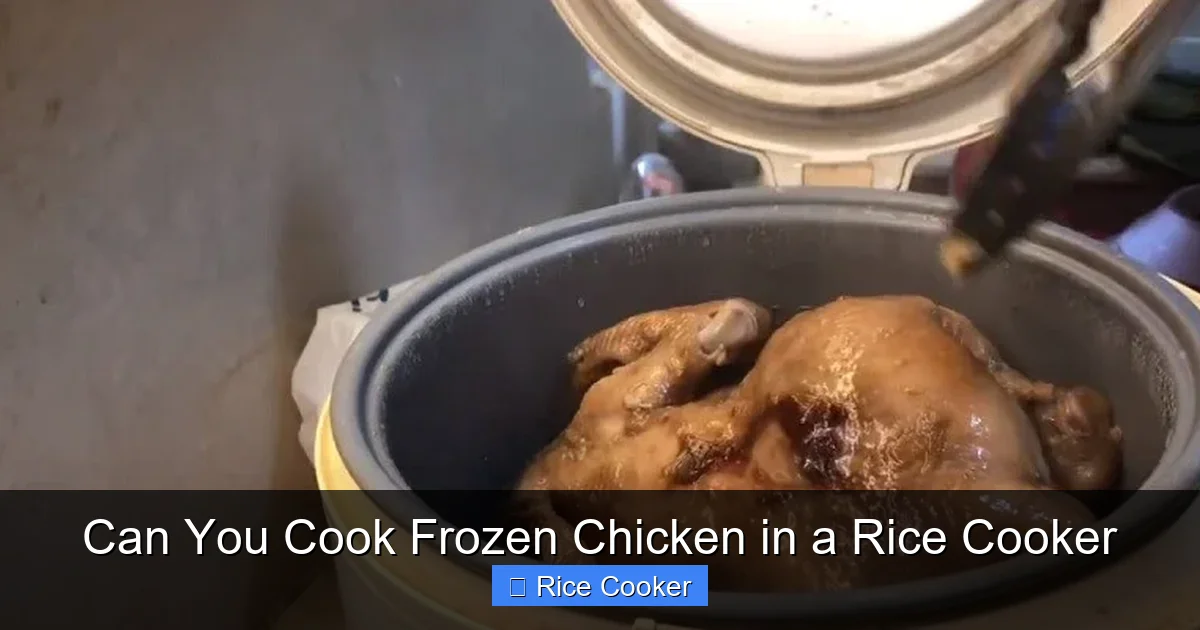
You absolutely can cook frozen chicken in a rice cooker, and it’s faster than you think! With the right technique, your rice cooker can safely cook through the frozen meat, delivering tender, fully cooked chicken every time. This method saves time and reduces food waste by letting you skip the thawing step while still achieving delicious results.
Key Takeaways
- Safety First: Cooking frozen chicken in a rice cooker is safe when done correctly—ensure the internal temperature reaches 165°F (74°C) to kill harmful bacteria.
- Time-Saving Method: You can cook frozen chicken directly from the freezer, skipping hours of thawing time and getting dinner ready faster.
- Best Cuts for Frozen Cooking: Chicken breasts, thighs, and drumsticks work best when frozen, as they retain moisture better during long cooking times.
- Adjust Cooking Time: Frozen chicken takes longer to cook—expect 30–50% more time than fresh chicken, depending on cut and rice cooker model.
- Add Moisture Wisely: Always include liquid (water, broth, or sauce) to prevent drying out; rice cookers need moisture to generate steam and cook evenly.
- Use a Rack or Tray: Elevate the chicken above the liquid to avoid sogginess and help steam circulate more efficiently.
- Check Doneness: Use a meat thermometer to confirm the thickest part reaches 165°F (74°C); color and texture alone aren’t reliable indicators.
📑 Table of Contents
- Can You Cook Frozen Chicken in a Rice Cooker?
- Is It Safe to Cook Frozen Chicken in a Rice Cooker?
- Which Cuts Work Best for Frozen Chicken?
- Step-by-Step Guide: How to Cook Frozen Chicken in a Rice Cooker
- Tips for Perfect Frozen Chicken Every Time
- Common Mistakes and How to Avoid Them
- Creative Ways to Serve Rice Cooker Chicken
- Frequently Asked Questions
Can You Cook Frozen Chicken in a Rice Cooker?
Have you ever been in a rush, staring at a bag of frozen chicken breast, wondering if there’s a quick way to turn it into a meal? You’re not alone. Many home cooks want a fast, no-fuss solution that still delivers safe, tasty results. The good news? Yes—you can absolutely cook frozen chicken in a rice cooker. It’s not only possible but also surprisingly effective with the right approach.
Rice cookers are more than just tools for fluffy rice. These versatile appliances use steam and controlled heat to cook a variety of foods, from grains to proteins. When used smartly, they can transform even frozen meat into tender, juicy dishes. Whether you’re meal prepping, feeding a crowd, or just tired of waiting for meat to thaw, this method offers a convenient alternative. In this article, we’ll walk you through everything you need to know about cooking frozen chicken in a rice cooker—safely, efficiently, and with great flavor.
Is It Safe to Cook Frozen Chicken in a Rice Cooker?
Safety is always the top concern when cooking raw poultry. Many people hesitate to cook frozen chicken because they worry about undercooking or bacterial growth. But when done properly, cooking frozen chicken in a rice cooker is not only safe—it’s a practical way to reduce foodborne illness risk by eliminating the “danger zone” where bacteria thrive during slow thawing.
The key is ensuring that the chicken reaches a safe internal temperature of 165°F (74°C). Unlike microwaves or ovens, rice cookers create consistent steam and heat, which helps cook the center of the chicken thoroughly. However, because frozen meat conducts heat more slowly, you must allow extra time. Rushing the process can leave the outside overcooked while the inside remains cold and unsafe.
To stay safe, always use a reliable meat thermometer. Insert it into the thickest part of the chicken—avoid touching bone or fat—and wait until the reading hits 165°F. Never rely solely on appearance: frozen chicken may look cooked on the surface but remain raw inside. Following these steps ensures your meal is both delicious and safe for your family.
Which Cuts Work Best for Frozen Chicken?
Not all chicken cuts are created equal when cooking from frozen. Some respond better to the rice cooker’s steam-based method than others. Here’s a breakdown of the best options:
Chicken Breasts
Thin and lean, chicken breasts are popular—but they dry out easily. When frozen, they require longer cooking to reach the core temperature. To keep them moist, consider marinating briefly before cooking or adding a splash of broth or lemon juice to the water. A rack or trivet helps elevate the breast so steam doesn’t make it soggy.
Thighs and Drumsticks
These dark meat cuts are forgiving. They have more fat and connective tissue, which helps retain moisture during long cooking times. Even when frozen, thighs and legs cook through evenly and stay tender. They’re ideal for one-pot meals like chicken and rice or stewed dishes.
Whole Chicken Pieces
Frozen whole chickens or parts like wings and legs work well too. Just be mindful of size—larger pieces take longer. Cutting them into smaller portions ensures even cooking. For example, splitting a frozen chicken leg into two halves speeds up the process without sacrificing safety.
Avoid very large roasting chickens or stuffed birds unless you’re willing to extend cooking time significantly. Smaller, uniform pieces heat through more predictably.
Step-by-Step Guide: How to Cook Frozen Chicken in a Rice Cooker
Ready to try it yourself? Follow this simple, foolproof method:
What You’ll Need
- Frozen chicken (breasts, thighs, or drumsticks)
- Water, broth, or sauce (about ½ to ¾ cup)
- Rice cooker with a steam tray or trivet
- Meat thermometer
- Optional: salt, pepper, garlic, herbs for seasoning
Step 1: Prepare Your Rice Cooker
Add ½ to ¾ cup of liquid to the inner pot. Too little liquid risks scorching; too much makes the chicken soggy. If using broth or sauce, it adds flavor without extra prep.
Step 2: Place Chicken on a Rack
Never put frozen chicken directly on the bottom of the pot. Use the included steam rack or a small trivet to elevate it. This allows steam to circulate around the meat, promoting even cooking and preventing mushiness.
Step 3: Season Lightly
Sprinkle salt, pepper, garlic powder, or your favorite herbs over the chicken. You don’t need to defrost to season—the flavors will penetrate during cooking.
Step 4: Close and Cook
Secure the lid and turn on the rice cooker. Most models have a “Steam” or “Manual” setting. If yours doesn’t, use the regular cycle but monitor closely. Cooking time varies: plan for 25–35 minutes for boneless breasts, 35–45 minutes for bone-in pieces, and up to 50 minutes for larger cuts.
Step 5: Check for Doneness
After cooking, let the chicken rest for 5 minutes. Then insert a meat thermometer into the thickest part. If it reads below 165°F, return the chicken to the rice cooker and cook in 2-minute increments until safe.
Step 6: Serve and Enjoy
Remove the chicken with tongs, slice if desired, and serve with rice, vegetables, or your favorite sides. The leftover cooking liquid can be reduced into a sauce!
Tips for Perfect Frozen Chicken Every Time
Even experienced cooks make mistakes. Here are pro tips to ensure success:
Don’t Overcrowd the Pot
Cook only what fits comfortably on one layer. Too much chicken blocks steam flow and leads to uneven cooking. If needed, do batches.
Use High-Quality Liquid
Plain water works, but broth, soy sauce, or tomato juice add depth. Just remember: excess liquid dilutes flavors if not reduced later.
Preheat the Rice Cooker (If Possible)
Some advanced models allow preheating. While not essential, it helps jumpstart the cooking process for frozen items.
Cover Gently
Keep the lid slightly ajar if your rice cooker tends to overflow. Steam buildup can push liquid up the sides, especially with fatty cuts.
Let It Rest
Resist the urge to open the lid constantly. Each opening releases steam and slows cooking. Let the chicken sit after turning off the appliance.
Clean Immediately
Rice cookers can harbor odors or residue from raw meat. Wash the pot, rack, and lid while still warm—this makes cleanup easier and prevents lingering smells.
Common Mistakes and How to Avoid Them
Even with the best intentions, things can go wrong. Here’s how to sidestep common pitfalls:
Mistake 1: Using Too Little Liquid
Result: Burnt pot or dry chicken.
Fix: Always start with at least ½ cup of liquid. Add more if the pot dries out during cooking.
Mistake 2: Not Using a Rack
Result: Soggy, unappetizing chicken.
Fix: Elevate the meat so steam flows freely beneath and around it.
Mistake 3: Ignoring Temperature Checks
Result: Undercooked chicken, posing health risks.
Fix: Use a thermometer—never guess by color or texture.
Mistake 4: Overcooking
Result: Dry, rubbery chicken.
Fix: Remove from heat once 165°F is reached. Residual heat continues cooking slightly.
Mistake 5: Skipping Seasoning
Result: Bland-tasting meat.
Fix: Season generously before cooking—frozen meat absorbs flavor well.
Creative Ways to Serve Rice Cooker Chicken
Once your chicken is perfectly cooked, the possibilities are endless. Here are some inspired ideas:
Chicken and Rice Bowl
Slice the chicken and serve over steamed rice with soy glaze, sesame seeds, and green onions. Add sautéed vegetables for color and nutrition.
One-Pot Meal Packs
Place rice, frozen veggies, and chicken in separate compartments of a divided container. Steam together in the rice cooker for a complete meal in one pot.
Chicken Stew
Add diced potatoes, carrots, and onions to the rice cooker with the chicken and broth. Cook until tender for a hearty, hands-off stew.
Tender Pulled Chicken
Shred the cooked chicken and mix it into barbecue sauce or curry paste. Serve in tacos, wraps, or over rice.
Chicken Fried Rice
Stir-fry cooked chicken with scrambled eggs, peas, corn, and soy sauce in a skillet. Mix with leftover rice for a quick weeknight favorite.
These methods show how versatile your rice cooker can be—beyond just making rice.
Frequently Asked Questions
How long does it take to cook frozen chicken in a rice cooker?
Cooking time depends on the cut. Boneless chicken breasts take 25–35 minutes, while bone-in thighs or drumsticks need 35–45 minutes. Always check the internal temperature at 165°F (74°C) before serving.
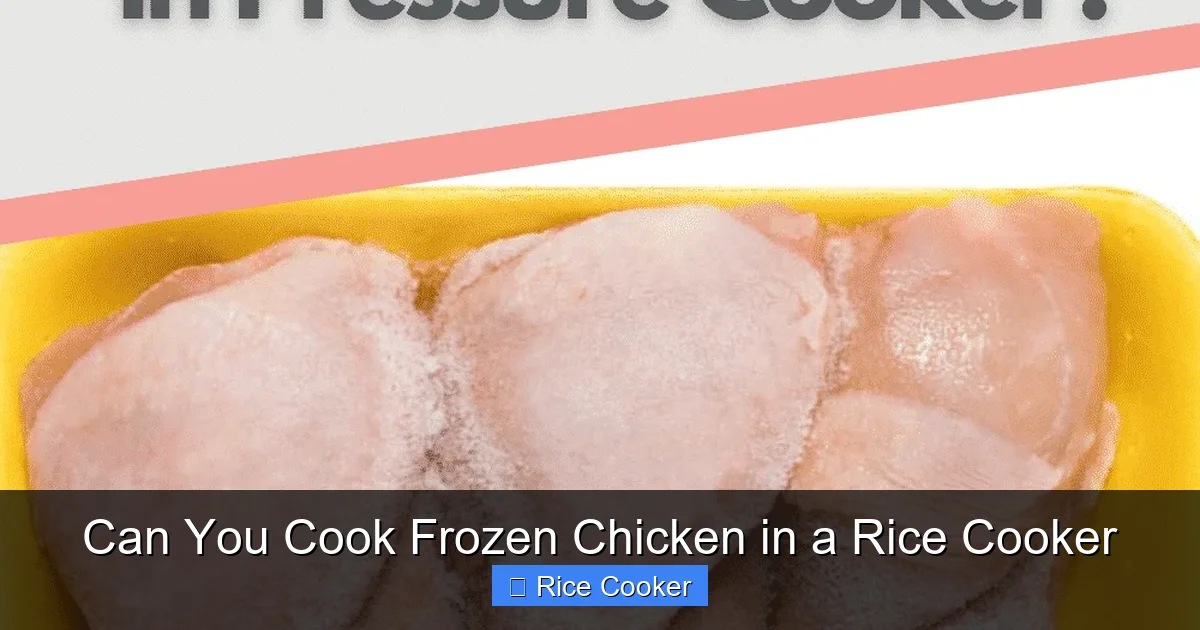
Visual guide about Can You Cook Frozen Chicken in a Rice Cooker
Image source: missvickie.com
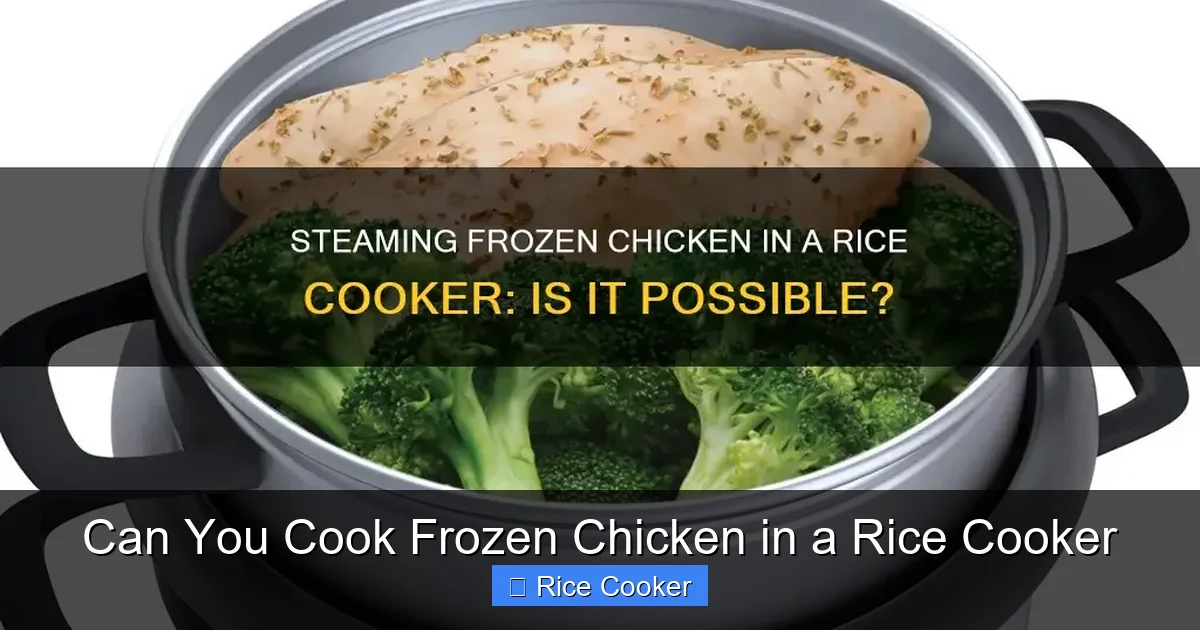
Visual guide about Can You Cook Frozen Chicken in a Rice Cooker
Image source: cycookery.com
Can I cook frozen chicken wings in a rice cooker?
Yes! Chicken wings cook well in a rice cooker when frozen. Place them on a rack with broth or hot sauce, cover, and cook for 30–40 minutes until tender and safe to eat.
Do I need to thaw chicken before cooking in a rice cooker?
No, you don’t have to thaw. In fact, cooking frozen chicken saves time and reduces the chance of bacterial growth during thawing. Just allow extra cooking time.
Can I cook frozen chicken with rice in the same pot?
Yes, but add rice first and let it cook partially before placing the chicken on top. Or use a double-decker setup: rice in the bottom, chicken on a rack above. This prevents sogginess.
Is it safe to reuse the cooking liquid?
Only if it’s been brought to a boil during cooking. Discard any liquid that touched raw chicken unless boiled again. Never pour back unused liquid into the pot.
What if my rice cooker doesn’t come with a steam rack?
Use a small trivet, a folded paper towel, or even a clean dish towel rolled into a ring. As long as the chicken lifts off the bottom, steam can circulate.
Frequently Asked Questions
How long does it take to cook frozen chicken in a rice cooker?
Cooking time depends on the cut. Boneless chicken breasts take 25–35 minutes, while bone-in thighs or drumsticks need 35–45 minutes. Always check the internal temperature at 165°F (74°C) before serving.
Can I cook frozen chicken wings in a rice cooker?
Yes! Chicken wings cook well in a rice cooker when frozen. Place them on a rack with broth or hot sauce, cover, and cook for 30–40 minutes until tender and safe to eat.
Do I need to thaw chicken before cooking in a rice cooker?
No, you don’t have to thaw. In fact, cooking frozen chicken saves time and reduces the chance of bacterial growth during thawing. Just allow extra cooking time.
Can I cook frozen chicken with rice in the same pot?
Yes, but add rice first and let it cook partially before placing the chicken on top. Or use a double-decker setup: rice in the bottom, chicken on a rack above. This prevents sogginess.
Is it safe to reuse the cooking liquid?
Only if it’s been brought to a boil during cooking. Discard any liquid that touched raw chicken unless boiled again. Never pour back unused liquid into the pot.
What if my rice cooker doesn’t come with a steam rack?
Use a small trivet, a folded paper towel, or even a clean dish towel rolled into a ring. As long as the chicken lifts off the bottom, steam can circulate.