
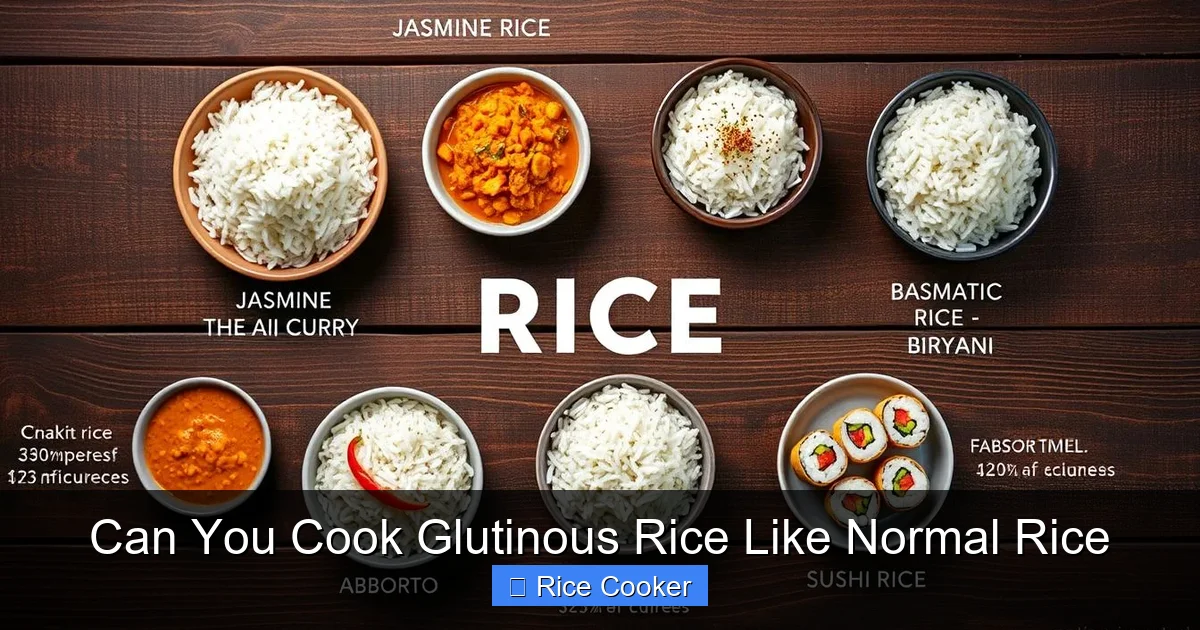
Can you cook glutinous rice like normal rice? Absolutely—but with a few important adjustments. While both types of rice can be cooked using a rice cooker, glutinous rice (also known as sticky or sweet rice) behaves differently due to its high amylopectin content. Unlike regular jasmine or long-grain rice, it doesn’t absorb water the same way and requires more precise water-to-rice ratios and cooking methods to achieve the perfect texture.
Whether you’re making mango sticky rice, dumplings, or a savory dish like Chinese zongzi, understanding how to cook glutinous rice properly will elevate your meals. In this guide, we’ll walk you through everything from soaking times to troubleshooting common issues so you get soft, chewy, and perfectly cooked glutinous rice every single time—without overcooking or turning it mushy.
Key Takeaways
- Glutinous rice has no gluten: Despite its name, it’s not related to wheat gluten and is naturally sticky due to high amylopectin starch.
- Water ratio matters: Use about 1.5 to 1.75 cups of water per cup of uncooked glutinous rice for most rice cookers.
- Soaking is optional but helpful: Soaking for 30 minutes–2 hours can improve texture and reduce cooking time slightly.
- Don’t rinse aggressively: Rinse just enough to remove excess starch; over-rinsing makes it too sticky.
- Cooking time varies: Most electric rice cookers take 25–40 minutes total (including preheat and steam).
- Fluff with caution: After cooking, let it rest 10 minutes before fluffing gently to avoid breaking grains.
- Useful for desserts & dishes: Ideal for mochi, rice cakes, dumplings, and traditional Asian sweets.
📑 Table of Contents
- Can You Cook Glutinous Rice Like Normal Rice? A Friendly Guide
- Understanding Glutinous Rice vs. Regular Rice
- How to Cook Glutinous Rice in a Rice Cooker
- Troubleshooting Common Issues
- Tips for Perfect Glutinous Rice Every Time
- Creative Ways to Use Cooked Glutinous Rice
- Frequently Asked Questions
- Final Thoughts
Can You Cook Glutinous Rice Like Normal Rice? A Friendly Guide
Have you ever wondered whether you can cook glutinous rice just like regular white rice? If you’re new to Asian cuisine or curious about making mango sticky rice, mochi, or even savory dishes like zongzi, you’ve probably asked yourself this exact question. The short answer is: yes, you can cook glutinous rice like normal rice—but there are some key differences you need to know.
Unlike long-grain varieties such as jasmine or basmati, glutinous rice (also called sweet rice or sticky rice) contains almost no amylose and instead is rich in amylopectin, which gives it that signature chewy, stretchy texture when cooked. This means it won’t puff up like jasmine rice and doesn’t separate into individual grains like brown rice. Instead, it becomes soft, moist, and clingy—perfect for rolls, desserts, and steamed treats.
If you’re using an electric rice cooker, don’t worry! Many modern models work well with glutinous rice, especially if you follow the right steps. In this article, we’ll walk you through everything from selecting the right type of glutinous rice to mastering the perfect water ratio and troubleshooting common mistakes. By the end, you’ll be confident cooking glutinous rice like a pro—even if you’ve never touched it before.
Understanding Glutinous Rice vs. Regular Rice
Before diving into cooking methods, it helps to understand what sets glutinous rice apart from common rice varieties like jasmine, basmati, or arborio.
Glutinous rice grows in Asia—primarily in China, Japan, Thailand, and Vietnam—and comes in two main types: white and black. White glutinous rice is the most commonly used in cooking, while black glutinous rice adds color and subtle nuttiness to dishes.
The term “glutinous” is misleading because it contains no gluten. It gets its name from the sticky texture it develops when cooked, thanks to its unique starch composition. Regular rice contains both amylose and amylopectin, which allows individual grains to stay separate. But glutinous rice has nearly zero amylose, meaning the starches swell and fuse together, creating a cohesive, elastic mass.
This behavior affects how it cooks. Since it doesn’t dry out like regular rice, you can’t use the same water ratios. Too little water leads to undercooked, hard clumps; too much results in soggy, mushy rice.
Types of Glutinous Rice
There are several kinds of glutinous rice available at Asian grocery stores or online:
– **White Glutinous Rice (Mochigome):** The classic choice for mochi, rice balls, and desserts.
– **Black Glutinous Rice:** Darker in color, slightly sweeter, often used in puddings and porridges.
– **Red Glutinous Rice:** Less common but gaining popularity for its earthy flavor and health benefits.
Each type may require minor adjustments in cooking time or water amount, but the general method remains similar.
Why Texture Matters
Because glutinous rice sticks together, it’s not ideal for pilafs or salads where separated grains are preferred. However, that very property makes it excellent for:
– Sticky rice wrapped in bamboo leaves (zongzi)
– Mochi ( pounded or steamed )
– Onigiri (rice balls) with fillings sealed inside
– Sweet rice pudding or mango sticky rice
Knowing your end goal helps determine whether you’re using glutinous rice correctly.
How to Cook Glutinous Rice in a Rice Cooker
Using a rice cooker is one of the easiest ways to cook glutinous rice without constant supervision. Most standard rice cookers handle it fine, though some models with fuzzy logic or specialized settings might give better results.
Here’s a step-by-step guide to get perfect results every time.
Gather Your Ingredients and Tools
You’ll need:
– 1 cup glutinous rice (uncooked)
– 1.5 to 1.75 cups water (adjust based on rice cooker model)
– Fine-mesh strainer
– Measuring cups (liquid and dry)
– Rice cooker with non-stick inner pot
– Wooden spoon or spatula (for fluffing)
Optional: A bowl large enough to soak the rice.
Step 1: Measure and Rinse the Rice
Start by measuring your rice carefully. Use a dry measuring cup for accuracy.
Rinse the rice under cold running water using a fine-mesh strainer until the water runs clear. This removes surface starch that can make the rice overly sticky. However, don’t overdo it—rinsing too vigorously washes away nutrients and can lead to a gummy texture.
Tip: For first-time users, aim for rinsing 2–3 times or until the water isn’t cloudy anymore.
Step 2: Optional—Soak the Rice
Soaking isn’t mandatory, but it improves texture and shortens cooking time slightly. Here’s how:
1. Place rinsed rice in a bowl.
2. Cover with room-temperature water by about 1 inch.
3. Let sit for 30 minutes to 2 hours.
Drain thoroughly before adding to the rice cooker.
Benefits of soaking:
– Reduces cooking time
– Produces softer, more uniform texture
– Makes flaking easier if you plan to pound mochi later
Note: Don’t soak overnight unless refrigerating—it can promote bacterial growth.
Step 3: Add Water and Rice to the Cooker
For most rice cookers, use this water ratio:
– **1 cup glutinous rice : 1.5 cups water** = slightly firmer result
– **1 cup glutinous rice : 1.75 cups water** = softer, stickier consistency
Adjust based on your preference. Newer rice cookers with advanced sensors may require less water, so check the manual if unsure.
Add the drained (or uns soaked) rice and water to the inner pot. Stir once gently to distribute evenly.
Step 4: Start Cooking
Close the lid and press the “Cook” button. Most rice cookers will take 25–40 minutes to complete the cycle, including heating and steaming.
During cooking, resist the urge to lift the lid—steam escapes, which can affect timing and texture.
Step 5: Rest and Fluff
Once the cooker switches to “Keep Warm,” turn it off immediately. Let the rice rest for 10 minutes. This allows moisture to redistribute evenly.
After resting, open the lid and fluff gently with a wooden spoon or chopsticks—don’t stir aggressively, or you’ll break the grains and create lumps.
Troubleshooting Common Issues
Even experienced cooks run into problems now and then. Here’s how to fix them.
Problem: Rice is too dry or hard
**Cause:** Insufficient water or old rice absorbing moisture faster.
**Fix:** Add ¼ cup more water next time and consider soaking longer. Also, store rice in an airtight container to prevent moisture loss.
Problem: Rice is mushy or soupy
**Cause:** Too much water or over-stirring during fluffing.
**Fix:** Drain excess water after cooking. Use a slotted spoon to serve. Future batches should use less water.
Problem: Uneven cooking (some grains hard, others soft)
**Cause:** Poor distribution of water or clumped rice at the bottom.
**Fix:** Rinse thoroughly, avoid compacting rice in the pot, and ensure the inner pot is clean and level.
Problem: Rice sticks too much to the pot
**Cause:** Overcrowding or lack of oil.
**Fix:** Lightly coat the inner pot with neutral oil (like vegetable or coconut oil) before adding rice. This prevents sticking and eases cleanup.
Tips for Perfect Glutinous Rice Every Time
Want consistent results? Follow these expert tips.
Use Fresh Rice When Possible
Old rice loses moisture and can become brittle or overly sticky. Buy small quantities and use within 6 months. Store in a cool, dry place or refrigerator to extend shelf life.
Experiment with Ratios
Different rice cookers behave differently. Keep notes on water amounts and outcomes. Some users find 1.6 cups of water works best for their model.
Avoid Opening the Lid During Cooking
Steam is essential for even heat distribution. Every time you open the lid, you lose temperature and delay cooking.
Let It Rest
Skipping the 10-minute rest causes uneven texture. Patience pays off!
Serve Immediately or Store Properly
Fresh glutinous rice tastes best the day it’s made. To reheat, add a splash of water and microwave covered for 1–2 minutes, stirring halfway.
Creative Ways to Use Cooked Glutinous Rice
Now that you’ve mastered the basics, here are fun ideas to try.
Mango Sticky Rice (Thai Dessert)
Combine cooled glutinous rice with coconut milk, sugar, and salt. Serve warm over ripe mangoes. Top with toasted sesame seeds for crunch.
Zongzi (Chinese Sticky Rice Dumplings)
Soak bamboo leaves, fill with glutinous rice mixed with red beans or pork, wrap tightly, and steam for 1.5–2 hours. Perfect for festivals!
Mochi Ice Cream or Cookies
Knead warm glutinous rice dough with food coloring and sugar. Roll into balls, stuff with ice cream, and freeze. Or flatten and bake into chewy cookies.
Rice Balls (Onigiri or Nerikiri)
Shape cooled rice into triangles or rounds. Fill with pickled plum, tuna mayo, or sweet red bean paste. Wrap in nori or leave plain.
Sweet Rice Pudding
Simmer glutinous rice with milk, sugar, and vanilla. Thicken with cornstarch slurry. Chill before serving.
Frequently Asked Questions
Can I substitute glutinous rice flour for glutinous rice?
No—they’re not interchangeable. Glutinous rice flour comes from ground dried rice and lacks the chewiness of cooked rice. It’s used in baked goods, not whole-grain preparations.
Visual guide about Can You Cook Glutinous Rice Like Normal Rice
Image source: thericechick.com
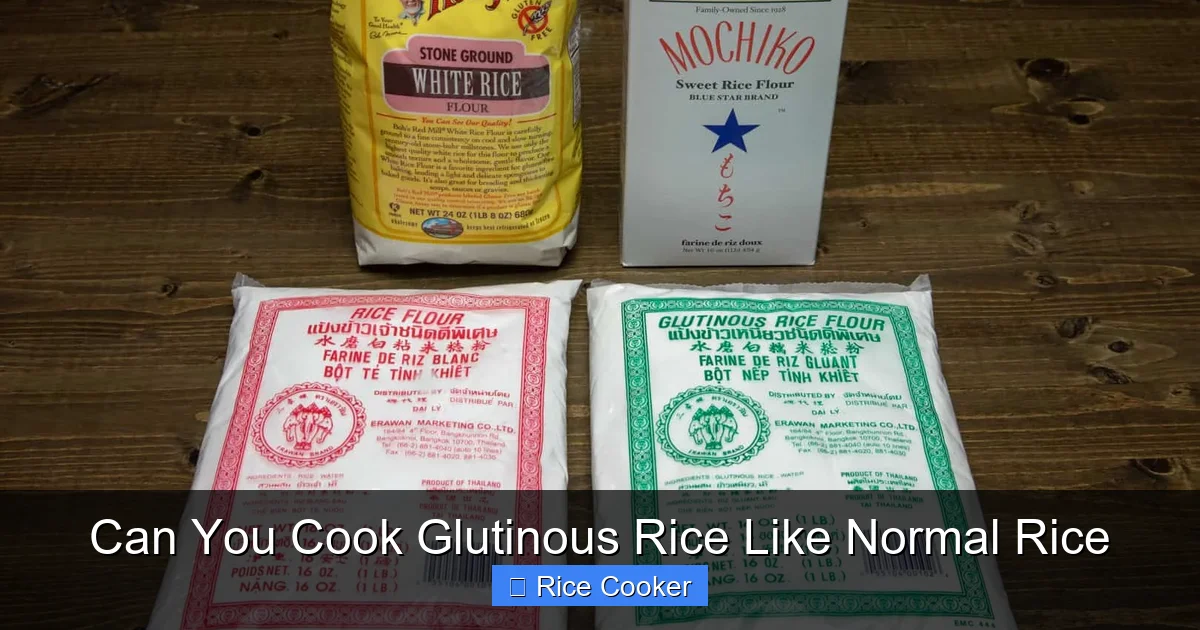
Visual guide about Can You Cook Glutinous Rice Like Normal Rice
Image source: runawayrice.com
Do I need a special rice cooker for glutinous rice?
Most standard rice cookers work fine. Look for models with “fuzzy logic” or multiple settings, as they adjust timing and temperature better for sticky grains.
How do I prevent glutinous rice from sticking to the pot?
Lightly grease the inner pot with oil before adding rice. Also, avoid pressing down on the rice during cooking.
Can I cook glutinous rice in a stovetop pot instead?
Yes! Bring 1.5–1.75 cups water to a boil, add rice, reduce heat, cover, and simmer for 20–25 minutes. Turn off heat and let stand 10 minutes.
Is glutinous rice healthier than regular rice?
It’s lower in glycemic index than white rice and contains more fiber and antioxidants (especially black glutinous rice). However, it’s still a carbohydrate source, so portion control matters.
Can children eat glutinous rice?
Yes, but supervise chewing—its sticky texture can pose a choking risk if not eaten slowly and thoroughly.
Final Thoughts
Cooking glutinous rice doesn’t have to be intimidating. With the right water ratio, gentle handling, and a trusty rice cooker, you can achieve perfectly tender, slightly sticky rice every time. Whether you’re whipping up a tropical dessert or preparing holiday favorites like zongzi, mastering this versatile grain opens up a world of delicious possibilities.
Remember: practice makes progress. Try different soaking times, water levels, and serving styles until you find your favorite method. And don’t forget to experiment—glutinous rice shines in both sweet and savory dishes.
So go ahead—grab that bag of glutinous rice, fire up your rice cooker, and enjoy the magic of sticky, chewy, irresistibly good rice!
Frequently Asked Questions
Can I use a rice cooker for glutinous rice?
Yes, most standard rice cookers work well with glutinous rice. Just adjust the water ratio slightly higher than you would for regular rice to account for its sticky nature.
How much water do I use for glutinous rice in a rice cooker?
Use between 1.5 and 1.75 cups of water per cup of uncooked glutinous rice. The exact amount depends on your rice cooker model and desired texture.
Should I soak glutinous rice before cooking?
Soaking is optional but recommended. Soak for 30 minutes to 2 hours to improve texture and reduce cooking time. Drain thoroughly before adding to the cooker.
Can I cook glutinous rice like jasmine rice?
No—glutinous and jasmine rice behave very differently. Jasmine rice separates into fluffy grains, while glutinous rice becomes cohesive and chewy. They require different water ratios and techniques.
How do I stop glutinous rice from sticking to the pan?
Lightly coat the inner pot with oil before adding rice. Avoid pressing or stirring too much during cooking, and let it rest after cooking before fluffing.
What’s the difference between glutinous rice and regular rice?
Glutinous rice has almost no amylose starch, making it highly sticky when cooked. Regular rice contains amylose, which keeps grains separate. This affects texture, water needs, and ideal uses.