
You can absolutely cook far more than rice in your rice cooker! This kitchen workhorse is surprisingly versatile, capable of steaming veggies, cooking grains, making soups, baking cakes, and even preparing one-pot meals like jambalaya or paella. With the right technique and a few simple tips, your rice cooker becomes a multitasking powerhouse that saves time and effort.
Have you ever looked at your rice cooker and thought, “That’s it? Just rice?” If so, you’re not alone—but you’re also missing out on one of the most underrated kitchen gadgets of all time. While its name suggests it only handles rice, a rice cooker is actually a versatile, energy-efficient appliance capable of doing so much more. From fluffy quinoa to savory one-pot dishes and even sweet desserts, the humble rice cooker proves it’s far more than a grain cooker.
In this comprehensive guide, we’ll explore exactly what you can cook in a rice cooker—beyond the basics—and share practical tips to help you get the most out of this kitchen essential. Whether you’re a beginner or a seasoned home cook looking to simplify meal prep, you’ll discover new ways to use your rice cooker every day.
Key Takeaways
- Rice cookers do more than cook rice: Beyond basic white or brown rice, you can use them for grains, stews, desserts, and more.
- Steaming is built-in: Most modern rice cookers have a dedicated steaming function perfect for vegetables, fish, and dumplings.
- One-pot meals are easy: Combine proteins, grains, and veggies for complete meals without extra pots or pans.
- Desserts belong in the rice cooker: Steamed puddings, cakes, and breads are possible with the right ingredients and timing.
- Cleaning is simple: Removable inner pots and non-stick coatings make cleanup faster and easier.
- Energy-efficient cooking: Rice cookers use minimal electricity and maintain consistent temperatures for better results.
- Not all rice cookers are equal: Look for models with multiple functions (steaming, slow cooking, delay timer) for maximum flexibility.
📑 Table of Contents
- Beyond Rice: The True Potential of Your Rice Cooker
- Cooking Grains and Cereals
- Steaming: The Secret Weapon
- One-Pot Meals Made Easy
- Soups and Stews
- Desserts and Baked Goods
- Tips for Success
- Common Misconceptions
- Choosing the Right Rice Cooker
- Cleaning and Maintenance
- Conclusion: Your Rice Cooker Is a Kitchen Hero
Beyond Rice: The True Potential of Your Rice Cooker
Let’s start with a simple truth: your rice cooker is designed to cook grains, but its functionality goes far beyond that. Modern rice cookers come with multiple settings—like keep-warm, quick-cook, steam, and even slow-cook modes—making them ideal for a wide range of foods. The key lies in understanding how heat and moisture interact inside the pot, which allows for gentle, even cooking whether you’re making oatmeal or searing chicken.
One of the most underappreciated features of a rice cooker is its ability to retain moisture and regulate temperature. Unlike stovetop cooking, where you risk overcooking or burning, a rice cooker maintains a consistent environment. This makes it perfect for delicate tasks like steaming fish or simmering a creamy soup. Plus, since everything happens in one pot, cleanup is a breeze—something we all appreciate after a long day.
Cooking Grains and Cereals
Visual guide about Can You Cook in a Rice Cooker
Image source: ovenspot.com
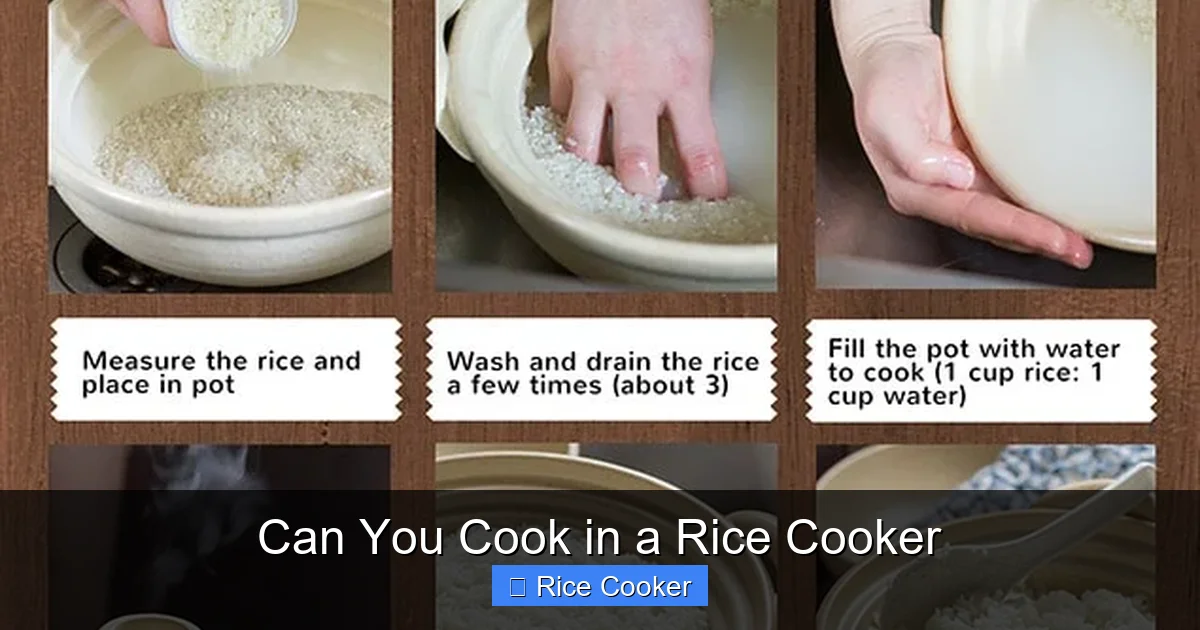
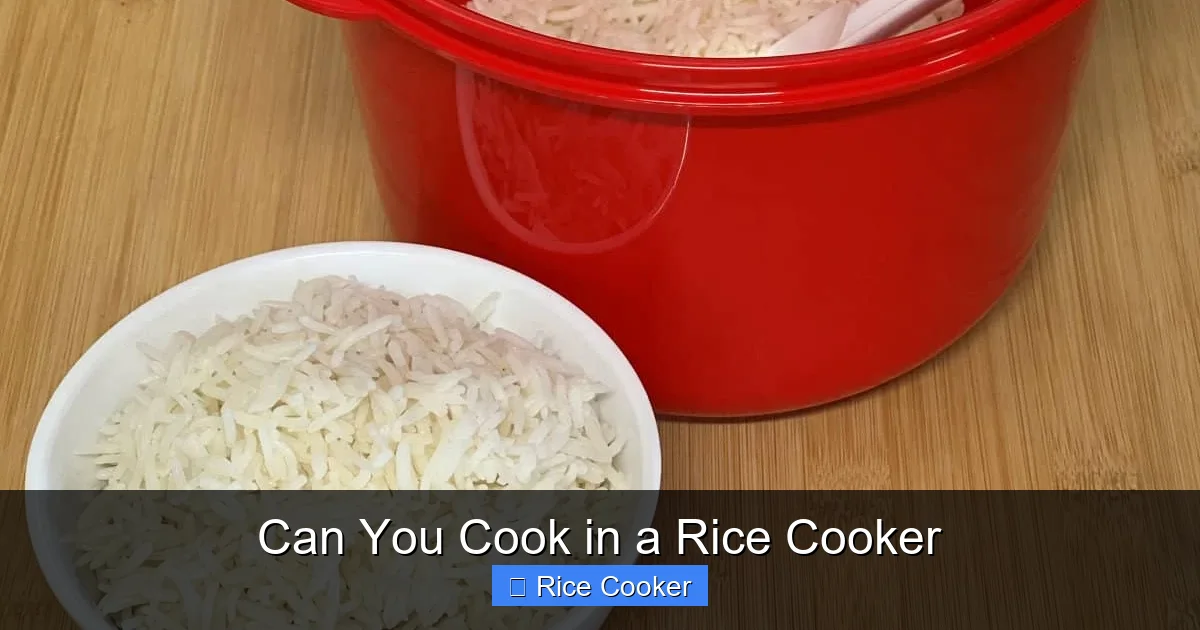
While rice is the star, many grains thrive in a rice cooker. In fact, using a rice cooker for grains like quinoa, barley, or farro is often easier than traditional methods because it eliminates the need to monitor boiling water levels.
Quinoa Perfection
Quinoa cooks beautifully in a rice cooker. Simply rinse 1 cup of quinoa, add 2 cups of water or broth, and press “Cook.” The result is fluffy, separate grains with no mushy bits. For added flavor, try cooking it in vegetable broth or adding a sprig of thyme during cooking.
Oats and Creamy Breakfasts
Overnight oats might be trendy, but why not cook fresh oatmeal in minutes? Use a 1:2 ratio of oats to liquid (water, milk, or almond milk). Add cinnamon, nuts, or fruit before cooking for a warm breakfast that’s ready when you are.
Barley and Farro
These hearty grains benefit from the rice cooker’s slow, steady heat. Cook barley with twice as much liquid as grain for about 50–60 minutes. Farro takes slightly longer but yields tender, chewy grains ideal for salads or side dishes.
Steaming: The Secret Weapon
Visual guide about Can You Cook in a Rice Cooker
Image source: ricearray.org
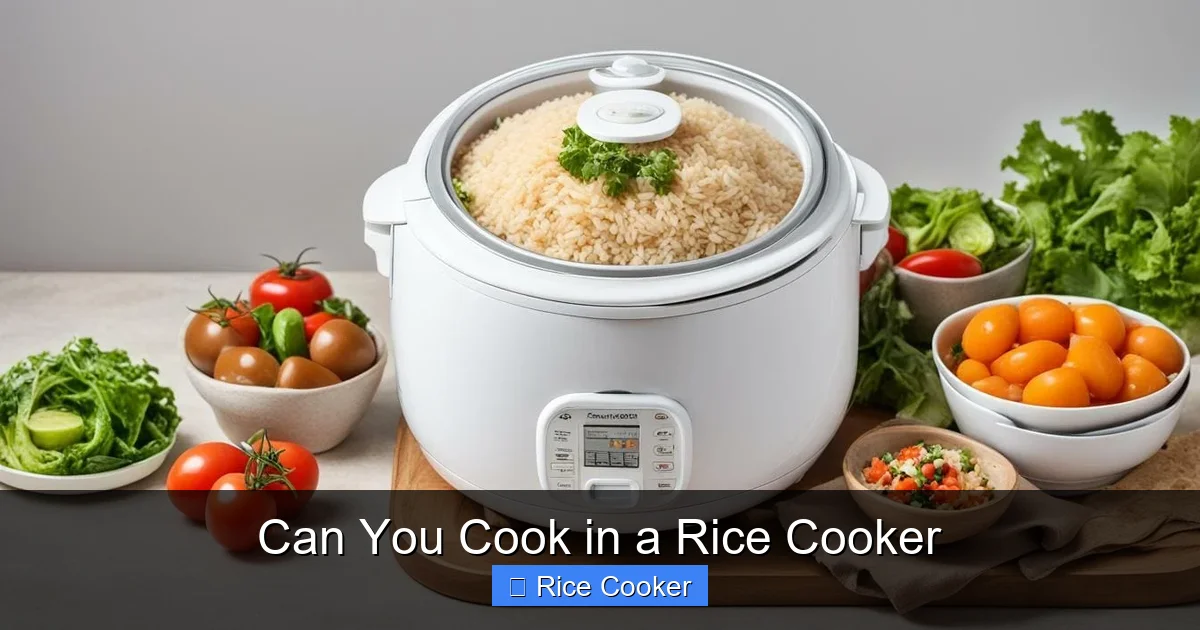
If you have a rice cooker with a steaming tray (most do), you unlock a whole new world of healthy cooking. Steaming preserves nutrients and flavors better than boiling or frying, and it requires zero oil.
Steamed Vegetables
Cut broccoli, carrots, or green beans into uniform sizes and place them in the steamer basket. Add a splash of water to the inner pot, cover, and steam for 8–12 minutes. Season with lemon juice, garlic, or soy sauce afterward.
Fish and Seafood
Delicate fish like cod or tilapia steams perfectly in under 10 minutes. Place fish on the tray, season with herbs and a squeeze of lemon, and steam until flaky. No flipping, no mess—just tender, moist protein.
Dumplings and Buns
Want homemade dim sum? Fill a rice cooker with a bit of water, place a bamboo steamer inside (or use the built-in tray), and steam dumplings for 15–20 minutes. It’s faster and cleaner than using a stovetop steamer.
One-Pot Meals Made Easy
One of the biggest advantages of a rice cooker is its ability to handle entire meals in one container. You can combine proteins, grains, and vegetables without needing multiple pots or pans.
Jambalaya
Sauté sausage and onions in the inner pot using the “Saute” function (if available). Add diced tomatoes, bell peppers, rice, and chicken broth. Press “Cook” and let it all come together into a rich, flavorful dish.
Chicken and Rice
Brown chicken thighs in the pot, then add rice, broth, and your favorite herbs. Set to cook and return to a fragrant, tender one-dish meal.
Vegetable Risotto
Even risotto—traditionally stirred constantly—can be made in a rice cooker. Toast Arborio rice briefly, add warm broth gradually, and let the cooker do the rest. The result is creamy, restaurant-quality risotto with minimal effort.
Soups and Stews
Yes, you read that right—rice cookers are great for soups too. The sealed environment prevents evaporation, keeping liquids hot and flavors concentrated.
Hearty Lentil Soup
Combine lentils, carrots, celery, onion, and broth in the pot. Add spices like cumin or turmeric. Cook on high for 45–60 minutes until lentils are soft. Blend partially for a creamier texture if desired.
Tomato Basil Soup
Sauté garlic and onions, then add crushed tomatoes, vegetable stock, and fresh basil. Let simmer in the rice cooker for 30–40 minutes. Serve with crusty bread.
Note on Thickness
Because rice cookers don’t have the same airflow as stovetop pots, very thick stews may require occasional stirring. Some models have a “Slow Cook” mode that helps prevent sticking.
Desserts and Baked Goods
Surprise! You can bake cakes, puddings, and even bread in certain rice cookers—especially those with a “Bake” or “Keep Warm” function that reaches high enough temperatures.
Steamed Pudding
Mix milk, sugar, cornstarch, and vanilla. Pour into the inner pot and cook on low for 30–40 minutes, stirring occasionally. The result is a smooth, custard-like dessert.
Pound Cake
Use a greased rice cooker pot (or line with parchment) to bake a dense, moist pound cake. Beat butter, sugar, eggs, flour, and vanilla, then pour into the pot. Bake for 45–60 minutes depending on your model.
Bread
Some advanced rice cookers come with a dedicated bread-making function. Follow a yeast-based bread recipe and let the machine knead, rise, and bake automatically.
Tips for Success
To get the best results every time, keep these tips in mind:
- Read your manual: Not all rice cookers are created equal. Check what functions your model has (steaming, sautéing, baking).
- Use the right liquid ratios: Too little liquid leads to dry food; too much makes it soggy. Start with standard ratios and adjust next time.
- Don’t overload: Leave room for expansion—especially when steaming or baking.
- Invest in a trivet: A removable steaming rack helps keep food above water, preventing sogginess.
- Experiment with flavors: Broth instead of water adds depth. Herbs, spices, and aromatics enhance almost any dish.
Common Misconceptions
Many people assume rice cookers are limited to rice and maybe some oatmeal. But thanks to technological advances, today’s models are true multitaskers. Older units may lack advanced features, but even basic ones can handle steamed veggies, soups, and grains.
Another myth is that you can’t brown meat in a rice cooker. While it won’t sear like a skillet, some models have a “Saute” setting that lets you caramelize onions or develop flavor in proteins before adding other ingredients.
Lastly, some worry about safety or durability when using the pot for non-rice purposes. Rest assured—the inner pot is typically made of durable materials like stainless steel or ceramic and is designed for repeated use with various foods.
Choosing the Right Rice Cooker
Not all rice cookers are built for versatility. When shopping, look for these features:
- Multiple cooking modes: Steam, slow cook, delay timer, and keep-warm.
- Large capacity: Ideal for families or meal prep (2–5 cups of uncooked rice is typical).
- Removable inner pot: Makes cleaning easier and allows for direct baking in some cases.
- Non-stick coating: Prevents sticking and makes food release simple.
- Timer function: Lets you set meals in advance—perfect for busy mornings.
Popular brands like Zojirushi, Cuckoo, and Instant Pot offer models with exceptional build quality and smart features. Read reviews and compare specs before buying.
Cleaning and Maintenance
One of the biggest perks of a rice cooker is how easy it is to clean. Most inner pots are dishwasher-safe, though handwashing preserves the non-stick surface longer. Always unplug the unit and let it cool before cleaning. Wipe the exterior with a damp cloth and avoid submerging the base.
For stubborn residue, fill the pot with warm, soapy water and let it soak for 15 minutes before scrubbing gently. Never use abrasive sponges on the non-stick coating.
Conclusion: Your Rice Cooker Is a Kitchen Hero
Your rice cooker isn’t just for rice—it’s a compact, efficient, and surprisingly capable appliance that deserves a spot in every kitchen. Whether you’re whipping up a quick breakfast, preparing a nutritious dinner, or indulging in a homemade dessert, this little machine can handle it all with minimal effort.
By expanding your cooking repertoire beyond the basics, you save time, reduce cleanup, and open the door to creative, flavorful meals. So next time you reach for your rice cooker, remember: there’s so much more you can do. Experiment, adapt, and enjoy the convenience of turning one appliance into a complete cooking solution.
Frequently Asked Questions
Can you cook pasta in a rice cooker?
Yes, but with caution. Pasta needs rapid boiling, so use a high heat setting and stir frequently. Cook in small batches with plenty of salted water for best results. Drain and rinse afterward to prevent sticking.
Is it safe to leave food in a rice cooker overnight?
If the “keep warm” function is used correctly, yes—but only for a few hours. Leaving food too long can promote bacterial growth. For safety, refrigerate leftovers within 2 hours of cooking.
Can I use my rice cooker to make yogurt?
Some advanced models have a yogurt setting that maintains a precise temperature. Otherwise, you can ferment milk using a yogurt maker or oven with a light on. Rice cookers aren’t ideal unless specifically designed for dairy fermentation.
Do I need special cookware for a rice cooker?
No. The inner pot that comes with your rice cooker is specially designed for it. Using other cookware can damage the unit or affect performance. Always use the provided accessories.
Can I bake bread in any rice cooker?
Only if your model has a dedicated bread-baking function. Basic rice cookers don’t reach the high temperatures needed for rising dough. Check your manual or invest in a model with baking capabilities if you want this feature.
How do I prevent my rice cooker from burning food?
Use the correct liquid-to-grain ratio, avoid overfilling, and ensure the heating plate is clean. Stirring occasionally during cooking (for stews or soups) also helps prevent scorching. If your model has a sauté function, use it to pre-cook ingredients before adding liquids.