
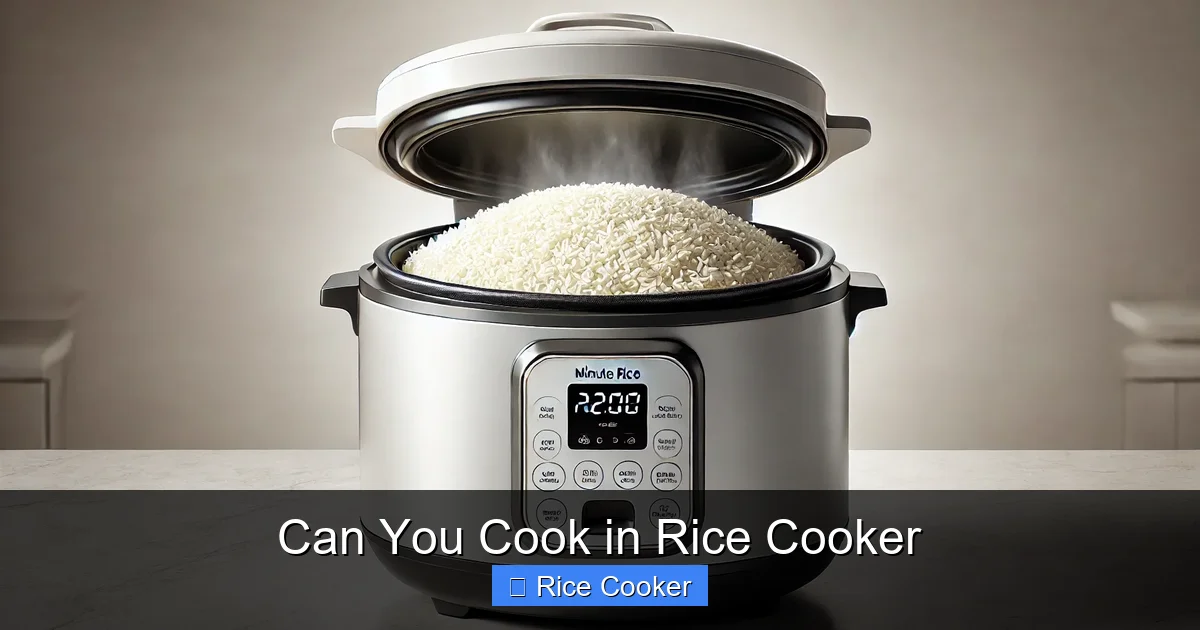
Yes, you can absolutely cook more than just rice in a rice cooker! This kitchen gadget is surprisingly versatile and can handle everything from oatmeal and soups to cakes and even eggs. With the right ingredients and techniques, your rice cooker becomes a multi-purpose cooking powerhouse that saves time and effort.
Key Takeaways
- Rice cookers are versatile appliances: They can cook rice, grains, stews, desserts, and even steam vegetables—no extra equipment needed.
- Basic cooking method applies to many dishes: The same water-to-ingredient ratio used for rice works for porridge, oats, and other grains.
- Steaming function adds value: Most modern rice cookers come with a steaming basket, allowing you to cook multiple dishes simultaneously.
- Cooking times vary by dish: Unlike rice, which has a standard timer, recipes like risotto or cakes need adjusted settings or manual timing.
- Cleaning and maintenance matter: Proper care ensures longevity and prevents cross-contamination between different types of food.
- Energy-efficient and convenient: Rice cookers use less electricity than ovens or stovetops and often have automatic shut-off features.
- Experiment safely: Start with simple recipes before attempting complex dishes to avoid overcooking or undercooking.
📑 Table of Contents
- Can You Cook in Rice Cooker? Absolutely—And So Much More!
- Understanding Your Rice Cooker: Beyond the Basics
- Cooking Grains and Cereals: Breakfast Made Easy
- Baking Sweet and Savory Dishes: Yes, Really!
- Steaming and One-Pot Meals: Dinner Simplified
- Eggs, Desserts, and More: Creative Uses
- Safety Tips and Maintenance
- Conclusion: Your Rice Cooker Is a Hidden Kitchen Hero
Can You Cook in Rice Cooker? Absolutely—And So Much More!
If someone asked you, “Can you cook in a rice cooker?” your first thought might be, “Well, yeah—it’s a rice cooker!” And you’d be right… but also so very, very wrong. While rice cookers were originally designed to boil and steam rice, today’s models—especially smart and multi-functional ones—are essentially mini-ovens, slow cookers, and steamers all in one compact package. Whether you’re a college student living off instant noodles or a home cook looking to simplify meal prep, understanding what else you can cook in your rice cooker opens up a world of convenience and creativity.
From creamy oatmeal for breakfast to fluffy quinoa salads, savory stews for dinner, and even moist chocolate cake for dessert—your rice cooker can do it all. The secret lies not in magic, but in mechanics: the way heat distributes evenly inside the pot, the ability to retain moisture, and the automatic switching from “cook” to “warm” mode. Once you get the hang of adjusting liquid ratios and cooking times, you’ll wonder why you ever relied on separate appliances. In this guide, we’ll walk through everything you need to know about cooking beyond rice, including safety tips, recipe ideas, and how to maintain your appliance like a pro.
Understanding Your Rice Cooker: Beyond the Basics
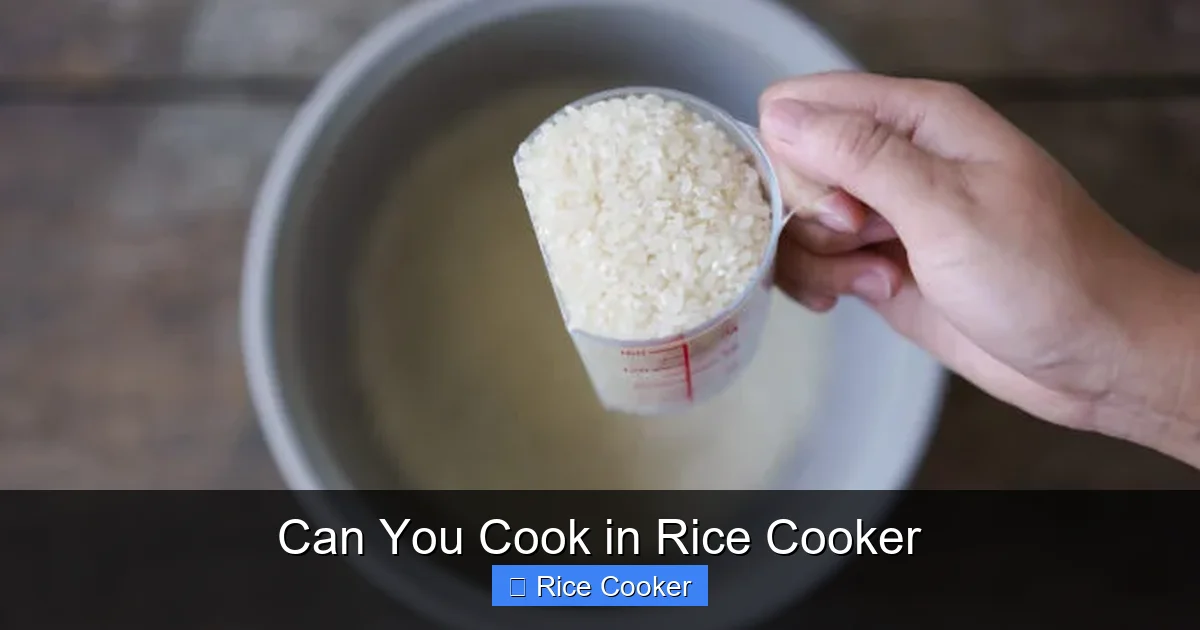
Before diving into recipes, it helps to understand how your rice cooker actually works. Most basic models operate using a thermostat-controlled system: when the internal temperature rises above a certain point, the heating element turns off; once it cools slightly, it turns back on. This cycle continues until the water evaporates and the rice dries out enough to trigger the switch permanently. The result? Perfectly cooked grains every time—without burning or drying out.
Visual guide about Can You Cook in Rice Cooker
Image source: hungryhuy.com
Types of Rice Cookers
Not all rice cookers are created equal. Here’s a quick breakdown of common types:
- Basic Electric Rice Cookers: Simple, affordable, and great for single servings. Ideal for beginners.
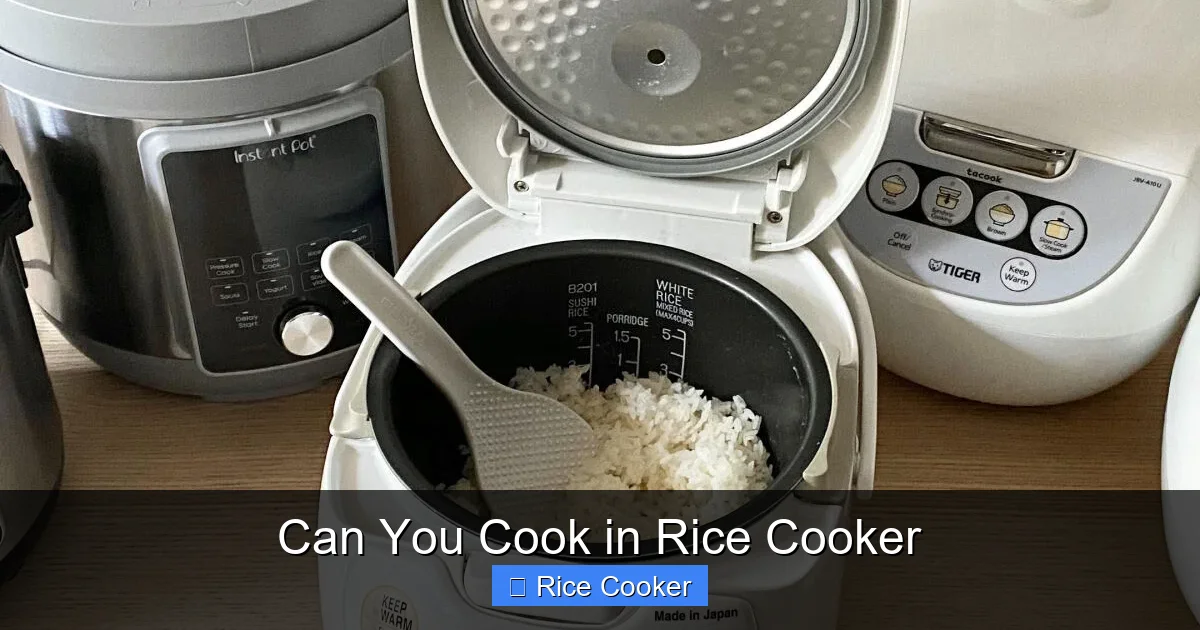
- Multi-Function Models: Include settings for porridge, soup, cake, and slow cooking. Think of them as hybrid rice cooker/slow cooker units.
- Smart Rice Cookers: Wi-Fi enabled, voice-controlled, and programmable via apps. These often come with preloaded recipes and guided cooking modes.
- Induction Heating (IH) Rice Cookers: Use electromagnetic coils for precise temperature control—often yielding superior texture in rice.
Regardless of type, the core principle remains the same: add ingredients, set the mode, and let science do the rest. But knowing your model helps you choose the right approach for non-rice dishes.
Why Cooking Beyond Rice Works
The magic happens because rice cookers mimic the gentle, consistent heat of a covered pot on low flame—minus the babysitting. Because they seal tightly and regulate temperature automatically, they prevent scorching and ensure even cooking. This makes them ideal for foods that benefit from slow, moist heat, like oats, legumes, and baked goods.
Additionally, many rice cookers include a detachable nonstick inner pot, which makes cleanup a breeze. Some even have a built-in steamer tray, letting you cook proteins or vegetables at the same time. That means fewer pots and pans to wash—and less time spent in the kitchen.
Cooking Grains and Cereals: Breakfast Made Easy
One of the easiest ways to expand your rice cooker’s use is by making breakfast staples. Oats, quinoa, barley, and farro all respond beautifully to the rice cooker’s method. Not only do they cook faster than on the stovetop, but they also develop a creamier consistency thanks to the sealed environment.
Visual guide about Can You Cook in Rice Cooker
Image source: helios-i.mashable.com
Perfect Overnight Oats (No Stirring Required)
Skip the jar and try this hands-off version:
- 1 cup rolled oats
- 1 cup milk (dairy or plant-based)
- 1/4 cup chia seeds
- 1 tbsp honey
- Pinch of salt
Combine all ingredients in the rice cooker pot, select “Porridge” or “Cook” mode, and let it run overnight. In the morning, stir and enjoy topped with fruit or nuts.
Fluffy Quinoa Every Time
Quinoa can be tricky on the stove—it tends to clump or turn mushy. But in a rice cooker? It’s foolproof:
- 1 cup quinoa
- 2 cups water or broth
- Pinch of salt
Rinse quinoa first, then combine with liquid in the cooker. Select “Grain” or “White Rice” mode. After cooking, fluff with a fork and serve as a side or base for bowls.
Hearty Barley Soup Base
Use your rice cooker to make a rich, flavorful soup base:
- 1 cup pearl barley
- 6 cups vegetable or chicken broth
- 1 onion, chopped
- 2 carrots, sliced
- 2 celery stalks
Sauté veggies briefly if your model allows (or skip and add raw). Add barley and broth, then cook on “Soup” or “Manual” setting for 45–60 minutes. Finish with beans, kale, or sausage.
Baking Sweet and Savory Dishes: Yes, Really!
You read that right—you can bake cakes, muffins, and even bread in a rice cooker. The key is using the right batter consistency and choosing a pan-safe insert (most modern rice cookers come with one). Just remember: baking requires attention to texture and doneness, so don’t rely solely on the auto-shutoff.
Moist Chocolate Cake in 30 Minutes
This recipe uses a classic box mix but delivers restaurant-quality results:
- 1 box chocolate cake mix
- 1 cup sour cream
- 1/3 cup oil
- 2 large eggs
Mix ingredients according to package directions. Pour into greased rice cooker pot (lined with parchment paper for easy removal). Cover tightly with lid. Cook on “Bake” or “Manual” setting for 25–30 minutes. Test with a toothpick—if it comes out clean, you’re golden.
Savory Cornbread Muffins
Add cheese and jalapeños for a spicy twist:
- 1 1/2 cups cornmeal
- 1 cup flour
- 1 tbsp baking powder
- 1/2 tsp salt
- 1 1/2 cups milk
- 2 eggs
- 1/3 cup melted butter
- 1 cup shredded cheddar
Whisk dry ingredients, then blend wet. Fold in cheese. Bake in rice cooker for 20–25 minutes on “Bake” mode. Cool slightly before serving.
Tips for Baking Success
- Preheat if possible: Some models have a warm-up function—use it to mimic oven readiness.
- Don’t open the lid early: Steam escapes and affects rising.
- Check doneness manually: Use a toothpick or skewer instead of trusting the timer alone.
Steaming and One-Pot Meals: Dinner Simplified
If your rice cooker has a steaming tray, you’re in luck. Steaming locks in nutrients and keeps food tender—ideal for fish, dumplings, or broccoli. Combine steaming with grains or legumes for complete, balanced meals.
Honey-Garlic Salmon with Rice
A healthy, restaurant-style dinner in under an hour:
- 1 salmon fillet
- 2 tbsp honey
- 2 cloves garlic, minced
- 1 tbsp soy sauce
- 1 cup jasmine rice
- 1 cup water
Cook rice first. Meanwhile, mix honey, garlic, and soy sauce. Place salmon on steaming tray, drizzle glaze over it, and steam atop the rice pot for 10–12 minutes (until salmon flakes easily).
Lentil and Vegetable Stew
Forget the slow cooker—this hearty stew cooks fully in 45 minutes:
- 1 cup dried lentils
- 1 onion, diced
- 2 carrots, chopped
- 2 celery stalks
- 4 cups vegetable broth
- 1 tsp cumin
- Handful of spinach
Sauté onions briefly (optional), then add all ingredients except spinach. Cook on “Stew” or “Manual” for 40 minutes. Stir in spinach during last 5 minutes.
Eggs, Desserts, and More: Creative Uses
Believe it or not, rice cookers can scramble, poach, and even fry eggs. They’re also perfect for making custards, puddings, and jams.
Scrambled Eggs Without Sticking
Nonstick pot + low heat = fluffy eggs every time:
- 2 eggs
- 2 tbsp milk
- Pinch of salt
- Butter or oil
Whisk eggs and milk. Melt butter in pot, pour in mixture, and stir gently every 30 seconds. Cook on “Warm” or “Low” setting until set but still soft (about 5 minutes).
Rice Pudding with Cinnamon
A comforting dessert that needs no supervision:
- 1 cup short-grain rice
- 3 cups milk
- 1/2 cup sugar
- 1 cinnamon stick
- Vanilla extract (optional)
Cook on “Porridge” mode for 1 hour, stirring occasionally. Remove cinnamon stick before serving warm with a drizzle of honey.
Safety Tips and Maintenance
While rice cookers are safe and reliable, proper use ensures longevity and food safety.
Always Use the Right Amount of Liquid
Too little liquid risks burning; too much leads to soggy results. Stick to tested ratios—usually 2 parts liquid per 1 part grain unless specified otherwise.
Never Submerge the Base
Only clean the inner pot and any removable parts. Never immerse the heating unit or cord in water.
Avoid Cross-Contamination
Clean the pot thoroughly after cooking strong-smelling foods (like curry or fish) before using for delicate items like cakes or eggs.
Store Properly
Keep the lid and steamer tray dry to prevent mold. Store in a cool, dry place away from direct sunlight.
Conclusion: Your Rice Cooker Is a Hidden Kitchen Hero
So, can you cook in a rice cooker? The answer is a resounding yes—and not just rice. From breakfast porridge to dinner stews and midnight desserts, your rice cooker is a flexible, energy-efficient, and surprisingly capable appliance. With a few simple adjustments and a willingness to experiment, you’ll find yourself reaching for it more often than your stove or oven.
Whether you’re cooking for one or feeding a family, the rice cooker offers a stress-free way to prepare nutritious meals without constant monitoring. Plus, its compact size makes it ideal for small kitchens, dorm rooms, or RVs. So next time you open your cabinet, don’t overlook that humble white box—it might just be your new favorite kitchen tool.
Ready to get started? Begin with a simple oatmeal or quinoa recipe, then gradually try baked goods or soups. Before long, you’ll be impressing friends and family with rice cooker creations they never knew were possible. Happy cooking!
Frequently Asked Questions
Can I cook pasta in a rice cooker?
Yes, but with caveats. Pasta needs high heat and quick cooking, while rice cookers work best with slower methods. If your model has a “Manual” or “Soup” setting, you can cook pasta in boiling water—but it may not brown or crisp like on the stove. For best results, use a pasta maker or stovetop.
Is it safe to cook meat in a rice cooker?
Absolutely. As long as the meat reaches a safe internal temperature (165°F for poultry, 145°F for beef/pork), it’s perfectly safe. Use the steaming tray for fish or lean cuts, or cook tougher meats like chuck roast in liquid on the “Stew” setting for tender results.
Can I leave my rice cooker unattended?
Yes—that’s one of their biggest advantages! Most models automatically switch to “Warm” mode after cooking, keeping food at a safe temperature for hours. However, avoid leaving perishable foods like eggs or dairy unrefrigerated for more than 2 hours.
Do I need special ingredients for non-rice cooking?
Nope! Standard rice cooker-safe ingredients work fine. Just adjust liquid amounts and cooking times based on the recipe. Avoid overly thick batters or dry mixes that could scorch.
How do I prevent my rice cooker from smelling?
Strong odors (like fish or garlic) can linger if not cleaned properly. Always rinse the inner pot immediately after use, and run a cycle with vinegar-water (1:1) once a month to neutralize lingering smells.
Can children use a rice cooker safely?
Yes, with supervision. Basic models are simple to operate—just press “Cook” and wait. Keep cords away from water, and teach kids not to touch the hot exterior. Multi-function models with buttons require more caution but are still user-friendly for older children.