
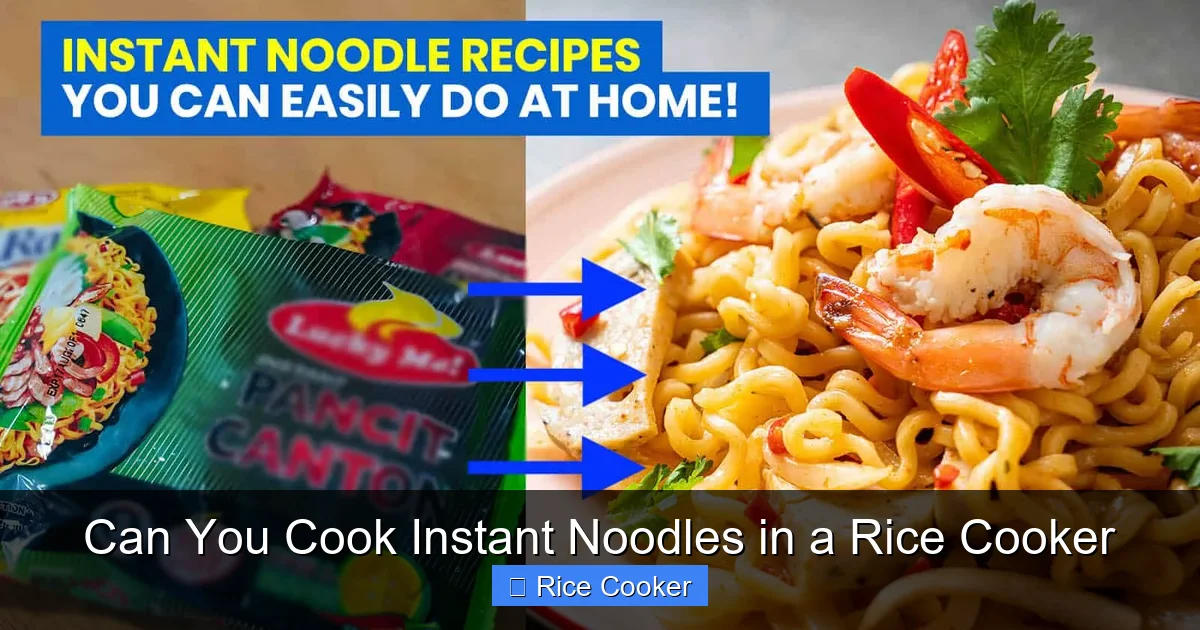
Yes, you can cook instant noodles in a rice cooker, and it’s easier than you think. With just a few simple steps, you can enjoy fluffy noodles with even distribution of sauce and seasoning. Whether you’re short on time or want a hands-off method, using a rice cooker for instant noodles offers convenience without sacrificing taste.
Key Takeaways
- It’s possible and practical: A rice cooker works well for cooking instant noodles due to its consistent heat and automatic shutoff.
- Improved texture and flavor: Cooking noodles in a rice cooker helps absorb more sauce and results in a softer, more evenly cooked noodle texture.
- Time-saving: You save time by not having to monitor the stove, as the rice cooker handles everything automatically.
- Versatile for customization: You can add vegetables, proteins, or extra seasonings for a more balanced meal.
- Safety and clean-up: Using a rice cooker is safer than boiling water on the stove and makes cleaning up afterward much easier.
- Works with most brands: Most standard rice cookers support this method, but avoid non-stick models unless recommended by the manufacturer.
- Best for single servings: It’s ideal for one or two people, especially when you want a quick, no-fuss meal.
📑 Table of Contents
- Can You Cook Instant Noodles in a Rice Cooker?
- The Science Behind Cooking Instant Noodles in a Rice Cooker
- Step-by-Step Guide: How to Cook Instant Noodles in a Rice Cooker
- Tips for Perfect Rice Cooker Instant Noodles
- Common Mistakes to Avoid
- Creative Variations Beyond Basic Ramen
- Frequently Asked Questions About Cooking Instant Noodles in a Rice Cooker
- Final Thoughts: Why Every Home Cook Should Try This Method
Can You Cook Instant Noodles in a Rice Cooker?
Have you ever been craving instant noodles but didn’t feel like dealing with a pot of boiling water? Or maybe you’re tired of watching the timer on the stovetop while the noodles risk sticking or overcooking? If so, you’re in luck—because cooking instant noodles in a rice cooker is not only possible but also surprisingly effective. In fact, many home cooks have discovered that using a rice cooker gives their instant noodles a better texture and more evenly distributed flavor.
Instant noodles are a kitchen staple for good reason: they’re fast, affordable, and satisfying. But let’s be honest—sometimes the traditional method of boiling them on the stove leads to uneven cooking or soggy noodles. That’s where the humble rice cooker comes in. With its precise temperature control and automatic shut-off feature, a rice cooker can do more than just cook grains. It can transform your go-to comfort food into something even more convenient and delicious.
In this article, we’ll walk you through everything you need to know about cooking instant noodles in a rice cooker. From preparation tips to creative meal ideas, you’ll learn how to turn a simple noodle packet into a full-flavored dish with minimal effort. So grab your rice cooker, unwrap that package of ramen, and let’s get cooking!
The Science Behind Cooking Instant Noodles in a Rice Cooker
How Heat and Moisture Work Together
At its core, cooking noodles—whether in a pot or a rice cooker—relies on two key elements: heat and moisture. When you add hot water to instant noodles, the starch in the noodles begins to gelatinize, transforming from raw dough into soft, chewy strands. The rice cooker mimics this process beautifully because it maintains a steady temperature, usually around 100°C (212°F), which is perfect for boiling water and cooking noodles.
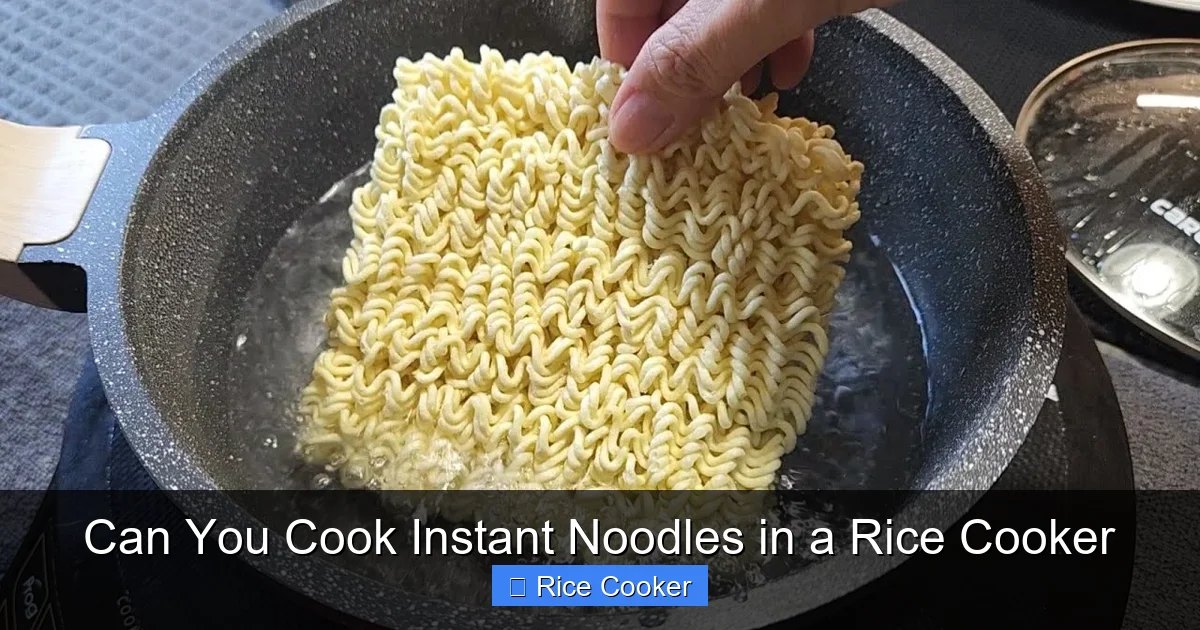
Visual guide about Can You Cook Instant Noodles in a Rice Cooker
Image source: i.ytimg.com
Unlike a stove, where heat fluctuates depending on the flame or burner setting, a rice cooker provides consistent warmth. This consistency prevents the noodles from burning at the bottom or staying undercooked at the top. Plus, the sealed environment traps steam, helping the noodles absorb more of the flavoring liquid. As a result, you get noodles that are tender, evenly seasoned, and bursting with flavor.
Why People Are Making the Switch
More and more people are turning to their rice cookers for everyday meals beyond just rice. One popular reason is convenience—especially during busy weekdays. Instead of juggling multiple pots and pans, you can prepare a complete meal in one appliance. Another benefit is safety. Boiling water on the stove can lead to spills or burns, whereas a rice cooker sits safely on the counter and shuts off automatically.
Additionally, some users report that rice cooker-cooked noodles have a creamier texture and richer taste. This is because the noodles are submerged in hot water the entire time, allowing them to soak up the seasoning packets more thoroughly. It’s like getting double the flavor in half the time.
Step-by-Step Guide: How to Cook Instant Noodles in a Rice Cooker
What You’ll Need
Before you begin, gather these simple items:
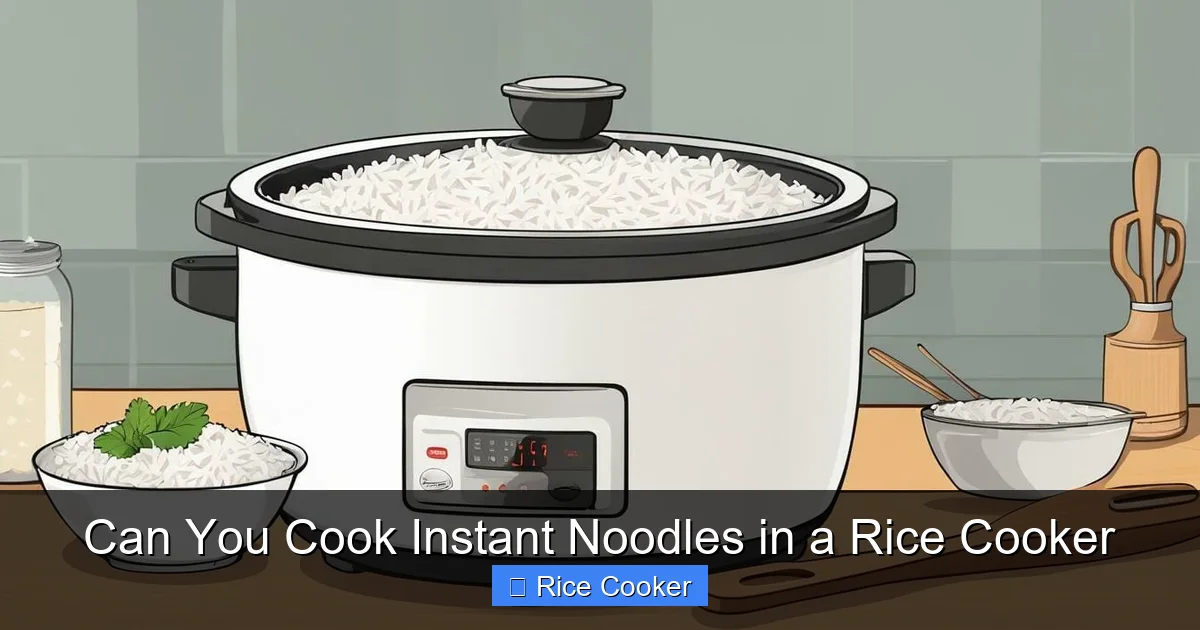
Visual guide about Can You Cook Instant Noodles in a Rice Cooker
Image source: ricearray.org
- A standard rice cooker with a removable inner pot
- Instant noodle package (any brand or flavor)
- Water (about 1 cup per serving)
- A fork or chopsticks (for stirring)
- Optional: vegetables, eggs, or protein for added nutrition
Step 1: Prepare Your Rice Cooker
Start by rinsing out the inner pot of your rice cooker with warm water. Make sure it’s clean and dry before adding ingredients. Avoid using soap if your pot has a non-stick coating—just wash it gently by hand.
If you’re using a newer rice cooker with a delay timer or keep-warm function, now’s the time to set it. Otherwise, proceed to the next step.
Step 2: Add Water
Pour approximately 1 cup of cold water into the inner pot. The amount may vary slightly depending on the size of your rice cooker and how much noodle you’re making, but 1 cup is usually sufficient for one serving. Too little water risks burning; too much makes the broth thin.
Pro tip: Use filtered water for cleaner taste, especially if you plan to reuse your rice cooker for other dishes later.
Step 3: Place Noodles in the Pot
Tear open the instant noodle package and remove the dried noodles. Break them gently if needed so they fit comfortably in the pot. Do not pre-soak the noodles—add them dry directly into the water.
Be careful not to overcrowd the pot. If you’re making two servings, use 1.5 cups of water instead of doubling everything, which could dilute the flavor.
Step 4: Add the Seasoning Packet
Open the seasoning packet(s) and sprinkle the contents into the pot. Stir lightly to distribute the powder evenly. Some recipes suggest dissolving the seasoning in a small amount of warm water first, then pouring it in—this can help prevent clumping.
If you prefer less sodium, consider reducing the amount of seasoning or skipping it altogether and replacing it with soy sauce, garlic powder, or chili flakes.
Step 5: Start the Cooking Process
Close the lid firmly and press the “Cook” or “Start” button. Most rice cookers will take about 5–7 minutes to bring the water to a boil and cook the noodles. Once the cycle completes, the machine will switch to “Keep Warm” mode.
Let the noodles sit for another minute or two after cooking. This allows residual heat to finish softening any stubborn strands and lets the flavors meld together.
Step 6: Serve Immediately
Carefully lift the lid (watch out for steam!) and stir the noodles gently with a fork or chopsticks. Taste and adjust seasoning if desired. Then serve hot straight from the pot.
For an even tastier experience, garnish with chopped green onions, a drizzle of sesame oil, or a soft-boiled egg cracked on top.
Tips for Perfect Rice Cooker Instant Noodles
Choose the Right Rice Cooker
Not all rice cookers are created equal. While most standard models work fine for instant noodles, avoid using older or heavily scratched non-stick pots if they aren’t meant for high-heat cooking. Some modern rice cookers come with specialized settings like “noodle” or “porridge,” but these are rarely necessary—most just need regular “cook” mode.
If you have a smart rice cooker connected to an app, you might even find preset recipes for instant noodles online. These can help automate the process further.
Customize Your Meal
One of the biggest advantages of using a rice cooker is the ability to build a complete meal in one bowl. Try adding frozen edamame, sliced mushrooms, baby spinach, or diced chicken during the last minute of cooking. The heat will thaw and warm the ingredients without requiring additional pots.
Another fun idea: crack an egg directly into the pot during the final 30 seconds of cooking. The residual heat will cook it into a soft omelet-style topping.
Clean-Up Made Easy
After eating, rinse the inner pot immediately with warm water. Most residue should come off easily without scrubbing. Avoid abrasive sponges that could damage non-stick surfaces. For stubborn spots, soak the pot in warm, soapy water for 10–15 minutes before wiping clean.
Common Mistakes to Avoid
Overfilling the Pot
Using too much water or too many noodles can lead to a weak broth and mushy noodles. Stick to the recommended ratios unless you’re experimenting with larger quantities.
Skipping the Stirring Step
Even though the rice cooker cooks evenly, occasional stirring ensures the noodles don’t clump together. A quick mix after opening the lid goes a long way.
Ignoring the Seasoning Timing
Adding the seasoning too early or too late can affect flavor distribution. Best practice is to add it right after placing the noodles in the water and before closing the lid.
Using Low-Quality Noodles
While any brand works, higher-quality instant noodles often yield better results. Look for those with fewer additives and natural ingredients if you want a cleaner taste.
Creative Variations Beyond Basic Ramen
Miso Ramen
Instead of using the original seasoning packet, dissolve white or red miso paste in a bit of warm water before adding it to the pot. Top with corn kernels, nori strips, and scallions for an authentic Japanese twist.
Spicy Korean Style
Add gochugaru (Korean chili powder), a splash of gochujang, and a teaspoon of honey to the water. Include kimchi or bulgogi beef shreds for a bold, savory kick.
Vegetarian Delight
Skip the meat-based seasoning and replace it with vegetable broth, soy sauce, garlic, ginger, and a sprinkle of nutritional yeast. Load up on bok choy, carrots, and tofu cubes.
Breakfast Noodles
Make a morning version by adding scrambled eggs, smoked salmon, and a dash of Everything Bagel Seasoning to the finished noodles. It’s hearty, flavorful, and ready in under 10 minutes.
Frequently Asked Questions About Cooking Instant Noodles in a Rice Cooker
Do I need special rice cooker settings for instant noodles?
No, most standard rice cookers use the same “cook” mode for instant noodles as they do for rice. You don’t need a special program unless your model includes one labeled for noodles.
Can I cook multiple servings at once?
Yes, but increase water accordingly and stir occasionally to prevent sticking. Just ensure the pot isn’t overfilled—leave room for expansion.
Will the noodles stick to the bottom?
Stickiness is rare if you use enough water and stir after cooking. If your pot is old or damaged, consider replacing it to avoid burnt noodles.
Is it healthier than stove-top cooking?
Potentially yes—since you’re not frying noodles beforehand, and you have more control over added ingredients. Just watch sodium levels from the seasoning packets.
Can I reuse the inner pot for rice afterward?
Absolutely! As long as there’s no visible residue or odor, you can continue using it for rice, porridge, or steamed vegetables.
What if my rice cooker doesn’t have a keep-warm function?
That’s okay! Once the noodles are done, transfer them to a bowl and cover with a lid or plate to retain heat. They’ll stay warm for several minutes.
Final Thoughts: Why Every Home Cook Should Try This Method
Cooking instant noodles in a rice cooker isn’t just a clever hack—it’s a game-changer for anyone looking to simplify their meals without sacrificing quality. Whether you’re a college student, a busy parent, or someone who simply loves comfort food, this technique saves time, reduces cleanup, and delivers consistently tasty results.
Plus, it opens the door to endless creativity. Want a creamy carbonara-style noodle? Add Parmesan and butter at the end. Craving Thai curry? Mix in coconut milk and red curry paste. The possibilities are truly limitless.
So next time hunger strikes and you reach for that instant noodle package, remember: your rice cooker is ready to help. With just water, noodles, and flavor, you can turn a basic snack into a satisfying, customizable meal—all while keeping your kitchen tidy and your hands safe.
Give it a try tonight. You might just discover your new favorite way to eat noodles.
Frequently Asked Questions
Do I need special rice cooker settings for instant noodles?
No, most standard rice cookers use the same “cook” mode for instant noodles as they do for rice. You don’t need a special program unless your model includes one labeled for noodles.
Can I cook multiple servings at once?
Yes, but increase water accordingly and stir occasionally to prevent sticking. Just ensure the pot isn’t overfilled—leave room for expansion.
Will the noodles stick to the bottom?
Stickiness is rare if you use enough water and stir after cooking. If your pot is old or damaged, consider replacing it to avoid burnt noodles.
Is it healthier than stove-top cooking?
Potentially yes—since you’re not frying noodles beforehand, and you have more control over added ingredients. Just watch sodium levels from the seasoning packets.
Can I reuse the inner pot for rice afterward?
Absolutely! As long as there’s no visible residue or odor, you can continue using it for rice, porridge, or steamed vegetables.
What if my rice cooker doesn’t have a keep-warm function?
That’s okay! Once the noodles are done, transfer them to a bowl and cover with a lid or plate to retain heat. They’ll stay warm for several minutes.