
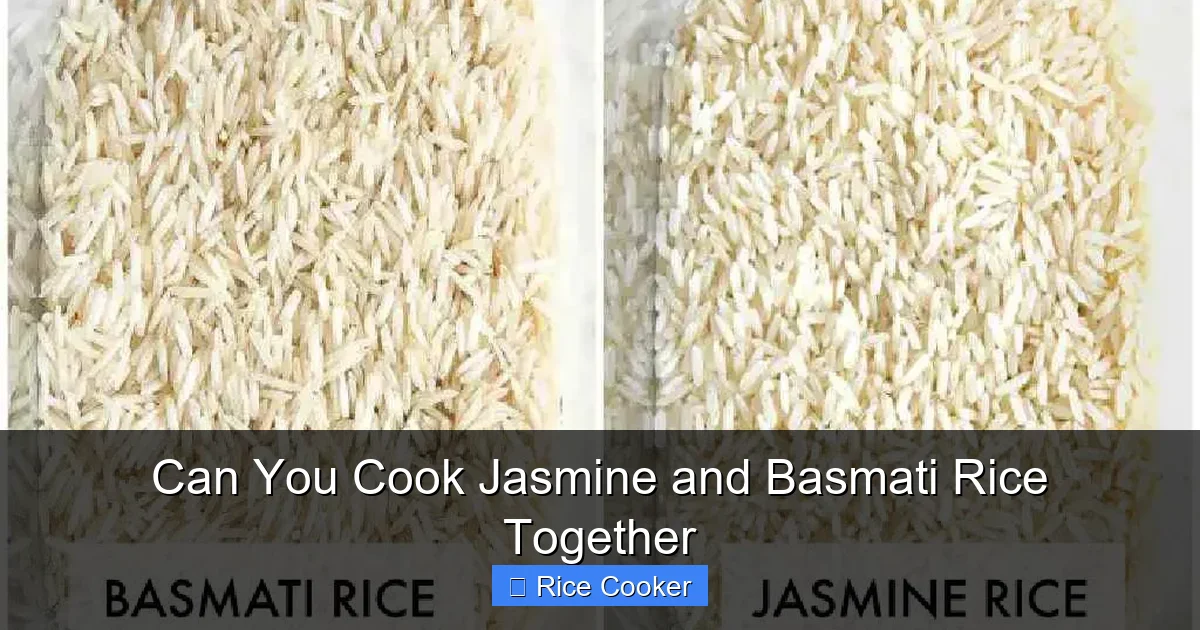
Yes, you can cook jasmine and basmati rice together, but success depends on proper preparation and cooking techniques. Both are aromatic long-grain varieties with similar cooking times, making them compatible for blending. For the best flavor and texture, rinse the grains, use a 1:1 ratio, and adjust water slightly.
Key Takeaways
- Compatibility: Jasmine and basmati rice can be cooked together because they have similar grain structure and cooking requirements.
- Rinsing is essential: Always rinse both types before cooking to remove excess starch and prevent clumping.
- Water ratio matters: Use slightly more water for jasmine rice due to its stickier nature, typically 1.5 cups per cup of rice.
- Flavor enhancement: Combining both adds complexity—jasmine offers floral notes, while basmati brings nuttiness and fluffiness.
- Cooking method: A standard rice cooker works well, but soaking jasmine rice briefly improves texture.
- Storage & reheating: Cooked mixed rice keeps well for up to 3–4 days and reheats nicely with a splash of water.
- Best pairings: Great with curries, stir-fries, or as a side dish with grilled meats or vegetables.
📑 Table of Contents
- Can You Cook Jasmine and Basmati Rice Together?
- Understanding Jasmine and Basmati Rice
- Why Combine Jasmine and Basmati Rice?
- How to Cook Jasmine and Basmati Rice Together: Step-by-Step Guide
- Tips for Perfect Mixed Rice Every Time
- Storing and Reheating Leftovers
- Frequently Asked Questions
- Conclusion: Embrace the Blend
Can You Cook Jasmine and Basmati Rice Together?
If you’re a fan of Asian cuisine or simply enjoy experimenting in the kitchen, you might be wondering whether it’s possible—and even beneficial—to cook jasmine and basmati rice together. These two beloved grains are staples across cultures, each bringing its own unique aroma and texture to dishes. But when mixed? Does harmony or chaos result?
In this article, we’ll walk through everything you need to know about combining jasmine and basmati rice in your rice cooker. From understanding their differences to mastering the perfect blend, you’ll learn how to create delicious, fluffy, and aromatic meals that surprise and delight. Whether you’re feeding a family or impressing dinner guests, this guide will help you make informed choices—and serve up rice that tastes like magic.
Understanding Jasmine and Basmati Rice
The Origins and Characteristics of Each Grain
Before diving into cooking techniques, let’s get familiar with what makes jasmine and basmati rice special. Though both belong to the Oryza sativa species (indica variety), they come from different regions and thrive under distinct growing conditions.
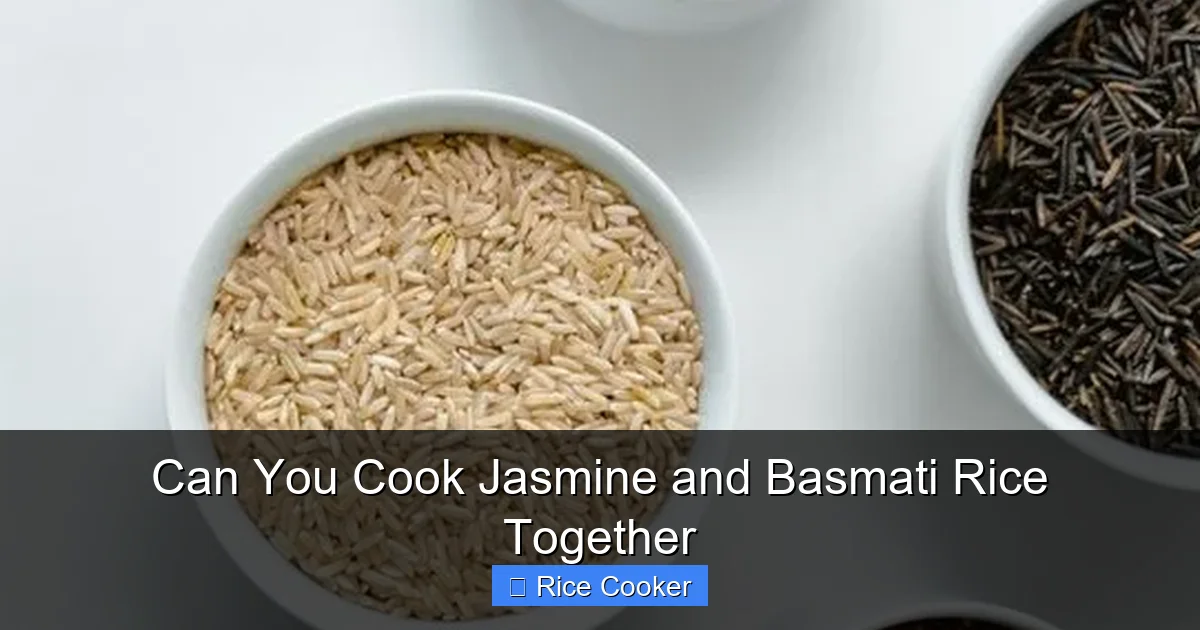
Visual guide about Can You Cook Jasmine and Basmati Rice Together
Image source: ediblenosh.com
Jasmine rice hails from Thailand and neighboring countries in Southeast Asia. Known for its delicate floral scent—often described as resembling jasmine blossoms—it has a soft, slightly sticky texture when cooked. This stickiness comes from higher amylopectin content, which also gives it a creamy mouthfeel. Jasmine rice typically cooks faster than other long-grains, usually within 15–18 minutes after boiling.
Basmati rice, on the other hand, originates from the Indian subcontinent, particularly northern India and Pakistan. It’s celebrated for its slender grains that elongate during cooking and develop a nutty, fragrant aroma. Unlike jasmine, basmati is drier and less sticky, with a fluffy, separate-grain texture. Its low starch levels contribute to this light, airy consistency. Standard basmati takes about 18–20 minutes to cook fully.
Similarities That Make Mixing Possible
Despite their differences, jasmine and basmati share several traits that make them ideal candidates for blending:
- Long-grain structure: Both produce individual, non-sticky grains when properly rinsed and cooked.
- Aromatic profiles: Neither relies on added spices; instead, their natural fragrance shines through.
- Similar hydration needs: While not identical, both require around 1.5 to 1.75 cups of water per cup of uncooked rice.
- Complementary textures: When balanced correctly, they enhance each other—jasmine adds silkiness, basmati provides lift.
This compatibility means you don’t need complex equipment or advanced techniques to mix them successfully. A standard rice cooker does the heavy lifting!
Why Combine Jasmine and Basmati Rice?
Flavor Complexity and Aroma
One of the biggest reasons to cook these two rices together is the explosion of flavor. Imagine taking a bite of perfectly steamed rice and suddenly catching hints of blooming flowers (from jasmine) alongside warm, earthy notes (from basmati). The result isn’t just tasty—it’s memorable.
Visual guide about Can You Cook Jasmine and Basmati Rice Together
Image source: insanelygoodrecipes.com
When combined in equal parts, the floral sweetness of jasmine tempers the robust nuttiness of basmati, creating a well-rounded profile that pairs beautifully with bold flavors like curry, soy sauce, or lemon. Even plain steamed rice becomes more interesting when layered with subtle nuances.
Texture Contrast and Balance
Texture plays a huge role in how satisfying a dish feels in your mouth. Pure jasmine can sometimes be too soft or gluey if overcooked; pure basmati may feel too dry or chalky if undercooked. By mixing them, you achieve a Goldilocks zone—fluffy yet tender, separate yet cohesive.
For example, try serving this blend with a spicy Thai green curry. The jasmine softens the heat slightly, while the basmati stands up to the sauce without falling apart. It’s a win-win for both palate and plate presentation.
Cultural Fusion and Versatility
Mixing these rices also reflects the global nature of modern cooking. Many restaurants and home chefs layer ingredients from different traditions to create fusion dishes that honor heritage while innovating. Think of biryanis, pilafs, or even sushi rolls where rice acts as a canvas.
Using jasmine and basmati together lets you explore cuisines beyond your comfort zone—whether you’re making Vietnamese pho with jasmine rice noodles or Indian korma served over basmati-jasmine pilaf.
How to Cook Jasmine and Basmati Rice Together: Step-by-Step Guide
Choosing the Right Ratios
The key to success lies in balance. Most recipes call for equal parts jasmine and basmati by volume. So, if you’re using 1 cup total, measure out ½ cup of each. Some chefs prefer a 60/40 split (more basmati for fluffiness), but start simple and adjust later.
Rinsing and Soaking Tips
Always rinse both types under cold running water until the water runs clear. This removes surface starch that causes clumping and dulls flavor. For extra tenderness, soak jasmine rice for 20–30 minutes beforehand—but skip soaking basmati, as it can lead to mushiness.
Setting Up Your Rice Cooker
- Add rinsed rice to the inner pot.
- Measure water carefully: Use 1.5 cups per cup of combined rice (so 1.5 cups for 1 cup total).
- Add a pinch of salt if desired.
- Close lid and select the “White Rice” or “Normal” setting.
Most electric rice cookers automatically switch to “Keep Warm” once done—don’t open the lid early! Let it rest for 5–10 minutes before fluffing gently with a fork.
Troubleshooting Common Mistakes
- Gummy texture? You used too much water or didn’t rinse enough. Next time, reduce water by ¼ cup and double-rinse.
- Dry, crumbly rice? Underwatered or rushed. Add 2 tablespoons of water at a time until grains are moist but not soggy.
- Uneven cooking? Stir once halfway through (if using stovetop), but avoid doing so in a rice cooker—it disrupts steam pressure.
Tips for Perfect Mixed Rice Every Time
Prep Like a Pro
Consistency starts with preparation. Use measuring cups designed for dry ingredients (not liquid ones), and never pack down the rice when scooping. Freshness matters too—store grains in airtight containers away from light and heat to preserve aroma.
Experiment with Add-ins
Want to take your mixed rice to the next level? Try adding:
– A pat of butter or ghee for richness
– A squeeze of lime juice post-cooking for brightness
– Toasted sesame seeds for crunch
– Chopped herbs like cilantro or mint for freshness
Just add these toward the end to avoid overpowering the delicate balance.
Pairing Suggestions
Here are some foolproof combos:
– Thai red curry + jasmine-basmati blend
– Indian butter chicken + basmati-heavy mix
– Mexican black bean stew + equal-parts version
– Japanese teriyaki salmon + jasmine-dominant rice
The beauty of mixing is flexibility—adjust ratios based on your main course!
Storing and Reheating Leftovers
Proper storage ensures your mixed rice stays fresh and edible for days. Transfer cooled rice to an airtight container and refrigerate immediately. It’ll keep for 3–4 days. For longer shelf life, freeze portions in small batches (up to 2 months).
Reheat gently on the stove with a splash of water or broth, covering the pot loosely to retain moisture. Microwave works too—just stir between intervals to redistribute heat evenly.
Frequently Asked Questions
Will cooking jasmine and basmati rice together change their taste significantly?
Not drastically—but yes, in a good way. The floral notes of jasmine blend subtly with the nutty depth of basmati, creating a richer overall flavor. If you prefer one taste over the other, adjust the ratio accordingly.
Can I substitute brown versions of these rices?
Technically yes, but brown jasmine and brown basmati have longer cooking times and different water ratios. Brown rice requires about 2 cups of water per cup of grain and takes 40–50 minutes to cook. Stick to white rice for easier mixing.
Do I need special equipment to mix them?
Nope! Any standard rice cooker handles both types without issue. Avoid pressure cookers unless specifically labeled for multiple grains—they can alter texture unpredictably.
Is it better to cook them separately?
Only if you want absolute control over each grain’s texture. Separately allows precise adjustments per type, but combined offers convenience and synergistic flavor. Try both methods to see what you prefer.
Can I add seasonings during cooking?
Absolutely. A bay leaf, star anise, or cardamom pod adds warmth. Just ensure even distribution—spread them evenly among the rice before adding water.
What’s the best way to fluff the finished rice?
Use a gentle sawing motion with a fork—never mash! This preserves the integrity of the grains while breaking up any clumps formed during resting.
Conclusion: Embrace the Blend
Cooking jasmine and basmati rice together isn’t just possible—it’s an invitation to creativity. With their complementary textures, aromas, and cooking behaviors, these two stars shine brightest when paired. Whether you’re aiming for restaurant-quality sides or everyday comfort food, mastering this technique puts you ahead.
Remember: rinsing, timing, and patience are your allies. Start with equal parts, trust your senses, and don’t be afraid to tweak next time. Soon, you’ll find yourself reaching for that mixed bowl before you even think about separating the grains.
So go ahead—grab your rice cooker, measure those grains, and let the magic begin. Your taste buds (and dinner guests) will thank you.
Frequently Asked Questions
Will cooking jasmine and basmati rice together change their taste significantly?
Not drastically—but yes, in a good way. The floral notes of jasmine blend subtly with the nutty depth of basmati, creating a richer overall flavor. If you prefer one taste over the other, adjust the ratio accordingly.
Can I substitute brown versions of these rices?
Technically yes, but brown jasmine and brown basmati have longer cooking times and different water ratios. Brown rice requires about 2 cups of water per cup of grain and takes 40–50 minutes to cook. Stick to white rice for easier mixing.
Do I need special equipment to mix them?
Nope! Any standard rice cooker handles both types without issue. Avoid pressure cookers unless specifically labeled for multiple grains—they can alter texture unpredictably.
Is it better to cook them separately?
Only if you want absolute control over each grain’s texture. Separately allows precise adjustments per type, but combined offers convenience and synergistic flavor. Try both methods to see what you prefer.
Can I add seasonings during cooking?
Absolutely. A bay leaf, star anise, or cardamom pod adds warmth. Just ensure even distribution—spread them evenly among the rice before adding water.
What’s the best way to fluff the finished rice?
Use a gentle sawing motion with a fork—never mash! This preserves the integrity of the grains while breaking up any clumps formed during resting.