

Can you cook jasmine rice in a rice cooker? Absolutely! This simple kitchen appliance makes cooking jasmine rice quick, consistent, and foolproof. With the right water-to-rice ratio and a few helpful tips, your rice cooker delivers perfectly fluffy, fragrant jasmine rice every time—no chef required.
Key Takeaways
- Yes, you can cook jasmine rice in a rice cooker: It’s one of the most common and reliable methods for achieving evenly cooked, fluffy rice.
- Use the correct water ratio: The standard is 1:1.5 (rice to water), but adjust slightly based on your cooker’s performance and rice texture preferences.
- Wash the rice first: Rinsing removes excess starch, preventing clumping and ensuring each grain stays separate and tender.
- Let it rest after cooking: Resting for 5–10 minutes allows steam to distribute evenly, making fluffing easier and improving texture.
- Choose the right cooker: A high-quality rice cooker with fuzzy logic or induction heating ensures more consistent results than basic models.
- Experiment with flavors: Add broth instead of water, toss in herbs, or stir in coconut milk for creative, delicious variations.
Quick Answers to Common Questions
Can I use any type of jasmine rice in a rice cooker?
Yes, as long as it’s labeled “jasmine rice.” Brown jasmine rice may require longer cooking times, so check your cooker’s manual for adjustments.
Do I need to soak jasmine rice before cooking?
No, soaking isn’t necessary for jasmine rice. Rinsing is sufficient and more important for removing excess starch.
Can I cook jasmine rice in a regular pot instead?
Absolutely. Bring 1.5 cups water to a boil, add rice, reduce heat, cover, and simmer for 15–18 minutes. But a rice cooker is far less hands-on.
Is jasmine rice healthier than white rice?
Both provide similar calories and carbs. Jasmine rice has a slightly higher glycemic index, so moderation is key regardless of type.
Can I freeze cooked jasmine rice?
Yes, store cooled rice in an airtight container for up to 3 months. Reheat gently with a splash of water to restore softness.
📑 Table of Contents
- Introduction
- What Is Jasmine Rice?
- Can You Really Cook Jasmine Rice in a Rice Cooker?
- How to Cook Jasmine Rice in a Rice Cooker: Step-by-Step Guide
- Tips for Perfect Jasmine Rice Every Time
- Choosing the Right Rice Cooker for Jasmine Rice
- Creative Ways to Serve Jasmine Rice
- Troubleshooting Common Issues
- Conclusion
Introduction
If you’ve ever stood over a pot of rice, stirring constantly and worried about burning the bottom while hoping the top doesn’t stay crunchy, you’re not alone. Cooking rice perfectly—especially delicate varieties like jasmine—can feel like a science experiment. But what if I told you there’s an easy, hands-off way to get restaurant-quality jasmine rice at home? Enter the humble rice cooker.
Jasmine rice is beloved around the world for its fragrant, floral aroma and soft, slightly sticky texture when cooked. Whether you’re serving it as a side dish, using it in Thai curries, or enjoying it plain with grilled meats, getting it right makes all the difference. And guess what? You don’t need special skills or expensive equipment—just a good rice cooker and the right technique.
In this article, we’ll walk through everything you need to know about cooking jasmine rice in a rice cooker. From measuring ingredients to selecting the best cooker model, and even how to elevate your rice with extra flavor, we’ve got you covered. So grab your measuring cup, rinse that rice, and let’s get cooking!
What Is Jasmine Rice?
Before diving into the cooking process, it’s important to understand what makes jasmine rice unique. Jasmine rice, also known as Thai jasmine rice, is a long-grain variety that originates from Thailand. It’s characterized by its slender grains and naturally occurring aromatic compounds that give off a sweet, floral scent—almost like jasmine flowers—when cooked.
Visual guide about Can You Cook Jasmine Rice in a Rice Cooker
Image source: ricearray.org
The Science Behind the Scent
The fragrance of jasmine rice comes from a natural oil called 2-acetyl-1-pyrroline (2-AP). When heated, this compound releases a pleasant, nutty aroma that sets jasmine rice apart from other types like basmati or white long-grain rice. Because this scent is so delicate, it’s essential to use high-quality jasmine rice and avoid washing it too vigorously, which can strip away some of the flavor.
Texture and Cooking Behavior
Unlike short-grain or sushi rice, jasmine rice has a moderate amylopectin content, meaning it tends to be softer and slightly stickier when cooked. However, with proper rinsing and water ratios, it still remains mostly separate and fluffy—ideal for pairing with bold flavors without becoming mushy.
Can You Really Cook Jasmine Rice in a Rice Cooker?
The short answer? Yes—and it’s probably the easiest way to make perfect jasmine rice at home. Modern rice cookers are designed specifically to handle different rice types, including jasmine, thanks to temperature control and steaming mechanisms that mimic traditional stovetop methods.
Visual guide about Can You Cook Jasmine Rice in a Rice Cooker
Image source: expertreviewsbestricecooker.com
Why Use a Rice Cooker?
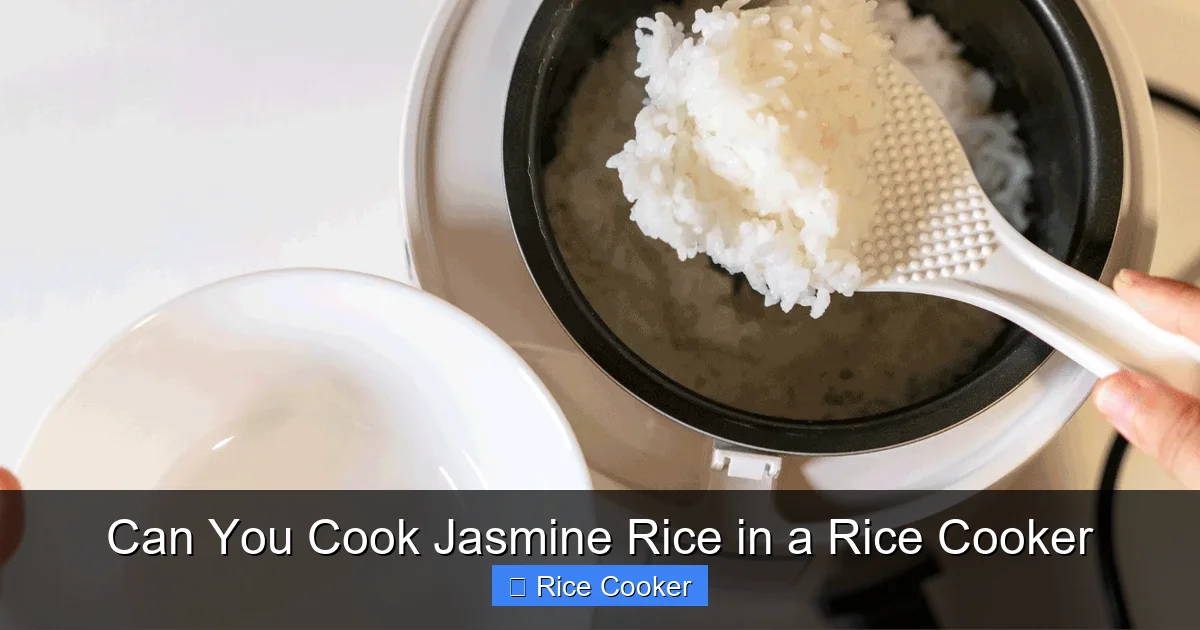
Rice cookers eliminate guesswork. Once you add rice and water, the machine does the rest. It heats the mixture to just below boiling, then switches to a warm setting once the water is absorbed. This prevents scorching and ensures even cooking throughout. Many advanced models even have preset modes for jasmine rice, though even basic ones work well if you follow the right steps.
Common Misconceptions
Some people worry that their rice cooker won’t work for jasmine rice because it feels “stickier” than other grains. But that’s actually a myth. As long as you rinse the rice properly and use the correct water ratio, your jasmine rice will come out light, fluffy, and fragrant—no special settings needed.
How to Cook Jasmine Rice in a Rice Cooker: Step-by-Step Guide
Ready to make perfect jasmine rice? Follow these simple steps for foolproof results every time.
Step 1: Measure Your Ingredients
For one cup of uncooked jasmine rice, you’ll need 1.5 cups of water. This is the standard 1:1.5 ratio. If you prefer softer rice, increase water to 1.75 cups; for firmer grains, reduce to 1.25 cups.
Step 2: Rinse the Rice
Place the rice in a fine-mesh strainer and rinse under cold running water until the water runs clear. This removes excess starch that causes clumping. Gently swirl the rice with your fingers—don’t scrub too hard, or you might break the grains.
Step 3: Add Rice and Water to the Cooker
Transfer the rinsed rice to the inner pot of your rice cooker. Pour in the measured water. Make sure the water level is visible above the rice (about half an inch) to prevent dry spots.
Step 4: Close the Lid and Start Cooking
Plug in your rice cooker, close the lid securely, and press the “Cook” button. Most models automatically switch to “Keep Warm” once cooking is complete—usually within 20–30 minutes.
Step 5: Let It Rest
Once the cycle ends, let the rice sit for 5–10 minutes with the lid closed. This allows residual heat to finish cooking the center grains and lets moisture redistribute evenly.
Step 6: Fluff and Serve
Open the lid and gently fluff the rice with a fork. Avoid stirring too aggressively, or you’ll crush the delicate grains. Serve immediately for best texture and aroma.
Tips for Perfect Jasmine Rice Every Time
Even experienced cooks can benefit from a few pro tips to take their jasmine rice from good to great.
Use Room Temperature Water
Cooking with cold water can slow down the absorption process, leading to uneven texture. Using room-temperature water helps the rice cook more uniformly.
Don’t Skip the Resting Period
This step is crucial. Skipping the rest means you’re likely to end up with a dense, uneven batch. Patience pays off!
Check Your Water Level
Too little water leads to dry, chalky rice. Too much makes it gummy. Use a measuring cup for accuracy, or check your cooker’s manual for recommended levels.
Avoid Opening the Lid During Cooking
Every time you lift the lid, heat escapes, disrupting the cooking process. Trust your cooker—it knows what it’s doing.
Fluff Gently
Use a wide spatula or fork to lift and turn the rice lightly. Overmixing breaks the grains and turns fluffy rice into paste.
Choosing the Right Rice Cooker for Jasmine Rice
Not all rice cookers are created equal. While any functioning model can cook jasmine rice, certain features improve consistency and ease of use.
Basic vs. Advanced Models
Entry-level rice cookers use simple heating elements and may vary in performance. High-end models feature fuzzy logic, induction heating, or multiple cooking programs—including dedicated jasmine rice settings—that adjust timing and temperature for optimal results.
Capacity Matters
If you often cook large batches, choose a 6-cup (uncooked) or larger model. Smaller units may require scaling recipes down and risk inconsistent heating.
Non-Stick Inner Pots Are Key
A smooth, non-stick surface prevents rice from sticking and makes cleanup effortless. Stainless steel pots are durable but can be harder to clean after rice spills.
Look for Keep-Warm Functions
This feature maintains ideal temperature without overcooking, keeping your rice warm and fresh for hours—perfect for meal prep.
Creative Ways to Serve Jasmine Rice
Jasmine rice isn’t just a side dish—it’s a versatile base that pairs beautifully with many cuisines.
Thai Green Curry
Serve warm jasmine rice alongside creamy green curry for a classic Thai combination. The fragrant rice balances the spicy sauce perfectly.
Mediterranean Bowls
Toss cooked jasmine rice with roasted vegetables, chickpeas, feta, and a lemon-tahini dressing for a healthy, satisfying meal.
Sushi Rice Alternative
While not identical to sushi rice, jasmine rice can substitute in poke bowls or rice salads. Just note it has a milder sweetness than sushi-grade short-grain rice.
Fried Rice Base
Cool leftover jasmine rice and fry it with eggs, soy sauce, and veggies for crispy, flavorful fried rice.
Sweet Rice Desserts
Add coconut milk, sugar, and pandan leaves to jasmine rice for a fragrant Thai-style dessert rice pudding.
Troubleshooting Common Issues
Even with the best technique, mistakes happen. Here’s how to fix common problems.
Rice Is Too Dry
If your rice is crunchy or undercooked, next time increase the water slightly or let it soak for 10 minutes before cooking (cover with water and drain afterward).
Rice Is Too Wet or Mushy
Reduce water next time, and avoid pressing down on the rice during fluffing. Also, ensure your cooker isn’t overfilled—most pots max out at 10 cups uncooked.
Grains Are Sticky or Clumped
This usually means insufficient rinsing or too much water. Always rinse thoroughly and double-check your measurements.
Lack of Fragrance
Old or low-quality rice loses its aroma. Store jasmine rice in an airtight container away from light and heat, and replace every 6–12 months for best flavor.
Cooker Smells Like Burnt Rice
This indicates scorching. Clean the inner pot regularly, ensure proper water levels, and never open the lid during cooking.
Conclusion
Cooking jasmine rice in a rice cooker is not only possible—it’s one of the simplest, most reliable ways to enjoy perfectly fluffy, fragrant rice at home. With the right water ratio, proper rinsing, and a little patience during the resting phase, you can achieve restaurant-quality results without standing over a hot stove.
Whether you’re making a simple dinner side, building a grain bowl, or preparing for a Thai feast, mastering jasmine rice in your rice cooker opens up a world of culinary possibilities. Plus, once you get the hang of it, cleanup is a breeze.
So go ahead—grab your favorite jasmine rice, fire up your trusty rice cooker, and enjoy the magic of perfectly cooked grains every single time.
Frequently Asked Questions
How much water do I use for jasmine rice in a rice cooker?
Use 1.5 cups of water per 1 cup of uncooked jasmine rice. Adjust slightly based on desired texture—more water for softer rice.
Should I wash jasmine rice before cooking?
Yes, rinse under cold water until the water runs clear. This removes excess starch and prevents clumping during cooking.
Why is my jasmine rice sticky in the rice cooker?
Sticky rice usually results from too much water, insufficient rinsing, or overmixing after cooking. Try reducing water and being gentler when fluffing.
Can I add flavorings to jasmine rice while cooking?
Absolutely! Replace some water with broth, add a bay leaf, or stir in a pinch of salt, garlic, or coconut milk for extra taste.
How long should I let jasmine rice rest after cooking?
Let it rest for 5–10 minutes with the lid closed. This allows steam to distribute evenly and improves texture before serving.
Can I cook brown jasmine rice in a rice cooker?
Yes, but it takes longer—typically 45–60 minutes. Use a higher water ratio (1:1.75) and check doneness with a toothpick before finishing.