

You absolutely can cook lentils and rice together—and doing so makes for a complete, balanced meal that’s both easy and delicious. Using a rice cooker simplifies the process by handling timing and temperature automatically. This method saves time, reduces cleanup, and delivers a satisfying mix of plant-based protein and complex carbohydrates.
Can You Cook Lentils and Rice Together? Absolutely—and here’s why this dynamic duo deserves a spot in your weekly meal plan.
Cooking lentils and rice together isn’t just a clever shortcut; it’s a smart nutritional strategy. When you combine these two staples, you’re creating what’s known as a “complete protein” dish—meaning all nine essential amino acids are present, even though neither food alone provides them fully. Rice is rich in lysine but low in sulfur-containing amino acids, while lentils offer the opposite profile. Together, they complement each other perfectly.
Beyond nutrition, cooking them together in a rice cooker brings convenience and consistency to your kitchen routine. No more juggling multiple pots or worrying about overcooking one ingredient while the other is still raw. The rice cooker does all the hard work, releasing steam, regulating heat, and shutting off once everything is tender and ready to eat.
Key Takeaways
- Yes, it’s possible: Cooking lentils and rice together is not only safe but often results in a more balanced meal due to complementary proteins.
- Rice cookers make it easy: These appliances simplify the cooking process with preset timers and automatic shut-off, ensuring consistent results every time.
- Ratio matters: A good starting ratio is 1 part rice to 1–1.5 parts lentils by dry volume, depending on desired texture and flavor.
- Soaking isn’t required: Unlike some legumes, most lentils (especially brown and green) cook quickly without soaking when combined with rice.
- Seasoning enhances flavor: Adding spices, garlic, or herbs during cooking improves taste without extra effort.
- Perfect for meal prep: Cooked batches store well and reheat beautifully, making them ideal for lunches or dinners.
- Safety first: Always use clean water and follow recommended cooking times to avoid undercooked grains or beans.
Quick Answers to Common Questions
Can I cook white rice and lentils together?
Absolutely! White rice cooks faster than brown, so adjust water slightly (use 1.5 cups water per 1 cup rice). Brown lentils pair well with white rice for a lighter texture.
Do I need to soak lentils before cooking with rice?
No, most lentils—especially red and brown varieties—don’t require soaking when cooked in a rice cooker. Whole lentils may benefit from a quick soak, but it’s optional.
Will the flavors blend completely?
Not entirely, but they meld nicely. Lentils absorb some rice broth, giving them subtle graininess, while rice picks up lentil essence. For stronger fusion, cook longer or add spices like cumin early.
Can I use canned lentils instead?
It’s not recommended. Canned lentils are already cooked and may turn mushy. Stick to dried lentils for best texture and control over salt content.
Is it safe to leave lentil-rice in the rice cooker overnight?
No. Once cooked, food should not sit at room temperature for more than 2 hours. Transfer leftovers to the fridge promptly to prevent bacterial growth.
📑 Table of Contents
- Why Cook Lentils and Rice Together?
- Choosing the Right Rice Cooker
- How to Cook Lentils and Rice in a Rice Cooker: Step-by-Step Guide
- Troubleshooting Common Issues
- Creative Ways to Serve Lentil-Rice Bowls
- Health and Safety Considerations
- Environmental and Economic Impact
- Historical and Cultural Context
- Final Thoughts
Why Cook Lentils and Rice Together?
There are several compelling reasons to combine lentils and rice—whether you’re aiming for better health, easier meal prep, or simply exploring new flavors.
Nutritional Benefits
Combining lentils and rice creates a powerhouse meal. Lentils are packed with fiber, folate, iron, and plant-based protein—about 18 grams per cooked cup. Rice, especially brown rice, contributes complex carbohydrates, B vitamins, and magnesium. Together, they support heart health, stabilize blood sugar, and keep you full longer.
Convenience and Time-Saving
Imagine coming home after a long day, tossing everything into one pot, and having dinner ready in under 40 minutes. That’s the magic of cooking lentils and rice together. No need to cook separately or monitor two burners. Just add ingredients, press start, and relax.
Cost-Effective Meals
Both lentils and rice are budget-friendly ingredients found in nearly every pantry. By combining them, you stretch your grocery dollars further and reduce food waste by using up staples before they expire.
Versatility in Flavor
This base works beautifully with cumin, turmeric, smoked paprika, or even a splash of lemon juice and fresh cilantro. Whether you prefer Indian-inspired dal khichdi, Middle Eastern spiced lentil-rice, or simple Mediterranean bowls, the foundation stays the same.
Perfect for Plant-Based Diets
For vegans and vegetarians, pairing lentils with rice ensures they get complete proteins without relying on animal products. It’s an accessible, affordable way to meet daily protein needs.
Choosing the Right Rice Cooker
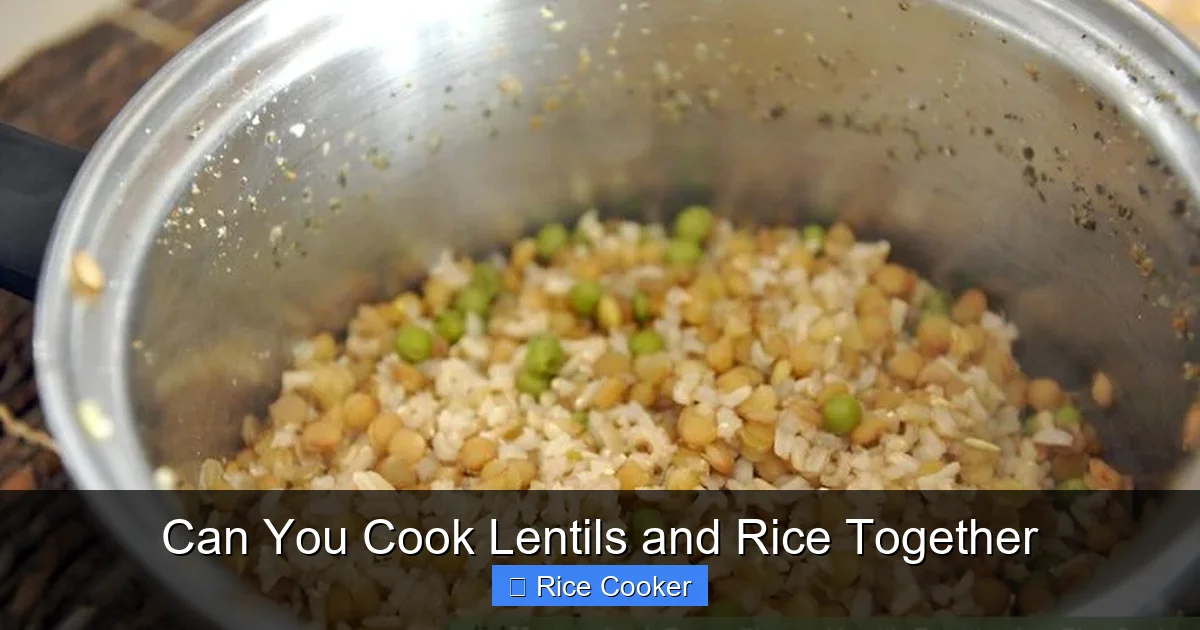
Visual guide about Can You Cook Lentils and Rice Together
Image source: wikihow.com
Not all rice cookers are created equal, especially when it comes to handling legumes like lentils.
Types of Rice Cookers
- Cooker-Only Models: Basic machines designed primarily for rice. They usually have settings like white rice, brown rice, and sometimes porridge. Some newer models include a “beans” or “legume” setting.
- Multicookers: Devices like Instant Pot or Ninja Foodi combine pressure cooking, slow cooking, steaming, and sautéing. These offer maximum flexibility and often come with dedicated lentil-rice programs.
- Smart Rice Cookers: High-end models with sensors, Wi-Fi connectivity, and customizable timers. Great for precision cooking but pricier.
What to Look For
When selecting a rice cooker for lentils and rice:
- Choose one with a stainless steel inner pot—it’s durable and heats evenly.
- Look for a non-stick coating to prevent sticking (though avoid high-heat searing).
- A keep-warm function is essential for serving later.
- If possible, pick a model with a lentil/rice hybrid setting—this adjusts water levels and timing for optimal texture.
Top Recommended Models
- Zojirushi Neuro Fuzzy: Known for precise temperature control; excellent for delicate grains and legumes.
- Instant Pot Duo Crisp: Combines pressure cooking and air frying—perfect if you want crispy edges on rice or caramelized lentils.
- Ninja Foodi DualZone: Allows simultaneous cooking of different foods, great for sides or batch cooking.
How to Cook Lentils and Rice in a Rice Cooker: Step-by-Step Guide
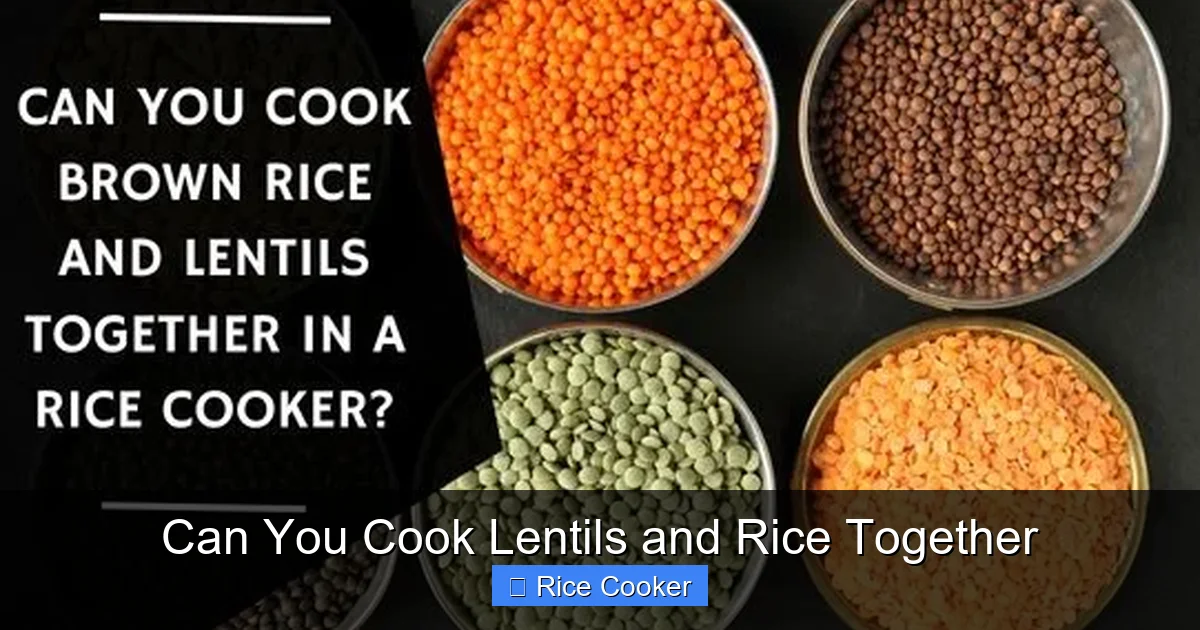
Visual guide about Can You Cook Lentils and Rice Together
Image source: ediblenosh.com
Ready to give it a try? Follow this foolproof method for perfect results every time.
Gather Your Ingredients
- 1 cup dried brown lentils (or ½ cup split red lentils)
- 1 cup uncooked rice (brown, basmati, or jasmine work well)
- 2 cups water (adjust based on rice type—brown rice may need slightly more)
- 1 teaspoon salt (optional)
- 1 tablespoon oil or butter (optional, for richness)
- Spices: cumin, turmeric, garlic powder, or bay leaf
Step 1: Rinse and Prep
Rinse both the rice and lentils under cold water until the water runs clear. This removes excess starch and prevents cloudiness. If using whole or brown lentils, pick through them for stones or debris.
Step 2: Add Ingredients to the Cooker
Place the rinsed rice and lentils into the inner pot. Add water, salt, oil, and any desired spices. Stir gently to combine.
Step 3: Select the Right Setting
- Brown Rice Setting: Best for brown lentils and brown rice.
- Lentil/Rice Combo Setting: If your cooker has one, use it—it adjusts water and time automatically.
- Manual Mode: Set timer for 35–45 minutes on standard rice cookers. Pressure cookers may take 10–15 minutes under pressure.
Step 4: Let It Cook
Close the lid and start the cycle. Avoid opening the lid during cooking—steam builds pressure and affects texture.
Step 5: Rest and Fluff
Once done, let the mixture sit for 5–10 minutes with the lid closed. Then fluff gently with a fork or paddle. The result should be fluffy rice and tender, slightly creamy lentils.
Pro Tips for Success
- For split red lentils, reduce cooking time—they become mushy if overcooked.
- Add vegetables like diced carrots, peas, or spinach halfway through cooking for extra nutrients.
- Toast spices lightly in oil before adding for deeper flavor.
Troubleshooting Common Issues
Even with the best recipe, things don’t always go as planned. Here’s how to fix common problems.
Too Watery or Mushy
This usually happens with split red lentils or too much water. Next time, reduce water by ¼ cup and check doneness 5 minutes early. Also, avoid lifting the lid mid-cycle.
Rice Stuck at the Bottom
Sticky rice often results from insufficient rinsing or scorching. Always rinse thoroughly and ensure the inner pot is non-stick. Don’t stir too vigorously after cooking—just fluff gently.
Lentils Remain Tough
If using whole green or black lentils, they may need longer cooking. Try simmering them separately for 20 minutes before adding to the rice cooker. Alternatively, switch to red or brown lentils, which cook faster.
Inconsistent Texture
Some grains cook faster than others. Brown rice takes longer than white, and lentils vary by variety. Experiment with ratios: start with 1:1 rice-to-lentils and adjust to taste.
Flavor Too Bland
Boost seasoning! Add onion powder, garlic, or a pinch of cayenne. Finish with fresh herbs like parsley or mint. A squeeze of lemon adds brightness.
Creative Ways to Serve Lentil-Rice Bowls
Once your base is ready, transform it into restaurant-quality meals with minimal effort.
Indian-Inspired Khichdi
Serve warm with ghee, chopped onions, cilantro, and a dollop of yogurt. Add a pinch of garam masala for authenticity.
Mediterranean Bowl
Top with cherry tomatoes, cucumber, olives, feta cheese, and a drizzle of olive oil. Add grilled chicken or chickpeas for extra protein.
Mexican-Style Arroz con Lentejas
Mix in black beans, corn, diced bell peppers, and a splash of lime juice. Sprinkle with cotija cheese and cilantro.
Simple Side Dish
Pair with roasted vegetables, grilled fish, or a fried egg for a complete meal.
Overnight Oats Alternative
Let cooled lentil-rice mix chill overnight with almond milk and cinnamon—a hearty breakfast option.
Meal Prep Staple
Divide into containers and refrigerate for up to 5 days or freeze for up to 3 months. Reheat with a splash of water to restore moisture.
Health and Safety Considerations
While cooking lentils and rice together is generally safe, a few precautions ensure your meal is both delicious and secure.
Proper Hydration
Always use clean, filtered water. Tap water is fine, but avoid mineral-heavy or chlorinated sources if you notice off-flavors.
Avoid Undercooked Grains
Undercooked rice can contain spores of Bacillus cereus, which cause food poisoning. Ensure rice reaches an internal temperature of at least 165°F (74°C).
Store Leftovers Safely
Refrigerate within two hours of cooking. Label containers with dates and consume within 3–4 days. Reheat thoroughly to 165°F.
Watch for Allergens
If serving children or those with allergies, confirm no cross-contamination occurred during prep (e.g., shared utensils with nuts or dairy).
Kid-Friendly Options
Make mild versions by skipping spicy spices and mashing lentils slightly for smoother texture. Offer separate condiments so kids can customize.
Environmental and Economic Impact
Choosing lentils and rice isn’t just good for your body—it’s good for the planet and your wallet.
Lower Carbon Footprint
Lentils require less water and land than meat and have far lower greenhouse gas emissions. Rice production, while intensive, benefits from combining with legumes to enrich soil nitrogen naturally.
Reduced Food Waste
Using pantry staples means fewer trips to the store and less chance of expired items going bad. Leftover lentil-rice can become soup, fritters, or stuffed peppers.
Budget Meal Planning
One pound of dried lentils feeds four people; one bag of rice lasts weeks. This combo keeps weekly grocery bills low without sacrificing flavor or nutrition.
Sustainable Packaging
Buy in bulk when possible—many co-ops sell lentils and rice in reusable containers. Avoid single-use packaging for cost and eco-benefits.
Community Support
Support local farmers growing organic lentils or rice by choosing regional brands. Small changes add up over time.
Historical and Cultural Context
This humble dish has deep roots across cultures.
Indian Dal Khichdi
A staple in South Asian households, khichdi combines rice and lentils (usually moong dal) with turmeric and ghee. It’s considered healing food and often served during illness.
Ethiopian Injera with Legumes
While not identical, Ethiopian injera (sourdough flatbread) pairs with lentil stews, showing how grains and legumes unite globally.
Middle Eastern Ful Medames
Though traditionally made with fava beans, similar principles apply—slow-cooked legumes with aromatic spices, sometimes served over rice.
American Southern Hoppin’ John
Though made with black-eyed peas, it reflects the same philosophy: legumes + grains = filling, flavorful meals rooted in resourcefulness.
These traditions prove that combining lentils and rice isn’t new—it’s timeless.
Final Thoughts
Cooking lentils and rice together isn’t just practical—it’s profound. It connects us to centuries of culinary wisdom, supports sustainable living, and delivers nourishment in every bite. With a reliable rice cooker, the process becomes effortless, allowing you to focus on creativity rather than complication.
Whether you’re feeding a family, prepping for the week, or exploring global flavors, this simple technique opens doors to endless possibilities. So next time you open your pantry and see lentils and rice staring back at you, remember: they’re not just leftovers waiting to happen—they’re a complete meal in the making.
Start small. Try one recipe. Taste the difference. And soon, you’ll wonder how you ever lived without it.
Frequently Asked Questions
Can you cook lentils and rice together in a rice cooker?
Yes, you can easily cook lentils and rice together in a rice cooker. Most modern models have settings that accommodate both ingredients, delivering tender lentils and fluffy rice with minimal effort.
What’s the best ratio for cooking lentils and rice?
A good starting point is 1 part rice to 1–1.5 parts lentils by dry volume. Adjust based on preference—more lentils for heartier meals, more rice for lighter portions.
Does cooking lentils and rice together make a complete protein?
Yes! Rice provides lysine-rich amino acids, while lentils supply methionine. Together, they form a complete protein, ideal for vegetarians and vegans.
Can I add vegetables when cooking lentils and rice?
Absolutely! Add diced carrots, peas, or spinach during the last 10–15 minutes of cooking. Avoid leafy greens like kale, which may overcook.
How do I prevent my lentil-rice from becoming soggy?
Use the right water ratio, avoid overfilling the pot, and resist opening the lid during cooking. Let the mixture rest briefly after cooking before fluffing.
Are split red lentils okay to use with rice?
Yes, but they break down faster than whole lentils. Monitor closely and reduce cooking time—split red lentils can become mushy if overcooked.