
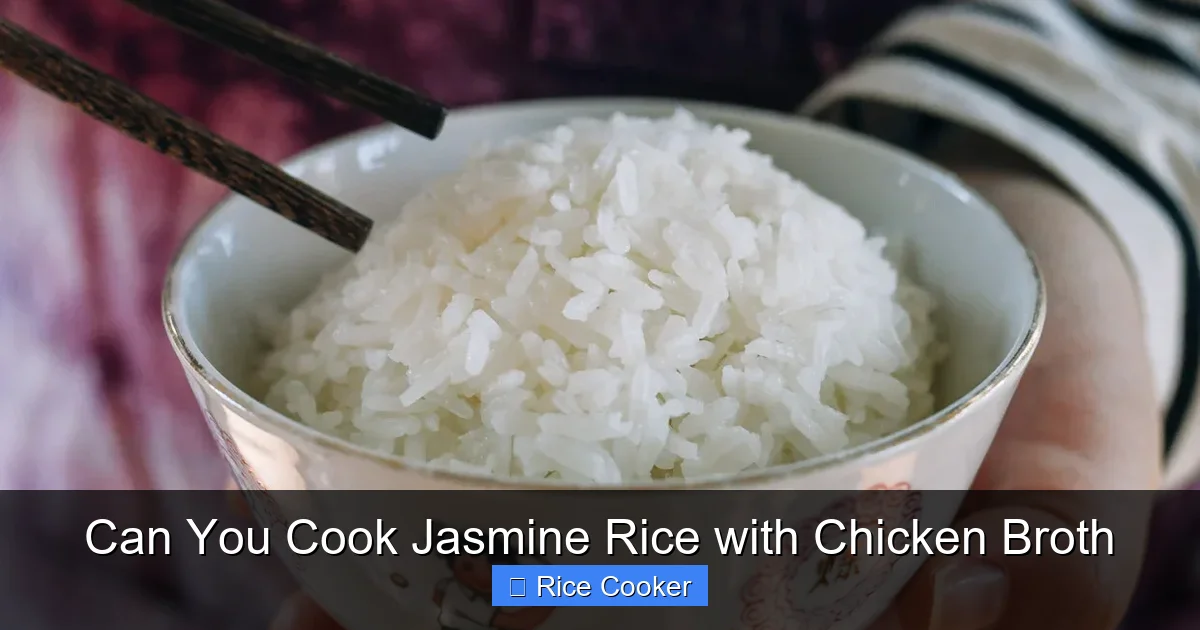
Can you cook jasmine rice with chicken broth? Absolutely! Using chicken broth instead of water adds depth and richness to your rice, making it ideal for one-pot meals, grain bowls, or Asian-inspired dishes. With the right technique—like soaking the rice and adjusting liquid ratios—you’ll get fluffy, aromatic jasmine rice every time. Whether you’re using a rice cooker or stovetop, this simple swap transforms a basic staple into something deliciously satisfying.
Key Takeaways
- Flavor Boost: Cooking jasmine rice in chicken broth infuses it with savory, umami-rich notes that elevate any dish.
- Proper Ratio: Use a 1:1.5 to 1:1.75 ratio of rice to broth (by volume) depending on your desired texture—softer rice needs less liquid.
- Soak First: Soaking jasmine rice for 30 minutes before cooking helps achieve a fluffier, more evenly cooked result.
- Rice Cooker Friendly: Most modern rice cookers handle broth-based cooking well, but avoid models with poor drainage to prevent sogginess.
- Seasoning Tips: Add salt, garlic, ginger, or soy sauce to the broth for extra flavor without over-salting the finished dish.
- Best Uses: Perfect for fried rice, risotto-style dishes, grain bowls, or as a base for creamy curries.
📑 Table of Contents
- Cooking Jasmine Rice with Chicken Broth: A Flavorful Upgrade
- Why Use Chicken Broth Instead of Water?
- How Much Broth Should You Use?
- Step-by-Step Guide: Cooking Jasmine Rice in a Rice Cooker
- Stovetop Method: Traditional and Reliable
- Troubleshooting: Why Is My Rice Mushy or Undercooked?
- Creative Ways to Use Broth-Cooked Jasmine Rice
- Health and Nutrition Notes
- Final Thoughts: Worth the Effort?
Cooking Jasmine Rice with Chicken Broth: A Flavorful Upgrade
Have you ever wondered if you can cook jasmine rice with chicken broth? The short answer is yes—and doing so can transform your everyday rice into a rich, aromatic, and deeply satisfying dish. Jasmine rice is known for its fragrant floral aroma and slightly sticky texture when cooked properly. But what happens when you replace plain water with chicken broth? The result isn’t just flavorful—it’s soul-warming and perfect for elevating everything from stir-fries to comfort meals.
Whether you’re using a traditional stove-top method or a modern rice cooker, substituting water with broth adds layers of taste that make each grain pop. Think of it like cooking pasta in broth instead of water—it soaks up flavor while staying light and tender. In this comprehensive guide, we’ll walk through everything you need to know: the science behind the swap, step-by-step instructions for both methods, pro tips for avoiding mushy rice, and creative ways to use your newfound culinary skill.
Why Use Chicken Broth Instead of Water?
At first glance, cooking rice in broth might seem like overkill. After all, rice is mostly starch and water—why complicate things? But here’s why this technique works so well:
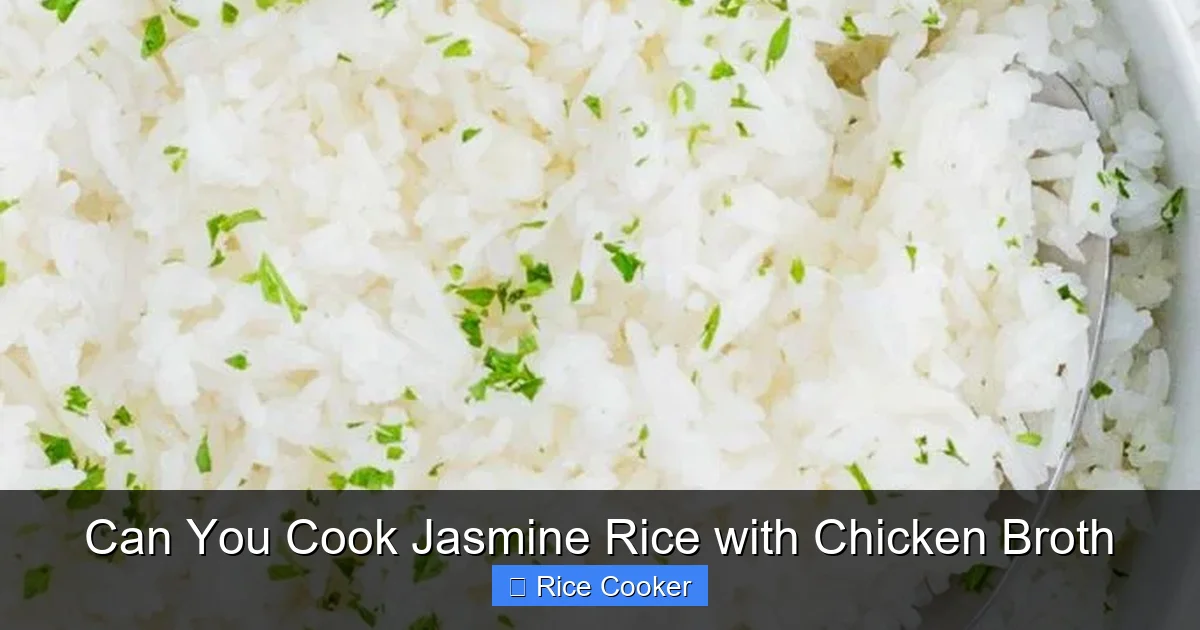
Visual guide about Can You Cook Jasmine Rice with Chicken Broth
Image source: evolvingtable.com
Enhanced Flavor Profile: Broth contains proteins, minerals, and natural seasonings (like herbs, bones, or vegetables) that infuse the rice with subtle savory notes. Unlike water, which is neutral, broth acts as a flavor carrier, making every bite taste more intentional.
Moisture Retention: Jasmine rice has a high amylose content, meaning it tends to absorb liquid quickly and release moisture slowly during cooking. Broth helps maintain consistent hydration throughout the process, preventing dry spots or uneven textures.
Versatility: Once you master broth-cooked rice, you can experiment with other liquids—beef stock for hearty meals, vegetable broth for plant-based dishes, or even coconut milk for tropical twists.
One thing to keep in mind: not all broths are created equal. Low-sodium versions give you more control over seasoning, while full-flavored stocks (like homemade bone broth) pack bold tastes that may require less added salt. Always taste your broth before adding it to the rice—if it’s already salty, adjust accordingly.
How Much Broth Should You Use?
This is where many beginners go wrong. Too little broth leaves rice undercooked or dry; too much makes it mushy. The key lies in understanding your rice cooker or pot’s behavior and the type of jasmine rice you’re using.
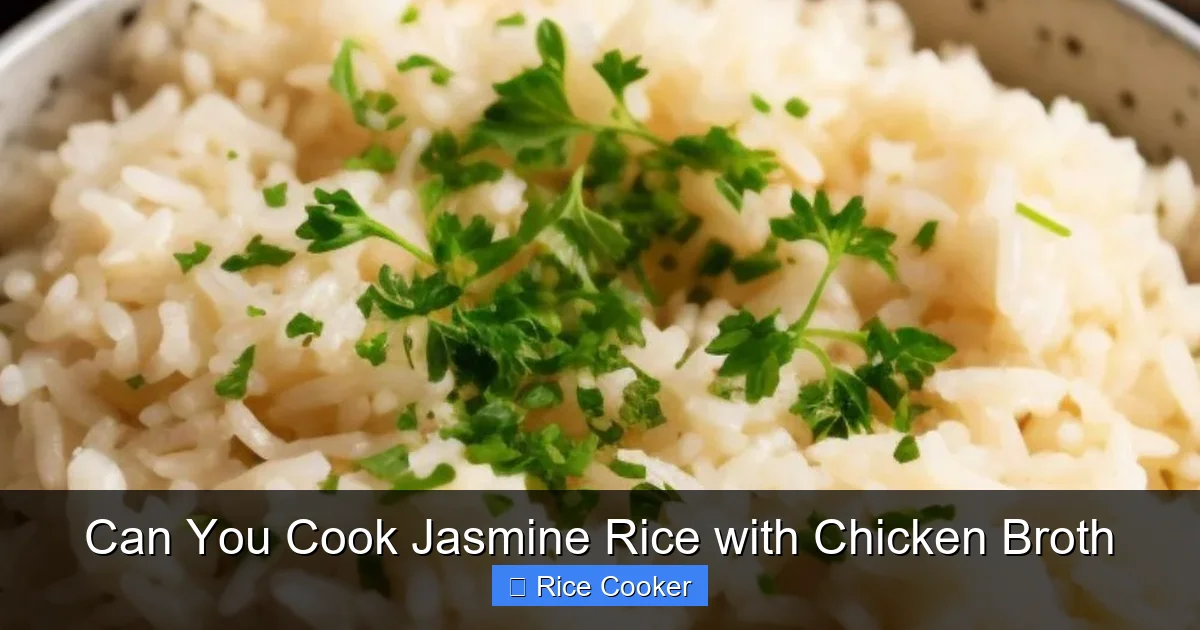
Visual guide about Can You Cook Jasmine Rice with Chicken Broth
Image source: easykitchenguide.com
The Standard Ratio
For most medium-grain or long-grain jasmine rice, the general rule is 1 cup of uncooked rice to 1.5 cups of liquid. Since broth behaves similarly to water but carries more flavor, stick close to this unless you prefer a softer consistency.
However, if you’re aiming for a risotto-like texture, reduce the liquid slightly—try 1:1.25. For fluffier results (ideal for fried rice), go with 1:1.75. Always check the package instructions first, as some brands absorb more or less moisture than others.
Adjusting for Your Equipment
Stovetop cooks often find that broth evaporates faster than water due to its density, so keep an eye on the pot during the last few minutes. Rice cookers, especially newer models with fuzzy logic technology, automatically adjust steam release and internal temperature, making them forgiving for broth-based recipes.
A helpful tip: If your rice cooker has a “white rice” or “basic” setting, select it—these modes typically use the standard water-to-rice ratio and work well with broth too. Avoid settings labeled “brown rice” or “porridge,” as they require longer cook times and excess liquid.
Step-by-Step Guide: Cooking Jasmine Rice in a Rice Cooker
If you own a rice cooker—or are considering buying one—this is the easiest path to perfect broth-infused jasmine rice. Here’s how to do it right:
Gather Your Ingredients
- 1 cup jasmine rice (uncooked)
- 1.5–1.75 cups low-sodium chicken broth (adjust based on texture preference)
- 1 tablespoon butter or oil (optional, for added richness)
- Pinch of salt (unless broth is already seasoned)
- Fresh herbs like cilantro, parsley, or green onions (for garnish)
Prepare the Rice
Rinsing removes excess starch and dust from packaging. Place the rice in a fine-mesh strainer and rinse under cold running water until the water runs clear. This ensures clean, separate grains rather than clumpy paste.
Next, soak the rinsed rice in room-temperature water for 30 minutes. This step is optional but highly recommended—it allows the grains to absorb moisture evenly, reducing cook time and improving texture. Drain thoroughly before transferring to the rice cooker bowl.
Cooking Process
- Add drained rice to the inner pot of your rice cooker.
- Pour in the chicken broth (and butter/oil if using).
- Give everything a gentle stir to distribute the liquid evenly.
- Close the lid and press the “Cook” button. Most rice cookers will indicate when the cycle completes—usually with a beep or automatic switch to “Keep Warm.”
- Let the rice sit covered for 5–10 minutes after cooking. This final steaming phase hydrates any residual dry spots and firms up the texture.
- Fluff gently with a fork before serving.
Pro Tip: If your rice cooker doesn’t have a “Keep Warm” function or shuts off immediately, simply leave the lid closed for another 5 minutes to finish the steaming process.
Stovetop Method: Traditional and Reliable
Not everyone owns a rice cooker—and that’s okay! The stovetop method offers full control over heat, timing, and texture. It’s especially useful if you’re cooking large batches or prefer the ritual of watching your meal come together.
What You’ll Need
- Medium saucepan with tight-fitting lid
- Fine-mesh strainer
- Measuring cups
- Wooden spoon or spatula
Detailed Instructions
- Rinse 1 cup jasmine rice under cold water until the runoff is clear. Transfer to a strainer and let drain for 10 minutes.
- In a saucepan, combine drained rice with 1.5 cups chicken broth. Add a pinch of salt and optionally a knob of butter for creaminess.
- Bring the mixture to a boil over high heat, stirring once to prevent sticking.
- Once boiling, reduce heat to low, cover tightly, and simmer for 12–15 minutes. Do not lift the lid during this time—steam builds pressure and affects doneness.
- After 15 minutes, turn off the heat and let the rice rest, covered, for 10 minutes. This resting period allows trapped steam to finish cooking the rice evenly.
- Remove the lid, fluff with a fork, and serve immediately.
Common Mistake Alert: Avoid constant stirring! Over-stirring breaks apart jasmine rice’s delicate structure, leading to mushiness. Just one gentle stir at the beginning is enough.
Troubleshooting: Why Is My Rice Mushy or Undercooked?
Even experienced cooks occasionally run into issues. Don’t worry—most problems have simple fixes.
Mushy Texture
This usually happens when there’s too much liquid or insufficient resting time. To fix it:
– Next time, reduce broth by ¼ cup.
– Ensure your lid fits snugly—steam escape causes uneven cooking.
– Don’t fluff too soon; wait until the full 10-minute rest period.
Dry or Hard Grains
Undercooked rice often stems from rushing the process. Solutions:
– Increase broth slightly next batch.
– Soak the rice longer (up to 1 hour).
– Cover the pot better with a kitchen towel between lids to trap steam.
Too Salty
If broth is already salty, add a teaspoon of white rice to absorb excess sodium. Alternatively, balance it with a squeeze of lime juice or a dollop of yogurt when serving.
Creative Ways to Use Broth-Cooked Jasmine Rice
Now that you’ve mastered the basics, let’s talk inspiration. Broth-infused jasmine rice isn’t just for plain bowls—it’s a versatile foundation for countless dishes.
Fried Rice Perfection
Use leftover cooked rice (cooled overnight works best) stir-fried with scrambled eggs, peas, carrots, and soy sauce. The broth gives it a golden hue and deeper taste compared to water-cooked rice.
Thai Basil Fried Rice
Skip the water entirely—make your entire dish with chicken broth. Sauté garlic, Thai basil, bell peppers, and your protein, then fold in pre-cooked jasmine rice. Top with lime and crushed peanuts for authentic flavor.
Grain Bowls & Salads
Serve warm or chilled over roasted vegetables, tofu, or grilled chicken. Drizzle with peanut sauce or sriracha mayo for Asian fusion vibes.
Creamy Curries
Use broth-cooked rice as a base for coconut curry or red curry sauces. The rice absorbs the spices beautifully without becoming gluey.
One-Pot Meals
Combine cooked rice with diced tomatoes, black beans, corn, and shredded rotisserie chicken for a quick dinner. Simmer everything together for 10 minutes to meld flavors.
Health and Nutrition Notes
Cooking rice in broth instead of water does change its nutritional profile—but not in ways you might expect.
You gain trace amounts of protein, collagen (from bone broths), and minerals like calcium and magnesium. However, these additions are minimal unless you use nutrient-dense homemade broths.
On the flip side, avoid using overly salty or fatty broths if you’re managing blood pressure or cholesterol. Opt for low-sodium, homemade, or filtered options. And always pair your rice with plenty of fiber-rich veggies and lean proteins to balance the carb load.
Final Thoughts: Worth the Effort?
Absolutely. Learning to cook jasmine rice with chicken broth is a small change that yields big rewards. It turns a mundane side dish into something memorable—perfect for busy weeknights, meal prep, or impressing guests. Plus, once you see how easy it is, you’ll start experimenting with other broths, spices, and cooking techniques.
Remember: consistency comes with practice. Your first few batches might vary slightly, but soon you’ll develop a feel for the right ratios, timing, and equipment choices. Whether you’re using a rice cooker or stovetop, the principles remain the same—rinse, soak, measure, cook, rest.
So go ahead: grab your favorite jar of chicken broth, measure out your jasmine rice, and give it a try. You might just discover your new go-to method for flavorful, foolproof grains.
Frequently Asked Questions
Can I substitute vegetable broth for chicken broth?
Yes! Vegetable broth works perfectly and adds a lighter, earthy flavor. It’s ideal for vegetarian or vegan diets. Just ensure it’s unsalted so you can control the seasoning.
Should I rinse jasmine rice before cooking in broth?
Absolutely. Rinsing removes excess starch and prevents clumping. Rinse until the water runs clear, then drain before adding to your pot or rice cooker.
How do I store leftover broth-cooked jasmine rice?
Store in an airtight container in the refrigerator for up to 5 days. Reheat with a splash of broth or water to restore moisture. Avoid microwaving directly from fridge—add a damp paper towel to trap steam.
Will using broth make my rice too salty?
It depends on the broth. Low-sodium or homemade broths give you full control. If unsure, taste before adding salt. You can also offset saltiness with acid (lime juice) or fat (avocado, yogurt).
Can I freeze broth-cooked jasmine rice?
Yes! Cool completely, portion into freezer-safe bags, and freeze for up to 3 months. Thaw overnight in the fridge or reheat gently on the stove with added liquid.
Is it safe to use canned or boxed broth?
Yes, as long as it’s high-quality and preferably low-sodium. Avoid very old cans or expired products. When in doubt, make your own broth at home for maximum freshness and flavor control.