

You can definitely cook long grain rice in a rice cooker—and it’s easier than you think! With the right water ratio and technique, you’ll get perfectly fluffy, tender grains every time. Whether you’re making a simple side dish or a complete meal, a rice cooker makes cooking long grain rice quick, consistent, and foolproof.
Key Takeaways
- Understanding can you cook long grain rice in a rice cooker: Provides essential knowledge
📑 Table of Contents
- Can You Cook Long Grain Rice in a Rice Cooker?
- The Science Behind Perfect Long Grain Rice
- Choosing the Right Rice for Your Cooker
- Step-by-Step Guide: Cooking Long Grain Rice in a Rice Cooker
- Water Ratios: Getting It Just Right
- Tips for Fluffiest Results
- Common Mistakes to Avoid
- Advanced Techniques and Variations
- Maintenance and Longevity Tips
- Conclusion: Why Rice Cookers Are Game-Changers
Can You Cook Long Grain Rice in a Rice Cooker?
If you’ve ever stood over a pot of rice, stirring constantly to prevent burning, only to end up with mushy or unevenly cooked grains, you’re not alone. The good news? Cooking long grain rice in a rice cooker is not only possible—it’s actually one of the best ways to achieve consistently perfect results. Whether you’re a beginner in the kitchen or a seasoned home cook, using a rice cooker for long grain rice is simple, reliable, and saves time. In this guide, we’ll walk you through everything you need to know: from choosing the right rice and understanding ratios to mastering techniques that yield fluffy, restaurant-quality grains every time.
Modern rice cookers are designed with precision in mind. They maintain steady temperatures during cooking and automatically switch to warming mode once the job is done. This means no more guesswork or constant monitoring. For long grain rice—like white rice, basmati, or jasmine—this technology works wonders. The key lies in preparation, timing, and knowing how to use your appliance to its fullest potential. Let’s dive into the details so you can master this essential skill and enjoy perfectly cooked rice with minimal effort.
The Science Behind Perfect Long Grain Rice
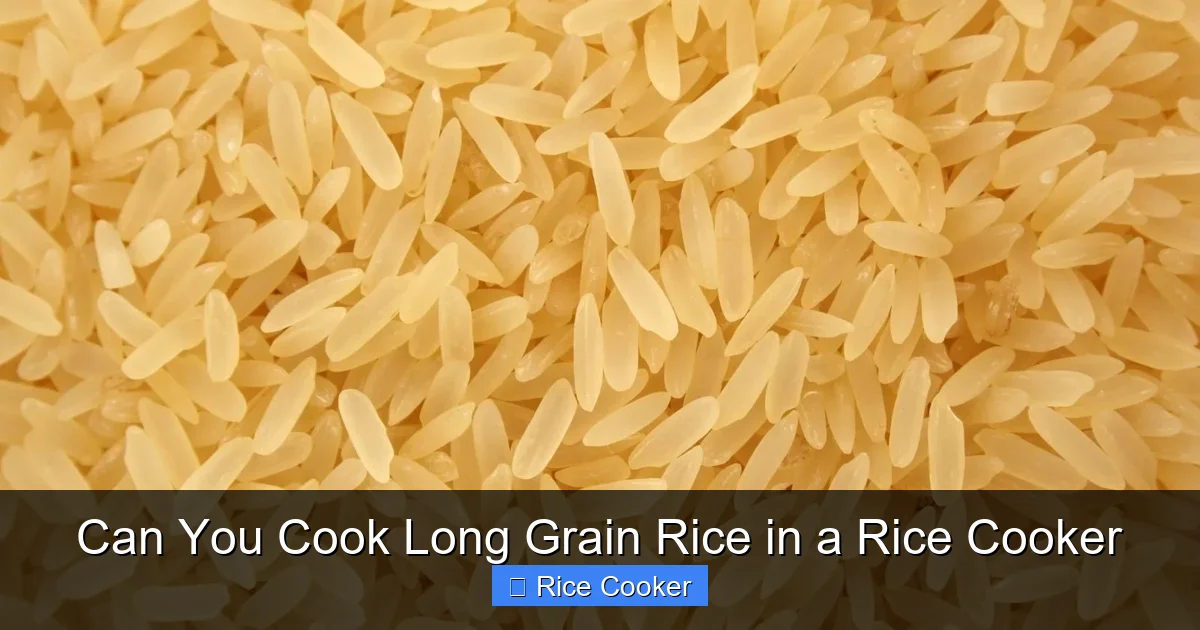
Before we get into the “how,” let’s talk about the “why.” Understanding what happens during the cooking process helps you make better choices. Long grain rice contains less starch than short or medium grain varieties, which means it doesn’t stick together as much when cooked properly. However, that same low starch content requires precise hydration and heat control to fully expand and soften without becoming gummy.
Visual guide about Can You Cook Long Grain Rice in a Rice Cooker
Image source: ricecookerjunkie.com
How Water Absorption Works
When you add water to uncooked long grain rice, the grains begin to absorb moisture. As they swell, the outer layer softens while the center remains firm. The goal is to cook them just enough so that the center reaches tenderness without turning into paste. Too little water leads to undercooked, chalky kernels; too much results in soggy rice.
Role of Starch and Texture
Starch gelatinization occurs at around 60–80°C (140–176°F), where starches absorb water and swell. In a rice cooker, this process happens uniformly thanks to consistent heat distribution. Rinsing the rice before cooking removes surface starch, preventing clumping and promoting separation. That’s why rinsing is such an important step—especially for long grain types.
Choosing the Right Rice for Your Cooker
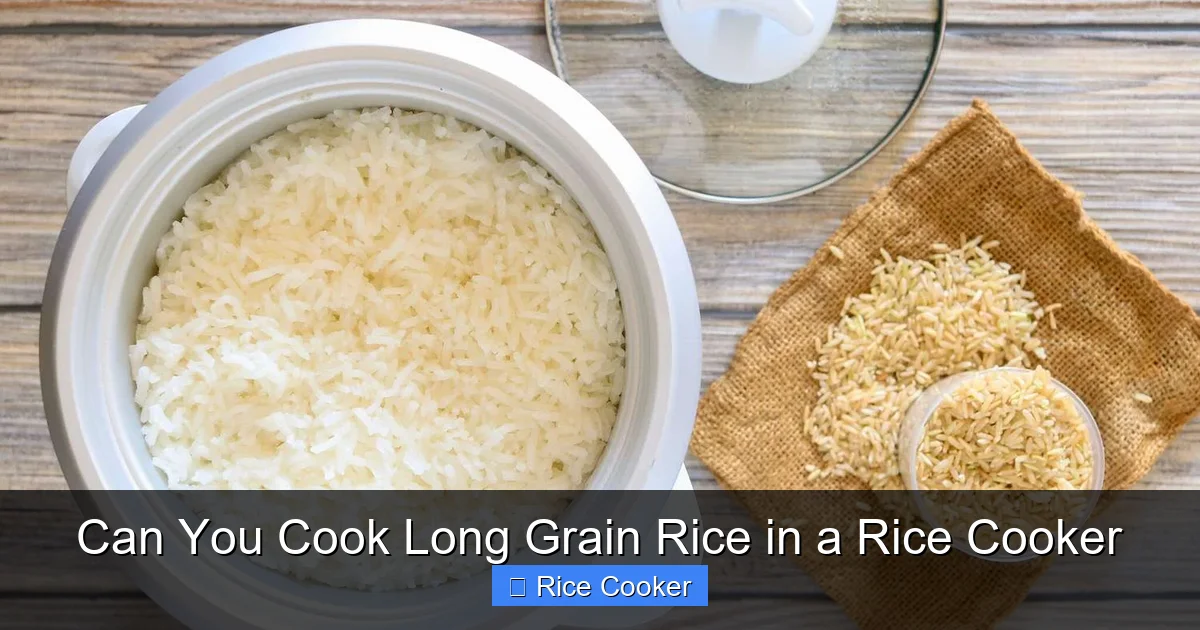
Not all rice is created equal, and selecting the right variety makes a big difference. While most long grain rices work well in a rice cooker, some perform better than others due to their unique properties.
Visual guide about Can You Cook Long Grain Rice in a Rice Cooker
Image source: storables.com
Popular Long Grain Rice Varieties
- Basmati: Known for its fragrant aroma and distinct elongation when cooked. Ideal for pilafs and biryanis.
- Jasmine: Slightly sticky but still separates easily; has a subtle floral scent.
- American Long Grain: Common in the U.S.; neutral flavor and reliable texture.
- Texmati: A hybrid of basmati and American long grain—great for everyday meals.
What to Look For
Buy whole-grain or parboiled long grain rice labeled specifically as such. Avoid instant or pre-cooked versions unless your cooker supports those settings. Always check packaging for recommended water ratios—they often differ slightly from standard guidelines.
Step-by-Step Guide: Cooking Long Grain Rice in a Rice Cooker
Now that you understand the basics, here’s how to do it right. Follow these steps for foolproof results every single time.
1. Measure and Rinse the Rice
Start by measuring your rice accurately. Use a dry measuring cup for best results. Then place the rice in a fine-mesh strainer and rinse under cold running water. Swirl gently with your fingers for about 30 seconds until the water runs clear. This removes excess starch and dust, ensuring fluffier grains.
2. Add Water Correctly
The golden rule: use 1 part rice to 2 parts water. So for 1 cup of rice, use 2 cups of water. However, adjust based on preference:
– For firmer rice: reduce water by ¼ cup.
– For softer, creamier texture: increase by ¼ cup.
Some rice cookers come with markings inside the pot indicating proper levels—take advantage of them!
3. Optional Enhancements
Want extra flavor? Try adding a pinch of salt, a teaspoon of oil or butter, or even a bay leaf before starting. These won’t affect the cooking process but enhance taste significantly.
4. Select the Right Setting
Most modern rice cookers have multiple settings. Look for “White Rice,” “Long Grain,” or simply “Rice.” If your model only has “Cook” and “Warm,” that’s fine—just press “Cook.” Some advanced models allow you to set timers or switch to “Quick Cook” for faster preparation.
5. Let It Rest
Once the cycle ends, don’t open the lid immediately. Let the rice sit for 5–10 minutes. This allows residual steam to finish cooking the grains evenly and prevents them from drying out when served.
6. Fluff and Serve
Gently fluff the rice with a fork or paddle attachment if available. Avoid vigorous stirring—this can mash the delicate long grains.
Water Ratios: Getting It Just Right
One of the most common questions is: “How much water should I use?” The answer depends on several factors, including rice type, altitude, and personal preference. Here’s a detailed breakdown.
General Guidelines
| Rice Type | Standard Ratio | Notes |
|---|---|---|
| Long Grain White | 1:2 | Reliable baseline |
| Basmati | 1:1.75 to 1:2 | May require slight adjustment |
| Jasmine | 1:1.75 | Tends to be softer naturally |
| Parboiled Long Grain | 1:1.75 | Pre-treated for firmer texture |
Adjusting for Altitude
At higher elevations, water evaporates faster, so you may need slightly more liquid. Conversely, at sea level, reduce water by ¼ cup to avoid mushiness. Always taste-test small batches first if you’re unsure.
Using a Rice Measuring Cup
Invest in a dedicated rice measuring cup—it’s calibrated specifically for rice, not liquid. This eliminates measurement errors and improves consistency.
Tips for Fluffiest Results
Even with perfect ratios and settings, small details can elevate your rice from good to great. Here are pro-level tips to ensure every grain stands tall.
Preheat the Inner Pot (Optional)
For certain recipes, lightly heating the empty inner pot before adding rice and water can help kickstart the cooking process. This is especially useful when cooking large quantities.
Avoid Opening the Lid During Cooking
Every time you lift the lid, steam escapes, causing temperature fluctuations. Keep it closed throughout the entire cycle unless instructed otherwise by your manual.
Use Fresh Ingredients
Rice stored for months loses moisture and flavor. Use rice within 6 months of purchase for optimal results. Store in an airtight container away from light and humidity.
Experiment with Flavored Waters
Instead of plain water, try using vegetable broth, coconut milk, or even apple cider vinegar diluted in water for added depth. Just remember to adjust salt accordingly.
Clean Immediately After Use
Residue left in the pot dries and hardens. Rinse it with warm water and mild soap right after cooking. Never submerge the electrical base in water.
Common Mistakes to Avoid
Learning from others’ mistakes saves time and frustration. Here are the top pitfalls people encounter when cooking long grain rice in a rice cooker.
Skipping the Rinse
Unrinsed rice often sticks together, forming clumps. Even if you don’t see visible starch, rinsing improves texture dramatically.
Overfilling the Pot
Most rice cookers hold between 6–10 cups of uncooked rice. Exceeding capacity leads to uneven cooking. Stick to manufacturer recommendations.
Opening the Lid Too Soon
As mentioned earlier, releasing steam prematurely disrupts the cooking cycle. Wait until the countdown finishes.
Using Cold Water Directly
While not critical, using room-temperature or slightly warm water helps distribute heat more evenly during cooking.
Neglecting to Clean Regularly
Dust, oil residue, or mineral buildup affects performance over time. Deep clean your rice cooker monthly with vinegar and baking soda.
Advanced Techniques and Variations
Once you’ve mastered the basics, you can explore creative ways to cook long grain rice that go beyond plain white rice.
One-Pot Meals
Add vegetables like peas, carrots, or bell peppers along with your rice and water. The steam will cook them simultaneously, creating a complete meal in one pot.
Infused Rice Bowls
After cooking, mix in sauces, herbs, or proteins. Serve over greens or in bowls for a quick, healthy dinner.
Congee-Style Porridge
Increase water to 3 parts per 1 part rice and cook on “Porridge” or “Slow Cook” setting. Stir occasionally for creamy congee.
Brown Rice Adaptation
Brown long grain rice needs more water (1:2.5) and longer cooking time (up to 45 minutes). Check your cooker’s brown rice setting if available.
Maintenance and Longevity Tips
A well-maintained rice cooker lasts years and performs reliably. Follow these care instructions to keep it in peak condition.
Daily Cleaning
Wipe the exterior with a damp cloth. Remove and wash the inner pot, lid, and steam vent according to the manual. Dry thoroughly before reassembling.
Descaling
Mineral deposits from hard water can clog vents and affect heating. Mix equal parts white vinegar and water, run a half-cycle, then rinse thoroughly.
Storage
Store in a cool, dry place. Do not cover while hot—allow it to cool completely before storing to prevent mold.
Conclusion: Why Rice Cookers Are Game-Changers
Cooking long grain rice in a rice cooker isn’t just convenient—it’s transformative. You gain consistent results, save energy, and free up stovetop space for other dishes. With the right approach, even complex rice-based meals become simple. Whether you’re feeding a family or meal-prepping for the week, mastering this skill empowers you to eat better, healthier, and with less stress.
Remember: practice makes perfect. Start with small batches, experiment with flavors, and soon you’ll find yourself reaching for the rice cooker more often than any other appliance. And who knows? You might discover new favorite recipes along the way.
Frequently Asked Questions
Can you cook any type of long grain rice in a rice cooker?
Yes, most long grain rices—including basmati, jasmine, and American varieties—cook excellently in a rice cooker. Each may require minor adjustments in water ratio or cooking time, but the appliance handles them well.
Do I need to soak long grain rice before cooking?
Soaking is optional and mainly benefits brown rice or when aiming for extremely tender grains. For regular white long grain rice, rinsing is sufficient and usually preferred.
How do I prevent my rice from being sticky?
Always rinse the rice to remove surface starch. Also, ensure you’re using the correct water ratio and avoid opening the lid during cooking. Letting it rest afterward also helps separate the grains.
Can I cook other grains in the same rice cooker?
Many rice cookers support mixed-grain cooking, but always follow individual grain guidelines. Quinoa, millet, and barley can be used, though they may need different liquids or settings.
Why does my rice come out mushy sometimes?
Mushy rice usually results from too much water, opening the lid too early, or overmixing after cooking. Double-check your ratios and resist the urge to stir vigorously.
Is it safe to leave cooked rice in the rice cooker overnight?
Most rice cookers have a “warm” function, but the USDA recommends consuming cooked rice within 2 hours or refrigerating promptly. Extended warming increases bacterial growth risk.