
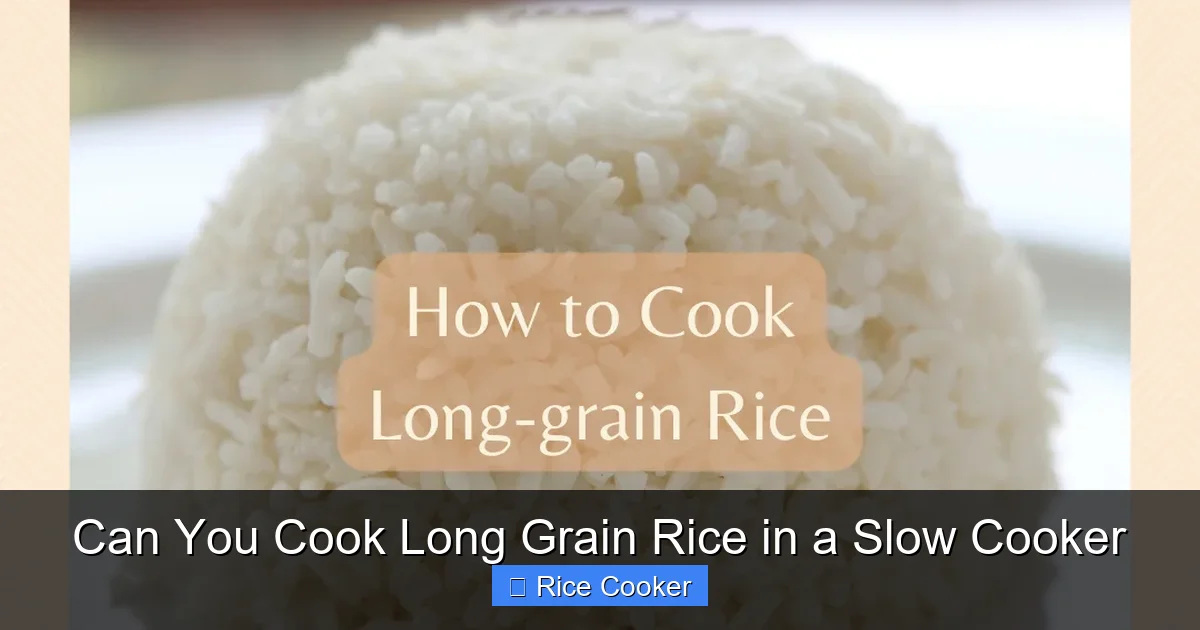
You absolutely can cook long grain rice in a slow cooker—and it’s easier than you think. With the right water-to-rice ratio and cooking time, your slow cooker can produce perfectly fluffy grains without constant attention. Whether you’re meal prepping or making a one-pot meal, this method saves time and adds versatility to your rice dishes.
Can you cook long grain rice in a slow cooker? The short answer is yes—absolutely. While most people reach for a stovetop pot or dedicated rice cooker, your trusty slow cooker can do the job just as well, especially when you’re preparing meals in advance or want hands-off cooking. Long grain rice, such as white basmati, jasmine, or American long grain, responds beautifully to the gentle, consistent heat of a slow cooker. It might not give you the same crisp bottom crust as a rice cooker, but you’ll still end up with tender, separate grains that absorb flavor nicely. Plus, it frees up your stove and keeps your kitchen cool during summer months.
What makes this method so appealing is its simplicity and adaptability. You don’t need special equipment or advanced skills—just a few basic ingredients and a little patience. Whether you’re making a side dish for dinner or building a complete meal (think chicken and rice stew), cooking rice in a slow cooker is a convenient, no-fuss solution. In this guide, we’ll walk through everything you need to know: how much water to use, the ideal cooking times, troubleshooting tips, and creative ways to elevate your slow-cooker rice game.
Key Takeaways
- Rice cooks well in slow cookers: Long grain rice can be cooked to tender perfection using a slow cooker, though it requires careful attention to liquid ratios and timing.
- Use the right ratio: A common starting point is 1 cup of uncooked rice to 2 cups of water, but adjustments may be needed based on your model and desired texture.
- Cook on low for best results: Low heat prevents burning and ensures even cooking; high heat risks overcooking the exterior while leaving the center underdone.
- Don’t lift the lid: Opening the slow cooker during cooking releases steam and disrupts temperature, which can affect texture and rise.
- Let it rest: After cooking, allow the rice to sit covered for 5–10 minutes to finish steaming and firm up the grains.
- Experiment with flavors: Add broth, herbs, or spices during cooking to infuse your rice with extra taste without extra effort.
📑 Table of Contents
- Understanding Long Grain Rice and Its Cooking Behavior
- Step-by-Step Guide: How to Cook Long Grain Rice in a Slow Cooker
- Perfecting the Water-to-Rice Ratio
- Tips for Best Results Every Time
- Troubleshooting Common Issues
- Creative Ways to Use Slow-Cooker Long Grain Rice
- Comparing Methods: Slow Cooker vs. Rice Cooker vs. Stovetop
- Frequently Asked Questions
Understanding Long Grain Rice and Its Cooking Behavior
Before diving into the slow cooker method, it helps to understand what sets long grain rice apart—and why it behaves differently from other types like short or medium grain.
Long grain rice contains less starch than short grain varieties, which means it tends to stay separate and fluffy when cooked properly. This makes it ideal for pilafs, stir-fries, and side dishes where you want distinct, non-sticky grains. However, because it doesn’t swell as much during cooking, it also takes longer to absorb water fully. That’s where the slow cooker shines—its low-and-slow approach allows the rice to gradually absorb moisture without scorching or clumping.
Unlike rices that are meant to be sticky or creamy (like sushi or arborio), long grain rice needs consistent, indirect heat and enough time to soften evenly throughout. The slow cooker provides exactly that environment, making it a surprisingly effective tool for mastering this staple grain.
Types of Long Grain Rice Best Suited for Slow Cooking
Not all long grain rices are created equal when it comes to slow cooking. Some respond better than others due to differences in starch content, moisture level, and hull thickness. Here are the top choices:
– White Basmati: Light, aromatic, and slender, basmati works wonderfully in a slow cooker. It absorbs liquid slowly and remains fluffy.
– Jasmine Rice: Fragrant and slightly sticky when cooked right, jasmine holds its shape well over long cook times.
– American Long Grain: Common in U.S. pantries, this variety is reliable and forgiving, yielding soft yet distinct grains.
– Texmati: A hybrid of basmati and jasmine, Texmati offers the best of both worlds—flavor and structure.
Avoid wild rice or brown rice if you’re new to this method, as they require different ratios and longer times. Stick to white long grain varieties first to get comfortable with the process.
Step-by-Step Guide: How to Cook Long Grain Rice in a Slow Cooker
Ready to try it? Follow these clear steps for foolproof results every time.
Gather Your Ingredients and Tools
You’ll need:
– 1 cup long grain rice (uncooked)
– 2 cups water or broth (start with water for neutral flavor)
– Optional: pinch of salt, butter, or oil
– Slow cooker (any size, but a 4–6 quart works best)
Make sure your slow cooker is clean and dry before use. If you’re using a removable insert, line it with parchment paper or lightly grease it to prevent sticking.
Measure and Rinse the Rice
Rinsing removes excess starch, which helps keep grains from becoming gummy. Place the rice in a fine-mesh strainer and rinse under cold water until the water runs clear—usually 2–3 rinses.
Pro tip: Don’t skip this step! Even though slow cookers cook more gently, residual starch can still cause clumping if not rinsed.
Add Everything to the Slow Cooker
Combine rinsed rice, liquid, and any optional seasonings in the slow cooker insert. Stir once to distribute evenly. Avoid packing the rice down—it should float freely.
For added flavor, swap water for chicken or vegetable broth. You can also add a teaspoon of butter or a splash of olive oil to enrich the texture.
Set the Heat and Timer
Cover the slow cooker and set it to Low. Most long grain rice will take 1½ to 2 hours on low. Do not use High—it increases the risk of burning or uneven cooking.
If your slow cooker has a timer, set it accordingly. If not, plan to check around the 90-minute mark by gently fluffing the rice with a fork to test doneness.
Check for Doneness
After 1½ hours, open the lid (quickly!) and peek. The rice should be tender but not mushy, with most of the liquid absorbed. Some small white specks at the base of each grain are normal and mean it’s done.
If it’s still crunchy, cover and cook another 15–30 minutes, checking every 10 minutes.
Rest and Fluff
Once done, turn off the slow cooker but leave the lid on. Let the rice sit for 5–10 minutes. This resting period lets steam redistribute, making the grains fluffier and firmer.
After resting, fluff gently with a fork or wooden spoon. Avoid stirring too vigorously—you want to preserve those individual grains.
Perfecting the Water-to-Rice Ratio
One of the trickiest parts of cooking rice in a slow cooker is getting the liquid balance right. Too much water = soggy rice. Too little = dry, hard clumps.
The standard rule of thumb is 2 cups liquid per 1 cup rice, but slow cookers vary in heat retention and evaporation rates. Some models are more efficient than others, so you may need to adjust.
Here’s how to dial it in:
– Start with 2:1 ratio (water to rice).
– If your rice ends up too wet, reduce water by ¼ cup next time.
– If it’s dry or undercooked, add ¼ cup more water and extend cooking time by 10–15 minutes.
Keep notes after each batch—your slow cooker might behave differently in winter vs. summer due to ambient humidity!
Testing Different Ratios
Try these variations based on preference:
– Lighter, fluffier rice: Use 1¾ cups water
– More absorbent (for curries): Use 2¼ cups water
– With broth or stock: Reduce added water by ¼ cup since broth is already liquid-rich
Remember: You can always drain excess liquid after cooking if needed, but you can’t add more once it starts simmering.
Tips for Best Results Every Time
Even experienced cooks make mistakes. Here’s how to avoid common pitfalls and ensure success:
Use a Glass Lid or Clear Cover
Plastic lids trap steam and can melt under prolonged heat. Opt for glass or ceramic covers if possible. If yours is plastic, make sure it’s heat-resistant and fits snugly.
Avoid Opening the Lid Frequently
Every time you lift the lid, you lose heat and steam—this throws off the cooking process. Only open it when necessary, and do so quickly.
Preheat the Liquid (Optional)
Warm water or broth helps kickstart absorption faster. While not required, heating the liquid slightly can shave off 10–15 minutes of cook time.
Layer Flavors Smartly
Add aromatics like garlic, onions, or bay leaves at the beginning. For stronger flavors, sauté them briefly in oil before adding rice and liquid.
Don’t Overfill
Never fill your slow cooker beyond halfway. Rice expands as it cooks, so give it room to breathe and move around.
Troubleshooting Common Issues
Despite your best efforts, things don’t always go smoothly. Here’s how to fix typical problems:
Problem: Rice Is Mushy or Sticky
Cause: Too much liquid or overcooking.
Fix: Next time, reduce water by ¼ cup and stick strictly to the timer. Also, ensure you’re using the Low setting—not High.
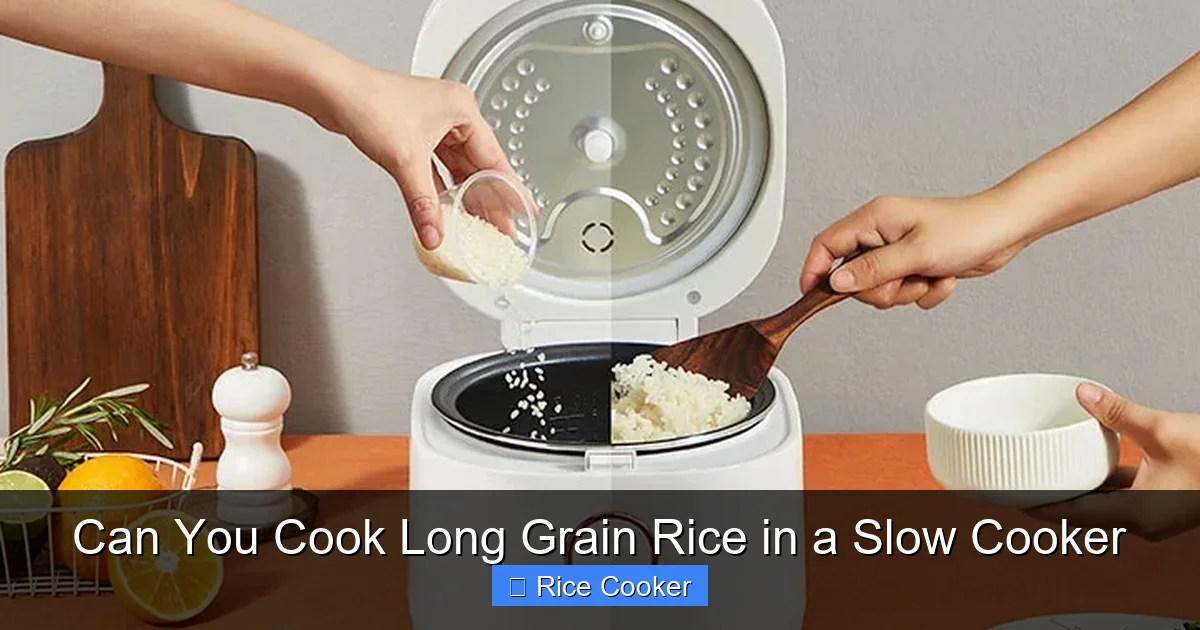
Visual guide about Can You Cook Long Grain Rice in a Slow Cooker
Image source: chickenthingsandmore.com

Visual guide about Can You Cook Long Grain Rice in a Slow Cooker
Image source: i.pinimg.com
Problem: Rice Is Dry or Undercooked
Cause: Insufficient liquid or interrupted cooking.
Fix: Add ¼ cup more water and continue cooking on Low for 15–20 minutes. Keep the lid on during this phase.
Problem: Burnt Bottom Layer
Cause: Direct contact with hot surface or too much heat.
Fix: Always use the inner insert. Avoid metal utensils that scratch the surface and create hot spots. Stir occasionally if possible (though not recommended during active cooking).
Problem: Uneven Texture
Cause: Rice wasn’t rinsed or packed too tightly.
Fix: Rinse thoroughly and spread rice loosely in the insert. Avoid pressing down.
Creative Ways to Use Slow-Cooker Long Grain Rice
Cooking rice in a slow cooker isn’t just about basics—it opens doors to delicious meals with minimal effort.
Chicken and Rice Casserole
Sauté chicken thighs, onions, and carrots in a skillet. Return to slow cooker, add rice, broth, and herbs. Cook on Low for 3–4 hours until chicken falls off the bone and rice is tender.
Vegetable Fried Rice
Cook diced veggies (peppers, peas, carrots) in oil at the start. Add rice and soy sauce, then liquid. Cook on Low for 1 hour, fluff, and serve warm.
Spanish Rice
Brown onions and bell peppers, deglaze with tomato sauce, add rice and broth. Simmer on Low for 2 hours until rice is al dente and sauce thickens slightly.
Risotto-Like Creaminess (Without Risotto)
Use Arborio or Carnaroli rice (medium grain) instead of long grain for creamier results. Add warm broth gradually over 1.5 hours, stirring occasionally.
Meal Prep Friendly Bowls
Cook a big batch of plain rice, divide into containers, and pair with roasted meats or beans later. Reheat in the microwave or oven when ready to eat.
Comparing Methods: Slow Cooker vs. Rice Cooker vs. Stovetop
So how does slow-cooker rice stack up against other methods?
| Method | Fluffiness | Hands-On Time | Flavor Infusion | Best For |
|—————|————|—————|——————|——————————|
| Slow Cooker | Good | Very Low | Excellent | One-pot meals, meal prep |
| Rice Cooker | Excellent | None | Fair | Perfect sides, busy days |
| Stovetop | Variable | Medium | Good | Control, browning, pilafs |
Each method has strengths. The rice cooker wins on consistency and ease, but the slow cooker excels in flavor development and multitasking. Stovetop gives you full control but demands attention.
That said, many home cooks love using both: rice cooker for perfect sides, slow cooker for integrated meals.
When to Choose Which
- Slow cooker: When you’re making soups, stews, or casseroles that include rice.
- Rice cooker: For everyday side dishes when you want foolproof results.
- Stovetop: When you need crispy textures or are making fried rice.
Frequently Asked Questions
How much water do I use for 1 cup of long grain rice in a slow cooker?
Start with 2 cups of water per 1 cup of uncooked rice. Adjust based on your slow cooker model and desired consistency—some need slightly more, others less.
Can I cook brown long grain rice in a slow cooker?
Yes, but it requires more liquid and longer cooking time—typically 1:3 ratio (rice to liquid) and 2–3 hours on Low. Brown rice is denser and takes longer to soften.
Do I need to soak the rice before cooking?
No, soaking isn’t necessary for long grain rice in a slow cooker. Rinsing is more important to remove excess starch and prevent stickiness.
Can I add salt or seasonings during cooking?
Absolutely! Add salt with the liquid, or toss in herbs, garlic, or spices before covering. Just avoid overdoing it—you can’t correct flavor once it’s sealed.
What if my slow cooker doesn’t have a timer?
Set a kitchen timer or phone alarm. Most long grain rice takes 1½–2 hours on Low. Check periodically toward the end to avoid overcooking.
Is it safe to leave rice in the slow cooker for hours?
While technically safe if kept above 140°F (60°C), it’s best to serve rice within 4 hours of cooking to maintain quality and texture. Prolonged holding can make it dry or grainy.
Frequently Asked Questions
How much water do I use for 1 cup of long grain rice in a slow cooker?
Start with 2 cups of water per 1 cup of uncooked rice. Adjust based on your slow cooker model and desired consistency—some need slightly more, others less.
Can I cook brown long grain rice in a slow cooker?
Yes, but it requires more liquid and longer cooking time—typically 1:3 ratio (rice to liquid) and 2–3 hours on Low. Brown rice is denser and takes longer to soften.
Do I need to soak the rice before cooking?
No, soaking isn’t necessary for long grain rice in a slow cooker. Rinsing is more important to remove excess starch and prevent stickiness.
Can I add salt or seasonings during cooking?
Absolutely! Add salt with the liquid, or toss in herbs, garlic, or spices before covering. Just avoid overdoing it—you can’t correct flavor once it’s sealed.
What if my slow cooker doesn’t have a timer?
Set a kitchen timer or phone alarm. Most long grain rice takes 1½–2 hours on Low. Check periodically toward the end to avoid overcooking.
Is it safe to leave rice in the slow cooker for hours?
While technically safe if kept above 140°F (60°C), it’s best to serve rice within 4 hours of cooking to maintain quality and texture. Prolonged holding can make it dry or grainy.