
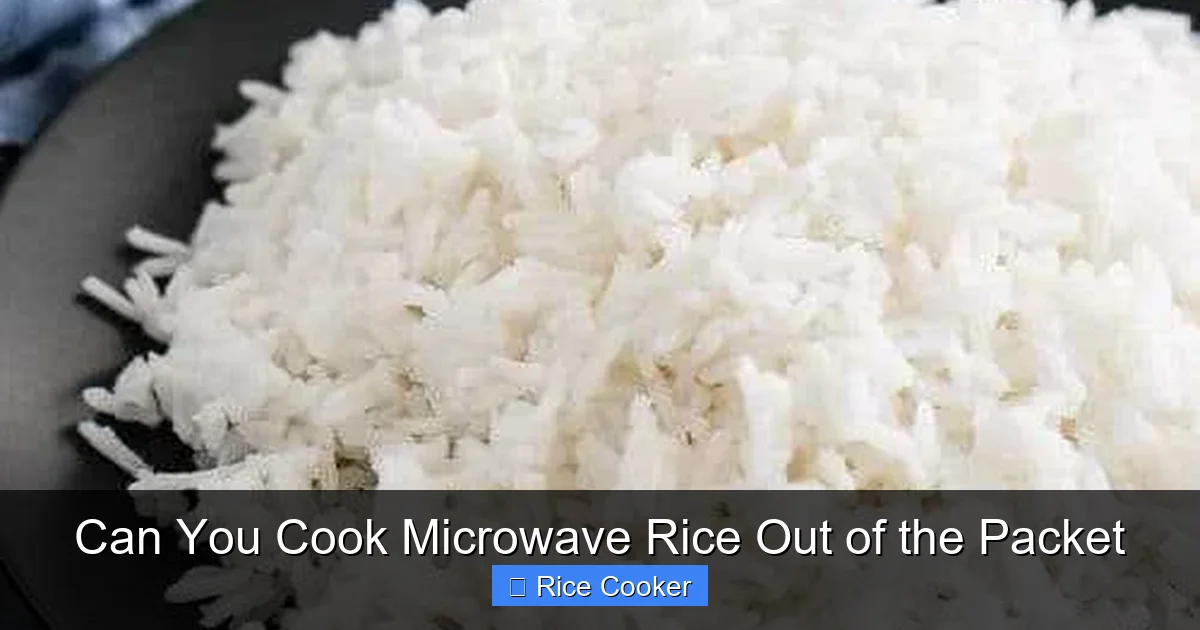
Can you cook microwave rice out of the packet? Absolutely! Most pre-packaged microwave rice is designed for one-step cooking—just add water (if required), heat, and you’re done. These convenient meals save time without sacrificing flavor or texture. Whether you’re in a hurry or need a simple side dish, microwave rice offers a reliable solution for busy lifestyles.
Key Takeaways
- Microwave rice packets are designed for convenience: They typically require only water and a few minutes in the microwave, making them ideal for quick meals.
- No special equipment is needed: You don’t need a rice cooker or stovetop—just your microwave and the sealed packet.
- Texture varies by brand: Some brands produce fluffy results, while others may be slightly drier; reading reviews helps choose the best option.
- Customization is possible: Add herbs, spices, or sauces after cooking to boost flavor beyond the basic recipe.
- Safety first: Always follow packaging instructions and allow proper venting during microwaving to avoid overheating or steam buildup.
- Storage matters: Leftover cooked rice should be cooled quickly and refrigerated within two hours to maintain freshness and safety.
📑 Table of Contents
- Can You Cook Microwave Rice Out of the Packet?
- Understanding How Microwave Rice Packets Work
- Step-by-Step Guide: Cooking Microwave Rice Directly From the Packet
- Common Mistakes and How to Fix Them
- Comparing Microwave Rice to Other Cooking Methods
- Choosing the Right Brand: What to Look For
- Cooking Beyond the Basic Recipe
- Safety Considerations When Using Microwave Rice Packets
- Environmental Impact and Sustainability
- Frequently Asked Questions About Microwave Rice
- Conclusion: Convenience Without Compromise
Can You Cook Microwave Rice Out of the Packet?
In today’s fast-paced world, convenience is king—especially when it comes to meal prep. One of the most popular time-savers on supermarket shelves is microwave rice packets. These ready-to-heat products promise a hot, fluffy side dish in under five minutes. But here’s the big question: can you actually cook microwave rice out of the packet, and if so, how do you do it right?
The short answer is yes—most microwaveable rice packets are engineered specifically for one-step heating. Unlike traditional rice that needs measuring, rinsing, and constant monitoring on the stove, these packets come pre-portioned with just the right amount of rice and seasonings (or sometimes just plain rice). All you need is a microwave and a little patience. In this comprehensive guide, we’ll walk through everything you need to know about preparing microwave rice directly from its packaging, including tips for better texture, common mistakes to avoid, and creative ways to elevate your meal.
Understanding How Microwave Rice Packets Work
Microwave rice packets aren’t magic—they’re the result of clever food engineering. Each packet contains dried rice grains mixed with either liquid or moisture-activated ingredients that rehydrate when heated. The key components include:
Visual guide about Can You Cook Microwave Rice Out of the Packet
Image source: canyoumicrowavewiki.com
- Dried white or brown rice: Usually basmati, jasmine, or long-grain varieties chosen for their ability to absorb steam quickly.
- Water or broth powder: Added to ensure even cooking without needing extra liquid.
- Seasonings or flavorings (optional): Salt, garlic powder, onion flakes, or even curry blends depending on the product.
When microwaved, the trapped steam inside the sealed packet softens the rice and activates any powdered ingredients. The result? A consistent, evenly cooked grain that mimics freshly made rice—but with far less effort.
The Science Behind Quick Cooking
Rice cooks when its starches gelatinize due to heat and moisture. Traditional methods rely on boiling water and simmering rice uncovered, which allows excess water to evaporate. Microwave packets use a different approach: they trap steam inside, creating a pressurized environment that cooks the rice rapidly while keeping it moist. This method reduces cooking time significantly—often cutting it down from 18–20 minutes (on the stovetop) to just 3–5 minutes in the microwave.
Step-by-Step Guide: Cooking Microwave Rice Directly From the Packet
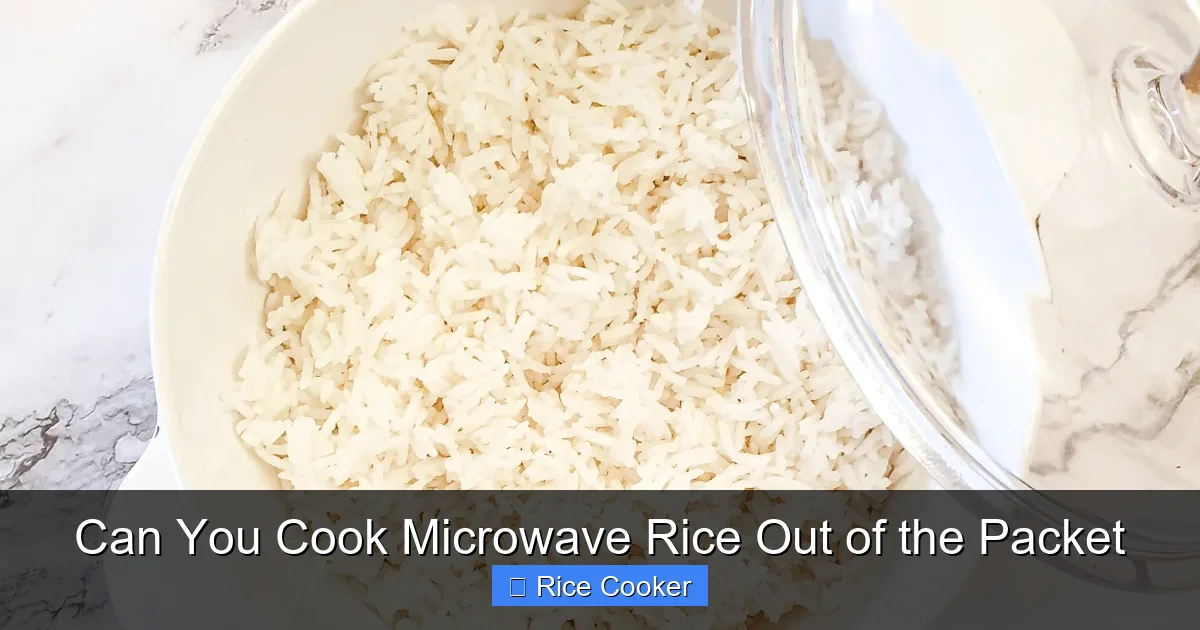
You don’t need a recipe book or culinary degree to make great microwave rice. Follow these simple steps, and you’ll have a perfectly prepared side in minutes.
Visual guide about Can You Cook Microwave Rice Out of the Packet
Image source: foodleclub.com
What You’ll Need
- One microwave-safe rice packet (check label for compatibility)
- A microwave oven
- Optional: fork or spoon for fluffing
- Optional: butter, oil, or sauce for added richness
Instructions
- Check the packet: Ensure there’s no damage, tears, or bulging. If the seal is broken, discard it—it won’t cook properly.
- Vent the top: Most packets have a perforated or tearable tab at the top. Peel back only enough to let steam escape—this prevents pressure buildup and potential splattering.
- Microwave as directed: Typical times range from 2.5 to 4.5 minutes on high power. Start with the recommended time, then test for doneness.
- Let it rest: After microwaving, wait 1–2 minutes before opening. This allows residual heat to finish cooking the rice gently.
- Fluff and serve: Use a fork to loosen the grains. Add a pat of butter or splash of soy sauce if desired.
Pro Tips for Best Results
- Rotate halfway: For uneven heating, turn the packet 90 degrees after 1.5 minutes.
- Don’t overfill your plate: Leave space around the packet so steam circulates freely.
- Use a microwave cover: If your microwave has one, placing a paper towel over the packet can reduce splatter.
Common Mistakes and How to Fix Them
Even with straightforward instructions, some users run into issues. Here are the most frequent problems—and how to solve them.
Problem: Rice Is Too Dry or Starchy
This usually happens when the packet wasn’t vented correctly or was microwaved too long. Overheating causes excess evaporation, leaving behind tough, dry grains. To fix it next time, open the packet fully and add 1–2 tablespoons of hot water or broth. Stir well and microwave for another 30 seconds.
Problem: Uneven Texture
If some grains are mushy while others remain hard, the rice didn’t heat evenly. Try rotating the packet halfway through cooking or breaking it into smaller sections before microwaving. Also, check that your microwave isn’t old or inconsistent in power output.
Problem: Excessive Steam Buildup
Too much steam can lead to soggy rice or even a mess in your microwave. Always vent the packet partially—never leave it completely sealed. If your packet doesn’t have a built-in vent, carefully poke small holes in the top foil or plastic layer.
Comparing Microwave Rice to Other Cooking Methods
While microwave rice is incredibly convenient, it’s worth comparing it to other ways of preparing rice to understand where it fits in your kitchen toolkit.
Microwave vs. Stovetop
Stovetop cooking gives you full control over water ratios, heat levels, and timing. It also allows for browning or toasting the rice before adding liquid—something microwave packets can’t replicate. However, stovetop rice requires active attention (stirring occasionally, checking doneness), whereas microwave rice is truly hands-off once started.
Microwave vs. Rice Cooker
Rice cookers automate the entire process and often yield superior texture, especially for dishes like risotto or sticky sushi rice. But again, they require upfront investment and cleaning. Microwave rice wins on speed and portability—perfect for dorm rooms, offices, or camping trips.
Microwave vs. Instant Pot
The Instant Pot combines speed with precision, delivering restaurant-quality rice in under 10 minutes. Yet, it still needs manual setup and cleanup. For true simplicity, microwave rice remains unmatched.
Choosing the Right Brand: What to Look For
Not all microwave rice is created equal. Brands vary widely in taste, texture, and ingredient quality. Here’s what to consider when shopping:
- Ingredients list: Avoid packets with long lists of additives or preservatives if you prefer natural foods.
- Grain type: Jasmine and basmati tend to be fluffier; arborio or sushi rice may stick together more.
- Flavor profile: Some offer plain rice, while others include garlic & herb, lemon pepper, or Mexican spice blends.
- Customer reviews: Check recent feedback on platforms like Amazon or Walmart—texture complaints are common red flags.
Popular reliable brands include Uncle Ben’s Ready Rice, Rice-A-Roni (though technically a mix, not pure rice), and Trader Joe’s own microwaveable options. Always compare prices per serving, as bulk packs sometimes offer better value.
Cooking Beyond the Basic Recipe
Microwave rice doesn’t have to be boring. Once you master the basics, you can transform it into gourmet sides or even complete meals.
Add Protein
Mix in cooked chicken, shrimp, tofu, or scrambled eggs after heating. Top with cheese and broil for 1–2 minutes for a cheesy rice bowl.
Infuse Flavors
Before microwaving, sprinkle in fresh herbs like parsley, cilantro, or dill. Or add a teaspoon of olive oil and a pinch of smoked paprika for depth.
Turn Into Fried Rice
Cook microwave rice, cool it, then stir-fry with veggies, soy sauce, and a beaten egg in a nonstick pan. Done in under 10 minutes!
Make a Grain Bowl
Layer microwave rice with roasted sweet potatoes, black beans, avocado, and salsa for a healthy, satisfying dinner.
Safety Considerations When Using Microwave Rice Packets
Though simple, microwave rice isn’t without risks—especially if safety protocols are ignored.
Ventilation Is Crucial
Never microwave a completely sealed packet. Pressure can build up, causing the package to burst or explode. Always create an opening large enough for steam to escape freely.
Handle Hot Packets Carefully
After microwaving, the packet will be extremely hot. Use oven mitts or a towel to remove it from the microwave. Let it sit on a heat-resistant surface away from kids or pets.
Check Expiration Dates
Expired rice can harbor bacteria like Bacillus cereus, which produces toxins that cause food poisoning. Even if the packet looks fine, when in doubt—throw it out.
Clean Your Microwave Regularly
Steam and splatter from rice packets can leave residue inside your microwave. Wipe it down after each use to prevent odors and maintain appliance performance.
Environmental Impact and Sustainability
Convenience often comes at an environmental cost. Microwave rice packets typically use single-use plastics and cardboard, contributing to landfill waste. If eco-friendliness matters to you, consider these alternatives:
- Buy bulk rice and cook it in a rice cooker or Instant Pot.
- Opt for compostable or recyclable packaging when available (check local recycling rules).
- Reuse empty packets as storage containers (once thoroughly cleaned and dried).
That said, many companies are now offering reduced-plastic versions or partnering with recycling programs. Supporting such brands helps push the industry toward sustainability.
Frequently Asked Questions About Microwave Rice
Still have questions? You’re not alone. Here are answers to six of the most common queries about cooking microwave rice directly from the packet.
Can I reuse the same microwave rice packet twice?
No, microwave rice packets are designed for single use only. Reheating leftover rice requires transferring it to a microwave-safe dish, as the original packaging isn’t meant for repeated exposure to high heat.
Is it safe to eat microwave rice cold?
Yes, but only if it’s been stored properly. Cooled rice can be eaten cold as a salad base or chilled side dish. Just ensure it’s refrigerated within two hours of cooking to avoid bacterial growth.
Why does my microwave rice always stick together?
This often occurs with high-starch varieties like arborio or sushi rice. Try adding a teaspoon of oil or butter before microwaving, or opt for a different grain type next time.
Can I cook microwave rice in a conventional oven?
Technically yes—but it defeats the purpose. Ovens take much longer and don’t distribute heat as evenly as microwaves. Stick to the recommended method for best results.
How long does cooked microwave rice last in the fridge?
Freshly cooked rice kept in the refrigerator lasts about 3–5 days. Store it in an airtight container and reheat thoroughly before eating.
Are there gluten-free microwave rice options?
Most plain rice-based microwave packets are naturally gluten-free, but always verify the label. Cross-contamination warnings or “may contain wheat” statements mean the product isn’t safe for celiac sufferers.
Conclusion: Convenience Without Compromise
So, can you cook microwave rice out of the packet? Without hesitation—yes. These ingenious little packages bring the comfort of home-cooked rice to your fingertips in under five minutes. Whether you’re rushing between classes, working late, or just craving something warm and familiar, microwave rice delivers on both speed and satisfaction.
While it may never replace the ritual of simmering rice on the stove or the aroma of a freshly popped rice cooker, microwave rice fills a vital niche in modern kitchens. With mindful preparation, a dash of creativity, and attention to safety, you can enjoy delicious, consistent results every time. Next time hunger strikes and time is tight, reach for that packet—you’ve got this!
Frequently Asked Questions
Can I reuse the same microwave rice packet twice?
No, microwave rice packets are designed for single use only. Reheating leftover rice requires transferring it to a microwave-safe dish, as the original packaging isn’t meant for repeated exposure to high heat.
Is it safe to eat microwave rice cold?
Yes, but only if it’s been stored properly. Cooled rice can be eaten cold as a salad base or chilled side dish. Just ensure it’s refrigerated within two hours of cooking to avoid bacterial growth.
Why does my microwave rice always stick together?
This often occurs with high-starch varieties like arborio or sushi rice. Try adding a teaspoon of oil or butter before microwaving, or opt for a different grain type next time.
Can I cook microwave rice in a conventional oven?
Technically yes—but it defeats the purpose. Ovens take much longer and don’t distribute heat as evenly as microwaves. Stick to the recommended method for best results.
How long does cooked microwave rice last in the fridge?
Freshly cooked rice kept in the refrigerator lasts about 3–5 days. Store it in an airtight container and reheat thoroughly before eating.
Are there gluten-free microwave rice options?
Most plain rice-based microwave packets are naturally gluten-free, but always verify the label. Cross-contamination warnings or “may contain wheat” statements mean the product isn’t safe for celiac sufferers.