
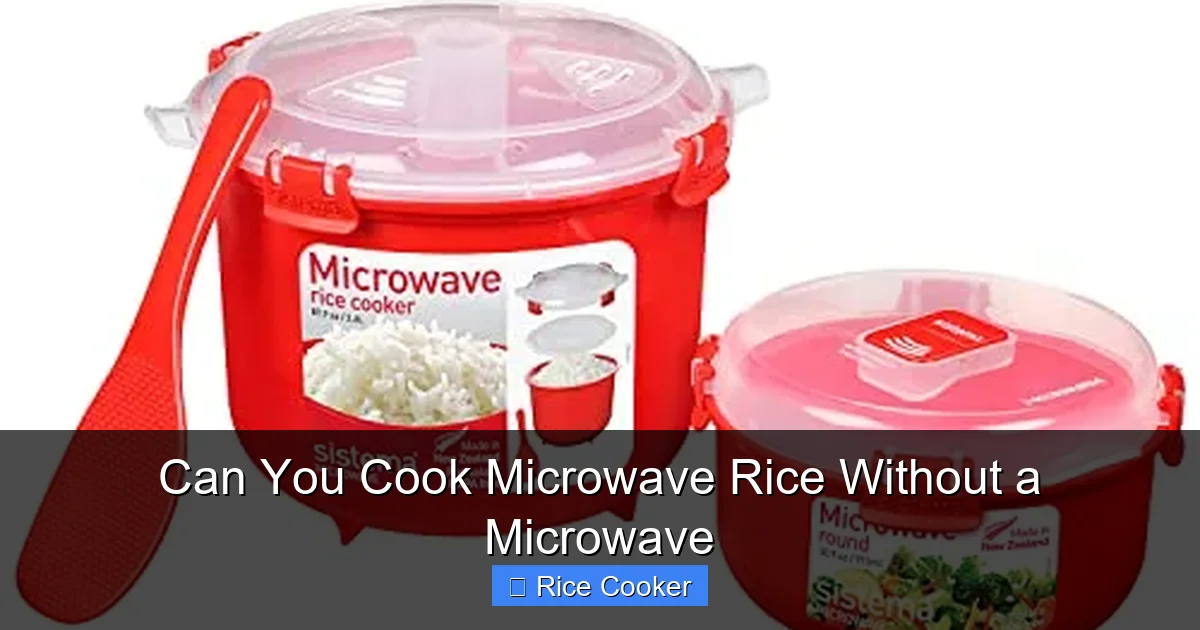
Can you cook microwave rice without a microwave? Absolutely! While microwave rice is convenient, traditional methods like boiling on the stove, using a rice cooker, or even baking in the oven can yield equally delicious results. With the right technique and timing, you can replicate that fluffy, tender texture without ever touching a microwave.
Key Takeaways
- Multiple cooking methods exist: You don’t need a microwave to make rice—stovetop, oven, and rice cooker are all viable alternatives.
- Water-to-rice ratio matters: Whether using a microwave or stove, the 1:2 ratio (one part rice to two parts water) is ideal for most white rice varieties.
- Resting time is crucial: Letting cooked rice sit covered for 5–10 minutes helps steam evenly and fluff naturally.
- Rice cookers simplify the process: A rice cooker mimics microwave results with minimal effort and consistent outcomes.
- Oven baking works surprisingly well: Baking rice in a covered dish gives it a soft, moist texture similar to microwaved rice.
- Pre-soaking improves texture: Soaking rice for 20–30 minutes before cooking reduces cooking time and enhances tenderness.
- Common mistakes to avoid: Using too much water, not covering properly, or stirring too often leads to mushy or unevenly cooked rice.
📑 Table of Contents
- Introduction: The Surprising Answer to “Can You Cook Microwave Rice Without a Microwave?”
- Understanding Microwave Rice: What Makes It Special?
- Cooking Microwave Rice on the Stovetop: The Classic Method
- Baking Rice in the Oven: Hands-Off Convenience
- Using a Rice Cooker: The Modern Miracle
- Alternative Methods: Camping, Travel, and Emergency Prep
- Troubleshooting Common Rice Mistakes
- Enhancing Flavor Without a Microwave
- Health and Nutrition Considerations
- Environmental Impact: Is Microwave Rice Sustainable?
- Final Thoughts: Embrace Flexibility in Your Kitchen
Introduction: The Surprising Answer to “Can You Cook Microwave Rice Without a Microwave?”
Have you ever opened a package of microwaveable rice and wondered, “What if I don’t have a microwave?” It’s a common dilemma—especially when you’re traveling, camping, or just forgot your microwave at home. But here’s the good news: yes, you absolutely can cook microwave rice without a microwave. In fact, many home cooks prefer traditional methods because they offer more control, better flavor, and consistent results.
Microwave rice packets are designed for convenience, but they’re not the only way to enjoy perfectly cooked grains. Whether you’re making jasmine rice, basmati, or even instant brown rice, there are several reliable techniques to achieve that same fluffy, non-sticky texture using everyday kitchen tools. From stovetop simmering to oven baking and rice cookers, each method has its own charm and efficiency. This guide will walk you through everything you need to know about cooking microwave-style rice without relying on a microwave—so you never feel limited by your appliances again.
Understanding Microwave Rice: What Makes It Special?
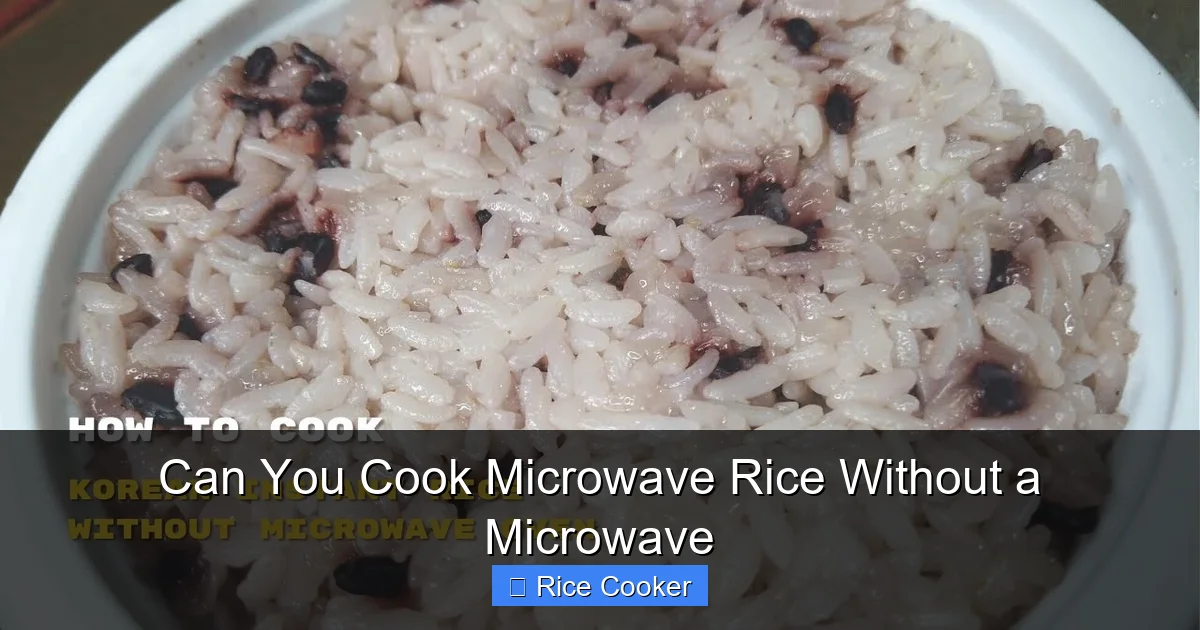
Before diving into alternative cooking methods, let’s break down what makes microwave rice unique. These pre-packaged meals typically contain precooked rice that only needs reheating. They’re engineered to absorb moisture quickly under microwave heat, resulting in a soft, slightly moist texture that’s perfect for quick meals, travel, or emergencies.
Visual guide about Can You Cook Microwave Rice Without a Microwave
Image source: i.ytimg.com
The Science Behind Quick Cooking
Microwave energy excites water molecules rapidly, causing them to vibrate and transfer heat throughout the rice instantly. This rapid heating shortens cooking time significantly compared to traditional methods. However, because microwaves penetrate unevenly, some people find the texture less fluffy than stovetop-cooked rice. That said, microwave rice is undeniably fast—often ready in 90 seconds—and requires zero prep beyond opening the bag.
Common Varieties of Microwave Rice
Most microwave rice options fall into a few categories:
- White rice: Short-grain or medium-grain varieties that become creamy when heated.
- Brown rice: Higher fiber content but takes longer; some brands pre-cook it enough to be reheated quickly.
- Sushi rice: Designed to stay sticky, ideal for rolls and sushi bowls.
- Flavored rice: Often includes seasonings, vegetables, or proteins for one-pot convenience.
While these products are convenient, they usually lack the aromatic depth of freshly cooked rice. But fear not—you can recreate their simplicity with other kitchen tools!
Cooking Microwave Rice on the Stovetop: The Classic Method
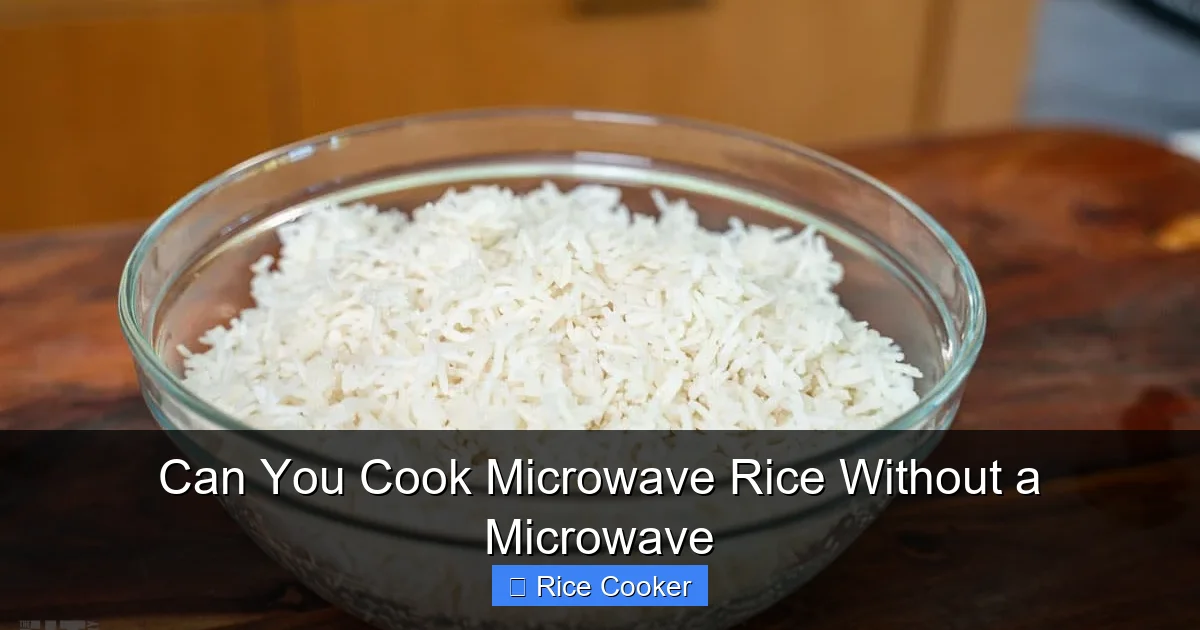
If you’ve got a pot and burner, the stovetop is your best friend for making microwave-style rice. This method gives you full control over temperature and timing, helping you avoid overcooking or drying out the grains.
Visual guide about Can You Cook Microwave Rice Without a Microwave
Image source: fitmencook.com
Step-by-Step Guide
- Measure ingredients: Use a 1:2 ratio—one cup raw rice to two cups water (adjust slightly based on rice type).
- Bring to a boil: Heat water in a saucepan until it bubbles vigorously.
- Add rice and salt: Stir once to prevent clumping, then bring back to a boil.
- Reduce heat and cover: Lower to a gentle simmer and place a lid on the pot. Avoid lifting it during cooking.
- Cook undisturbed: Most white rice takes 15–18 minutes. Brown rice may need 30–40 minutes.
- Rest covered: Turn off heat and let sit 5–10 minutes to finish steaming.
- Fluff gently: Use a fork to separate grains without crushing them.
Pro Tips for Perfect Stovetop Rice
- Use a tight-fitting lid: Steam retention is key to tender rice.
- Don’t peek too often: Each time you lift the lid, you lose heat and extend cooking time.
- Try a towel trick: Place a dry kitchen towel between the lid and pot to absorb excess condensation.
- Adjust for altitude: At higher elevations, increase water slightly and extend cooking time by a few minutes.
This method produces rice nearly identical to microwave versions—creamy, soft, and evenly cooked—without any special equipment.
Baking Rice in the Oven: Hands-Off Convenience
Think your oven is just for baking bread or roasting chicken? Think again. Baking rice is an excellent alternative that requires little attention once you get started. It’s especially useful if you’re cooking large batches or want to multitask in the kitchen.
How to Bake Microwave-Style Rice
Here’s how to transform your oven into a rice-making powerhouse:
- Preheat oven to 375°F (190°C): This moderate heat mimics microwave-like gentleness.
- Combine rice and water: In an oven-safe dish (glass or ceramic works best), mix one cup rice with two cups water plus a pinch of salt.
- Cover tightly: Use aluminum foil or a lid to seal the dish completely.
- Bake for 45–60 minutes: Check after 40 minutes; rice should be tender with minimal water left.
- Let rest 10 minutes: Keep covered while cooling to allow residual heat to finish cooking.
Why Oven-Baked Rice Works Well
The slow, even heat of the oven allows water to slowly evaporate while keeping the rice moist underneath. Because there’s no risk of scorching (thanks to low heat), you get uniform texture every time. Plus, this method frees up your stovetop for other dishes—perfect for busy weeknights.
Using a Rice Cooker: The Modern Miracle
Ah, the rice cooker—a humble appliance that’s quietly revolutionized how we cook grains. If you own one (or can borrow one), it’s arguably the closest thing to a microwave for making instant-style rice. Many models even have a “quick cook” or “instant” setting that mirrors microwave performance.
How Rice Cookers Replicate Microwave Results
Rice cookers use a combination of conduction heating and automated timing to produce consistently fluffy rice. Unlike microwaves, which heat from the inside out, rice cookers warm the pot directly, ensuring even distribution. When set to “white rice” mode, most cookers automatically adjust for absorption, meaning you don’t need to measure water precisely.
Simple Rice Cooker Instructions
- Wash rice (optional): Rinse until water runs clear to remove excess starch.
- Add rice and water: Follow your cooker’s manual—usually 1:1.5 or 1:2 ratio.
- Close lid and select “white rice” mode: Some models have a “quick” button for faster results.
- Wait patiently: Cooking time varies (typically 20–30 minutes), but the machine does the work.
- Rest unplugged: After beeping, keep rice inside for another 10 minutes to finish steaming.
Benefits of Rice Cookers Over Microwaves
- No guesswork: Automatic shut-off prevents overcooking.
- Better texture: Less likely to become gummy or uneven.
- Energy efficient: Uses less power than running a microwave for long periods.
- Multi-use appliance: Can also steam vegetables, make porridge, or cook soups.
If you’re serious about rice, investing in a quality rice cooker is worth every penny.
Alternative Methods: Camping, Travel, and Emergency Prep
Life happens outside the kitchen. Whether you’re hiking, staying in a dorm room, or dealing with a power outage, you might not always have access to a microwave or stove. But that doesn’t mean you have to go hungry!
Camping Without Electricity
For campers and backpackers, the “campfire method” is a game-changer. Here’s how to make microwave rice outdoors:
- Soak rice overnight: Reduces cooking time dramatically.
- Pack in a sealed container: Add double the water you’d normally use.
- Boil over fire: Bring to a rolling boil, then reduce to low heat.
- Cook covered 15–20 minutes: Stir occasionally to prevent sticking.
Alternatively, use a Dutch oven or cast-iron skillet with a lid to trap steam effectively.
College Dorm Survival
In dorm rooms with limited appliances, a hot plate or electric kettle can suffice. Boil water, add soaked rice, cover, and wait 15–20 minutes. For extra flavor, toss in a packet of seasoning mix after cooking.
Power Outage Solutions
During blackouts, a slow cooker set to “warm” or “low” can keep rice edible for hours. Just cook it fully before the outage, then monitor periodically. Never leave food sitting at room temperature for more than two hours.
Troubleshooting Common Rice Mistakes
Even experienced cooks run into issues now and then. Here’s how to fix the most frequent problems when making microwave-style rice without a microwave:
Mushy or Sticky Rice
Cause: Too much water or over-stirring.
Fix: Stick to the 1:2 ratio and avoid moving the rice once it starts cooking. Use a gentle folding motion instead of vigorous stirring.
Undercooked Grains
Cause: Insufficient cooking time or uncovered pot.
Fix: Ensure full coverage with a lid and cook until water is fully absorbed. Test by tasting—grains should be tender with no hard center.
Dry or Crumbly Texture
Cause: Low moisture or high heat.
Fix: Increase water slightly next time and lower heat to maintain a gentle simmer. Resting covered helps redistribute moisture.
Burnt Bottom Layer
Cause: Direct flame contact or poor heat distribution.
Fix: Use medium-low heat and consider placing a trivet or folded paper towels beneath the pot to elevate it slightly.
Uneven Cooking
Cause: Hot spots in oven or inconsistent stovetop flames.
Fix: Rotate the dish halfway through baking or stir once gently after 10 minutes on the stovetop.
Enhancing Flavor Without a Microwave
One advantage of cooking rice yourself is the ability to customize flavor. Microwave packets often include basic seasonings, but homemade rice lets you get creative.
Add Aromatics
Before adding water, sauté garlic, ginger, or onions in a bit of oil. This infuses the entire batch with rich flavor—similar to restaurant-style biryani or fried rice.
Infuse Broths
Replace plain water with vegetable, chicken, or mushroom broth for deeper taste. Even a splash of soy sauce or fish sauce adds umami without overwhelming sweetness.
Finish with Fresh Herbs
After resting, sprinkle chopped cilantro, parsley, or scallions on top. A squeeze of lime juice brightens the dish instantly.
Toast the Rice First
Lightly toast rinsed rice in a dry pan for 2–3 minutes before adding liquid. This develops nutty notes and prevents stickiness.
Health and Nutrition Considerations
When comparing microwave rice to homemade versions, nutrition isn’t drastically different—but nuances matter. Pre-packaged options sometimes contain added sodium, preservatives, or fats from flavoring packets. Making rice at home allows you to control ingredients and reduce sodium intake.
Also, freshly cooked rice retains more nutrients than reheated packets, which may degrade over time. Plus, whole-grain or brown rice cooked traditionally offers higher fiber and protein content compared to instant versions.
That said, microwave rice remains a valid choice for quick, balanced meals—especially when paired with lean proteins and vegetables.
Environmental Impact: Is Microwave Rice Sustainable?
Convenience often comes with a cost. Single-use microwave rice packets generate plastic waste and require individual packaging. In contrast, bulk-buying rice and cooking it yourself reduces packaging and supports sustainability.
If you still crave the speed of microwave rice, consider reusable silicone containers or glass jars for portioning. Or switch to eco-friendly brands that use biodegradable wrappers (though availability varies by region).
Ultimately, choosing how to cook rice is partly about lifestyle—but small shifts toward homemade meals can make a big difference over time.
Final Thoughts: Embrace Flexibility in Your Kitchen
So, can you cook microwave rice without a microwave? The answer is a resounding yes—and you’ll likely find yourself preferring some of these alternative methods. Whether it’s the hands-off ease of an oven bake, the precision of a rice cooker, or the classic reliability of the stovetop, each approach brings something valuable to the table.
Microwave rice excels in speed and portability, but real cooking offers creativity, control, and connection. Next time you’re craving that familiar texture, skip the packet and try one of these tried-and-true techniques. You might discover a new favorite way to enjoy perfectly cooked rice—no microwave required.
Frequently Asked Questions
Can you cook microwave rice on the stove?
Absolutely! Boiling rice on the stovetop with a 1:2 rice-to-water ratio and covered simmering yields fluffy, microwave-like results. Just avoid over-stirring and let it rest covered for 5–10 minutes.
Is oven-baked rice as good as microwave rice?
Yes, especially for soft, moist textures. Baking rice in a covered dish at 375°F (190°C) for 45–60 minutes mimics microwave consistency while offering hands-off convenience.
Do I need to rinse rice before cooking without a microwave?
Rinsing removes excess starch, preventing stickiness. While not mandatory, it’s recommended for best results, particularly with white or sushi rice.
How do I store leftover rice cooked without a microwave?
Cool rice completely, then refrigerate in airtight containers within two hours. Reheat gently with a splash of water to restore moisture—just like fresh microwave rice.
Can I use a slow cooker to make microwave-style rice?
Yes! Add rice and water to a slow cooker, cover, and cook on low for 60–90 minutes. The low, steady heat creates tender, evenly cooked grains.
Are rice cookers better than microwaves for cooking rice?
It depends on your priorities. Rice cookers offer superior texture control and multi-functionality, while microwaves win for speed. Many home cooks prefer rice cookers for daily use.