
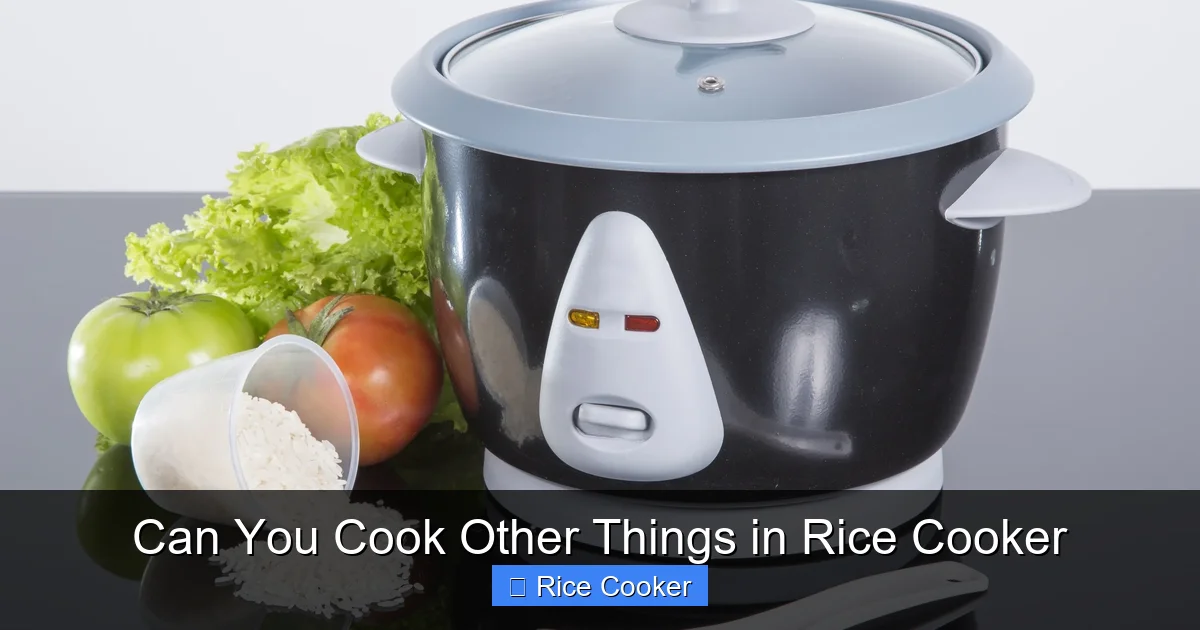
Yes, you can absolutely cook other things in a rice cooker! While most people only think of it for steaming rice, this handy kitchen tool is surprisingly versatile. From fluffy oatmeal to steamed vegetables, tender stews, and even desserts, the rice cooker opens up a world of culinary possibilities. With just a few simple modifications, you can turn one appliance into a multi-functional cooking station that saves time and energy.
Key Takeaways
- Versatility Beyond Rice: A rice cooker isn’t just for rice—it can cook grains, steam vegetables, simmer soups, and even bake desserts.
- Energy Efficient: Using a rice cooker for multiple dishes reduces overall cooking time and saves on electricity compared to using multiple appliances.
- Healthy Cooking Options: You can easily prepare healthy meals like steamed fish, oatmeal, or vegetable stews without extra oil or fat.
- Consistent Results: The automatic temperature control ensures even cooking and prevents burning, giving reliable outcomes every time.
- Easy Cleanup: Most rice cookers come with non-stick inner pots, making cleanup quick and hassle-free.
- Space-Saving Design: Instead of cluttering your kitchen with multiple gadgets, one rice cooker can replace several functions.
- Beginner-Friendly: Even if you’re not an experienced cook, using a rice cooker is simple and requires minimal supervision.
📑 Table of Contents
- Can You Cook Other Things in Rice Cooker?
- Why Rice Cookers Are More Than Just Rice Boilers
- Cooking Grains and Cereals Beyond Rice
- Steaming Vegetables and Fish Like a Pro
- Soups, Stews, and One-Pot Meals
- Baking Cakes, Puddings, and Desserts
- Meal Prep and Batch Cooking Made Easy
- Tips for Maximizing Your Rice Cooker’s Potential
- Common Mistakes to Avoid
- Conclusion: The Rice Cooker Is Your New Kitchen MVP
Can You Cook Other Things in Rice Cooker?
Have you ever looked at your rice cooker and thought, “That’s it? Just for rice?” If so, you’re not alone. For years, rice cookers were seen as single-purpose appliances—a convenient tool for boiling rice but little else. But here’s the truth: a rice cooker is far more than just a rice boiler. With its precise temperature control, sealed cooking environment, and user-friendly interface, this humble kitchen gadget can do wonders beyond the white stuff.
In recent years, home cooks and food enthusiasts have discovered that rice cookers are actually one of the most versatile appliances in the modern kitchen. Whether you’re meal-prepping for the week, trying to eat healthier, or just looking for ways to simplify your cooking routine, a rice cooker can be your secret weapon. In fact, many professional chefs now recommend rice cookers for tasks like steaming fish, making risotto, or even baking bread. So yes—you absolutely can cook other things in a rice cooker, and the possibilities are nearly endless.
Why Rice Cookers Are More Than Just Rice Boilers
To understand why a rice cooker can cook so much more than rice, let’s take a quick look at how it works. Most modern rice cookers use induction heating and automatic temperature regulation. They monitor the internal temperature and adjust heat accordingly—boiling water for initial cooking, then shifting to a gentle simmer to keep the contents warm without overcooking.

Visual guide about Can You Cook Other Things in Rice Cooker
Image source: i.pinimg.com
This intelligent design makes them ideal for any dish that benefits from consistent, moderate heat. Unlike stovetop cooking, where heat distribution can vary, a rice cooker maintains a steady environment. This means you don’t have to babysit your food or worry about burning it. It’s especially helpful for dishes that require patience and precision, like oats or slow-cooked beans.
The Science Behind the Versatility
Rice cookers operate within a closed system, which traps steam and moisture. This sealed environment allows for efficient steaming and simmering, both of which are key to preparing a wide variety of foods. When you cook rice, the absorbed water turns into steam, helping cook the grains evenly. The same principle applies when you’re making quinoa, barley, or even pasta.
Additionally, many rice cookers come with multiple settings—such as “slow cook,” “steam,” or “warm”—which further expand their usefulness. Some high-end models even include a yogurt-making function or a dedicated cake-baking mode. Even basic models can be used creatively with the right techniques.
Cooking Grains and Cereals Beyond Rice
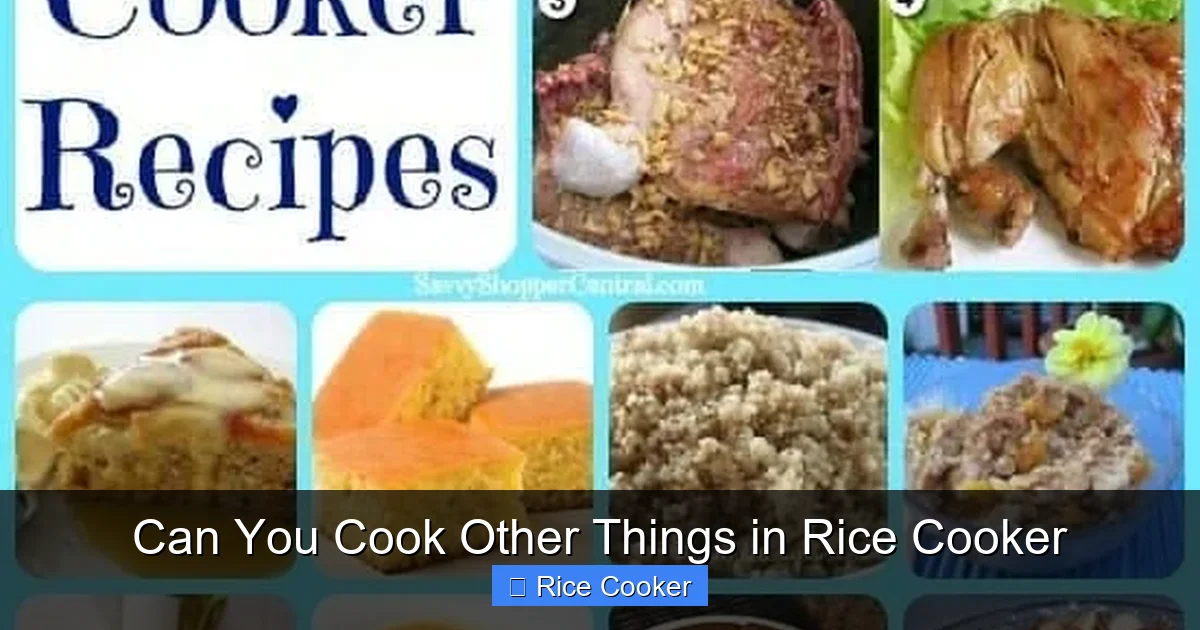
While rice is the star, a rice cooker can handle almost any grain with ease. Oats, quinoa, barley, millet, and farro all benefit from the controlled heat and moisture retention of a rice cooker. Here’s how to get started:
Visual guide about Can You Cook Other Things in Rice Cooker
Image source: i.pinimg.com
Oatmeal Made Perfect Every Time
If you’ve ever made oatmeal on the stove, you know how tricky it can be—stir constantly to prevent sticking or scorching. A rice cooker eliminates all that stress. Simply combine rolled oats, water (or milk), a pinch of salt, and your favorite toppings (like berries, nuts, or honey) in the inner pot. Set it to the “grain” or “manual” setting, and let it do the work.
The result? Creamy, evenly cooked oatmeal that requires no stirring and no cleanup. You can even make overnight oats by mixing everything the night before and letting the cooker do its magic in the morning. It’s a game-changer for busy mornings.
Cooking Quinoa Without the Bitter Aftertaste
Quinoa has a reputation for being difficult to cook properly—especially if you end up with that dreaded bitter taste. That’s because it contains saponins, a natural coating that needs to be rinsed off thoroughly. Once you rinse the quinoa well, cooking it in a rice cooker ensures perfect texture and flavor every time.
Use a 2:1 ratio of water to quinoa, add a pinch of salt, and set the cooker to the “grain” setting. In about 15 minutes, you’ll have fluffy, protein-rich quinoa ready for salads, bowls, or side dishes.
Barley and Farro: Hearty and Nutritious
These ancient grains are packed with fiber and nutrients but often require long cooking times on the stovetop. A rice cooker simplifies the process. For barley, use a 3:1 water-to-grain ratio and cook for 40–50 minutes. Farro takes slightly longer—about 45–60 minutes—but the results are worth it.
Both grains are excellent in soups, stews, or as a base for grain bowls. Plus, they’re gluten-free options when choosing certified varieties.
Steaming Vegetables and Fish Like a Pro
One of the best-kept secrets of the rice cooker is its ability to steam food. The built-in steaming basket (found in most models) allows you to cook vegetables, dumplings, or fish without losing nutrients or flavor. Steam cooking preserves vitamins and minerals better than boiling or frying.
Steamed Broccoli and Carrots
Place chopped broccoli florets and carrots in the steamer basket. Add a splash of water to the inner pot, place the basket inside, and cover. Set the timer for 8–10 minutes. The result is tender-crisp vegetables with vibrant color and maximum nutrition.
Perfectly Steamed Fish Fillets
Season fish fillets with soy sauce, ginger, garlic, and a touch of sesame oil. Place them in the steamer basket, add water to the pot, and cook for 10–12 minutes until the fish flakes easily. This method produces moist, flavorful fish that’s ready in under 15 minutes.
Dumplings and Buns
You can even steam dumplings, bao buns, or even eggs in a rice cooker. Just place them in the steamer tray and follow the timing recommended for similar stovetop steaming. It’s a foolproof way to enjoy restaurant-quality steamed dishes at home.
Soups, Stews, and One-Pot Meals
Many people don’t realize that rice cookers are excellent for making soups and stews. The slow, gentle heat helps meld flavors and tenderize tougher cuts of meat. While not all models have a dedicated “slow cook” setting, most can handle low-and-slow cooking with the right technique.
Hearty Vegetable Soup
Combine diced onions, carrots, celery, tomatoes, beans, and your choice of herbs in the inner pot. Add enough broth or water to cover, and cook on the “porridge” or “manual” setting for 30–45 minutes. The rice cooker will maintain a simmer, allowing the flavors to develop beautifully.
Chicken and Rice Soup
This classic comfort food comes together quickly in a rice cooker. Sauté chicken pieces (optional, or use store-bought rotisserie chicken), add rice, broth, onions, and seasonings. Cook for 45–60 minutes until the rice is tender and the chicken is fully heated through.
Beef Stew
For a richer stew, brown beef chunks before adding them to the pot with potatoes, carrots, and broth. Cook on low for 1–1.5 hours. The rice cooker keeps the stew at the perfect simmer without boiling away the liquid.
Pro tip: Use a lid with a vent or slightly prop it open to allow steam to escape if your model doesn’t have a built-in steaming function. This prevents excess pressure buildup.
Baking Cakes, Puddings, and Desserts
Yes, you read that right—you can bake cakes in a rice cooker! This may sound surprising, but the even heat distribution and enclosed space make it ideal for desserts. Plus, it’s a great way to avoid oven cleanup.
Rice Cooker Chocolate Cake
Mix flour, sugar, cocoa powder, eggs, milk, and a bit of oil in the inner pot. Stir well to remove lumps, then cook on the “cake” or “manual” setting for 30–40 minutes. The result is a rich, moist chocolate cake with no need for a mixer or oven.
Fluffy Jiggly Pudding
Combine milk, sugar, cornstarch, and vanilla in the pot. Stir continuously (or use a whisk attachment if your model supports it) and cook on medium heat until thickened. The rice cooker keeps the mixture from scorching while achieving a silky consistency.
Overnight Rice Pudding
Mix rice, milk, cinnamon, and raisins. Let it sit overnight in the refrigerator, then cook on the “warm” or “manual” setting for 20–30 minutes. The result is creamy, comforting pudding that’s perfect for breakfast or dessert.
Meal Prep and Batch Cooking Made Easy
If you’re serious about saving time during the week, a rice cooker is your new best friend. You can prepare large batches of grains, legumes, or even soups in one go and store them for later.
Batch-Cooked Brown Rice
Cook a big pot of brown rice on Sunday and use it for lunches all week. It reheats beautifully in the microwave or on the stove.
Overnight Chili
Combine beans, tomatoes, chili powder, and ground meat in the rice cooker. Cook on low for 6–8 hours. The result is a flavorful, hearty meal with minimal effort.
Veggie-Packed Grain Bowls
Cook quinoa or farro, steam a mix of seasonal vegetables, and toss with tahini dressing. Assemble in jars for grab-and-go meals.
Tips for Maximizing Your Rice Cooker’s Potential
Ready to unlock the full potential of your rice cooker? Here are some expert tips to help you get the most out of this versatile appliance:
- Use the Right Liquid Ratio: Always follow recommended water or liquid ratios for grains and soups. Too little liquid leads to dryness; too much makes things mushy.
- Preheat for Better Results: For certain recipes like cakes or puddings, preheating the cooker for 2–3 minutes can improve texture.
- Stir Occasionally: For recipes like oatmeal or soup, stir once or twice during cooking to prevent sticking and ensure even heat distribution.
- Clean the Inner Pot Regularly: Residue from different foods can affect future cooking. Clean the pot after each use to maintain performance.
- Experiment with Flavors: Add herbs, spices, or aromatics like garlic, ginger, or bay leaves to infuse extra flavor into your dishes.
- Check the Manual: Different models have unique features. Reading the instruction manual can reveal hidden functions you didn’t know existed.
Common Mistakes to Avoid
Even with all its benefits, there are a few pitfalls to watch out for when using your rice cooker beyond rice:
- Using Too Much Liquid: Overfilling can cause spills or affect cooking performance. Stick to the recommended amounts.
- Ignoring the Steamer Basket: Not all rice cookers come with a steamer basket, but if yours does, use it! It’s essential for steaming vegetables and fish.
- Opening the Lid Too Often: Each time you open the lid, heat escapes, slowing down the cooking process. Only open when necessary.
- Using Metal Utensils: Always use silicone, wood, or plastic utensils to avoid scratching the non-stick coating.
- Skipping Pre-Cooking Steps: For meats or tough vegetables, consider sautéing or blanching first to speed up cooking time.
Conclusion: The Rice Cooker Is Your New Kitchen MVP
So, can you cook other things in a rice cooker? Absolutely. In fact, once you start experimenting, you’ll wonder how you ever lived without this multitasking marvel. From breakfast oatmeal to dinner stews and even dessert cakes, the rice cooker proves that simplicity and efficiency go hand in hand.
Whether you’re a college student, a busy parent, or someone who loves healthy eating, a rice cooker offers a low-effort, high-reward way to prepare delicious meals. It’s affordable, easy to clean, and surprisingly powerful. And the best part? You don’t need to be a chef to use it.
Next time you reach for your rice cooker, remember: you’re not just cooking rice. You’re opening the door to a world of flavor, nutrition, and convenience. So go ahead—try that chocolate cake, whip up a batch of quinoa, or steam a whole chicken. Your taste buds—and your schedule—will thank you.
Frequently Asked Questions
Can you make pasta in a rice cooker?
Yes, you can make pasta in a rice cooker! Use a 3:1 water-to-pasta ratio and cook for 8–12 minutes, depending on the type of pasta. Stir occasionally to prevent sticking.
Is it safe to cook meat in a rice cooker?
Absolutely. Just ensure the meat reaches a safe internal temperature. Chicken should reach 165°F (74°C), and ground beef should hit 160°F (71°C).
Can you cook eggs in a rice cooker?
Yes, hard-boiled eggs are easy to make. Place eggs in the steamer basket, add water to the pot, and cook for 12–15 minutes. Let them cool before peeling.
Do I need special ingredients to cook other things in a rice cooker?
Nope. You can use regular kitchen staples like water, oil, salt, and your favorite spices. No exotic tools or ingredients required.
Can a rice cooker replace multiple kitchen appliances?
For many households, yes. A rice cooker can replace a steamer, slow cooker, blender (for smoothies), and even a microwave for reheating.
How do I clean my rice cooker after cooking other foods?
Most inner pots are removable and dishwasher-safe. Wash with warm, soapy water, and wipe the exterior with a damp cloth. Avoid submerging electrical parts.