
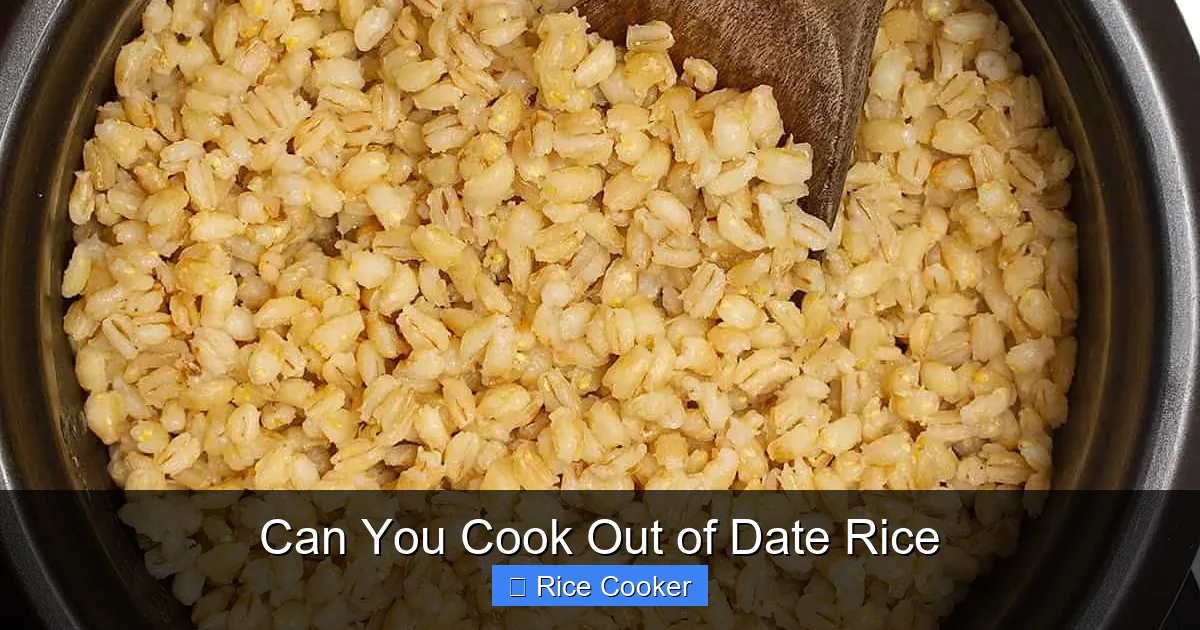
Can you cook out of date rice? Yes, but only if it has been stored properly and hasn’t shown signs of spoilage. Rice can last up to 6 months past its expiration date when kept in an airtight container in a cool, dry place. However, never consume rice that smells off, feels slimy, or shows mold. Always check for these warning signs before cooking to ensure your meal is safe and delicious.
Cooking out of date rice is common and often safe—especially if it’s been refrigerated or frozen. But understanding how rice ages, what causes spoilage, and how to test its freshness helps prevent foodborne illness. With proper storage and smart reheating techniques, even slightly old rice can make a tasty meal.
Have you ever found yourself staring at a bag of rice with a “best by” date long past, wondering if it’s still safe to cook? You’re not alone. Many home cooks face this dilemma, especially when trying to reduce food waste or stretch their grocery budget. The good news? In most cases, you can cook out of date rice, as long as it’s been stored properly and shows no signs of spoilage.
Rice is a staple in kitchens worldwide—whether it’s white, brown, jasmine, basmati, or wild. It’s affordable, versatile, and pairs well with countless dishes. But despite its durability, rice isn’t immune to aging. Over time, it can develop off-odors, lose nutritional value, or become a breeding ground for harmful bacteria if mishandled. This article dives deep into everything you need to know about cooking expired rice safely, how to tell if it’s gone bad, and how to maximize its shelf life.
Key Takeaways
- Expired rice isn’t always spoiled: Rice can remain safe to eat for several months after its “best by” date if stored correctly.
- Proper storage is key: Keep rice in airtight containers away from moisture, heat, and light to extend shelf life.
- Watch for spoilage signs: Bad smells, slimy texture, discoloration, or visible mold mean the rice should be discarded.
- Reheat thoroughly: When cooking out of date rice, ensure it reaches 165°F (74°C) to kill any potential bacteria like Bacillus cereus.
- Cooked rice lasts longer: Leftover cooked rice should be cooled quickly and refrigerated within 2 hours to prevent bacterial growth.
- Freezing extends life: Freezing rice slows spoilage significantly—frozen rice can stay safe for up to 1 year.
- Trust your senses: If it looks, smells, or feels off, it’s better to throw it out than risk food poisoning.
📑 Table of Contents
- Understanding Rice Shelf Life
- Signs Your Rice Has Gone Bad
- Can You Cook Out of Date Rice Safely?
- Preventing Spoilage: Best Practices for Storing Rice
- Types of Rice and Their Shelf Lives
- Health Risks of Eating Old or Spoiled Rice
- Practical Tips for Using Out of Date Rice
- Conclusion: Yes, You Can Cook Out of Date Rice—But Stay Smart
Understanding Rice Shelf Life
Before deciding whether to cook out of date rice, it’s important to understand how long rice actually stays good. Unlike perishable foods such as meat or dairy, rice has a surprisingly long shelf life—especially when stored correctly.
Uncooked rice, whether white or brown, can last anywhere from 2 to 5 years when kept in its original packaging and stored in a cool, dry place. Once opened, it’s best to transfer it to an airtight container to protect it from moisture and pests. Brown rice, due to its higher oil content, tends to go rancid faster than white rice and should ideally be used within 6 months to a year.
Cooked rice, on the other hand, is more vulnerable. Because it contains moisture, it becomes a prime target for bacterial growth, particularly Bacillus cereus, which produces toxins that can cause food poisoning. That’s why cooked rice should never sit at room temperature for more than 2 hours—even if it looks and smells fine.
What Does “Out of Date” Really Mean?
The phrase “out of date” can be misleading. Most rice packages list a “best by,” “use by,” or “sell by” date. These are not expiration dates but rather guidelines for peak quality. After this date, the rice may not taste as fresh or retain its full aroma and texture, but it’s generally still safe to consume—provided it’s been stored properly.
Manufacturers include these dates to ensure consumers get the best experience during the product’s most flavorful period. For example, jasmine rice might lose some floral notes over time, and basmati could become slightly less fragrant. But unless there’s visible damage, unusual odors, or physical changes, the rice remains edible.
That said, if you’re cooking out of date rice that’s been sitting in a damp pantry near the stove for years, don’t expect it to taste great. Heat and humidity accelerate spoilage, so storage conditions play a huge role in determining safety and quality.
Signs Your Rice Has Gone Bad
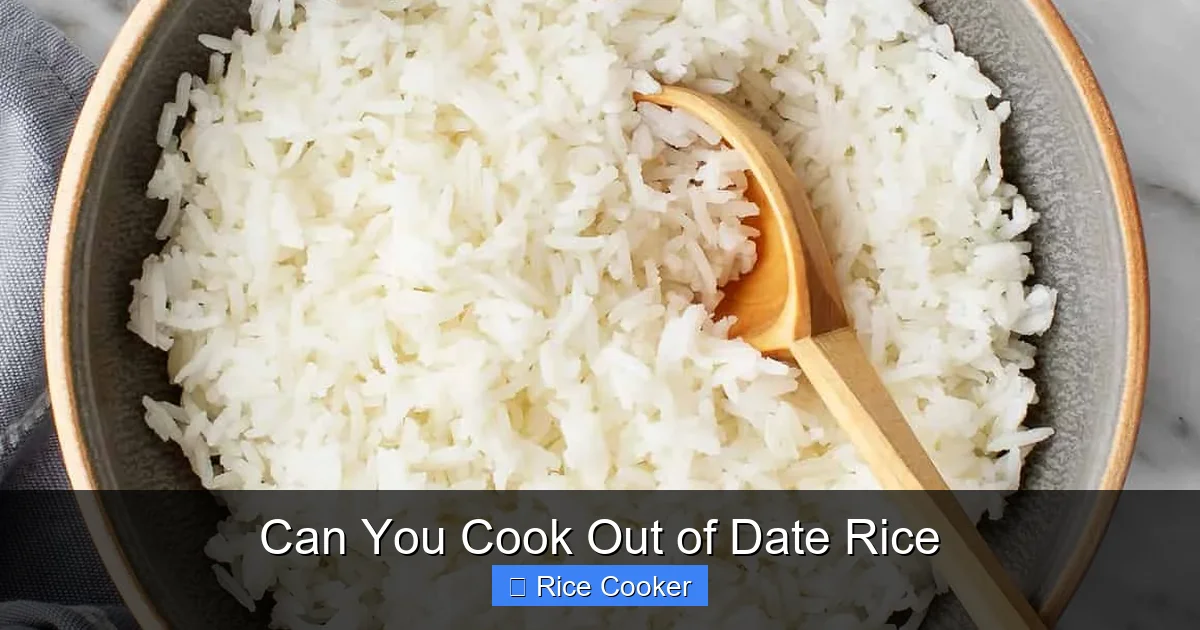
Visual guide about Can You Cook Out of Date Rice
Image source: cdn.loveandlemons.com
Even if your rice is technically still within a safe consumption window, certain red flags indicate it’s time to toss it. Trust your senses—they’re your best defense against foodborne illness.
Visual Cues
Keep an eye out for discoloration. Fresh rice should have a uniform color—white for white rice, light brown for brown rice. If you notice patches of black, green, or gray spots, it’s likely moldy and unsafe. Also, if the rice appears clumpy or sticky when dry, it may have absorbed too much moisture and begun to ferment or spoil.
Smell Test
Fresh rice has a mild, slightly nutty or earthy scent. If it smells sour, rotten, or musty—especially if it reminds you of wet cardboard or ammonia—it’s a clear sign of spoilage. Rancid rice, particularly brown rice, will emit a bitter, oily odor due to oxidized fats.
Texture Check
When you open the package, gently rub a few grains between your fingers. Normal rice should feel dry and separate easily. If it feels slimy, greasy, or clumpy, avoid cooking it. This texture often indicates bacterial contamination or fungal growth.
Can You Cook Out of Date Rice Safely?
Visual guide about Can You Cook Out of Date Rice
Image source: recipes.net
Yes, you absolutely can cook out of date rice—but only if it passes the smell, sight, and touch tests. Cooking doesn’t automatically make expired food safe, but it does kill surface bacteria. However, some toxins produced by Bacillus cereus, which can grow in cooked rice, are heat-resistant and won’t be destroyed by reheating.
This means that simply boiling old rice won’t eliminate all risks if the rice was already contaminated. The safest approach is to assess the rice’s condition before cooking and follow proper reheating procedures.
How Long Is Cooked Rice Safe?
According to the USDA, cooked rice should be refrigerated within 2 hours of cooking and consumed within 4–6 days. If you’re cooking out of date rice that’s already been stored for weeks, it’s crucial to follow strict handling rules.
Never leave cooked rice at room temperature for more than 2 hours, and always reheat it to at least 165°F (74°C) before eating. Use a food thermometer to confirm internal temperature, especially if serving to children, elderly individuals, or those with weakened immune systems.
Reheating Techniques
To cook out of date rice safely, start by rinsing it under cold water to remove any dust or debris. Then, bring it to a boil in a pot with a bit of water or broth, cover, and simmer for 10–15 minutes. Stir occasionally to ensure even heating. Alternatively, you can steam it using a rice cooker or microwave with a damp paper towel to prevent drying.
Adding a splash of vinegar or lemon juice during reheating can help restore flavor and inhibit bacterial growth. Season with salt, herbs, or spices to mask any off-flavors that may have developed.
Preventing Spoilage: Best Practices for Storing Rice
The best way to enjoy out of date rice is to prevent it from going bad in the first place. Proper storage dramatically extends shelf life and maintains quality.
Airtight Containers
Transfer rice to glass or BPA-free plastic containers with tight-fitting lids. Avoid cardboard boxes once opened, as they offer little protection against moisture and pests. Airtight storage keeps oxygen out, slowing oxidation and rancidity.
Cool, Dry Place
Store rice in a pantry or cupboard away from heat sources like stoves, ovens, or dishwashers. High temperatures speed up chemical reactions that degrade quality. Also, keep it away from strong-smelling foods, as rice can absorb odors over time.
Label and Date
Always label your rice containers with the purchase or opening date. This helps you track how long it’s been stored and prioritize older stock. When cooking out of date rice, use the oldest containers first to maintain freshness.
Freezing for Longevity
For long-term storage, freeze rice in portion-sized bags or containers. Frozen rice can last up to 1 year without significant quality loss. Thaw overnight in the refrigerator before reheating. Note that freezing can affect texture slightly, making it chewier, but it remains perfectly safe to eat.
Types of Rice and Their Shelf Lives
Not all rice behaves the same way. Different varieties have varying shelf lives based on processing, oil content, and storage needs.
White Rice
White rice undergoes milling, removing the bran and germ, which reduces oil content and extends shelf life. Unopened, it can last 2–3 years. Once opened, store in an airtight container for up to 6 months.
Brown Rice
Rich in nutrients and fiber, brown rice also contains oils that oxidize over time. It should be used within 6 months to a year. To prolong freshness, consider refrigerating or freezing brown rice.
Wild Rice
Long-grain wild rice has a nuttier flavor and firmer texture. It lasts about 2–3 years unopened and 6–8 months after opening. Store similarly to white rice.
Sushi Rice and Specialty Varieties
Short-grain varieties like sushi rice are starchier and more prone to sticking. They’re best used within 3–6 months post-opening. Keep them sealed and away from humidity.
Health Risks of Eating Old or Spoiled Rice
While cooking out of date rice is usually safe, consuming spoiled rice can lead to foodborne illness. The primary culprit is Bacillus cereus, a bacterium commonly found in soil and grains. When cooked rice is left at room temperature, these spores can multiply and produce toxins.
There are two types of B. cereus-related illness:
1. **Emetic type**: Causes vomiting within 1–6 hours of ingestion. Symptoms include nausea, stomach cramps, and projectile vomiting.
2. **Diarrheal type**: Leads to diarrhea and abdominal pain 6–15 hours after eating. It typically resolves within 24 hours.
Unlike many bacteria, B. cereus spores survive normal cooking temperatures. That’s why improper cooling and reheating of cooked rice pose such a high risk.
If you experience symptoms after eating old rice, seek medical attention, especially if vomiting or diarrhea persists.
Practical Tips for Using Out of Date Rice
Still wondering how to make the most of expired rice? Here are some creative and safe ways to repurpose it.
Rice Pudding
Turn old rice into a comforting dessert. Simmer with milk, sugar, cinnamon, and raisins until creamy. The long cooking process ensures thorough reheating and masks any off-flavors.
Risotto
Use leftover rice to make risotto by slowly adding hot broth while stirring. The starchiness of aged rice works well for creamy textures.
Fried Rice
Stir-fry rice with vegetables, eggs, soy sauce, and your choice of protein. High heat and added ingredients help disguise any subtle changes in taste.
Rice Cakes or Griddle Cakes
Mix cooked rice with flour, egg, and seasonings, then pan-fry into savory cakes. Perfect for breakfast or snacks.
Rice Flour or Crumbs
Grind dried rice into flour for gluten-free baking or use as breading for fried foods. Just ensure it’s completely dry and free of mold.
Remember: even if the rice tastes slightly bland, it can still be nutritious and filling when prepared with flavorful additions.
Conclusion: Yes, You Can Cook Out of Date Rice—But Stay Smart
In short, yes, you can cook out of date rice—but only if it’s been stored properly and shows no signs of spoilage. The key is knowing how to judge freshness and taking precautions when reheating. While rice can last for months or even years past its “best by” date, proper handling is essential to avoid foodborne illness.
By storing rice in airtight containers, keeping it cool and dry, and using your senses to assess quality, you can safely enjoy even older batches. And with creative recipes, you can transform slightly stale rice into delicious meals without waste.
So next time you find that bag of rice past its prime, don’t toss it immediately. Give it a sniff, a glance, and a feel—then decide. With these tips, you’ll never second-guess your rice again.
Frequently Asked Questions
Can you eat rice that’s past its expiration date?
Yes, rice can often be eaten safely past its “best by” date if stored properly. The date mainly reflects quality, not safety. Always check for spoilage signs like bad smell, mold, or sliminess before cooking.
How long can you keep cooked rice in the fridge?
Cooked rice should be refrigerated within 2 hours of cooking and consumed within 4–6 days. For best results, cool it quickly and store in shallow containers to reduce bacterial growth.
Does cooking rice kill all bacteria?
Cooking kills surface bacteria, but Bacillus cereus spores can survive and produce heat-resistant toxins. That’s why reheating cooked rice to 165°F (74°C) is crucial to minimize risk.
Is it safe to freeze rice?
Yes, freezing rice is safe and extends its shelf life up to 1 year. Thaw in the refrigerator before reheating. Note that texture may change slightly, but the rice remains edible and nutritious.
Why does my rice smell sour?
A sour smell indicates spoilage, possibly due to mold, bacterial growth, or rancidity—especially in brown rice. Discard rice with off odors to avoid food poisoning.
Can I use rice that has mold on it?
No, do not use rice with visible mold. Even if you cut away the moldy parts, toxins may have spread. Moldy rice poses health risks and should be thrown away immediately.