
You can cook packaged rice in a rice cooker—no extra steps needed! Most pre-cooked or instant rice works great straight from the package. Just add water, press start, and let your rice cooker do the rest. It’s a fast, foolproof way to make fluffy rice without any guesswork.
Have you ever opened a bag of pre-cooked rice and wondered if you could just toss it into your rice cooker and hit “start”? The answer is yes—most packaged rice is perfectly suited for your rice cooker, whether it’s instant, frozen, or pre-steamed. In fact, using a rice cooker for packaged rice is one of the easiest and most reliable ways to get fluffy, evenly cooked grains every single time.
Whether you’re making quick lunches, reheating leftovers, or preparing side dishes for dinner, knowing how to cook packaged rice in a rice cooker saves time and reduces mess. No more boiling water on the stove or juggling multiple pots. Your trusty appliance can handle it all—and do it with precision.
In this complete guide, we’ll walk you through everything you need to know about cooking packaged rice in a rice cooker: which types work best, how to measure water, what settings to use, and how to avoid common pitfalls like mushy or undercooked grains. Plus, we’ll share pro tips so your rice turns out restaurant-quality every time.
Key Takeaways
- Packaged rice is rice cooker-friendly: Pre-cooked, frozen, or instant rice can all be reheated or finished in a rice cooker with minimal effort.
- No need to drain or rinse: Unlike raw rice, packaged rice usually doesn’t require rinsing or draining before cooking.
- Adjust water levels carefully: Too much water leads to mushy rice; too little makes it dry. Start with the package instructions as a guide.
- Use the right settings: White rice or brown rice modes work best for most packaged varieties. Some models have “reheat” or “warm” options for leftover rice.
- Fluff and rest after cooking: Let the rice sit for 5–10 minutes after the cycle ends to absorb moisture evenly and achieve perfect texture.
- Safety tip: Always check the packaging for specific cooking instructions—some brands recommend microwave or stovetop methods instead.
📑 Table of Contents
- What Is Packaged Rice?
- Can You Cook Packaged Rice in a Rice Cooker?
- How to Cook Packaged Rice in a Rice Cooker: Step-by-Step Guide
- Tips for Perfectly Fluffy Packaged Rice
- Common Mistakes and How to Avoid Them
- Comparing Rice Cooker vs. Other Methods
- Special Cases: What About Brown Rice or Gluten-Free Options?
- Storing and Reheating Leftover Packaged Rice
- Frequently Asked Questions
What Is Packaged Rice?
Before diving into cooking methods, let’s clarify what “packaged rice” actually means. Packaged rice refers to any form of rice that comes pre-prepared and ready to eat or heat up. This includes:
- Instant rice: Already partially cooked and dried, often labeled as “instant white rice” or “quick-cooking rice.”
- Pre-cooked/frozen rice: Flash-frozen rice that’s been steamed or parboiled ahead of time—common in Asian supermarkets or meal kits.
- Precooked rice cups or packets: Single-serving portions sold in sealed plastic containers or pouches (often used in schools or offices).
- Rice mixes: Blends of rice with vegetables, seasonings, or sauces, sometimes labeled as “ready-to-heat.”
Unlike raw rice, packaged rice has already undergone some level of processing. That means it doesn’t need soaking or long cooking times. Instead, its job is simply to absorb moisture and heat to become fully tender—perfect for a rice cooker.
Can You Cook Packaged Rice in a Rice Cooker?
Absolutely! Most packaged rice is designed to be reheated or finished using standard appliances like microwaves or rice cookers. The key difference between cooking raw rice and packaged rice lies in the amount of water and the cooking time.
When you cook raw rice in a rice cooker, the appliance heats the water, which then steams and cooks the starch inside each grain until it absorbs all the liquid. With packaged rice, however, the grains are already partially cooked. So instead of cooking from scratch, your rice cooker is essentially doing two things:
- Rehydrating the rice (if it’s dried or frozen)
- Heating it to serving temperature
Because of this, packaged rice typically requires less water and shorter cooking times than raw rice. But don’t worry—your rice cooker will still handle it like a pro.
Types of Packaged Rice That Work Best
Not all packaged rice is created equal, and some work better than others in a rice cooker. Here are the most compatible types:
Instant rice: These are probably the most common and easiest to use. Brands like Uncle Ben’s or Minute Rice are made by parboiling and drying the grains, so they only need hot water to soften. When cooking in a rice cooker, use slightly less water than the package suggests—about ¾ cup water per 1 cup of rice.
Frozen precooked rice: Popular in many Asian households, frozen rice is flash-frozen after being steamed. To cook it in a rice cooker, thaw it slightly at room temperature or in warm water first. Then follow the same method as instant rice—add water and let the machine do its thing.
Precooked rice in plastic cups: These are convenient but may contain added sauces or oils. Open the cup, pour the contents into the rice cooker bowl, add a splash of water, and cook on “white rice” mode. Be cautious with excess oil—too much can make the rice greasy.
Rice mixes: If you’re using a mix with vegetables or seasonings, check the label. Some are meant to be microwaved only. Others can go straight into the rice cooker. Add extra water if needed, especially if the mix includes dry ingredients.
How to Cook Packaged Rice in a Rice Cooker: Step-by-Step Guide
Ready to try it yourself? Follow these simple steps for foolproof results:
1. Prepare Your Rice Cooker
Make sure your rice cooker bowl is clean and dry. Remove any old rice residue—it can affect flavor and texture. Place the inner pot back into the base securely.
2. Measure the Rice
Use measuring cups to scoop the packaged rice directly from the bag or container. There’s no need to rinse or drain it (unless the package says otherwise). For reference:
- 1 cup packaged rice = about 180–200 grams (depending on brand)
- Most rice cookers hold 1–10 cups; choose a size based on how much you need.
3. Add Water
This is the most critical step. Too little water = dry, hard rice. Too much = soggy, mushy mess.
General rule: Use ½ to ¾ cup of water per 1 cup of packaged rice. Start at the lower end if your rice is very moist or if you prefer firmer grains.
If you’re unsure, begin with ¼ cup extra water than what the package recommends for microwave heating. You can always add more during cooking if needed, but you can’t remove excess water afterward.
4. Select the Right Setting
Most rice cookers have preset programs:
- White rice: Ideal for most packaged white or instant rice.
- Brown rice: Use only if your packaged rice is whole grain or brown rice-based.
- Quick cook: Not recommended—this setting is too aggressive and may overcook packaged rice.
- Warm/reheat: Great for leftover rice that just needs to be brought back to temperature.
For best results, stick with “white rice” or “normal” mode unless your rice cooker has a specific “reheat” function.
5. Start Cooking
Close the lid and press the power button. The rice cooker will automatically heat the water and cook the rice. Total time varies by model but usually takes 10–20 minutes.
Avoid opening the lid frequently—steam escapes, and temperature drops, which affects consistency.
6. Let It Rest
Once the cycle ends, let the rice sit undisturbed for 5–10 minutes with the lid closed. This allows residual steam to distribute evenly and gives the grains time to finish absorbing any remaining moisture. Then fluff gently with a fork.
Tips for Perfectly Fluffy Packaged Rice
Even though packaged rice is convenient, small tweaks can make a big difference in taste and texture. Try these expert tips:
Don’t overfill the pot: Rice expands as it cooks. Leave at least ½ inch of space between the top of the rice and the rim of the pot to prevent overflow.
Use room-temperature water: Cold water slows down the cooking process and can lead to uneven heating. Warm water helps maintain consistent steam.
Add flavor enhancers (optional): Stir in a pinch of salt, a pat of butter, or a teaspoon of olive oil after adding water for richer taste.
Check consistency mid-cycle (advanced users):**
Some high-end rice cookers allow you to pause and peek. If the rice looks too wet, cover it loosely with a paper towel and return it to the machine briefly.
Avoid stirring during cooking:**
Stirring breaks the delicate structure of the grains and causes them to become sticky or uneven.
Clean your rice cooker regularly:**
Residue from previous batches can alter the flavor of new rice. Wipe the interior and exterior after each use.
Common Mistakes and How to Avoid Them
Even experienced cooks run into issues now and then. Here’s how to sidestep the most frequent problems when cooking packaged rice in a rice cooker:
Mistake #1: Using Too Much Water
Result: Mushy, glue-like rice that sticks together.
Solution: Start with less water than the package suggests. Taste a few grains halfway through cooking—if they’re still chewy, add another spoonful of water and continue. If they’re soft but not soupy, stop.
Mistake #2: Skipping the Resting Period
Result: Wet, unevenly heated rice.
Solution: Always let the rice sit for at least 5 minutes after the cycle ends. This step is non-negotiable for achieving fluffy texture.
Mistake #3: Choosing the Wrong Mode
Result: Overcooked or burnt rice, especially on “quick cook” or “pressure” settings.
Solution: Stick to “white rice” or “normal” unless your model specifically supports “reheat.”
Mistake #4: Not Cleaning the Inner Pot
Result: Stale or off-flavor rice due to old residues.
Solution: Wash the inner pot with warm, soapy water after each use. Dry thoroughly before storing.
Mistake #5: Ignoring the Package Instructions
Result: Unexpected texture or safety concerns (e.g., certain rice cups aren’t meant for stovetops).
Solution: Always read the label. If it says “microwave only,” consider transferring the contents to a microwave-safe dish before heating in the rice cooker.
Comparing Rice Cooker vs. Other Methods
You might wonder: why choose a rice cooker over other methods like the microwave or stovetop?
Let’s compare:
Rice Cooker: Best for even heating, automatic timing, and hands-off cooking. Ideal for larger batches or when you want perfectly fluffy rice without monitoring.
Microwave: Fastest option for single servings, but harder to control texture. Often results in uneven spots or rubbery edges.
Stovetop: Offers more control over heat, but requires constant attention and stirs to prevent burning.
For packaged rice, the rice cooker strikes the perfect balance between convenience and quality. It’s also gentler on delicate grains than boiling, which can cause clumping.
Special Cases: What About Brown Rice or Gluten-Free Options?
Yes—you can still cook packaged brown rice or gluten-free rice in your rice cooker!
Brown rice packs: Usually labeled as such. They tend to be denser, so you may need slightly more water (¾ to 1 cup per cup of rice) and a longer cooking time. Select the “brown rice” setting if available.
Gluten-free rice blends: These work just like regular packaged rice. Just ensure the product is certified gluten-free if you have sensitivities.
Always verify the ingredient list and cooking directions on the package. Some specialty blends include additives that might behave differently in the cooker.
Storing and Reheating Leftover Packaged Rice
Got extra rice? No problem. Here’s how to store and reuse it:
Refrigeration: Store leftover rice in an airtight container within 2 hours of cooking. It stays fresh for up to 5 days.
Freezing: Portion into freezer-safe bags or containers. Frozen rice lasts up to 1 month. Thaw overnight in the fridge or reheat directly from frozen using the rice cooker’s “reheat” function.
Reheating in the rice cooker: Add 1 tablespoon of water per cup of cold rice, cover, and select “warm” or “reheat.” Let it sit for 10 minutes before fluffing.
Avoid microwaving frozen rice without adding moisture—it dries out quickly.
Frequently Asked Questions
Is it safe to cook packaged rice in a rice cooker?
Yes, as long as the packaging doesn’t specify “microwave only” or “do not heat above 100°F.” Most commercially packaged rice is safe for use in rice cookers. Always follow the manufacturer’s guidelines.
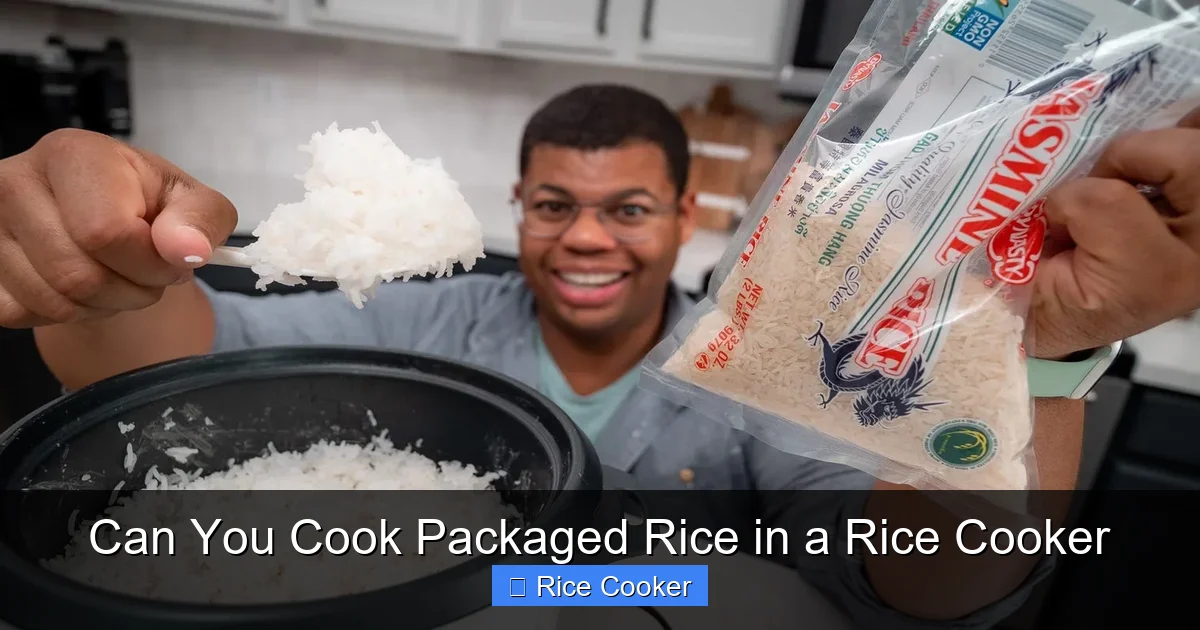
Visual guide about Can You Cook Packaged Rice in a Rice Cooker
Image source: chickenthingsandmore.com
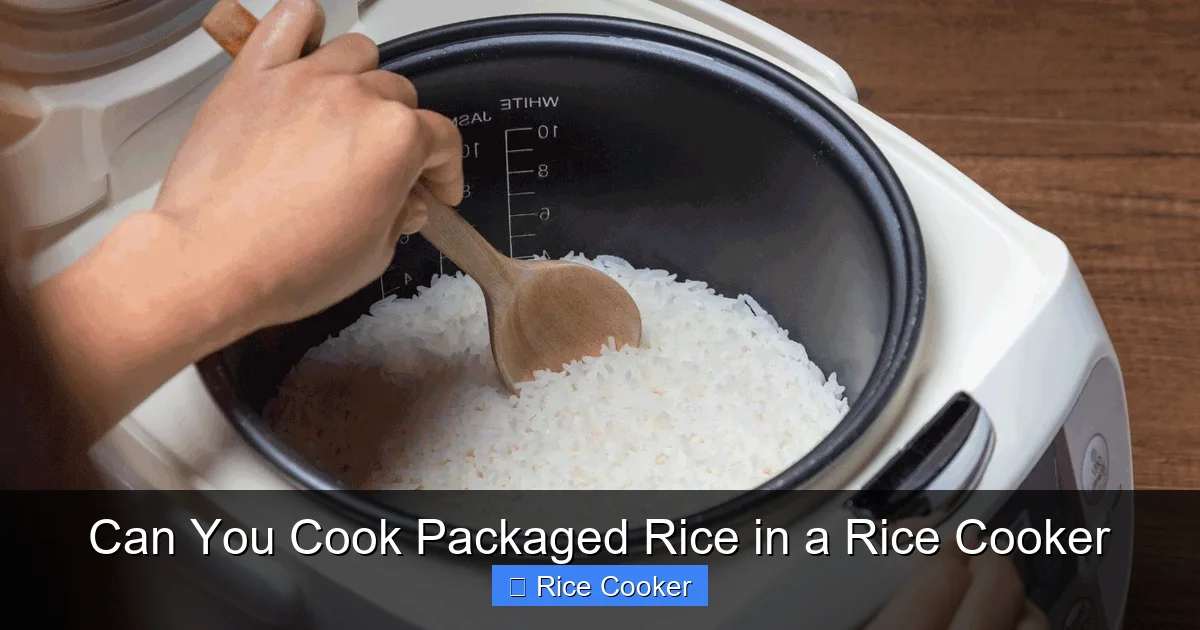
Visual guide about Can You Cook Packaged Rice in a Rice Cooker
Image source: expertreviewsbestricecooker.com
Do I need to rinse packaged rice before cooking?
In most cases, no. Unlike raw rice, packaged rice is pre-washed and processed, so rinsing isn’t necessary and may remove beneficial coatings or reduce fluffiness. Only rinse if the package explicitly says to do so.
Can I cook frozen packaged rice directly from the freezer?
Yes, but for best results, let it sit at room temperature for 15–20 minutes first. Frozen blocks can cause uneven heating. Alternatively, soak it in warm water for 5 minutes before cooking.
Why is my packaged rice still hard after cooking?
This usually means there wasn’t enough water. Try adding a bit more liquid next time—start with ¾ cup per cup of rice. Also, ensure your rice cooker is functioning properly and the heating element is working.
Can I cook rice from a plastic cup in the rice cooker?
Only if the cup is marked as oven-safe or microwave-safe and doesn’t contain excessive oil or sauce. Transfer the contents to the rice cooker bowl first to avoid melting or leakage.
How do I prevent my rice from sticking to the bottom?
Use the correct water ratio, avoid overfilling, and never stir during cooking. After the cycle ends, let the rice rest before lifting the pot. A well-maintained rice cooker with a non-stick coating also helps.
Frequently Asked Questions
Is it safe to cook packaged rice in a rice cooker?
Yes, as long as the packaging doesn’t specify “microwave only” or “do not heat above 100°F.” Most commercially packaged rice is safe for use in rice cookers. Always follow the manufacturer’s guidelines.
Do I need to rinse packaged rice before cooking?
In most cases, no. Unlike raw rice, packaged rice is pre-washed and processed, so rinsing isn’t necessary and may remove beneficial coatings or reduce fluffiness. Only rinse if the package explicitly says to do so.
Can I cook frozen packaged rice directly from the freezer?
Yes, but for best results, let it sit at room temperature for 15–20 minutes first. Frozen blocks can cause uneven heating. Alternatively, soak it in warm water for 5 minutes before cooking.
Why is my packaged rice still hard after cooking?
This usually means there wasn’t enough water. Try adding a bit more liquid next time—start with ¾ cup per cup of rice. Also, ensure your rice cooker is functioning properly and the heating element is working.
Can I cook rice from a plastic cup in the rice cooker?
Only if the cup is marked as oven-safe or microwave-safe and doesn’t contain excessive oil or sauce. Transfer the contents to the rice cooker bowl first to avoid melting or leakage.
How do I prevent my rice from sticking to the bottom?
Use the correct water ratio, avoid overfilling, and never stir during cooking. After the cycle ends, let the rice rest before lifting the pot. A well-maintained rice cooker with a non-stick coating also helps.