
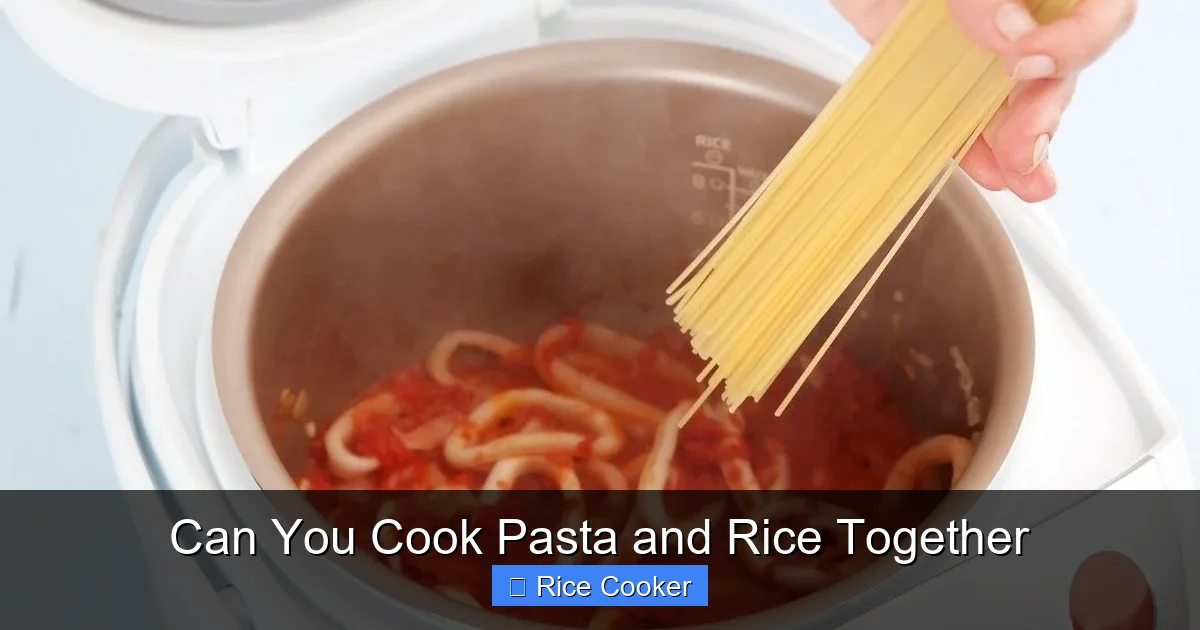
Yes, you can cook pasta and rice together—especially in a rice cooker—but timing and water levels are key. Combining them saves time and creates balanced meals, but improper ratios can lead to mushy or undercooked grains. With the right technique, you can enjoy perfectly cooked pasta and fluffy rice in one pot.
# Can You Cook Pasta and Rice Together?
Have you ever looked at your rice cooker or pot and wondered, “Can I cook pasta and rice together?” It’s a question many home cooks ask—especially those trying to save time or simplify dinner prep. Whether you’re feeding a family, meal prepping for the week, or just want a quick, hearty meal, combining pasta and rice might sound like a great idea. But does it actually work? The short answer: yes—but not without some smart techniques.
Cooking pasta and rice together isn’t about magic—it’s about understanding how each ingredient behaves in water and heat. Both need liquid and time to transform from dry grains into something delicious. However, they have different cooking times and water absorption rates. So, while it’s totally doable, doing it right means knowing when to add what and how much water to use. In this guide, we’ll walk through everything you need to know—from basic methods to creative recipe ideas—so you can make perfect pasta and rice combos every time.
## Why Combine Pasta and Rice?
Before diving into the “how,” let’s talk about the “why.” There are several practical and culinary reasons people choose to cook pasta and rice together:
– **Time-saving:** Instead of cooking two separate dishes, you can prepare one meal in one pot.
– **Nutritional balance:** Rice provides carbohydrates and fiber, while pasta offers complex carbs and protein (if whole grain). Together, they create a more complete meal.
– **Flavor blending:** When cooked together, the flavors of pasta and rice mingle, creating a richer dish—think of savory rice pilafs or creamy risotto with pasta pieces.
– **Space efficiency:** Using one pot reduces cleanup and saves on kitchen space.
Of course, there are also potential downsides. If you don’t manage water levels or timing correctly, you might end up with mushy rice or chewy, undercooked pasta. But with the right approach, these challenges become manageable. Let’s explore the best ways to do it.
## Methods for Cooking Pasta and Rice Together
There are three main methods for cooking pasta and rice together: using a rice cooker, a stovetop pot, or a dedicated pasta pot. Each has its own advantages depending on your kitchen tools and desired outcome.
### Using a Rice Cooker
Rice cookers are designed for one thing: cooking rice perfectly. But thanks to their automated temperature control and timer functions, they’re surprisingly versatile. Many modern rice cookers even have settings for mixed grains or manual programs.
To cook pasta and rice in a rice cooker:
1. Rinse 1 cup of uncooked rice thoroughly.
2. Add 1.5 cups of water per cup of rice (or follow your cooker’s instructions).
3. Boil 1 cup of pasta in a separate pot until al dente (about 8–10 minutes).
4. Drain the pasta and set aside.
5. Once the rice cooker switches to “warm,” stir in the cooked pasta along with any desired sauces, herbs, or vegetables.
6. Let it sit for 5–10 minutes to allow flavors to blend and pasta to soften slightly.
**Tip:** Don’t add raw pasta directly to the rice cooker. Pasta needs high heat and constant agitation (like boiling) to cook properly—something rice cookers aren’t built for.
### On the Stovetop
The stovetop gives you full control over heat and stirring. This is the most traditional method and works well for larger batches.
Here’s how:
1. Bring 4–5 cups of water to a rolling boil in a large pot.
2. Add 1 cup of rinsed rice and 1 teaspoon of salt.
3. Reduce heat to low and cover. Simmer for 15–20 minutes.
4. About 8 minutes before the rice is done, add 1 cup of uncooked pasta. Stir gently so it doesn’t stick.
5. Continue cooking, stirring occasionally, until both rice and pasta reach your desired texture.
6. Drain any excess water if needed and serve immediately.
**Pro tip:** Use a lid that fits snugly to trap steam—this helps rice cook evenly while keeping pasta from drying out.
### Using a Pasta Pot
A pasta pot is a tall, narrow pot with a large opening and a built-in strainer basket. It’s ideal for boiling pasta because it allows easy draining.
To use a pasta pot for rice and pasta:
1. Fill the pot with 4–5 cups of water and bring to a boil.
2. Add 1 cup of rice and 1 teaspoon of salt. Cover and reduce heat to medium-low.
3. After 10 minutes, add 1 cup of uncooked pasta to the boiling water.
4. Cook for another 7–9 minutes, stirring occasionally.
5. Use the built-in strainer to lift out the pasta, then return everything to the pot to finish cooking rice.
6. Drain excess water and serve hot.
This method gives you the best of both worlds: efficient pasta cooking and consistent rice preparation.
## Timing Is Everything
One of the biggest challenges when cooking pasta and rice together is managing their different cooking times. Rice generally takes longer—usually between 15 and 30 minutes—while pasta cooks much faster, in 8 to 12 minutes.
If you add raw pasta early, it will turn into mush by the time the rice is done. If you add it too late, it may be undercooked. The solution? **Add pasta halfway through the rice cooking process.**
For example:
– Start with rice and water on the stove.
– After 10 minutes of simmering rice, add raw pasta.
– Stir gently and continue cooking until both are ready.
Alternatively, cook pasta separately and mix it in at the end. While this requires an extra pot, it guarantees perfect texture for both ingredients.
## Water Levels Matter
Water is the lifeblood of both rice and pasta. Too little, and they’ll burn or stick. Too much, and they’ll become soggy.
When cooking rice, you usually use a 1:2 ratio (1 part rice to 2 parts water). For pasta, you want enough water to keep it moving freely—at least 4 quarts per pound.
So what happens when you combine them? You need **more water than usual**.
**Recommended water amounts:**
– 1 cup rice + 1 cup uncooked pasta = 5–6 cups water
– Always start with more water than you think you’ll need—you can always drain excess, but you can’t put back what you removed.
Also, avoid using a rice cooker with very low water levels. Most rice cookers shut off automatically when the water is absorbed—but if pasta is added later, it won’t get enough moisture to cook properly.
## Preparing the Ingredients Correctly
Even the best method falls apart if your ingredients aren’t prepared right.
### Rinsing Rice
Rinsing removes excess starch, which prevents the rice from becoming sticky or gummy—especially important when combined with pasta. Just place rice in a fine-mesh strainer and rinse under cold water until the water runs clear.
### Choosing the Right Pasta
Short-cut pasta like penne, fusilli, or rotini holds up better in wet environments than long noodles. They also absorb flavors more easily. Avoid delicate shapes like angel hair or linguine unless you’re mixing in at the last minute.
### Seasoning Early
Salt enhances flavor in both rice and pasta. Add 1 teaspoon per quart of water. You can also toss pasta with a splash of olive oil before adding it to prevent sticking.
## Flavor Enhancements and Recipe Ideas
Combining pasta and rice opens up a world of creative possibilities. Here are a few tried-and-true recipes to try:
### One-Pot Pasta and Rice Bowl
Ingredients:
– 1 cup white rice
– 1 cup elbow macaroni
– 4 cups water
– 1 tsp salt
– 1 tbsp olive oil
– 1 small onion, diced
– 2 cloves garlic, minced
– 1 cup frozen peas
– ½ cup shredded cheese (optional)
– Black pepper to taste
Instructions:
1. In a large pot, heat olive oil over medium heat. Sauté onion and garlic until soft.
2. Add rice, pasta, water, and salt. Bring to a boil.
3. Reduce heat, cover, and simmer for 18–20 minutes, stirring once halfway.
4. Stir in peas and cook for 2 more minutes.
5. Remove from heat, fluff with a fork, and top with cheese if desired.
This dish is hearty, colorful, and packed with protein if you add cooked chicken or beans.
### Creamy Garlic Rice and Penne
This version adds richness with cream or milk toward the end of cooking.
Ingredients:
– 1 cup jasmine or basmati rice
– 1 cup penne
– 4 cups chicken broth (instead of water for extra flavor)
– 1 tsp salt
– 2 tbsp butter
– ½ cup heavy cream
– 2 tbsp chopped parsley
Instructions:
1. Bring broth and salt to a boil in a pot.
2. Add rice and reduce heat to low. Cover and simmer for 12 minutes.
3. Add penne and cook for another 6–7 minutes, stirring occasionally.
4. Stir in butter and cream. Cook for 1–2 minutes until thickened.
5. Garnish with parsley and serve warm.
This is a restaurant-quality dish that feels fancy but comes together quickly.
## Common Mistakes to Avoid
Even experienced cooks slip up sometimes. Here are the most common errors when cooking pasta and rice together—and how to fix them:
– **Adding pasta too early:** Leads to mushy pasta. Fix: Add pasta halfway through rice cooking.
– **Not enough water:** Results in burnt or dry grains. Fix: Use 5–6 cups for 1 cup each of rice and pasta.
– **Skipping rinsing:** Causes clumpy rice. Fix: Always rinse before cooking.
– **Over-stirring:** Breaks down both ingredients. Fix: Stir gently, only when necessary.
– **Using the wrong pot size:** A small pot causes uneven cooking. Fix: Use a large, deep pot with at least 5-quart capacity.
## Benefits Beyond Convenience
Beyond saving time and effort, cooking pasta and rice together offers real nutritional and culinary benefits.
– **Balanced macros:** Rice and pasta provide steady energy from complex carbohydrates. Pair with veggies or lean protein for a complete meal.
– **Texture contrast:** Fluffy rice vs. al dente pasta creates satisfying mouthfeel.
– **Customizable diets:** Gluten-free rice pairs well with gluten-free pasta for inclusive meals.
– **Waste reduction:** Using one pot means fewer dishes to wash—great for eco-conscious cooks.
## Tips for Different Types of Rice
Not all rice is created equal. Your choice affects how well it mixes with pasta.
– **White rice:** Cooks fastest (15–18 minutes). Best for beginners.
– **Brown rice:** Takes longer (30–40 minutes) and needs more water. Adds fiber and nutty flavor.
– **Jasmine or basmati:** Long-grain varieties stay separate and fluffy—ideal for mixing.
– **Arborio:** Used in risotto; absorbs liquid slowly. Not ideal for fast pasta-rice combos.
Adjust cooking times and water accordingly based on your rice type.
## Can You Use a Multicooker or Instant Pot?
Yes! Many people love using their Instant Pot or multicooker for hands-off cooking.
Steps for Instant Pot:
1. Sauté mode: Cook onions and garlic in 1 tbsp oil.
2. Add 1 cup rice, 1 cup pasta, 4 cups water, and salt.
3. Pressure cook on high for 6 minutes.
4. Natural release for 10 minutes, then quick-release remaining pressure.
5. Stir and adjust consistency with extra water if needed.
Note: Raw pasta may become too soft in a pressure cooker. To avoid this, cook pasta separately and add it during the final 5 minutes.
## Leftover Handling and Reheating
Cooked pasta and rice can be stored safely in the fridge for up to 3 days. When reheating:
– Add a splash of water or broth to prevent drying.
– Microwave in 30-second intervals, stirring between each.
– For stovetop, heat over low with a lid to retain moisture.
Avoid reheating in a rice cooker unless it has a reheat function—otherwise, the texture may suffer.
## Final Thoughts
Cooking pasta and rice together is absolutely possible—and often preferable—when done thoughtfully. With the right tools, timing, and technique, you can enjoy a delicious, nutritious meal without the hassle of multiple pots. Whether you’re using a rice cooker, stovetop, or pasta pot, the key lies in understanding how each ingredient responds to heat and water.
Don’t be afraid to experiment. Try different pasta shapes, rice varieties, and seasonings to find your favorite combo. And remember: practice makes perfect. The first few attempts might not be flawless, but each one teaches you something new.
So go ahead—grab your largest pot, add some rice, pasta, and your favorite flavors, and cook up a storm. Your taste buds (and your schedule) will thank you.
Key Takeaways
- Understanding can you cook pasta and rice together: Provides essential knowledge
Frequently Asked Questions
Can you cook pasta and rice together in a rice cooker?
Yes, but only after the rice is fully cooked. Add boiled, drained pasta during the “warm” phase and let it soak in for 5–10 minutes. Never add raw pasta directly to a rice cooker.
What’s the best way to cook pasta and rice together on the stovetop?
Start with rice and water simmering, then add raw pasta halfway through. Stir occasionally and cook until both reach desired texture. Use a tight-fitting lid to maintain steam.
How much water should I use for cooking pasta and rice together?
Use at least 5–6 cups of water for 1 cup each of rice and pasta. More water prevents sticking and ensures even cooking.
Do I need to rinse the rice before cooking?
Yes. Rinsing removes excess starch, which prevents the rice from becoming sticky—especially important when combined with pasta.
Can I use brown rice instead of white rice?
Yes, but it takes longer (30–40 minutes) and requires more water. Adjust timing and liquid accordingly for best results.
Is it safe to store leftover pasta and rice together?
Yes. Store in an airtight container in the refrigerator for up to 3 days. Reheat with a splash of water to restore moisture.