
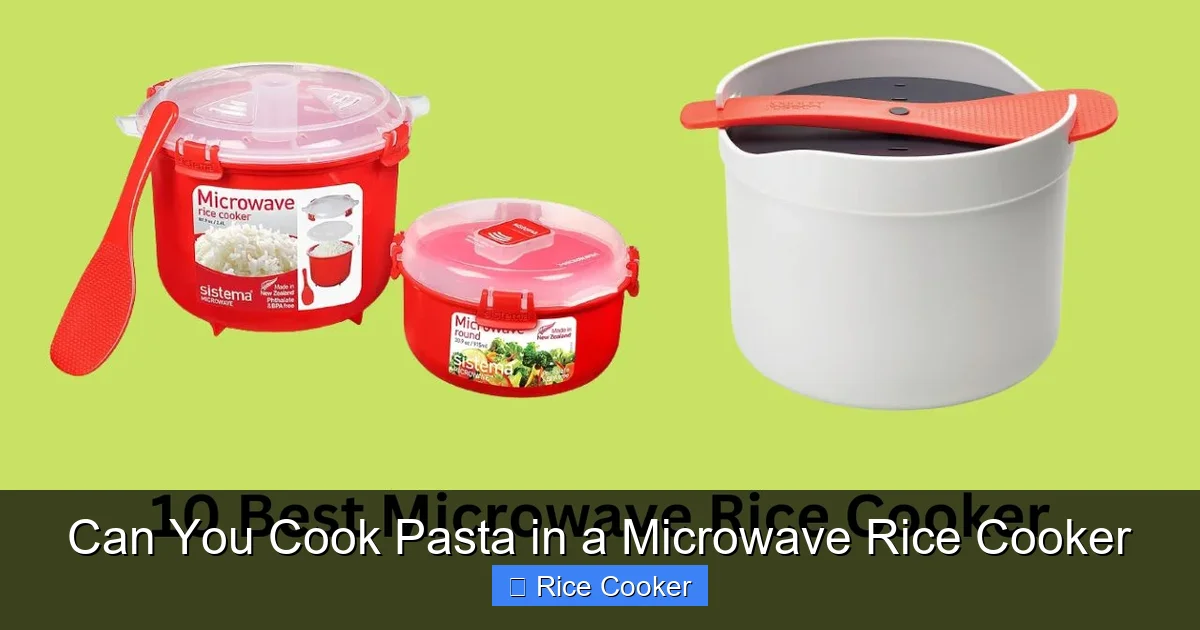
Can you cook pasta in a microwave rice cooker? Absolutely — with the right technique, it’s not only possible but also fast, convenient, and surprisingly effective. This method saves time, uses less energy, and works great for busy weeknights or small portions. You don’t need special equipment; just your trusty rice cooker and a little know-how.
Key Takeaways
- Yes, you can cook pasta in a microwave rice cooker — it’s a simple, efficient alternative to boiling on the stove.
- The process mimics traditional pasta cooking by using controlled heat and water to soften the noodles.
- Microwave rice cookers save time and energy compared to stovetop methods, especially for single servings.
- Proper water ratio and timing are key — too much water leads to mushy pasta; too little results in undercooked noodles.
- You can customize your pasta dishes by adding sauces, vegetables, or proteins directly into the cooker.
- Not all rice cookers are created equal — check if yours has a “pasta” or “manual” setting for best results.
- Cleanup is easier since you’re using one pot instead of multiple pots and pans.
📑 Table of Contents
- Can You Cook Pasta in a Microwave Rice Cooker?
- Understanding Your Microwave Rice Cooker
- The Science Behind Cooking Pasta in a Rice Cooker
- Step-by-Step Guide: How to Cook Pasta in a Microwave Rice Cooker
- Troubleshooting Common Issues
- Benefits of Using a Microwave Rice Cooker for Pasta
- Creative Ways to Use Your Rice Cooker Beyond Rice
- Tips for Perfect Results Every Time
- Conclusion: Why You Should Try It
Can You Cook Pasta in a Microwave Rice Cooker?
If you’ve ever found yourself staring at a pot of boiling water, wondering if there’s an easier way to make spaghetti or penne, you’re not alone. The kitchen is full of gadgets designed to simplify cooking, and the humble microwave rice cooker might be one of the most underrated tools in your arsenal. But here’s the real question: Can you cook pasta in a microwave rice cooker? The short answer? Yes — and it might just change the way you think about quick meals forever.
Traditionally, pasta requires a large pot of boiling water and constant stirring to prevent sticking. But with a microwave rice cooker, you can skip the stove, reduce cleanup, and still get perfectly cooked noodles. Whether you’re meal prepping, cooking solo, or just tired of standing over bubbling water, this method offers a practical solution. In this guide, we’ll walk you through everything you need to know — from choosing the right type of rice cooker to mastering the perfect pasta-to-water ratio. Let’s dive in!
Understanding Your Microwave Rice Cooker
How Does a Microwave Rice Cooker Work?
A microwave rice cooker is a compact appliance that combines two functions: heating food in the microwave and then continuing the cooking process using its internal heating element. Unlike a regular microwave, which only reheats or defrosts, a rice cooker can brown, simmer, and even steam ingredients. This dual functionality makes it ideal for dishes like rice, soups, and yes — pasta.
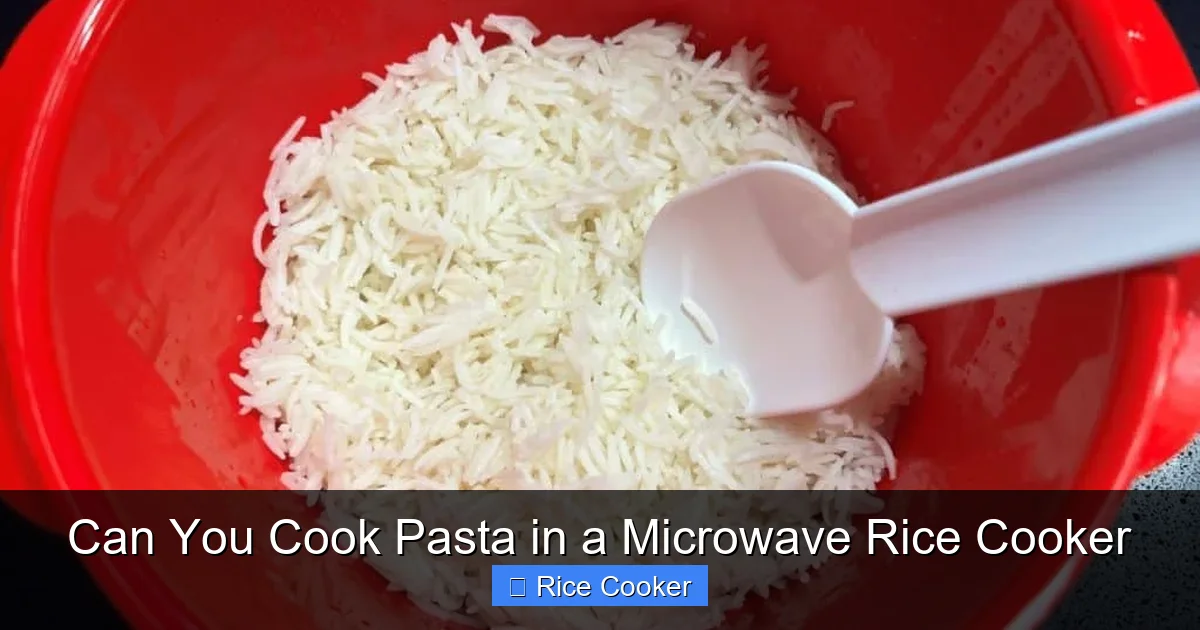
Visual guide about Can You Cook Pasta in a Microwave Rice Cooker
Image source: ovenspot.com
When you place your pasta and water inside the rice cooker and press start, the machine first heats the mixture in the microwave. Then, it switches to its internal heating plate or coil to maintain a consistent temperature. This gentle, even heat helps cook the pasta without burning it — a common issue when microwaving dry pasta directly.
Types of Rice Cookers Suitable for Pasta
Not all rice cookers are built the same. For cooking pasta effectively, you’ll want one of these types:
- Cook & Carry Models: These have a removable inner pot and insulated lid to keep food warm after cooking. Great for serving immediately.
- Muzzy Rice Cookers: Feature a fuzzy logic system that adjusts heat based on moisture levels — perfect for preventing overcooking.
- Multi-Function Rice Cookers: Some high-end models include settings for soup, porridge, or even pasta. Check your manual to see if yours supports these.
If your rice cooker doesn’t have a dedicated pasta setting, don’t worry — you can still use it with a bit of trial and error. Just remember to monitor the water level and timing closely.
The Science Behind Cooking Pasta in a Rice Cooker
Why It Works
Pasta cooks through a process called gelatinization, where starch granules absorb water and swell when heated. In a standard pot, this happens quickly due to high heat and agitation. But in a rice cooker, the slower, more controlled heat allows the water to distribute evenly around each noodle, leading to uniform cooking.
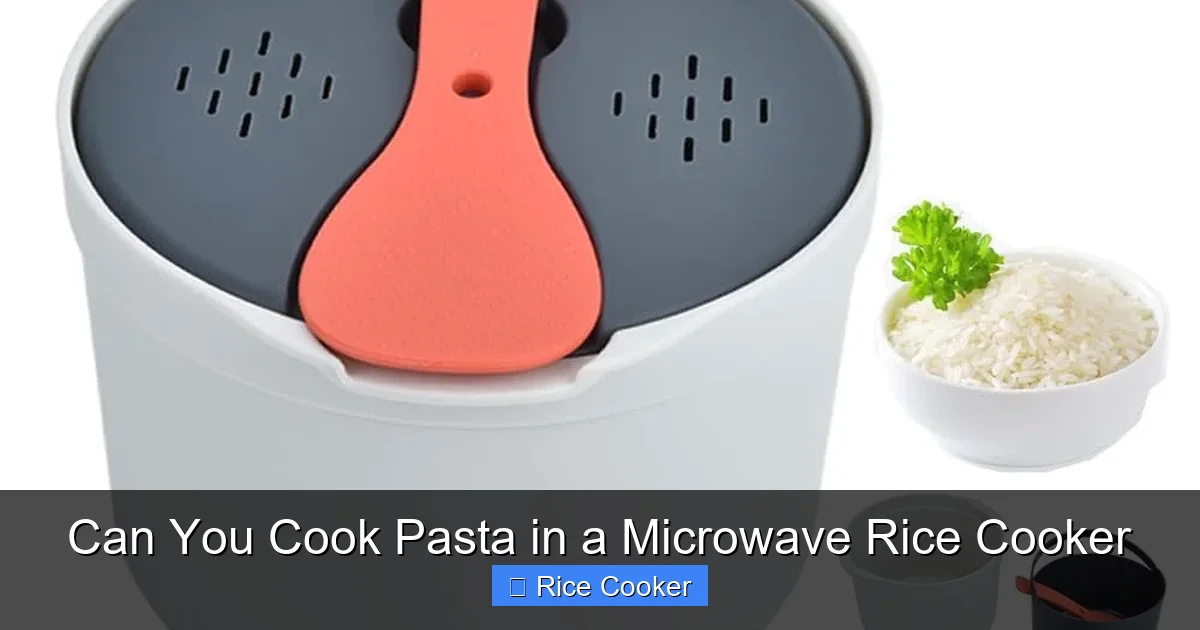
Visual guide about Can You Cook Pasta in a Microwave Rice Cooker
Image source: m.media-amazon.com
Additionally, rice cookers often have a keep-warm function that maintains a low simmer after the main cooking cycle. This prevents the pasta from drying out or turning into a sticky mess — something that commonly happens in microwaves.
Common Misconceptions
Many people assume that because pasta is traditionally boiled, it won’t work in a microwave rice cooker. But modern appliances are designed to handle a variety of foods beyond rice. Another myth is that you must add oil to prevent sticking — actually, a little oil helps, but it’s not necessary. The rice cooker’s non-stick surface does most of the work.
One thing to avoid? Using the microwave setting alone. Always let the rice cooker finish its full cycle — otherwise, your pasta may remain chewy.
Step-by-Step Guide: How to Cook Pasta in a Microwave Rice Cooker
Gathering Your Ingredients and Tools
Before you begin, gather everything you need:
- Your favorite dry pasta (rigatoni, penne, elbow macaroni work best)
- Water (about 4–5 cups for 1 cup of dry pasta)
- Salt (1–2 tablespoons per 4 cups of water)
- Optional: A pinch of sugar to balance acidity if using tomato sauce later
- Your microwave rice cooker
- A fork or chopsticks for stirring (optional but helpful)
Preparing the Pasta
Unlike stove-top cooking, you don’t need to pre-soak pasta. Simply measure your desired amount of dry pasta and add it directly to the inner pot of the rice cooker. Don’t worry about breaking the noodles — they’ll bend as they soften.
Adding Water and Seasoning
For every 1 cup of dry pasta, use 4 to 5 cups of cold water. Too little water causes uneven cooking; too much dilutes flavor and extends cooking time. Add salt generously — remember, pasta absorbs water during cooking, so seasoning upfront is crucial.
If your rice cooker has a “Manual” or “Cook” button (not “Rice”), select that mode. If it has a “Pasta” setting, use it — but if not, just press “Start” and let it do its thing.
Timing Is Everything
Cooking times vary depending on pasta shape and rice cooker model. As a general rule:
- Elbow macaroni: 8–10 minutes
- Spaghetti: 10–12 minutes
- Rigatoni or penne: 9–11 minutes
Check for doneness halfway through by tasting a piece. It should be al dente — firm but not crunchy. Overcooked pasta becomes gummy, especially in enclosed spaces like rice cookers.
Finishing Touches
Once the cycle ends, drain excess water using the built-in strainer (if available) or carefully pour through a colander lined with cheesecloth or paper towels. Then toss with olive oil or your favorite sauce. Because the rice cooker retains heat, the pasta will continue to cook slightly — so err on the side of underdone if you’re unsure.
Troubleshooting Common Issues
Problem: Pasta Sticks Together
This usually happens when there’s not enough water or the cooker isn’t stirred occasionally. Try adding a splash of water halfway through cooking and give the pot a gentle swirl with a spoon. A few drops of oil can also help separate strands.
Problem: Undercooked Noodles
If your pasta still feels hard after the full cycle, return it to the cooker with a bit more water and cook for 2–3 additional minutes. Avoid opening the lid frequently, as steam escapes and slows cooking.
Problem: Mushy Texture
Too much water and overcooking cause mushiness. Next time, reduce water by half a cup and set a timer. Also, consider switching to shorter-cooking shapes like rotini or ziti.
Problem: No Drainage Option
Some basic rice cookers lack a strainer. To drain efficiently, remove the inner pot carefully (use oven mitts — it’ll be hot), tilt it over a sink, and press down gently on the pasta with a spoon to push out water. Alternatively, transfer to a colander before serving.
Benefits of Using a Microwave Rice Cooker for Pasta
Time-Saving Efficiency
Forget waiting for a pot to boil. A microwave rice cooker cuts prep time in half. In under 15 minutes, you’ve got hot, ready-to-eat pasta — no supervision required.
Energy Savings
Microwaves use less electricity than stovetops. Plus, rice cookers retain heat well, meaning you use minimal power post-cooking.
Less Mess
One pot instead of three (boiling pot, strainer, serving bowl)? Yes, please. Cleanup is a breeze — just rinse the inner pot and wipe the exterior.
Perfect for Small Portions
No need to boil a giant pot for one person. A rice cooker handles single servings like a champ, making it ideal for students, singles, or late-night cravings.
Customizable Meals
Add veggies, beans, or protein during the last few minutes of cooking. Broccoli florets, chickpeas, or grilled chicken breast all steam beautifully in the residual heat.
Creative Ways to Use Your Rice Cooker Beyond Rice
Pasta Primavera
After cooking pasta, stir in steamed broccoli, carrots, and bell peppers. Top with Parmesan and a drizzle of olive oil for a nutritious weeknight dinner.
Mac and Cheese
Make a creamy baked mac using evaporated milk, shredded cheddar, and mustard. Layer the sauce over cooked pasta and let the rice cooker warm it gently — no oven needed.
Asian-Inspired Bowls
Cook rice noodles with soy sauce, garlic, ginger, and tofu. Finish with green onions and sesame seeds for a quick Asian fusion dish.
Baked Ziti
Mix cooked ziti with marinara sauce and mozzarella. Press into the rice cooker and run the “warm” cycle for 10 minutes to melt the cheese — perfect for family dinners.
Tips for Perfect Results Every Time
- Use cold water: Starting with cold water ensures even heating from the bottom up.
- Don’t overcrowd: Stick to recommended pasta-to-water ratios to prevent sticking.
- Stir once halfway: Prevents clumping and promotes even cooking.
- Let it rest: After cooking, wait 2–3 minutes before draining to allow residual heat to finish the job.
- Experiment with shapes: Thicker pastas like fusilli or campanelle hold up better than delicate ones like linguine.
Conclusion: Why You Should Try It
Cooking pasta in a microwave rice cooker isn’t just a clever hack — it’s a game-changer for anyone looking to simplify their kitchen routine. With minimal effort, you get flavorful, tender noodles without the fuss of boiling water or cleaning multiple pots. Whether you’re a college student, a busy parent, or someone who loves experimenting with kitchen gadgets, this method offers convenience, speed, and delicious results.
So next time hunger strikes and you’re craving pasta, reach for your rice cooker instead of the stove. Trust us — you’ll wonder why you didn’t try it sooner. And who knows? Once you master this technique, you might start using your rice cooker for soups, risottos, and even desserts. The possibilities are endless.
Frequently Asked Questions
Can all types of pasta be cooked in a microwave rice cooker?
Most dried pasta works well, including spaghetti, penne, and elbow macaroni. Delicate shapes like angel hair or fettuccine may break easily, so handle them gently. Always follow recommended water ratios and cooking times for best results.
Do I need to add oil to prevent pasta from sticking?
No, it’s not necessary. The non-stick coating on the inner pot prevents sticking. However, adding a teaspoon of oil can help if you notice clumping, especially with longer noodles like spaghetti.
How much water should I use per cup of pasta?
Use 4 to 5 cups of water for every 1 cup of dry pasta. This ensures enough liquid for proper cooking without turning the pasta into soup. Adjust slightly based on your rice cooker’s size and pasta shape.
Can I add sauce while the pasta is cooking?
It’s better to add sauce after draining the pasta. Adding wet ingredients during cooking can dilute flavor and extend cooking time. Instead, toss drained pasta with warm sauce and let it sit for a minute to soak up the flavors.
Is it safe to leave pasta in the rice cooker after cooking?
Yes, but only for short periods. The keep-warm function is fine for 15–20 minutes, but prolonged storage can lead to soggy or mushy texture. For best quality, serve immediately or transfer to a sealed container for later use.
What should I do if my rice cooker doesn’t have a pasta setting?
Use the “Manual” or “Cook” setting and set a timer. Most rice cookers will automatically switch to warm mode after cooking. Keep an eye on the pasta and adjust time as needed based on taste and texture.