
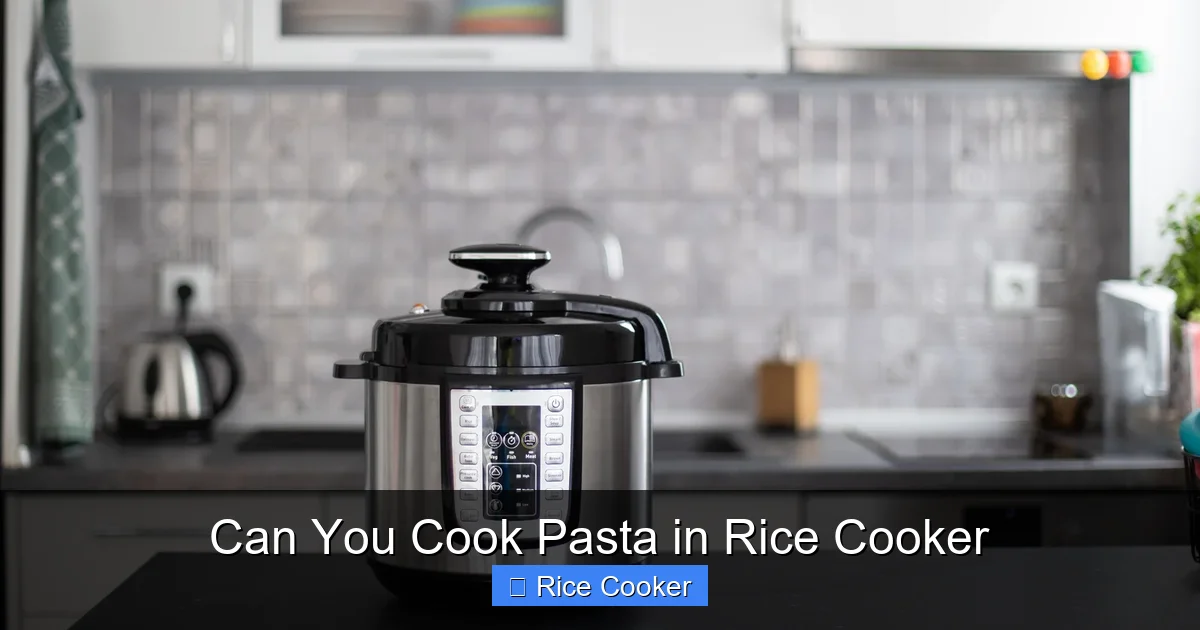
You absolutely can cook pasta in a rice cooker—and it’s faster, easier, and uses less water than traditional boiling. With just a few simple steps, your rice cooker becomes a versatile kitchen tool that simplifies meal prep. Whether you’re making spaghetti, penne, or even gnocchi, this method delivers consistent results with minimal effort.
Have you ever been staring at a pot of boiling water, watching pasta stick to the bottom, while your kids complain about dinner being “too long”? You’re not alone. Traditional pasta cooking can be messy, time-consuming, and require constant attention. But what if there was an easier way? Enter the humble rice cooker—a kitchen appliance you probably already own—and its surprising ability to cook pasta like a pro.
In this guide, we’ll walk you through everything you need to know about cooking pasta in a rice cooker. From the science behind why it works to step-by-step instructions and expert tips, you’ll discover how this simple technique can transform your weeknight meals. Plus, we’ll answer common questions and share creative ideas to take your pasta game to the next level.
So, can you cook pasta in a rice cooker? The short answer is yes—absolutely. And by the end of this article, you’ll feel confident doing it like a seasoned chef. Let’s dive in!
Key Takeaways
- Pasta cooks evenly: The rice cooker’s controlled heat ensures uniform cooking without overcooking.
- Saves time and effort: No constant stirring or monitoring—just set it and forget it.
- Uses less water: Typically 2–3 cups of water per cup of dry pasta, reducing cleanup.
- Works for most shapes: From elbows to long noodles, many pasta types adapt well to the method.
- Adds flavor flexibility: You can infuse broth or oil into the cooking liquid for richer taste.
- Great for batch cooking: Ideal for meal preppers or families who want quick dinners.
- Requires minimal equipment: Just your rice cooker and a colander for draining.
Quick Answers to Common Questions
Can you cook any type of pasta in a rice cooker?
Most short and medium pasta shapes work well, including elbows, penne, rigatoni, and ziti. Long noodles like spaghetti can tangle and may not cook evenly, so they’re less ideal.
How much water do I need for pasta in a rice cooker?
Use about 3 cups of water for every 1 cup of dry pasta. Adjust slightly based on your pasta type and rice cooker model.
Do I need to stir the pasta while it cooks?
Generally no—most rice cookers cook pasta without stirring. However, if your model has a manual stir function, pause once during cooking to prevent sticking.
Can I add sauce while the pasta cooks?
Not recommended. Add sauce after draining. Adding wet ingredients during cooking can dilute flavors and affect texture.
Will my rice cooker smell like pasta?
Some models retain odors, especially if used frequently for strong-flavored foods. Clean the inner pot thoroughly after each use, and consider running a cycle with vinegar water to neutralize lingering smells.
📑 Table of Contents
- How Does Cooking Pasta in a Rice Cooker Work?
- Why Choose a Rice Cooker Over the Stovetop?
- Step-by-Step Guide: How to Cook Pasta in a Rice Cooker
- Best Types of Pasta for Rice Cooker Cooking
- Flavor Hacks: Elevating Your Rice-Cooker Pasta
- Troubleshooting Common Issues
- Creative Recipes Using Rice-Cooker Pasta
- Is Cooking Pasta in a Rice Cooker Worth It?
How Does Cooking Pasta in a Rice Cooker Work?
At first glance, using a rice cooker for pasta might seem unusual. After all, these appliances are designed to handle grains like rice, oats, and quinoa—not starchy noodles. But here’s the secret: pasta behaves similarly to rice when it comes to absorbing liquid and reaching the right texture.
When you add dry pasta and water to a rice cooker and activate the cook cycle, the appliance heats the mixture consistently. As the water boils, the pasta absorbs moisture, swells, and softens. The closed lid traps steam, which helps cook the pasta gently from all sides—much like how a pressure cooker works, but without extreme pressure.
Most modern rice cookers have a “white rice” or “manual” setting that reaches temperatures between 190°F and 212°F (88°C to 100°C), which is perfect for cooking pasta. Unlike stovetop boiling—where hot spots can cause uneven cooking or scorching—the rice cooker distributes heat evenly, reducing the risk of burnt edges or undercooked centers.
Plus, because the process is automated, you don’t need to stir constantly or worry about timing. Once the cycle ends, the pasta is ready to drain and serve. It’s a hands-off approach that makes cooking pasta as simple as pressing a button.
Why Choose a Rice Cooker Over the Stovetop?
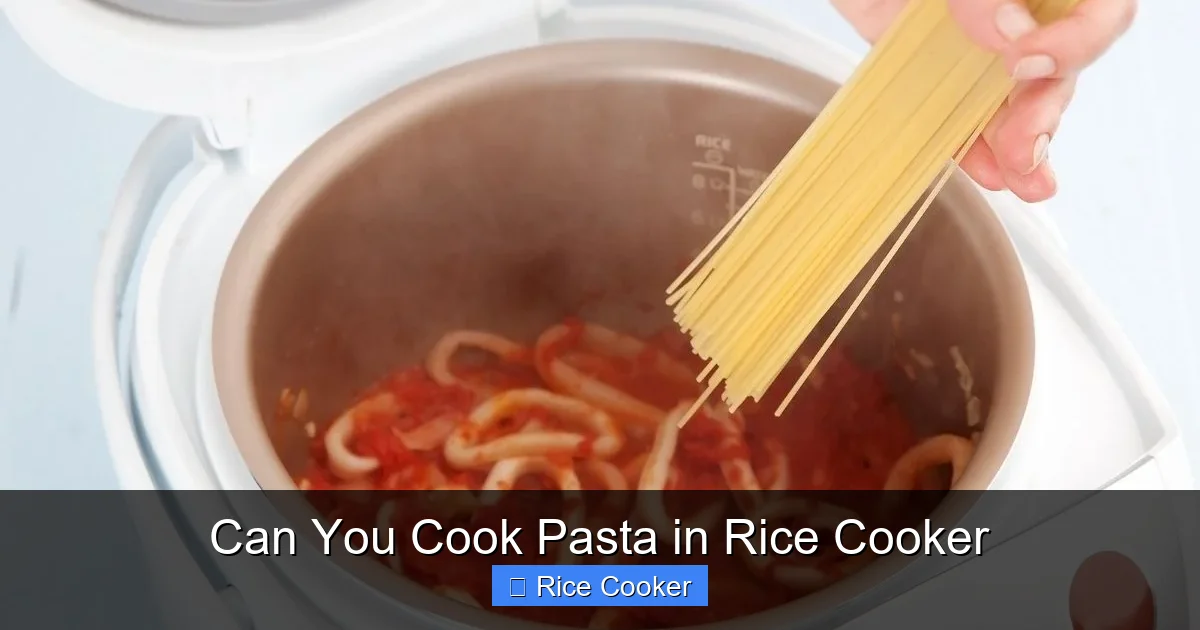
Visual guide about Can You Cook Pasta in Rice Cooker
Image source: recipemarker.com
You might wonder: if I can just boil pasta on the stove, why bother with a rice cooker? There are several compelling reasons to make the switch:
1. Less Mess and Fewer Dishes
Boiling pasta usually means filling a large pot, dealing with splashing water, and scrubbing sticky residue afterward. With a rice cooker, everything happens in one compact appliance. Just dump in the pasta and water, press start, and after cooking, use the same pot to drain—no extra pans needed.
2. Energy Efficiency
Rice cookers use significantly less energy than stovetops. They heat quickly and maintain temperature without continuous flame, which means lower electricity bills and a greener kitchen.
3. Consistent Results Every Time
Stove cooking depends on your burner’s heat output and your attention span. A rice cooker, however, follows a precise algorithm to deliver reliable outcomes—whether it’s your first time or your hundredth.
4. Hands-Off Convenience
Perfect for multitasking parents, remote workers, or anyone who hates standing over a bubbling pot. While the pasta cooks, you can chop veggies, prepare sauce, or even nap—yes, really!
5. Safer for Small Spaces
If you live in a tiny apartment or dorm room with limited stovetop space, a rice cooker lets you cook pasta without hogging your only burner. Some models even double as microwaves or slow cookers.
Of course, there are limitations. Very long noodles like fettuccine may tangle in the pot, and some specialty pastas (like those with eggs or gluten-free blends) might not perform perfectly. But for everyday staples—penne, rotini, shells, linguine—the rice cooker shines.
Step-by-Step Guide: How to Cook Pasta in a Rice Cooker
Visual guide about Can You Cook Pasta in Rice Cooker
Image source: recipemarker.com
Ready to give it a try? Follow these simple steps for foolproof pasta every time:
Gather Your Ingredients and Tools
You’ll need:
– Dry pasta (any shape except very thin spaghetti or angel hair)
– Water (about 2½ to 3 cups per cup of pasta)
– Salt (optional, but recommended)
– A fine-mesh strainer or colander that fits inside your rice cooker
– Optional: olive oil or broth for extra flavor
Measure the Right Amount of Water
The golden rule: use roughly 3 cups of water for every 1 cup of dry pasta. Too little water risks burning; too much leads to mushy results. If your rice cooker has a measuring cup, use it—otherwise, eyeball it carefully.
Add Pasta and Water to the Inner Pot
Place the pasta directly into the inner pot of the rice cooker. Pour in the water, then add a pinch of salt if desired. For extra flavor, swap some water for vegetable or chicken broth.
Set the Timer and Start Cooking
Close the lid securely and select the “White Rice” or “Manual” setting. Most rice cookers will automatically adjust timing based on input, but if yours doesn’t, plan for 8–12 minutes total. Longer noodles take more time; shorter ones cook faster.
Let It Rest (Optional)
After the cycle ends, let the pasta sit covered for 2–3 minutes. This allows residual heat to finish cooking gently and prevents over-drying during draining.
Drain and Serve Immediately
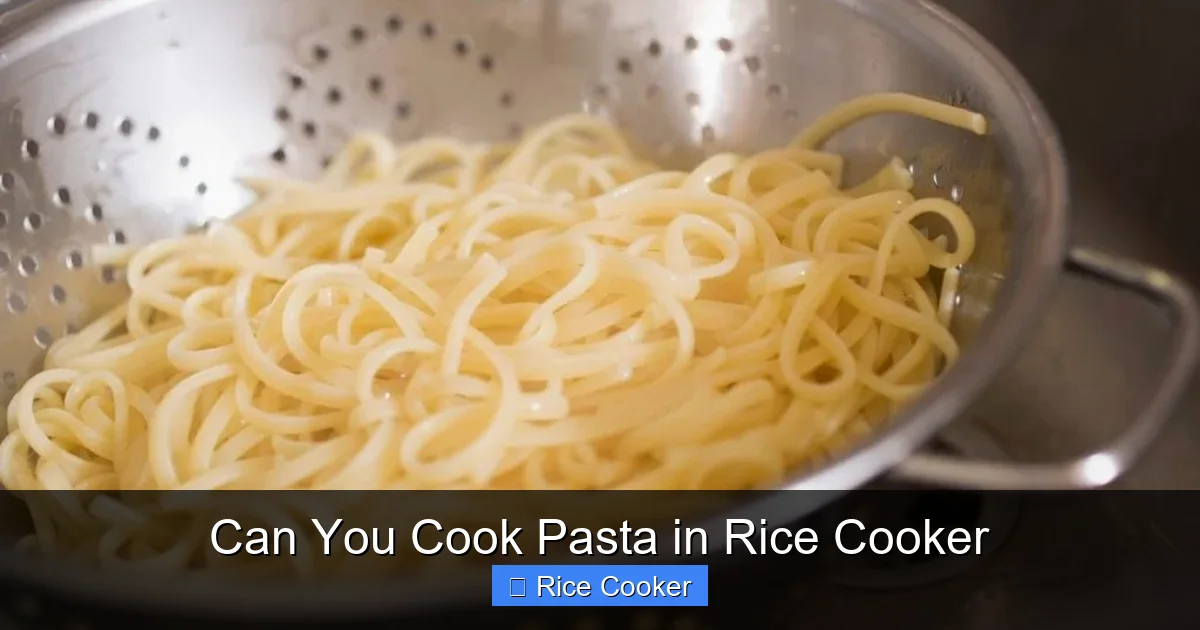
Use the built-in strainer or transfer the pasta to a colander. Rinse briefly under cold water if you prefer al dente texture, then toss with sauce, cheese, or fresh herbs.
Pro Tip: Never add oil to the cooking water—it creates a film that prevents sauce from sticking later.
Best Types of Pasta for Rice Cooker Cooking
Not all pasta shapes are created equal when it comes to rice cooker performance. Here’s a breakdown of what works best:
Short Pasta Shapes (Ideal)
- Elbows, Penne, Rotini, Ditalini: These hold their shape well and cook evenly thanks to their sturdy structure.
- Macaroni and Cavatappi: Great for kids’ meals and casseroles—they absorb sauce beautifully.
Medium-Length Pasta (Works Well)
- Linguine and Fettuccine: Can work if cut into smaller pieces or cooked slightly underdone and finished in sauce.
- Rigatoni and Ziti: Excellent choices due to their hollow centers and ridges that trap flavor.
Long Pasta (Use Caution)
- Spaghetti and Angel Hair: Tend to tangle and may not cook evenly. Best avoided unless you’re willing to experiment with pre-soaking.
Specialty Pasta (Check Carefully)
- Gluten-Free or Egg-Based Pasta: May require longer cooking times or adjustments in water ratio. Test a small batch first.
- Whole Grain or Ancient Grain Pasta: Often denser, so increase water slightly and extend cooking time by 2–3 minutes.
Remember: when in doubt, start with shorter shapes. They’re forgiving and deliver great results every time.
Flavor Hacks: Elevating Your Rice-Cooker Pasta
Plain pasta tastes good—but fancy pasta tastes unforgettable. Here are clever ways to boost flavor without extra effort:
Infuse Liquid with Flavor
Instead of plain water, cook your pasta in:
– Chicken or beef broth
– Vegetable stock with garlic, onion, or bay leaves
– Wine (red or white) mixed with water
– Coconut milk for creamy Asian-inspired dishes
Add Aromatics During Cooking
Toss in:
– Whole garlic cloves
– Onion slices
– Fresh herbs like rosemary, thyme, or parsley stems
– A splash of olive oil
These ingredients release their essence into the water, seasoning the pasta from within.
Finish Strong
After draining, return the hot pasta to the rice cooker (still warm but off heat) and add:
– Grated Parmesan or Pecorino Romano
– Butter or olive oil
– Sautéed mushrooms, spinach, or roasted peppers
– A squeeze of lemon juice or chili flakes
Mix everything together to create a restaurant-quality dish in minutes.
Troubleshooting Common Issues
Even with the best technique, things don’t always go smoothly. Here’s how to fix common problems:
Pasta Is Too Soft or Mushy
This usually means too much water or overcooking. Next time, reduce water by ¼ cup and check doneness 1–2 minutes early. Use a fork to test texture.
Pasta Sticks Together
Add a tablespoon of oil to the cooking water—or better yet, rinse immediately after draining and toss with a bit of oil to separate strands.
Water Evaporates Too Quickly
Your rice cooker may be older or low on power. Try adding ½ cup more water and extending cooking time by 1 minute.
Noodles Are Undercooked
Increase cooking time by 2–3 minutes next time. Remember, rice cookers vary—some are slower than others.
Burnt Bottom Layer
Avoid this by ensuring enough water and stirring once halfway through (if possible). Non-stick pots help prevent sticking.
Don’t get discouraged! Every cook experiments—even professionals do. Adjust based on your machine and preferences.
Creative Recipes Using Rice-Cooker Pasta
Want inspiration? Try these delicious ideas:
One-Pot Creamy Garlic Parmesan Pasta
Cook elbow macaroni in chicken broth with minced garlic and a sprinkle of nutmeg. Finish with butter, Parmesan, and black pepper.
Vegetable-Packed Minestrone Soup Base
Combine ditalini pasta with canned tomatoes, carrots, celery, and beans in vegetable stock. Simmer until tender, then top with croutons.
Asian-Style Sesame Noodles
Cook linguine in soy-ginger broth. Drain and mix with sesame oil, green onions, and crushed peanuts.
Baked Pasta Casserole
Cook penne in water with tomato paste. Transfer to a baking dish, top with mozzarella and breadcrumbs, and broil until golden.
Each recipe leverages the rice cooker’s simplicity while maximizing flavor. Experiment freely!
Is Cooking Pasta in a Rice Cooker Worth It?
Absolutely—especially if you value convenience, consistency, and clean-up ease. While it may not replace your stovetop for every dish, it’s a fantastic backup plan when you’re short on time or energy.
For families, college students, or anyone living in close quarters, this method offers a stress-free solution. And let’s face it: fewer dirty pots mean happier weekends.
Just remember: practice makes perfect. Try different shapes, liquids, and timings until you find your ideal setup. Soon, cooking pasta in a rice cooker will become second nature.
Frequently Asked Questions
Does cooking pasta in a rice cooker change its taste?
No—the taste remains the same as boiled pasta. However, cooking in broth instead of water can add subtle flavor notes that enhance overall taste.
Can I cook gluten-free pasta in a rice cooker?
Yes, but gluten-free pasta often requires longer cooking times and more water. Monitor closely and adjust as needed to avoid mushiness.
What if my rice cooker doesn’t have a timer?
Use a kitchen timer or phone alarm to track cooking duration. Most pasta takes 8–12 minutes, depending on shape and thickness.
Should I rinse the pasta after cooking?
Rinse only if you prefer cooler, firmer texture. Otherwise, skip rinsing and toss immediately with sauce to keep it warm and saucy.
Can I cook other grains in the same pot after pasta?
Absolutely! Just rinse the pot well before switching to another grain. Many people alternate between rice, quinoa, and pasta using the same appliance.
Is it safe to leave the rice cooker unattended while cooking pasta?
Yes—rice cookers are designed for unattended cooking. Just ensure the lid is sealed and the power source is stable.