
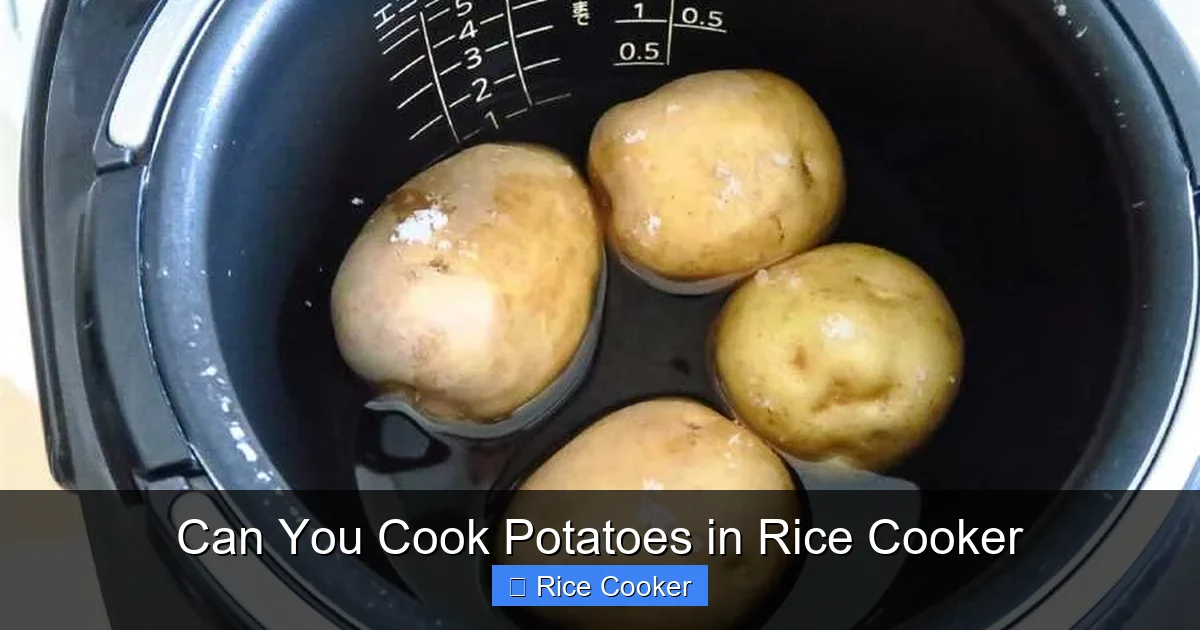
Yes, you can absolutely cook potatoes in a rice cooker—it’s quick, hands-off, and yields delicious results. Whether you’re making mashed potatoes, baked potatoes, or even potato soup, the rice cooker handles it all with minimal effort. This clever method saves time and energy while delivering consistent, tender potatoes every single time.
Key Takeaways
- Rice cookers are versatile: Beyond just cooking rice, they can prepare potatoes in various styles—boiled, baked, mashed, or even fried textures.
- Hands-off convenience: Once you add water and turn it on, the rice cooker does the rest, freeing up your time for other tasks.
- Even cooking: The steam-heat environment ensures potatoes cook evenly without burning or drying out.
- Energy-efficient: Using a rice cooker uses less electricity than an oven or stovetop setup for baking or boiling potatoes.
- Great for meal prep: Cook large batches at once and store them for easy breakfasts, sides, or snacks throughout the week.
- Customizable textures: Adjust cooking time and water levels to achieve soft mashed potatoes or firmer roasted-style chunks.
- No special equipment needed: Just your regular rice cooker, a knife, cutting board, and a little know-how!
📑 Table of Contents
- Can You Cook Potatoes in Rice Cooker? Absolutely—and Here’s Why It Works
- The Science Behind Cooking Potatoes in a Rice Cooker
- Step-by-Step Guide: How to Cook Whole Potatoes in a Rice Cooker
- Cooking Chopped Potatoes: From Mashed to Hash Browns
- Creative Recipes Using Your Rice-Cooked Potatoes
- Common Mistakes and How to Avoid Them
- Tips for Perfect Rice-Cooker Potatoes Every Time
- Storing and Reheating Rice-Cooked Potatoes
- Conclusion: Why Every Kitchen Needs a Rice Cooker Hack Like This
Can You Cook Potatoes in Rice Cooker? Absolutely—and Here’s Why It Works
Have you ever stared into your pantry or refrigerator, wondering what to make for dinner, only to find yourself holding a few unassuming potatoes? You’re not alone. Potatoes are one of the most versatile and budget-friendly ingredients out there—but sometimes, the classic methods like boiling on the stove or baking in the oven feel tedious or require constant attention. Enter the humble rice cooker: that small, often-underappreciated appliance sitting quietly in your kitchen. While its name suggests it only cooks grains, many home cooks are discovering that their rice cookers can do so much more—especially when it comes to cooking potatoes.
In this article, we’ll explore everything you need to know about cooking potatoes in a rice cooker. From basic boiling techniques to creative recipes like creamy mashed potatoes or crispy potato wedges, you’ll learn how to unlock your rice cooker’s full potential. Plus, we’ll share pro tips, troubleshooting advice, and even some fun recipe ideas to keep things interesting. So grab your favorite potato variety (yes, different types work better for different dishes!) and let’s get started!
The Science Behind Cooking Potatoes in a Rice Cooker
Before diving into recipes, it helps to understand why the rice cooker works so well for potatoes. At its core, a rice cooker uses a combination of conduction and convection heat to transfer energy through water or steam. When you add water to the pot and set the timer, the heating element warms the liquid, which then turns into steam. This steam surrounds the food, gently transferring heat evenly and coaxing moisture from the potatoes until they become tender.
Visual guide about Can You Cook Potatoes in Rice Cooker
Image source: expertreviewsbestricecooker.com
Why Steam Is Your Best Friend
Unlike boiling on the stovetop—where hot spots and evaporation can lead to uneven results—the sealed environment of a rice cooker ensures consistent temperature and humidity. That means no more worrying about undercooked centers or mushy outsides. The closed lid traps steam, creating a moist, pressurized microclimate inside. For dense starchy potatoes like russets or Yukon Golds, this translates to perfectly fluffy interiors without overcooking the skin.
How Different Potato Types React
Not all potatoes behave the same way under steam. Waxy potatoes (like red or fingerling varieties) have higher water content and lower starch levels, making them ideal for salads or dishes where you want them to hold their shape. But when cooked in a rice cooker, these retain their firmness beautifully—great for side salads or hash browns later. Starchy potatoes, on the other hand, break down more easily, which is perfect for mash or puree-based recipes.
Understanding your potato type will help you choose the right cooking time and liquid amount. For instance, if you’re using Yukon Golds for mashed potatoes, you might reduce water slightly compared to boiling a whole russet. Experimentation is key—but don’t be afraid to start small!
Step-by-Step Guide: How to Cook Whole Potatoes in a Rice Cooker
If you’ve never tried cooking whole potatoes in a rice cooker before, here’s your foolproof method. It’s simple, requires minimal prep, and delivers restaurant-quality results at home.
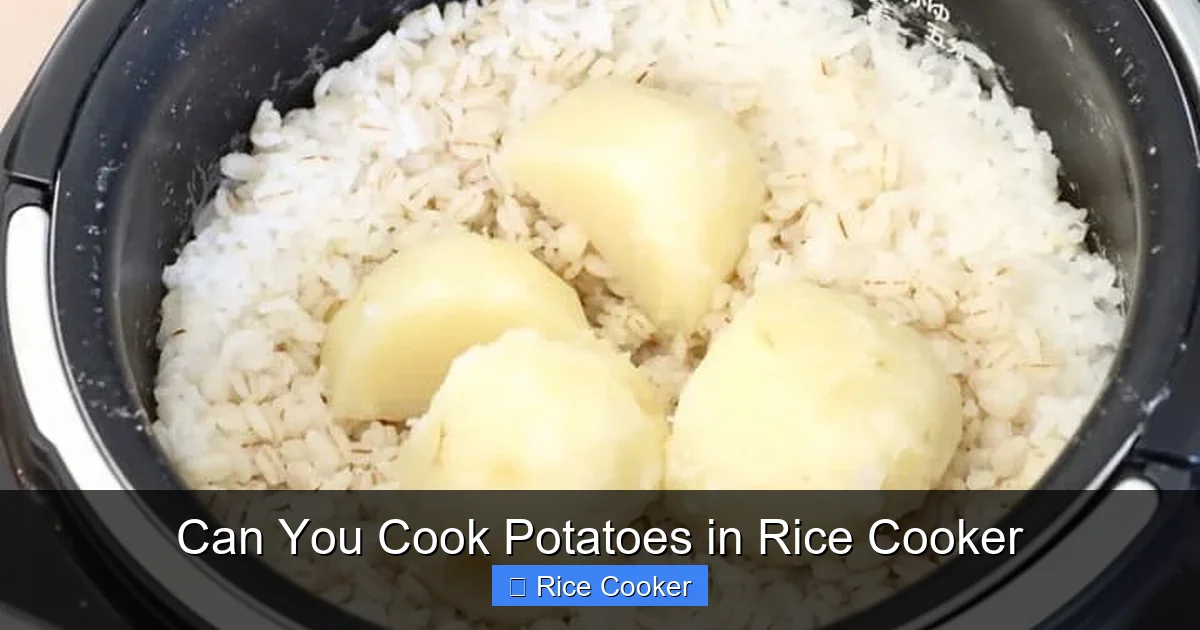
Visual guide about Can You Cook Potatoes in Rice Cooker
Image source: image.enuchi.jp
Gather Your Supplies
- 1–4 medium-sized potatoes (depending on serving size)
- Water (enough to cover the potatoes by 1–2 inches)
- Clean rice cooker pot
- Tongs or slotted spoon (optional but helpful)
- Paper towels or clean cloth
Preparation Tips
Start by scrubbing your potatoes thoroughly under cold running water. You don’t need to peel them unless you prefer peeled potatoes—many people leave the skins on for extra nutrients and texture. Cut any large chunks into smaller pieces if needed; uniform sizes ensure even cooking. Pro tip: poke each potato several times with a fork before placing it in the cooker. This allows steam to penetrate and prevents explosions due to trapped air.
Cooking Process
- Add water to the inner pot—about 1 inch deep should suffice for most rice cookers.
- Place the potatoes directly into the water (no greasing required).
- Close the lid securely and select the “Cook” or “Manual” setting. Most rice cookers default to white rice mode, which works perfectly for potatoes.
- Cook for 25–35 minutes depending on size and variety. Russets may take closer to 35 minutes; smaller red potatoes might finish in 20–25.
- Once the cycle ends, let the pressure release naturally for 5–10 minutes before opening the lid carefully (steam will escape).
- Test doneness by inserting a fork—it should slide in easily with little resistance.
What to Do Next?
Now that your potatoes are cooked, you have endless options! Mash them for a comforting side dish, slice them into wedges for roasting (add olive oil and herbs before cooking), or peel and dice them for a hearty potato salad. Leftovers freeze well too—just cool completely before storing in airtight containers.
Cooking Chopped Potatoes: From Mashed to Hash Browns
Whole potatoes aren’t the only game in town. Chopped or sliced potatoes open up a world of possibilities, especially if you’re short on time or want to mix things up. Here’s how to adapt your technique for different cuts and styles.
Mashed Potatoes Made Easy
Who knew mashed potatoes could be this simple? By cooking diced Yukon Gold or Russet potatoes directly in the rice cooker with just enough water to cover them, you eliminate the messy step of boiling and draining separately. After the cycle finishes, drain excess liquid (save some for adding back later!), mash with butter and milk, and season to taste. The result? Creamy, lump-free perfection in half the time.
Roasted Potato Wedges Without the Oven
Want roasted potatoes without turning on the oven? Try this trick: after peeling and cutting your potatoes into wedges, toss them lightly with olive oil, salt, pepper, and your favorite herbs (rosemary and garlic powder work wonders). Spread them in a single layer in the rice cooker pot (you may need to use two layers depending on size), add a splash of water, and cook on high for 25–30 minutes. Flip halfway through if possible. The outcome? Crispy edges and tender centers—just like oven-roasted, minus the preheating hassle.
Hash Browns in Minutes
For breakfast lovers, consider making hash browns in your rice cooker. Shred raw potatoes (use a box grater or food processor), squeeze out excess moisture with a clean towel, then spread them evenly in the pot. Add a bit of melted butter and seasonings, cover with water (just enough to create steam), and cook for 15–20 minutes on high. Flip once halfway. Serve hot with eggs for a complete meal!
Creative Recipes Using Your Rice-Cooked Potatoes
Ready to level up your potato game? These recipes show how versatile your rice cooker can be beyond plain boiled spuds. Each dish highlights a different texture or flavor profile, proving that one ingredient can feed your family in dozens of ways.
Garlic Herb Mashed Potatoes
Elevate basic mashed potatoes with bold flavors. After cooking diced potatoes as directed, mash them with softened butter, warm milk, minced garlic, chopped chives, and a pinch of nutmeg. Season generously with salt and white pepper. For extra richness, stir in a dollop of sour cream before serving. Pair with grilled chicken or roast beef for a cozy dinner.
Loaded Baked Potato Bar
Impress guests (or treat yourself!) with a DIY loaded potato station. Cook whole russet potatoes in the rice cooker until fork-tender. Slice each open lengthwise and top with shredded cheese, crumbled bacon, green onions, sour cream, and jalapeños. Reheat briefly if needed, then serve immediately. Bonus: you can cook all the potatoes ahead of time and keep them warm in a low-temperature setting until ready to assemble.
Potato Leek Soup Simplified
Turn leftover cooked potatoes into silky smooth soup. Sauté sliced leeks and carrots in butter until soft, then add the cooled potatoes along with vegetable broth. Blend until velvety, adjusting thickness with more broth or water. Stir in cream for indulgence, and garnish with fresh dill. No stovetop simmering required—your rice cooker handled the hard part!
Common Mistakes and How to Avoid Them
Even seasoned rice cooker users can run into issues when tackling potatoes. Don’t worry—most problems are easy to fix with a few adjustments. Here’s what to watch out for.
Overcooking Leads to Mushiness
One of the biggest pitfalls is letting potatoes sit too long after the cycle ends. Residual heat keeps cooking them, which can turn even the best Yukon Golds into gluey messes. Always test early and remove from heat once tender. If you notice they’re still firm, cover the pot tightly and let them steam off-dry for another 5–10 minutes.
Not Enough Water Causes Uneven Cooking
Too little water means some potatoes won’t cook through, while others become rubbery. Rule of thumb: aim for at least 1 inch of water covering the base layer of potatoes. If stacking multiple layers, rotate or flip halfway through cooking to ensure bottom pieces don’t dry out.
Skipping the Poke Holes
As mentioned earlier, poking holes in whole potatoes prevents pressure buildup. Without them, steam can’t circulate properly, leading to uneven textures or even unsafe situations (though modern rice cookers usually have safety valves). Always give your spuds a good going-over with a fork before tossing them in.
Using the Wrong Potato Type
While any potato works, choosing the wrong variety for your desired outcome leads to disappointment. Stick with starchy types for mash and fluffy textures, waxy ones for salads or dishes needing shape retention. Experiment once you’ve mastered the basics!
Tips for Perfect Rice-Cooker Potatoes Every Time
Want to take your potato game to the next level? These expert tips will help you avoid common hiccups and maximize flavor and texture.
- Use fresh potatoes: Older potatoes lose moisture and flavor, resulting in duller outcomes.
- Don’t overcrowd the pot: Leave space for steam to circulate. Cook in batches if necessary.
- Season during cooking: Add salt, herbs, or spices to the water for infused flavors throughout the potato.
- Save cooking liquid: Strained water retains minerals and starch—perfect for thickening sauces or adding moisture back to mashed potatoes.
- Cool quickly after cooking: To prevent overcooking, transfer hot potatoes to a bowl and plunge into ice water briefly if you’re not using them immediately.
Storing and Reheating Rice-Cooked Potatoes
Left with extras? No problem. Proper storage extends shelf life and maintains quality. Cool potatoes completely within two hours of cooking to avoid bacterial growth. Store in airtight containers in the fridge for up to 4 days or freeze for longer preservation. Thaw frozen potatoes in the microwave or oven before reheating.
To reheat, place in a microwave-safe dish with a splash of water, cover, and heat in 30-second intervals until warm. For stovetop mashed potatoes, add a tablespoon of milk or broth and stir over low heat. Avoid microwaving whole potatoes—they tend to dry out.
Conclusion: Why Every Kitchen Needs a Rice Cooker Hack Like This
Cooking potatoes in a rice cooker isn’t just a clever shortcut—it’s a game-changer for busy families, meal preppers, and anyone who wants delicious, stress-free meals. With minimal effort and maximum flavor, this method proves that sometimes the simplest tools yield the best results. Whether you’re whipping up mashed potatoes for a holiday dinner or craving crispy hash browns on a lazy Sunday morning, your rice cooker has got you covered.
So next time you reach for those potatoes, remember: you don’t need an oven, a stovetop, or complicated equipment. Just water, heat, and a little creativity. And who knows? You might just discover your new favorite way to cook potatoes—hands-free, efficient, and utterly satisfying.
Frequently Asked Questions
Can I cook sweet potatoes in a rice cooker?
Absolutely! Sweet potatoes work wonderfully in a rice cooker—just follow the same steps as regular potatoes. They take slightly longer to cook (about 35–40 minutes), so keep an eye on them. Their natural sweetness shines through without added sugar.
Do I need to peel potatoes before cooking them in a rice cooker?
Not necessarily. Many people leave the skins on for added fiber and texture. However, if you prefer peeled potatoes or are making dishes like mashed potatoes, go ahead and peel them first. Just make sure to scrub them clean regardless.
Can I cook frozen potatoes in a rice cooker?
It’s not recommended. Frozen potatoes contain too much ice, which dilutes the cooking environment and leads to inconsistent results. Always thaw completely before cooking for best texture and safety.
How do I prevent my potatoes from becoming soggy?
Drain excess water immediately after cooking and avoid letting them sit in liquid. Also, ensure proper ventilation by not sealing the lid too tightly if you’re cooking chopped potatoes. A quick toss with butter or oil afterward adds richness without sogginess.
Can I cook other vegetables along with potatoes in the rice cooker?
Yes! Carrots, broccoli, green beans, and cauliflower all pair well with potatoes. Just adjust cooking times—add harder vegetables (like carrots) earlier and softer ones (like peas) toward the end. Layer wisely to maintain even cooking.
Is cooking potatoes in a rice cooker healthier than boiling or baking?
All methods preserve nutrients similarly, but rice-cooker cooking uses less water and fewer added fats compared to frying or heavy sauces. Since it relies solely on steam, it’s a clean, minimal-ingredient option that retains vitamins and minerals better than prolonged boiling.