
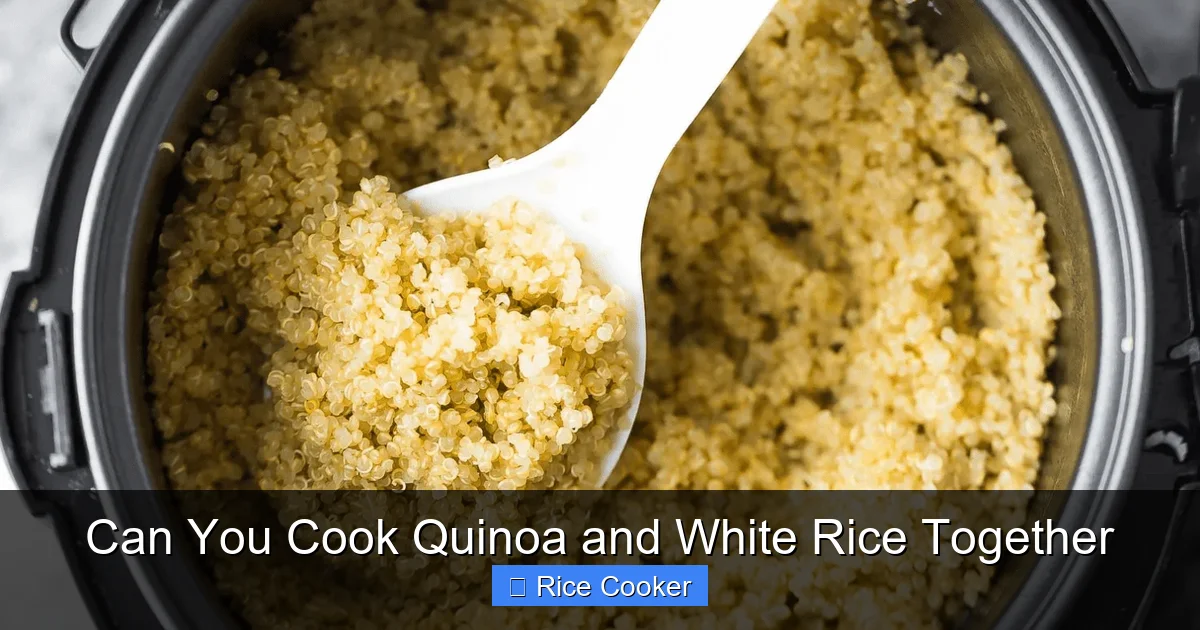
Yes, you can absolutely cook quinoa and white rice together—and it’s easier than you think! When prepared correctly, both grains absorb water at similar rates and cook to perfection side by side. Using a rice cooker makes the process foolproof, saving time and ensuring fluffy, delicious results every time. This simple method is ideal for meal prep, busy weeknights, or adding variety to your meals.
Key Takeaways
- Compatibility: Quinoa and white rice can be cooked together because they have similar cooking times and water absorption rates when rinsed properly.
- Rice Cooker Advantage: A rice cooker automates the process, maintaining consistent heat and timing for both grains without manual supervision.
- Proper Ratios Matter: Use a 1:1 water-to-grain ratio for quinoa and 1:2 for white rice, adjusting slightly when cooking together based on texture preferences.
- Flavor Boosting: Add herbs, spices, broth, or aromatics (like garlic, onion, or bay leaves) to enhance the taste of the combined grains.
- Meal Prep Friendly: Cooking them together saves time and allows for versatile use in bowls, salads, stir-fries, or as side dishes.
- Troubleshooting Tips: If the mixture turns out too dry or mushy, adjust water next time or rinse the quinoa more thoroughly to reduce bitterness.
- Nutritional Benefits: Combining quinoa with white rice increases fiber, protein, and nutrient intake while balancing energy levels.
📑 Table of Contents
- Can You Cook Quinoa and White Rice Together?
- Understanding Quinoa vs. White Rice: Can They Even Work Together?
- Why Use a Rice Cooker for This Combination?
- Step-by-Step Guide: How to Cook Quinoa and White Rice Together
- Flavor Variations and Creative Ideas
- Troubleshooting Common Issues
- Nutritional Benefits of Combining Quinoa and White Rice
- Meal Prep and Storage Tips
- Frequently Asked Questions (FAQs)
Can You Cook Quinoa and White Rice Together?
If you’re looking to save time in the kitchen without sacrificing nutrition, combining quinoa and white rice might just become your new go-to strategy. These two staples are often cooked separately—quinoa for its protein-packed punch and white rice for its neutral flavor and soft texture—but what if you could get the best of both worlds in one pot? The answer is yes: you can absolutely cook quinoa and white rice together, and doing so is simpler than you might imagine.
Whether you’re meal prepping for the week, feeding a crowd, or just tired of cooking multiple sides, merging these two grains offers flexibility and convenience. With a little know-how, you can create a balanced dish that’s fluffy, flavorful, and satisfying. In this guide, we’ll walk through everything you need to know—from ratios and preparation to troubleshooting common issues—so you can master this effortless duo like a pro.
Understanding Quinoa vs. White Rice: Can They Even Work Together?
Before jumping into the cooking process, it helps to understand why quinoa and white rice seem like such different beasts—and whether they really belong in the same pot.
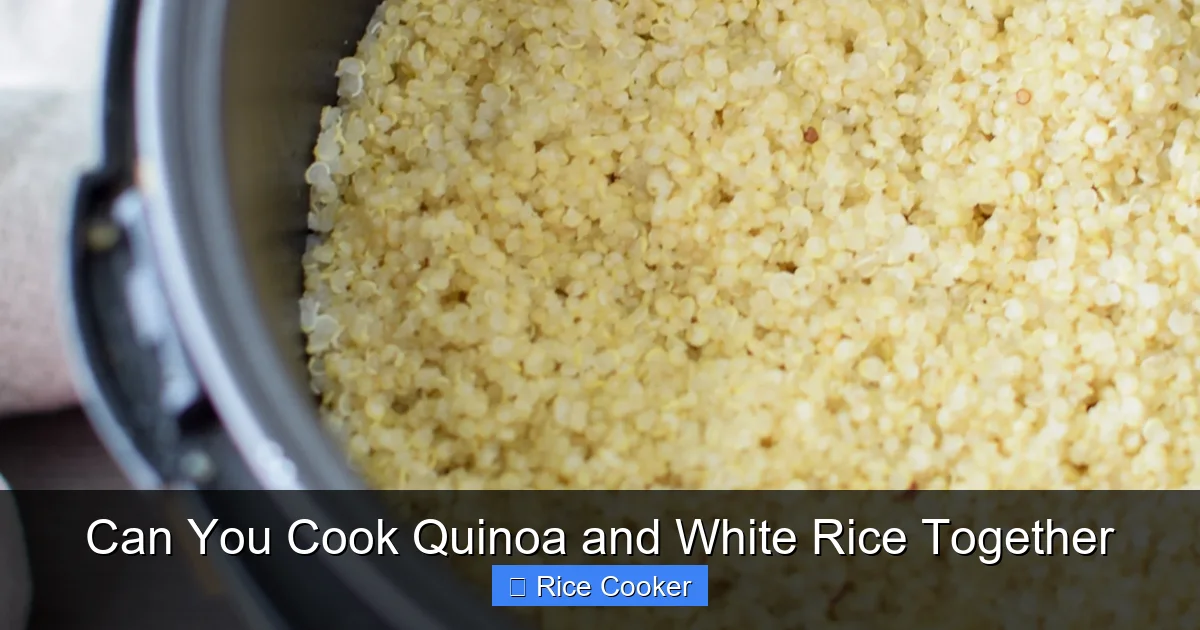
Visual guide about Can You Cook Quinoa and White Rice Together
Image source: cdn.projectmealplan.com
What Makes Quinoa Different?
Quinoa (pronounced “keen-wah”) is technically not a grain but a seed from the Amaranth family. It’s celebrated for being a complete protein, containing all nine essential amino acids. Unlike most plant-based foods, quinoa doesn’t rely on animal products to complete its nutritional profile. It also boasts high fiber, iron, magnesium, and B vitamins. However, it has one tricky trait: it contains saponins, a natural coating that gives it a bitter, soapy taste if not rinsed off properly. That’s why rinsing quinoa under cold water before cooking is non-negotiable.
The Simplicity of White Rice
White rice, on the other hand, is milled to remove its bran and germ, stripping away fiber and some nutrients but yielding a softer, milder texture. It cooks quickly and absorbs flavors well, making it a favorite base for curries, stir-fries, and casseroles. While less nutritious than brown or whole-grain varieties, white rice remains a reliable source of carbohydrates and energy.
Do They Cook the Same Way?
This is where things get interesting. Both quinoa and white rice require liquid to cook, but their water absorption rates differ slightly. Quinoa typically needs about twice as much water as white rice—roughly 1 cup of water per 1 cup of quinoa, versus 2 cups of water per 1 cup of white rice. Yet, when cooked together, their timing aligns closely enough to work in harmony, especially in a rice cooker that monitors moisture and temperature automatically.
Why Use a Rice Cooker for This Combination?
If you’ve ever tried boiling quinoa and rice together on the stovetop, you may have ended up with overcooked rice or underdone quinoa. That’s because stovetop cooking relies heavily on human judgment—guessing when to add water, stirring constantly, and watching for steam. But a rice cooker removes guesswork entirely.
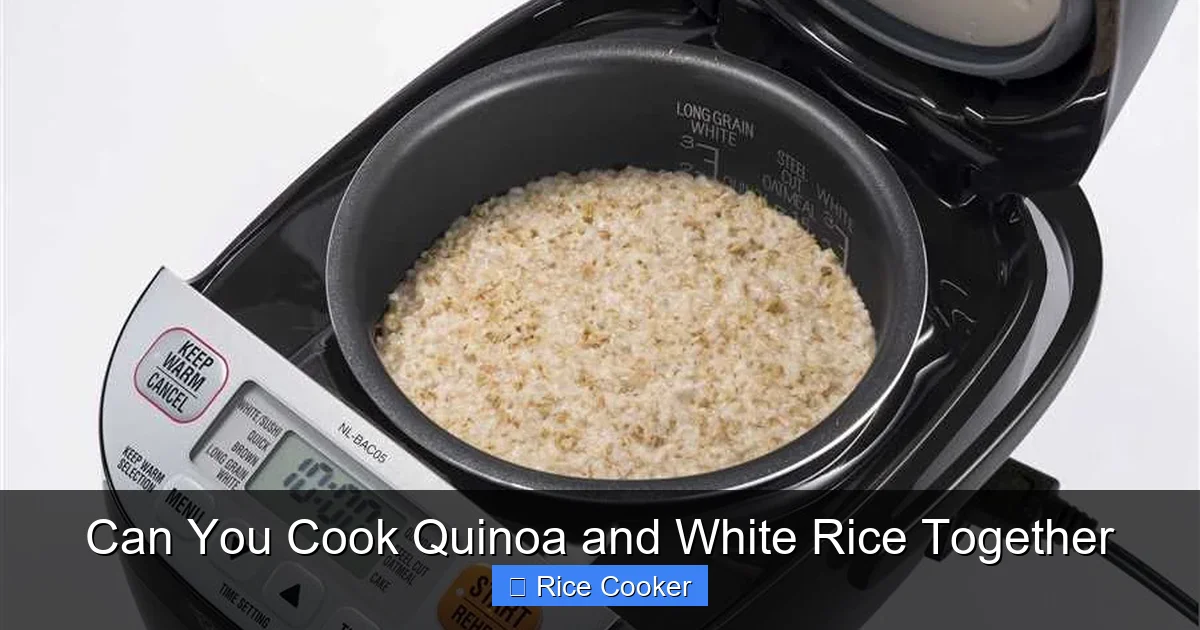
Visual guide about Can You Cook Quinoa and White Rice Together
Image source: metrocookingdallas.com
How Rice Cookers Make It Easy
A quality rice cooker uses precise temperature control and internal sensors to detect when the liquid has been absorbed. Once that happens, it switches to a warming mode, preventing scorching or drying out. This consistency is perfect for mixed grains like quinoa and white rice, which benefit from uniform heat distribution.
Benefits Beyond Convenience
- Even Texture: No more mushy rice or gritty quinoa.
- Hands-Off Cooking: Set it and forget it—ideal for busy days.
- Energy Efficiency: Uses less electricity than keeping a stove burner on.
- Versatility: Many models allow steaming, slow cooking, or even baking.
Choosing the Right Rice Cooker
Not all rice cookers are created equal. For cooking quinoa and white rice together, look for one with:
- A fuzzy logic sensor that adjusts cooking time based on grain type.
- A steam vent to release excess moisture and prevent sogginess.
- A non-stick inner pot for easy cleanup.
- A measuring cup and spatula included for accuracy.
Popular brands like Zojirushi, Instant Pot, and Cuckoo offer excellent options designed specifically for mixed-grain cooking.
Step-by-Step Guide: How to Cook Quinoa and White Rice Together
Ready to try it yourself? Follow this foolproof method for perfect results every time.
Gather Your Ingredients
Start by measuring your grains. A good starting point is a 1:1 ratio of quinoa to white rice (e.g., ½ cup quinoa + ½ cup white rice). Adjust according to how much you want to serve.
Prepare the Grains
For quinoa: Place it in a fine-mesh strainer and rinse under cool running water for 30–60 seconds until the water runs clear. This removes saponins and ensures a pleasant flavor.
For white rice: Rinse once or twice under cold water to remove excess starch. This prevents clumping and promotes fluffiness.
Combine in the Rice Cooker Pot
Add both rinsed grains to the inner pot of your rice cooker. Stir gently to mix, though avoid over-handling—too much movement can break down the rice kernels.
Measure the Water
This is the trickiest part. Since quinoa needs less water than white rice, you’ll need to find a happy medium. Here’s a practical formula:
- For every ½ cup of quinoa: use ¾ cup water
- For every ½ cup of white rice: use 1 cup water
- Total water = (0.75 × quinoa cups) + (1 × rice cups)
Example: For ½ cup quinoa + ½ cup white rice, use 1.25 cups total water (¾ + 1).
Cook and Wait
Close the lid, select the “Mixed” or “Multi-Grain” setting if available. If not, use the standard “White Rice” setting—it usually works fine. Let the cycle run completely. Avoid opening the lid during cooking; steam builds pressure and affects timing.
Let It Rest
Once done, let the mixture sit for 5–10 minutes with the lid closed. This allows residual steam to finish cooking any remaining moisture evenly. Then fluff gently with a fork before serving.
Flavor Variations and Creative Ideas
Cooking quinoa and white rice together isn’t just about efficiency—it’s an opportunity to elevate your meals with bold flavors.
Infuse with Broth Instead of Water
Replace half the water with vegetable, chicken, or beef broth for a savory foundation. Add a pinch of salt, pepper, or herbs like thyme, rosemary, or cumin for extra depth.
Add Aromatics
Dry-sauté minced garlic or shallots in the rice cooker pot (if it has a sauté function) before adding grains. Alternatively, toss in a bay leaf or two—they infuse subtle complexity without overwhelming the dish.
Mix in Vegetables
Steamed peas, corn, diced carrots, or chopped spinach can be added during the last few minutes of cooking. Some rice cookers even have a dedicated steamer basket for this purpose.
Sweet Twists
For breakfast or dessert, try using coconut milk instead of water, along with a dash of cinnamon, vanilla, or maple syrup. Topped with fresh fruit or nuts, this creates a wholesome porridge-style dish.
Protein Boosters
Add cooked beans, crumbled tofu, hard-boiled eggs, or grilled chicken to turn the grain bowl into a full meal. Quinoa’s protein complements lean meats beautifully.
Troubleshooting Common Issues
Even with the best technique, mistakes happen. Here’s how to fix them—and prevent them next time.
Too Dry or Crunchy?
If your mixture is undercooked, drain excess water next time or increase the liquid by 1–2 tablespoons. Keep notes on what worked for future batches.
Too Mushy?
Overcooking leads to mushy textures. Reduce water slightly or check if your rice cooker’s timer is accurate. Also, ensure you didn’t open the lid mid-cycle.
Bitter Taste?
This almost always means quinoa wasn’t rinsed. Always wash it thoroughly before cooking. Soak it in water for 15 minutes beforehand can also help neutralize bitterness.
Sticking to the Pot?
Use a non-stick rice cooker pot and consider greasing it lightly with oil or butter before adding grains. Never use metal utensils—they can damage the surface.
Grains Separate Poorly?
Mixing quinoa and rice shouldn’t cause clumping, but if it does, try cooking them separately first, then combining after. Or add a teaspoon of olive oil to the water to coat the grains.
Nutritional Benefits of Combining Quinoa and White Rice
Beyond convenience, mixing these two grains creates a more balanced nutritional profile than either alone.
Macronutrient Balance
White rice provides quick-digesting carbohydrates for energy, while quinoa offers complex carbs, fiber, and plant-based protein. Together, they deliver sustained fuel without blood sugar spikes.
Micronutrient Synergy
Quinoa is rich in iron, magnesium, and folate—nutrients often lacking in refined grains like white rice. Incorporating both ensures you get a wider spectrum of vitamins and minerals.
Digestive Health
The fiber from quinoa aids digestion and promotes gut health, counteracting the low-fiber nature of white rice. This combination supports regularity and satiety.
Suitable for Special Diets
This mix works well for gluten-free diets (assuming certified GF quinoa), vegetarian/vegan meals, and those managing diabetes when portion-controlled.
Meal Prep and Storage Tips
Want to make this ahead of time? Absolutely—here’s how to store and reheat it properly.
Cooking in Batches
Double or triple the recipe for lunches throughout the week. Portion into airtight containers and refrigerate for up to 5 days or freeze for 2–3 months.
Reheating Without Drying Out
Add a splash of water or broth to steamed grains before microwaving or warming on the stove. Cover to trap moisture.
Cooling Best Practices
Allow cooked grains to cool at room temperature for no more than 2 hours before refrigerating to prevent bacterial growth. Spread them flat in containers to cool faster.
Freezing Made Easy
Line freezer-safe containers with parchment paper to prevent sticking. Label with date and contents. Thaw overnight in the fridge before reheating.
Frequently Asked Questions (FAQs)
Can I substitute brown rice for white rice?
Yes, but brown rice takes longer to cook and absorbs more water. Adjust ratios accordingly and consider soaking it first for better texture.
Do I need to soak quinoa before cooking?
Soaking isn’t required but can improve digestibility and reduce cooking time slightly. Rinsing thoroughly is still essential to remove saponins.
Will the flavors mix and make it taste bland?
Not necessarily! Quinoa has a nutty flavor, while white rice is neutral. When cooked together, they complement rather than mask each other’s tastes.
Can I add salt or seasonings during cooking?
Absolutely. Add salt to the water for even distribution, or toss in dried herbs/spices before starting the cycle.
Is it healthier to cook them separately?
Separately lets you control portions and avoid overcooking, but cooking together offers comparable nutrition with added convenience.
Can kids eat this mixture?
Yes! The mild flavors and soft texture make it suitable for children over 6 months old (after introducing solids). Just avoid adding strong spices initially.
Frequently Asked Questions
Can I substitute brown rice for white rice?
Yes, but brown rice takes longer to cook and absorbs more water. Adjust ratios accordingly and consider soaking it first for better texture.
Do I need to soak quinoa before cooking?
Soaking isn’t required but can improve digestibility and reduce cooking time slightly. Rinsing thoroughly is still essential to remove saponins.
Will the flavors mix and make it taste bland?
Not necessarily! Quinoa has a nutty flavor, while white rice is neutral. When cooked together, they complement rather than mask each other’s tastes.
Can I add salt or seasonings during cooking?
Absolutely. Add salt to the water for even distribution, or toss in dried herbs/spices before starting the cycle.
Is it healthier to cook them separately?
Separately lets you control portions and avoid overcooking, but cooking together offers comparable nutrition with added convenience.
Can kids eat this mixture?
Yes! The mild flavors and soft texture make it suitable for children over 6 months old (after introducing solids). Just avoid adding strong spices initially.