
Absolutely! You can cook quinoa in a rice cooker—it’s one of the easiest ways to prepare this superfood. With just water and a few minutes of waiting, you’ll have perfectly cooked, fluffy quinoa ready for salads, bowls, or side dishes. No special tools needed, just your rice cooker and a little know-how.
Key Takeaways
- Yes, you can cook quinoa in a rice cooker. It’s simple, hands-off, and produces consistent results every time.
- Quinoa requires rinsing before cooking. This removes saponins, which can leave a bitter taste.
- The water-to-quinoa ratio is key. Use 2 cups of water for every 1 cup of dry quinoa for fluffy results.
- Most rice cookers have a “white rice” setting ideal for quinoa. Some models even offer a “quick cook” option.
- Cooking time is about 15–20 minutes. Let it sit for 5 minutes after cooking to finish steaming.
- Quinoa expands significantly during cooking. Start with less quinoa than you think you need.
- You can customize your quinoa. Add herbs, spices, or broth for extra flavor without extra effort.
📑 Table of Contents
- Can You Cook Quinoa in a Rice Cooker?
- Why Choose a Rice Cooker for Quinoa?
- How to Prepare Quinoa for the Rice Cooker
- Step-by-Step Guide to Cooking Quinoa in a Rice Cooker
- Common Mistakes and How to Avoid Them
- Flavor Variations and Creative Uses
- Comparing Rice Cooker vs. Stovetop Method
- Cleaning and Maintenance Tips
- Frequently Asked Questions About Cooking Quinoa in a Rice Cooker
Can You Cook Quinoa in a Rice Cooker?
If you’re looking for a foolproof way to cook quinoa without standing over the stove, the answer is a resounding yes. Cooking quinoa in a rice cooker is not only possible—it’s one of the most convenient methods available today. Whether you’re meal prepping for the week or whipping up a last-minute dinner, using your rice cooker saves time, reduces cleanup, and ensures perfectly cooked grains every single time. Plus, it frees up your stovetop for other tasks. In this guide, we’ll walk you through everything you need to know about cooking quinoa in a rice cooker, from preparation to serving suggestions.
Quinoa has become a staple in many kitchens thanks to its impressive nutritional profile. Packed with protein, fiber, vitamins, and minerals, it’s a complete protein containing all nine essential amino acids. But beyond its health benefits, quinoa is incredibly versatile—you can use it in salads, stir-fries, soups, breakfast porridges, or even as a base for grain bowls. And because it cooks quickly and absorbs flavors well, it’s a favorite among busy home cooks. So why not let your trusty rice cooker do the work? Let’s dive into the details.
Why Choose a Rice Cooker for Quinoa?
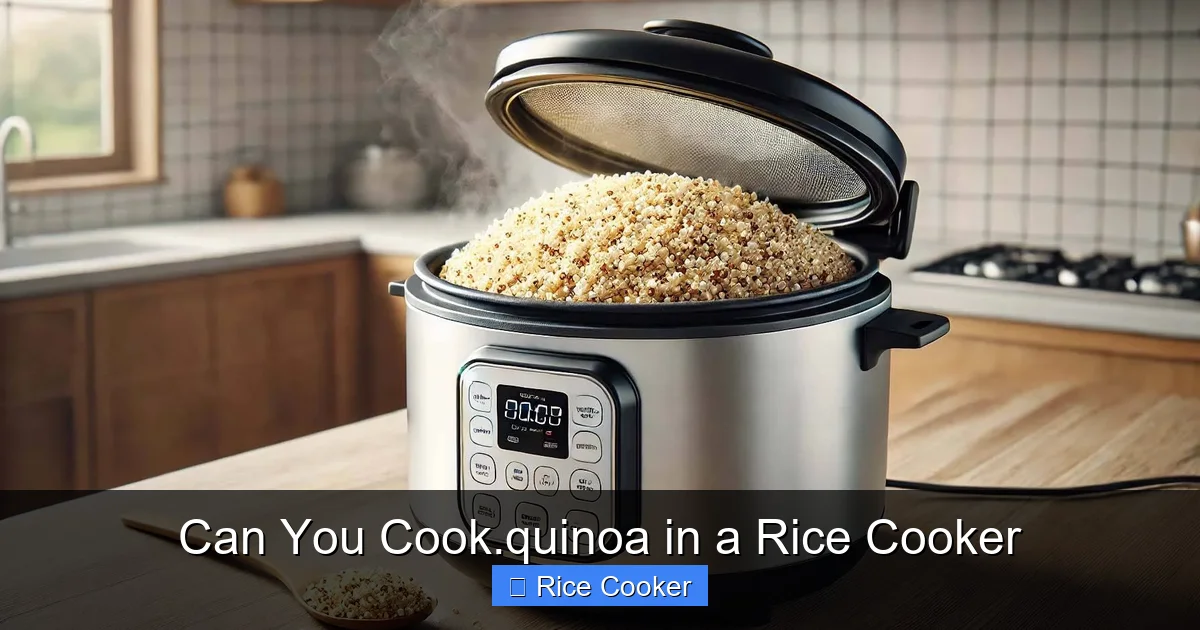
Using a rice cooker for quinoa might seem obvious once you know how easy it is, but there are several compelling reasons why this method stands out. First, rice cookers are designed to automate the cooking process, removing guesswork and ensuring consistent results. Unlike boiling on the stovetop, where you have to monitor the pot and stir occasionally, a rice cooker simply does the job for you. Once you add the ingredients and press start, there’s nothing left to do but wait.
Visual guide about Can You Cook.quinoa in a Rice Cooker
Image source: expertreviewsbestricecooker.com
Another advantage is the even heat distribution. Rice cookers maintain a steady temperature throughout the cooking cycle, which helps prevent scorching or unevenly cooked grains. This is especially important with quinoa, which can become sticky if not cooked properly. Additionally, rice cookers often come with non-stick inner pots, making cleanup a breeze. Just rinse the pot, wipe it down, and you’re done. For people who value convenience and efficiency, cooking quinoa in a rice cooker is a game-changer.
How to Prepare Quinoa for the Rice Cooker
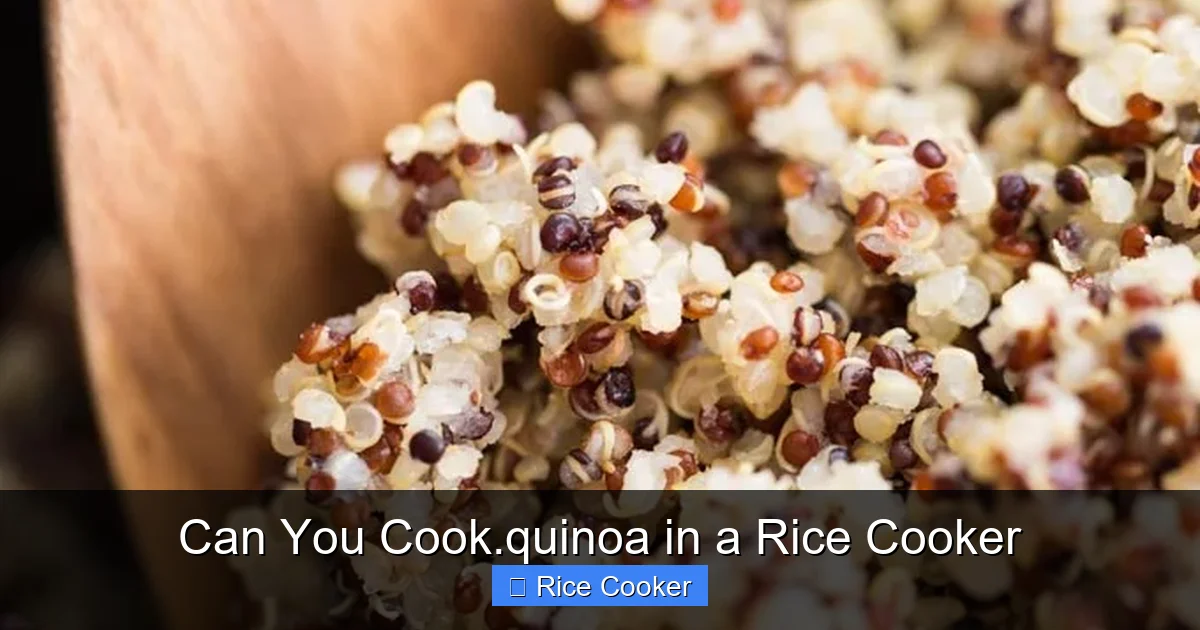
Before you toss your quinoa into the rice cooker, there are a few important steps to follow. The first and most crucial step is rinsing the quinoa thoroughly. Quinoa naturally contains a compound called saponin, which gives it a slightly bitter, soapy taste. Rinsing removes this coating and ensures your final dish tastes clean and nutty rather than unpleasant. To rinse effectively, place the quinoa in a fine-mesh strainer and run cool water over it while gently rubbing the grains between your fingers. Continue until the water runs clear—about 30 seconds to a minute should do it.
Visual guide about Can You Cook.quinoa in a Rice Cooker
Image source: recipeforperfection.com
Choosing the Right Type of Quinoa
There are three main types of quinoa: white, red, and black. Each has a slightly different texture and flavor profile, but all can be cooked successfully in a rice cooker. White quinoa is the most common and tends to be the mildest in taste, making it a great choice for beginners. Red quinoa holds its shape better after cooking and has a slightly earthier flavor, while black quinoa is the most nutritious and has a chewier texture. Regardless of the variety, the cooking process remains the same—just adjust the soaking or rinsing time slightly if recommended by the package.
Measuring Accurately
Precision matters when cooking quinoa. A general rule of thumb is to use 2 cups of liquid (water or broth) for every 1 cup of dry quinoa. However, this can vary slightly depending on the brand or type of quinoa. Some packages recommend a 1:1.5 ratio, while others suggest 1:2.5. To avoid under- or overcooking, start with the standard 2:1 ratio and adjust next time based on your results. Also, keep in mind that quinoa expands significantly as it cooks—about 3 to 4 times its original volume. So if you’re cooking for a crowd, plan accordingly.
Step-by-Step Guide to Cooking Quinoa in a Rice Cooker
Cooking quinoa in a rice cooker couldn’t be simpler. Follow these straightforward steps, and you’ll have restaurant-quality quinoa at home in under 30 minutes.
- Rinse the quinoa. Place 1 cup of dry quinoa in a fine-mesh strainer and rinse under cold running water for about 30 seconds, or until the water runs clear.
- Add ingredients to the rice cooker. Pour the rinsed quinoa into the inner pot of your rice cooker. Then add 2 cups of water (or vegetable/broth for extra flavor). If desired, add a pinch of salt or a splash of olive oil to enhance taste and help prevent clumping.
Most rice cookers have a “White Rice” or “Regular” setting—this works perfectly for quinoa. Avoid settings like “Quick Cook” unless your model specifies it’s safe for smaller grains. Press the button to begin cooking. The quinoa will take approximately 15–20 minutes to cook fully. Your rice cooker will automatically switch to “Keep Warm” mode when done. Once the cycle ends, let the quinoa sit for 5 minutes with the lid closed. This allows any remaining moisture to be absorbed evenly. Afterward, gently fluff it with a fork before serving.
Tips for Best Results
- Use filtered water. It improves the taste and reduces impurities.
- Add flavor during cooking. Try using chicken or vegetable broth instead of plain water. You can also add garlic powder, cumin, or dried herbs.
- Don’t lift the lid. Opening the lid during cooking lets steam escape, which can affect texture.
- Store leftovers properly. Keep cooked quinoa in an airtight container in the fridge for up to 5 days or freeze portions for longer storage.
Common Mistakes and How to Avoid Them
Even though cooking quinoa in a rice cooker is simple, a few common pitfalls can lead to subpar results. Being aware of these mistakes will help you achieve fluffy, non-sticky quinoa every time.
One frequent error is skipping the rinsing step. Without rinsing, quinoa retains its natural bitterness, which can ruin even the best recipes. Another mistake is using too much water. While quinoa does absorb liquid, adding too much results in mushy, overly soft grains. Stick to the 2:1 ratio unless experimenting with texture.
Some people also forget to let the quinoa rest after cooking. Skipping this step means the grains don’t firm up properly and may turn out gummy. Always allow a 5-minute cooldown period before fluffing and serving. Finally, overcrowding the rice cooker can cause uneven cooking. Make sure you’re not exceeding the recommended capacity—usually marked on the interior of the pot.
Flavor Variations and Creative Uses
Once you’ve mastered the basics, you can elevate your quinoa with creative additions and serve it in countless ways. One popular variation is flavoring the cooking liquid. Instead of plain water, try simmering herbs like thyme or rosemary, or infusing the water with lemon zest and garlic. You can also swap water for coconut milk for a creamy, tropical twist—perfect for Asian-inspired dishes or grain bowls.
Adding Proteins and Vegetables
For a more substantial meal, mix in cooked chickpeas, diced tomatoes, corn, or roasted vegetables while the quinoa finishes steaming. This creates a complete protein bowl with minimal effort. You can even add a fried egg on top for added richness.
Serving Suggestions
- Quinoa Salad: Mix cooled quinoa with cucumber, cherry tomatoes, feta cheese, and a lemon-tahini dressing.
- Breakfast Bowl: Top warm quinoa with fresh fruit, nuts, and a drizzle of honey or maple syrup.
- Baked Goods: Substitute quinoa flour in pancake or muffin recipes for extra nutrition.
- Soup Base: Stir cooked quinoa into miso soup or lentil stew for heartiness.
Comparing Rice Cooker vs. Stovetop Method
While both methods yield delicious quinoa, there are notable differences in convenience, control, and outcome. On the stovetop, you must monitor the pot, stir occasionally, and watch for boiling over. There’s also a risk of burning if you get distracted. In contrast, the rice cooker method is completely hands-off—ideal for multitasking or cooking while preparing other dishes.
That said, some chefs prefer the stovetop for finer control over texture. By adjusting heat levels manually, you can achieve a firmer bite or softer consistency based on preference. However, for most home cooks, the rice cooker offers superior ease and reliability. It’s also safer, especially for families with children or those who tend to forget about pots on the burner.
Cleaning and Maintenance Tips
After cooking quinoa in your rice cooker, cleaning is simple thanks to the non-stick interior. Most modern rice cookers come with removable inner pots that are dishwasher-safe. If yours isn’t, just wash it with warm, soapy water and a soft sponge. Avoid abrasive scrubbers that could damage the coating.
To prevent residue buildup, always rinse out any leftover grains immediately after use. Over time, cooked food can harden and become difficult to remove. Also, check the sealing ring around the lid periodically—it can collect moisture and develop odors if not cleaned regularly. Replace it if it starts to smell off or shows signs of wear.
Frequently Asked Questions About Cooking Quinoa in a Rice Cooker
Do I need to soak quinoa before cooking it in a rice cooker?
No, soaking is not required. Unlike some grains, quinoa doesn’t need to be soaked to soften properly. Rinsing and cooking in the rice cooker is sufficient for tender results.
Can I cook quinoa in a pressure cooker instead of a rice cooker?
Yes, you can. Use the same 2:1 water-to-quinoa ratio and set the pressure cooker to high pressure for 1 minute, then natural release for 10 minutes. This method is faster but requires monitoring the release valve.
How long does cooked quinoa last in the refrigerator?
Cooked quinoa stays fresh in an airtight container in the fridge for up to 5 days. For longer storage, freeze portions in freezer bags for up to 3 months.
Can I cook quinoa in a slow cooker?
It’s possible, but not ideal. Slow cookers don’t provide enough direct heat to cook quinoa evenly. It may remain undercooked or become mushy. Stick to the rice cooker or stovetop for best results.
Is it okay to cook quinoa in a rice cooker with the “brown rice” setting?
Generally, no. Brown rice takes longer to cook and requires more water. Using the brown rice setting for regular quinoa may result in undercooked grains. Use the “white rice” setting instead.
Can I cook quinoa and rice together in the same rice cooker?
Yes! Combine 1 part quinoa with 2 parts white rice, rinse thoroughly, and use 2.5 cups of water per cup of total grains. Adjust timing based on your cooker’s manual.
Frequently Asked Questions
Do I need to soak quinoa before cooking it in a rice cooker?
No, soaking is not required. Unlike some grains, quinoa doesn’t need to be soaked to soften properly. Rinsing and cooking in the rice cooker is sufficient for tender results.
Can I cook quinoa in a pressure cooker instead of a rice cooker?
Yes, you can. Use the same 2:1 water-to-quinoa ratio and set the pressure cooker to high pressure for 1 minute, then natural release for 10 minutes. This method is faster but requires monitoring the release valve.
How long does cooked quinoa last in the refrigerator?
Cooked quinoa stays fresh in an airtight container in the fridge for up to 5 days. For longer storage, freeze portions in freezer bags for up to 3 months.
Can I cook quinoa in a slow cooker?
It’s possible, but not ideal. Slow cookers don’t provide enough direct heat to cook quinoa evenly. It may remain undercooked or become mushy. Stick to the rice cooker or stovetop for best results.
Is it okay to cook quinoa in a rice cooker with the “brown rice” setting?
Generally, no. Brown rice takes longer to cook and requires more water. Using the brown rice setting for regular quinoa may result in undercooked grains. Use the “white rice” setting instead.
Can I cook quinoa and rice together in the same rice cooker?
Yes! Combine 1 part quinoa with 2 parts white rice, rinse thoroughly, and use 2.5 cups of water per cup of total grains. Adjust timing based on your cooker’s manual.