
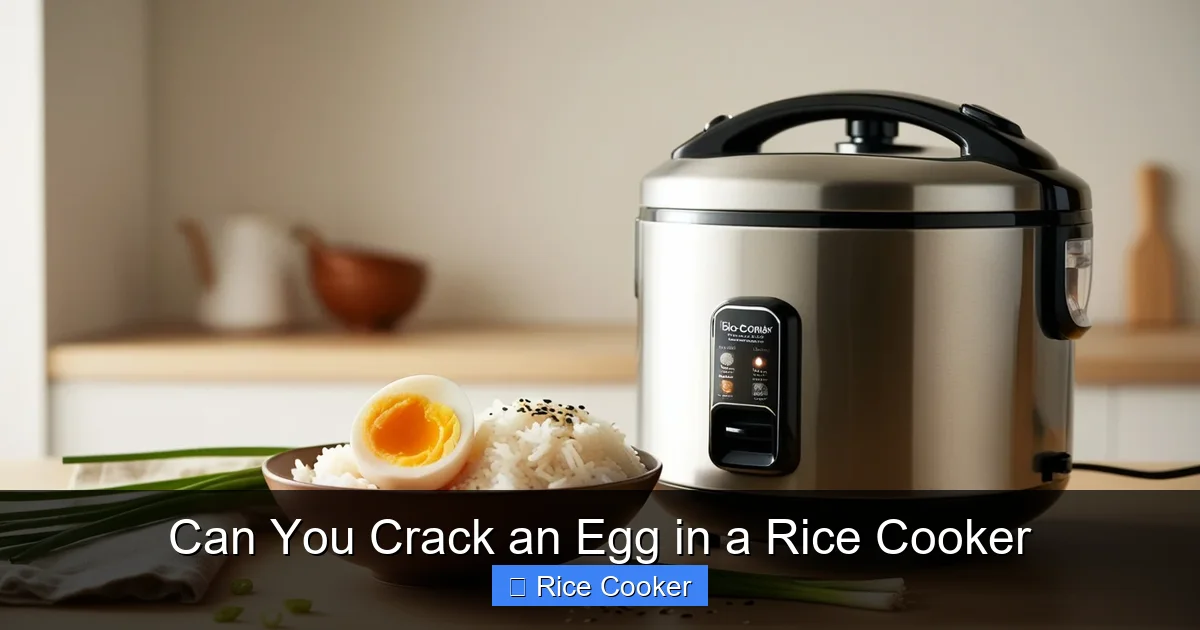
Yes, you can crack an egg into a rice cooker, but it requires caution and the right technique. With a non-stick pot and careful timing, you can make perfect scrambled eggs, soft-boiled eggs, or even custard without mess. We’ll walk you through safe steps, common mistakes, and creative uses for this clever kitchen hack.
Have you ever found yourself staring at your rice cooker, wondering if it could do more than just cook rice? Maybe you’re tired of the same old omelets or scrambled eggs every morning, or perhaps you’re short on time and need something fast. Well, buckle up—because today we’re diving into one of the most curious kitchen experiments: **can you crack an egg in a rice cooker**?
At first glance, it might sound like a silly question. After all, rice cookers aren’t exactly marketed as egg-cooking machines. But hear us out—rice cookers are more versatile than you think. With their consistent heat and enclosed environment, they can actually produce surprisingly delicious results when used creatively. And yes, that includes eggs. Whether you’re aiming for fluffy scrambled eggs, soft-boiled perfection, or even a custardy treat, your rice cooker might just be the unsung hero of quick breakfasts.
Before we get too excited, let’s address the elephant in the room: safety and cleanliness. Rice cookers are designed for grains, not raw proteins. That means if you’re not careful, you could end up with a sticky mess, burnt residue, or even a funky smell lingering in your appliance. But don’t worry—we’ve got tips to help you navigate this safely and effectively. So grab your favorite egg, fire up that rice cooker, and let’s explore how to turn this kitchen curiosity into a culinary win.
Key Takeaways
- It’s possible to crack an egg in a rice cooker—but only with the right preparation and settings.
- Use a non-stick inner pot to prevent sticking and make cleanup easier.
- Scrambled eggs work best due to gentle, even heat; hard-boiled eggs may not cook evenly.
- Add a splash of water or oil to prevent sticking and help the egg set properly.
- Timing is key—most eggs take 3–6 minutes on high or medium heat after boiling starts.
- Clean immediately after use to avoid protein buildup and odor.
- Experiment with flavors like cheese, herbs, or soy sauce for tasty variations.
📑 Table of Contents
Understanding Your Rice Cooker: Why It Works for Eggs
Not all rice cookers are created equal. The success of cracking an egg in your rice cooker largely depends on its design and features. Most modern rice cookers come with a few key components: the heating element, temperature control, and—most importantly—the inner pot.
The inner pot is usually made of aluminum or stainless steel, though many models now feature a non-stick coating. This is where your egg will land, so choosing a model with a smooth, non-stick surface is essential. Without it, your egg could stick, burn, or leave behind stubborn residues that are hard to scrub off.
Another important factor is temperature regulation. Unlike stovetop cooking, where you have direct flame control, rice cookers operate on programmed cycles. However, many have a “keep warm” function that maintains heat around 170–190°F (77–88°C), which is ideal for gently cooking eggs without scrambling them too aggressively. Some advanced models even allow you to adjust heat levels manually, giving you more control over the process.
Finally, consider the size of your rice cooker. A smaller model (like a 1- or 1.5-cup capacity) works better for single servings, while larger ones can handle multiple eggs or even small batches of custard. Just remember: too many eggs in too small a pot can lead to uneven cooking.
In short, understanding your rice cooker’s capabilities helps you use it wisely. Think of it less as a replacement for your stove and more as a clever alternative for certain tasks—like making eggs without dirtying another pan.
How to Safely Crack an Egg Into a Rice Cooker
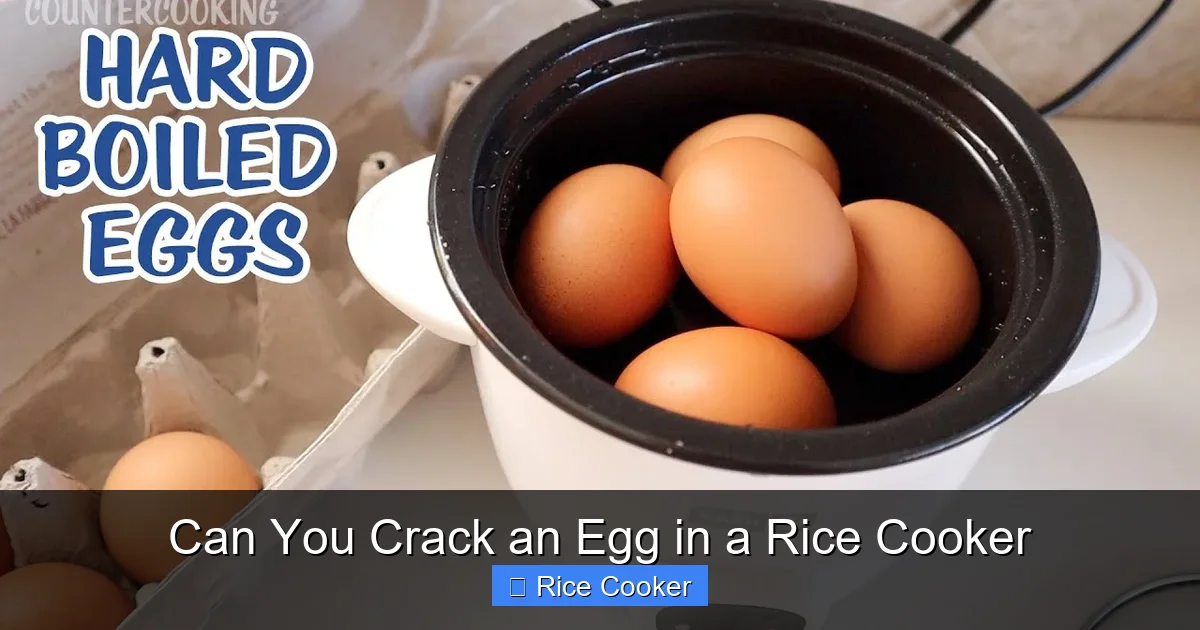
Visual guide about Can You Crack an Egg in a Rice Cooker
Image source: i.ytimg.com
Now comes the fun part: actually putting that egg into the cooker. Before you crack it, take a deep breath—this isn’t as simple as tossing it in and hoping for the best.
First, prepare your rice cooker. Make sure the inner pot is clean and dry. If it’s brand new or hasn’t been used recently, give it a quick wipe-down with warm, soapy water. Then, lightly grease it with butter, oil, or non-stick spray. This creates a barrier between the egg and the pot, reducing the chance of sticking.
Next, crack the egg directly into a small bowl or measuring cup. This might seem unnecessary, but trust us—it prevents shell fragments from flying everywhere and lets you inspect the egg for cracks before it hits the hot surface. Whisk the egg briefly (just once or twice) to break the yolk and blend the whites slightly. You don’t want to overmix, though—you’re aiming for a tender texture, not rubbery eggs.
Once the egg is ready, carefully pour it into the center of the heated pot. If your rice cooker has already started heating (on “cook” or “boil” mode), the surface should be warm enough to begin setting the egg immediately. For scrambled eggs, you’ll want to stir gently with a silicone spatula every 30 seconds to encourage even cooking.
If you’re making soft-boiled eggs instead, the process is slightly different. You’ll need to place the cracked egg in a small ramekin or silicone mold first, then lower it into simmering water inside the rice cooker. Cover the pot and let it cook for about 4–6 minutes, depending on how runny you like your yolk.
Always monitor closely during the first minute. Overcooking leads to tough textures and potential sticking, so keep an eye on color and consistency. Once done, transfer the egg to a plate immediately to stop residual heat from continuing the cooking process.
Best Types of Egg Dishes You Can Make in a Rice Cooker
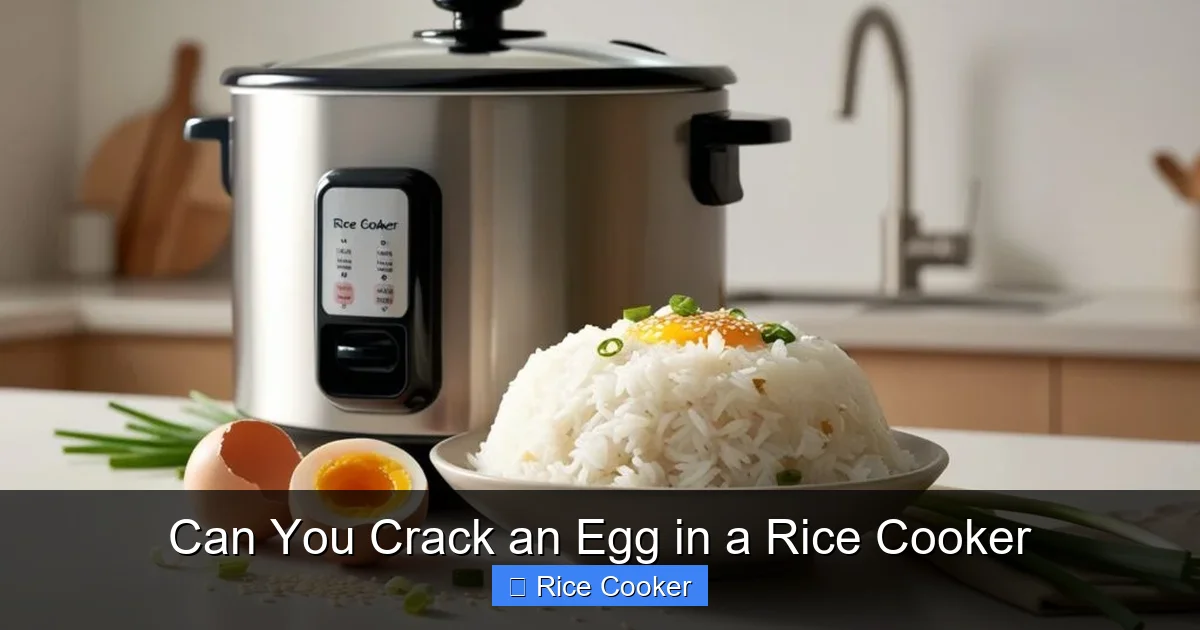
Visual guide about Can You Crack an Egg in a Rice Cooker
Image source: toolsofkitchen.com
While any egg dish is technically possible, some work much better than others in a rice cooker environment. Let’s break down the top contenders.
Scrambled Eggs
Scrambled eggs are arguably the easiest and most reliable option. Because the rice cooker heats evenly and retains moisture, you can achieve creamy, fluffy results without constant stirring. Simply add a teaspoon of water or milk to the egg before pouring it in. The steam helps create a tender crumb, while the gentle heat prevents browning or burning.
For extra flavor, consider adding shredded cheese, chopped chives, or a dash of salt and pepper halfway through cooking. Stir occasionally until just set—overdoing it leads to dry eggs.
Soft-Boiled Eggs
Want runny yolks without boiling water on the stove? Try soft-boiled eggs in your rice cooker. Crack each egg into a small cup, then lower it into a pot filled with about an inch of water. Bring the water to a boil, cover, and reduce to a simmer. Cook for 4 minutes for a gooey yolk or 6 minutes for firmer texture.
Pro tip: Use silicone molds or ramekins to hold the eggs upright and prevent rolling around.
Omelets
Believe it or not, rice cookers can make decent omelets—especially if you use a heat-resistant silicone ring to shape the batter. Whisk eggs with salt, pepper, and optional fillings (cheese, spinach, diced ham). Pour into the greased pot and cover. Cook on medium heat for 3–4 minutes until edges set, then fold gently.
Note: Omelets require more attention than scrambled eggs since they need shaping, but they’re totally worth it.
Custards and Puddings
Here’s where rice cookers really shine. By using the “warm” or “cook” setting on low, you can make silky custards or rice pudding with cooked eggs. Mix beaten eggs with sugar, milk, and vanilla, then cook slowly for 15–20 minutes, stirring constantly to avoid curdling. The result? A rich, velvety dessert or snack.
Just be patient—slow and steady wins the custard race!
Practical Tips for Success Every Time
Even with perfect technique, things don’t always go according to plan. Here are some tried-and-true tips to ensure your rice cooker egg adventures end in success.
Use Fresh Eggs
Older eggs tend to have weaker membranes, increasing the risk of cracking during handling. Fresh eggs also separate more easily, making them safer to crack into bowls before adding to the cooker.
Preheat the Pot
Never pour cold egg into a cold pot. Let the rice cooker run on “cook” mode for 2–3 minutes first. This ensures even heat distribution and reduces the chance of the egg sticking to the bottom.
Don’t Overfill
Stick to one or two eggs per serving. Too many eggs crowd the pot, leading to uneven cooking and potential overflow.
Cover While Cooking
Covering the rice cooker traps steam, which helps cook the egg gently and keeps it moist. It also prevents splatters inside the appliance.
Clean Immediately
Egg proteins bond strongly with metal surfaces. Clean the inner pot right after use with warm water and mild detergent. Avoid harsh abrasives that can damage non-stick coatings.
Experiment with Add-ins
Cheese, herbs, or a sprinkle of paprika can elevate plain eggs into gourmet bites. Just add them toward the end to preserve flavor and texture.
Know When to Stop
When in doubt, err on the side of undercooking. You can always continue cooking for another 30 seconds if needed, but reversing an overcooked egg is impossible.
Common Mistakes to Avoid
Let’s be honest—everyone makes mistakes when experimenting. Here are the most frequent pitfalls and how to fix them.
Mistake #1: Using a Damaged Non-Stick Coating
Scratched or worn-out pots cause eggs to stick badly. Inspect your inner pot regularly and replace it if necessary. Safety first!
Mistake #2: Pouring Cold Egg Directly In
This causes rapid temperature shock, leading to uneven cooking and potential sticking. Always preheat the pot first.
Mistake #3: Not Cleaning Promptly
Leaving egg residue dries into a crust that’s nearly impossible to remove. Rinse the pot while it’s still warm.
Mistake #4: Overcrowding the Pot
More eggs = longer cooking time = uneven results. Stick to single servings unless your cooker is large enough.
Mistake #5: Ignoring Steam Ventilation
Too much steam buildup can cause pressure issues. Keep the lid slightly ajar if your model has a steam release valve.
Mistake #6: Expecting Stovetop-Level Results
Rice cookers aren’t stoves. They lack direct flame control, so outcomes may differ slightly. Embrace the unique qualities of your appliance.
Creative Recipes to Try Next Time
Ready to level up your rice cooker game? Here are three fun recipes to impress yourself—and maybe your friends.
Cheesy Herb Scrambled Eggs
Whisk 2 eggs with 1 tbsp milk, ¼ tsp salt, and a pinch of black pepper. Add 2 tbsp shredded cheddar and 1 tsp chopped parsley. Pour into a greased, preheated pot. Cook covered on medium heat for 3 minutes, stirring occasionally. Serve immediately.
Rice Cooker Soft-Boiled Eggs with Avocado Toast
Crack eggs into ramekins. Fill the rice cooker pot with 1 inch of water, bring to a boil, then lower ramekins in. Simmer covered for 5 minutes. Meanwhile, toast bread and mash avocado with lemon juice and salt. Top toast with warm eggs and enjoy!
Lemon Custard
Mix 2 eggs, ½ cup sugar, zest of 1 lemon, and 1 cup milk in a bowl. Strain into the rice cooker pot. Cook on low heat for 15–20 minutes, stirring constantly until thickened. Chill before serving.
These recipes prove that cracking an egg in a rice cooker isn’t just possible—it’s delicious!
Conclusion: Is It Worth It?
So, can you crack an egg in a rice cooker? Absolutely. With the right approach, your rice cooker becomes a multi-tool for quick, hassle-free meals. From fluffy scrambles to delicate custards, this appliance offers surprising versatility beyond grains.
Of course, it’s not a perfect substitute for every cooking method. Hard-boiled eggs, for example, still require stovetop boiling for best results. And if you’re cooking for a crowd, a dedicated skillet might be faster. But for solo diners, busy mornings, or anyone craving creativity in the kitchen, the rice cooker egg hack is a winner.
Remember: safety, cleanliness, and patience are your best allies. Treat your rice cooker with care, and it’ll reward you with tasty surprises time and again.
Next time hunger strikes, skip the complicated routine. Grab an egg, fire up your rice cooker, and discover what this humble appliance can really do.
Frequently Asked Questions
Can I cook multiple eggs in my rice cooker at once?
Yes, but space matters. Use shallow containers like ramekins or silicone molds to prevent mixing. Cook in batches if your pot is small—overcrowding leads to uneven cooking and sticking.
Will eggs stick to my rice cooker pot?
Possibly, especially if the non-stick coating is damaged or the pot isn’t preheated. Always grease the pot first and ensure it’s warm before adding eggs. Immediate cleaning also prevents sticking.
What’s the best way to clean egg residue from my rice cooker?
Clean the inner pot while it’s still warm using soapy water and a soft sponge. Avoid steel wool or harsh scrubbers that can damage coatings. For stubborn spots, soak in warm water with baking soda.
Can I make omelettes in a rice cooker?
Yes, but they require more attention than scrambled eggs. Use a heat-resistant ring to shape the egg mixture, cook covered for 3–4 minutes, then fold gently. Fillings like cheese or veggies add great flavor.
Is it safe to crack eggs directly into a hot rice cooker?
Not recommended. Cracking into a bowl first avoids shell pieces and lets you check for cracks. Plus, preheating the pot ensures even cooking and reduces sticking risks.
What temperature setting works best for eggs?
Medium or “warm” settings are ideal. High heat can cause eggs to scramble too quickly or burn. Covering the pot traps steam, creating a gentle cooking environment perfect for tender results.