
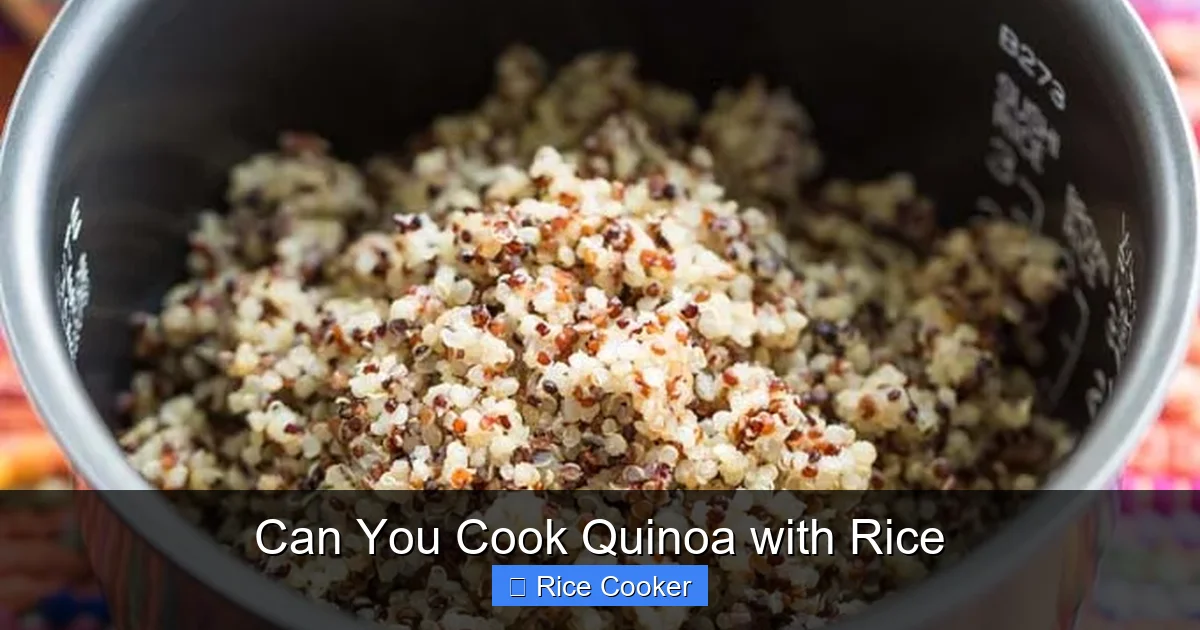
Yes, you can absolutely cook quinoa with rice using a rice cooker, creating a delicious, protein-packed meal that’s both simple and satisfying. While the textures and cooking times differ slightly, combining them is totally doable with the right approach—making it a smart way to diversify your grain routine without extra effort.
Have you ever stood in front of your rice cooker wondering, *”Can I just throw everything in there?”* Maybe you’re trying to cut down on dishes, save time, or simply make use of what’s already in your pantry. If you love quinoa but also rely on rice as a staple—or vice versa—you might be curious: **can you cook quinoa with rice**? The short answer is yes, and it’s easier than you think. With a little know-how, you can create a balanced, nutritious meal using both grains in one pot. Let’s dive into how it works, why it’s worth trying, and the best practices to get it right every time.
Cooking quinoa and rice together isn’t just practical—it’s also nutritionally smart. Quinoa is a complete protein, packed with fiber, iron, and essential amino acids, while rice provides quick energy and a neutral base that absorbs flavors well. When combined, they complement each other beautifully, offering a satisfying texture and balanced macronutrients. Plus, doing it all in one appliance means fewer steps, less cleanup, and a warm meal ready faster. Whether you’re meal prepping, feeding a crowd, or just want variety, mixing these two grains opens up a world of possibilities.
Before we get into the nitty-gritty, let’s clarify one thing: not all rice cookers are created equal. Some have fuzzy logic sensors that detect moisture levels and adjust timing automatically, while others rely on fixed timers and heat settings. This matters because quinoa cooks differently from most rice varieties. It swells more and absorbs liquid gradually, whereas rice tends to absorb quickly and then steam dry. So, understanding your appliance and adjusting accordingly will make all the difference.
Key Takeaways
- Quinoa and rice can be cooked together: They work well side-by-side in a rice cooker when adjusted for their different water absorption rates.
- Use the right ratio: A 1:1:2 ratio (quinoa to white rice to water) often works, but adjust based on rice type and desired texture.
- Soak quinoa first: Rinsing and soaking quinoa helps reduce bitterness and ensures even cooking.
- Don’t skip rinsing: Both grains benefit from a good rinse to remove excess starch or saponins.
- Check doneness manually: Quinoa may finish cooking before rice, so monitor and remove it once tender.
- Fluff gently: Use a fork to combine them at the end—no need to stir vigorously to avoid mushiness.
- Experiment with flavors: Add herbs, spices, or broth for a more flavorful dish when cooking mixed grains.
📑 Table of Contents
- Why Cook Quinoa and Rice Together?
- Understanding the Differences Between Quinoa and Rice
- How to Cook Quinoa and Rice Together
- Best Rice Types to Pair with Quinoa
- Troubleshooting Common Issues
- Nutritional Benefits of Combining Quinoa and Rice
- Creative Ways to Serve Mixed Grains
- Final Thoughts: Is It Worth It?
Why Cook Quinoa and Rice Together?
There are several compelling reasons to combine quinoa and rice in one pot. First, **efficiency**. Instead of cooking two separate batches, you can prepare both at once, saving time and energy. This is especially helpful for busy weeknights or when you’re cooking for a family with different preferences. Second, **nutritional balance**. Quinoa adds protein and fiber, which complements rice’s carbohydrates. Together, they create a more complete meal that keeps you fuller longer.
Another benefit is **versatility**. You can use this method with any type of rice—white, brown, jasmine, basmati—and pair it with quinoa in creative ways. Try adding vegetables, beans, or a splash of coconut milk for an international twist. Because quinoa has a slightly nutty flavor, it doesn’t overpower mild rice but instead enhances it. This makes it ideal for dishes like grain bowls, stir-fries, or even pilafs.
Finally, cooking them together teaches you about grain behavior under heat. Once you understand how much water each needs, how long they take, and how they respond to pressure, you’ll feel more confident experimenting with other grain combos—like farro and wild rice, or barley and millet.
Understanding the Differences Between Quinoa and Rice
Visual guide about Can You Cook Quinoa with Rice
Image source: wendypolisi.com
To cook quinoa and rice successfully together, it helps to know how they behave. Quinoa is technically a seed, not a grain, and it has a unique outer layer called saponin, which gives it a bitter taste if not rinsed properly. Rice, on the other hand, is a cereal grain that comes in many forms, each with its own water absorption rate and cook time.
Quinoa generally requires **more water** than rice—about double the amount by volume. For example, 1 cup of quinoa needs about 2 cups of water, while 1 cup of white rice only needs 1.5 to 2 cups. Brown rice takes even longer and needs more liquid. When cooking them together, you’ll need to account for these differences. Too little water, and the quinoa might stay chalky; too much, and the rice could become mushy.
Texture is another key factor. Quinoa tends to be chewier and holds its shape better than most rices, especially after being soaked. White rice becomes soft and fluffy, while brown rice stays firmer and more granular. Mixing them creates a pleasant contrast—some bites are light and airy, others are satisfyingly hearty.
Cooking time varies too. Quinoa usually finishes in **15–20 minutes**, while white rice takes about **18–20 minutes**, and brown rice can take **40–50 minutes**. If you cook them together, you’ll likely need to check the quinoa halfway through and remove it once done, letting the rice finish cooking separately. Or, you can adjust the water and timing to accommodate both.
Water Absorption Rates Compared
| Grain Type | Water Ratio (by volume) | Typical Cook Time |
|———–|————————–|——————-|
| White Rice | 1.5–2 cups per 1 cup rice | 18–20 min |
| Brown Rice | 2–2.5 cups per 1 cup rice | 40–50 min |
| Quinoa | 2–2.5 cups per 1 cup quinoa | 15–20 min |
This table shows why direct comparison isn’t always straightforward. When combining, aim for a middle ground—enough water to cook the rice fully, but not so much that the quinoa turns into porridge.
How to Cook Quinoa and Rice Together
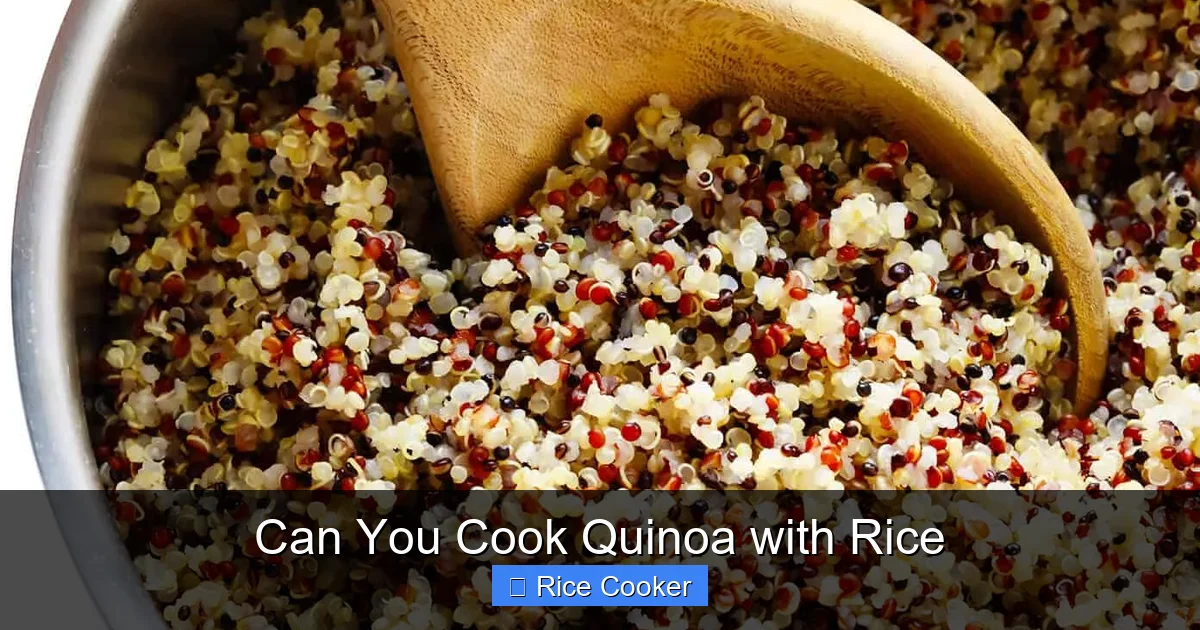
Visual guide about Can You Cook Quinoa with Rice
Image source: gimmesomeoven.com
Now, let’s walk through the actual process. Don’t worry—it’s simpler than it sounds. The key is preparation and timing.
Start by **rinsing both grains thoroughly**. Place them in a fine-mesh strainer and run cool water over them until the water runs clear. This removes saponins from quinoa and excess starch from rice, preventing stickiness and bitterness.
Next, **soak the quinoa** if possible. While not mandatory, soaking for 15–30 minutes helps soften it and reduces cook time. It also improves digestibility. Rice doesn’t need soaking, but you can give it a quick rinse and drain.
In your rice cooker, combine **1 cup quinoa**, **1 cup rice (any kind)**, and **3 cups water** (or broth for added flavor). Stir gently to combine. Close the lid and set the cooker to “White Rice” mode—this provides consistent heat needed for rice.
After **10 minutes**, check the quinoa. If it’s tender and the water is absorbed, turn off the cooker and let the rice finish steaming for another 5–10 minutes. If not, continue cooking and check again in 5 minutes. Once the quinoa is done, open the lid carefully (steam will escape), fluff it with a fork, and remove it to a bowl.
Return the rice to the cooker if needed and let it complete its cycle. Alternatively, you can cook the rice first, then add the quinoa and cook for an additional 5–10 minutes. Whichever method you choose, the result is a harmonious mix of textures and nutrients.
Tips for Success
– Use a timer: Set a reminder to check the quinoa halfway through.
– Don’t overmix: Gently fold grains together once both are cooked.
– Add flavor during cooking: Try garlic powder, turmeric, or a bay leaf in the water.
– Let it rest: Allow the mixture to sit for 5 minutes after cooking to settle moisture.
Best Rice Types to Pair with Quinoa
Not all rice is created equal when mixed with quinoa. Some work better than others based on texture, cook time, and flavor compatibility.
White Rice
White rice is the most common choice due to its neutral taste and quick cook time. It pairs well with quinoa’s nuttiness and creates a light, fluffy contrast. Basmati and jasmine rice also work great—they’re aromatic and lend a subtle floral note to the dish.
Brown Rice
Brown rice has a chewier texture and nuttier flavor, which complements quinoa nicely. However, because it takes longer to cook, you may need to adjust your method. Consider cooking the brown rice first, then adding the quinoa for the last 10 minutes.
Wild Rice
Wild rice is actually an aquatic grass, not a true grain, but it’s often grouped with rice. It’s rich, earthy, and takes a long time to cook. Mixing it with quinoa can be tricky—best done in stages or with a high-water ratio.
For beginners, **white rice** is the safest bet. It cooks quickly, absorbs flavors easily, and doesn’t require special handling. Once you’re comfortable, you can experiment with red rice, black rice, or even wild rice blends.
Troubleshooting Common Issues
Even with the best intentions, things can go wrong. Here’s how to fix common problems when cooking quinoa and rice together.
Too Much Water
If your grains are soupy, it’s likely because too much water was used. To fix this, transfer the mixture to a saucepan, bring to a boil, and simmer uncovered until excess liquid evaporates. Fluff with a fork and serve.
Undercooked Quinoa
Quinoa that’s still crunchy usually means it wasn’t given enough time or water. Add a splash of water, cover, and cook for another 5–10 minutes. Keep checking until tender.
Mushy Texture
Overcooking leads to mush. Avoid stirring constantly, and remove grains as soon as they’re done. Using a rice cooker with a “keep warm” function can help prevent this by reducing active heating once boiling stops.
Bitter Taste
This happens if quinoa isn’t rinsed well. Always rinse under cold water until clear. If bitterness persists, soak the quinoa for at least 15 minutes before cooking.
Sticky Grains
Excess starch causes stickiness. Rinse thoroughly, don’t overfill the cooker, and avoid pressing down on the grains after cooking.
With patience and practice, these issues become rare. Most problems stem from not rinsing or overfilling—simple fixes that make a big difference.
Nutritional Benefits of Combining Quinoa and Rice
Why bother mixing them at all? The health benefits are substantial. Quinoa is one of the few plant foods considered a complete protein, meaning it contains all nine essential amino acids. Rice, while not complete, is easy to digest and provides steady energy. Together, they offer a balanced intake of carbs, proteins, and healthy fats.
Quinoa is also high in fiber, magnesium, B vitamins, and antioxidants. Rice contributes complex carbohydrates that fuel your brain and muscles. When eaten together, they support sustained energy, aid digestion, and promote satiety.
For vegetarians or vegans, quinoa fills the protein gap. For omnivores, it adds nutritional depth without overwhelming the palate. This combination is especially useful in developing countries where access to diverse protein sources is limited—but it’s just as valuable in modern kitchens seeking whole-food nutrition.
Creative Ways to Serve Mixed Grains
Once your quinoa and rice are perfectly cooked, the fun begins! These grains are incredibly versatile. Try them in:
– Grain Bowls: Top with roasted veggies, chickpeas, avocado, and tahini dressing.
– Stir-Fries: Sauté with soy sauce, ginger, and bell peppers.
– Sushi or Rice Cakes: Mix cooled grains with sesame seeds and nori for homemade sushi rolls.
– Desserts: Sweeten with cinnamon, honey, and dried fruit for a warm breakfast porridge.
– Salads: Combine with cucumbers, tomatoes, feta, and lemon vinaigrette.
You can even freeze portions for later—just let them cool completely before storing in airtight containers. Reheat gently in a skillet or microwave with a splash of water to restore moisture.
Final Thoughts: Is It Worth It?
Cooking quinoa and rice together is more than a time-saving hack—it’s a gateway to smarter, tastier meals. Yes, it requires a bit of attention compared to cooking rice alone, but the payoff is worth it. You get the best of both worlds: the fluffy comfort of rice and the protein-rich punch of quinoa.
With practice, you’ll develop a feel for timing, water ratios, and texture preferences. And once you master this technique, you’ll be inspired to try other grain combinations. Who knows? Maybe next time it’ll be barley and millet, or farro and wild rice.
The bottom line? **Yes, you can cook quinoa with rice**, and doing so opens up new culinary horizons. Whether you’re a beginner or a seasoned cook, this method is simple, adaptable, and delicious. Give it a try—your taste buds and schedule will thank you.
Frequently Asked Questions
Can you put quinoa and rice together in a rice cooker?
Yes, you can cook quinoa and rice together in a rice cooker. Just rinse both grains, use a higher water ratio (about 3 cups per 1 cup of each grain), and check the quinoa halfway through cooking since it finishes faster than most rices.
Do quinoa and rice cook at the same speed?
No, they don’t. Quinoa typically cooks in 15–20 minutes, while white rice takes 18–20 minutes and brown rice can take 40–50 minutes. This means you may need to remove the quinoa early or adjust your method to avoid overcooking.
What happens if you cook quinoa and rice together?
Cooking them together creates a nutritious, balanced meal with complementary textures and flavors. Quinoa adds protein and chewiness, while rice provides lightness and quick energy—resulting in a satisfying, wholesome dish.
How do you cook quinoa and rice without a rice cooker?
You can cook them on the stovetop by bringing water to a boil, adding both grains, reducing heat, and simmering covered for 20–25 minutes. Check frequently, and remove quinoa once tender to prevent mushiness.
Is it okay to mix quinoa and white rice?
Absolutely! White rice’s mild flavor and quick cook time pair perfectly with quinoa’s nuttiness. Just rinse both grains and use about 3 cups of water for every 1 cup of each grain for best results.
Does quinoa change the taste of rice?
Quinoa adds a subtle nutty flavor and slight chewiness, but it won’t overpower the rice if used in moderation. The combination enhances overall taste rather than masking it, especially when seasoned with herbs or spices.