
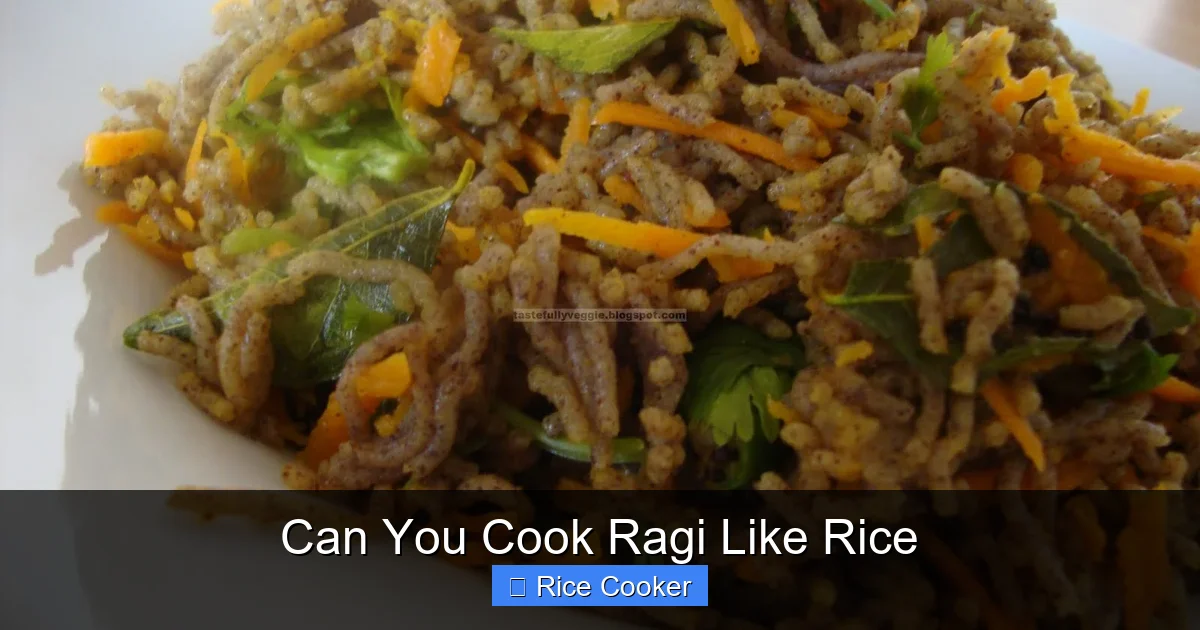
Can you cook ragi like rice? Absolutely! Ragi, also known as finger millet, can be prepared in a rice cooker just like white or brown rice—making it a quick, healthy alternative. With its high calcium, iron, and fiber content, ragi is ideal for gluten-free diets and boosting immunity. Whether you’re new to millets or a seasoned cook, using your rice cooker simplifies the process while preserving nutrients. In this article, we’ll walk you through step-by-step instructions, cooking ratios, flavor pairings, and tips to make ragi as easy and delicious as rice.
Key Takeaways
- Ragi can be cooked like rice: Yes, ragi (finger millet) is fully compatible with standard rice cookers and follows similar preparation steps.
- Nutrition powerhouse: Rich in calcium, iron, protein, and dietary fiber—ideal for strong bones, digestion, and sustained energy.
- Simple cooking ratio: Use a 1:2.5 to 3 ratio of ragi to water, depending on desired texture (softer or firmer).
- Soaking improves digestibility: Soak ragi for 4–6 hours before cooking to reduce anti-nutrients and ease digestion.
- Flavor enhancements: Add jaggery, cardamom, or coconut milk for sweet dishes; pair with vegetables or dal for savory meals.
- Storage & reheating: Store cooked ragi in an airtight container for up to 3 days; reheat with a splash of water to restore moisture.
- Best for gluten-free living: Naturally gluten-free, making it perfect for celiacs or those avoiding wheat-based grains.
📑 Table of Contents
- Introduction: Why Ragi Deserves a Spot in Your Rice Cooker
- Understanding Ragi: The Superfood You Should Know
- Cooking Ragi Like Rice: Step-by-Step Guide
- Troubleshooting Common Issues
- Creative Ways to Serve Ragi Like Rice
- Health Benefits Beyond Nutrition
- Tips for Busy Lifestyles
- Conclusion: Embrace Ragi—Your New Favorite Grain
Introduction: Why Ragi Deserves a Spot in Your Rice Cooker
Ragi, also known as finger millet, has long been celebrated in Indian households for its incredible health benefits and versatility. Once considered a staple in rural diets, ragi is now gaining popularity worldwide as people discover its nutritional superiority over refined grains like white rice. Packed with calcium, iron, protein, and fiber, ragi supports bone health, aids digestion, and helps regulate blood sugar levels. But here’s the exciting part: you don’t need special equipment to enjoy ragi—your trusty rice cooker can handle it just fine.
If you’re wondering, “Can you cook ragi like rice?”—the answer is a resounding yes. While traditional methods might involve pressure cooking or slow simmering, modern rice cookers simplify the process with consistent heat and automatic shut-off. This means even beginners can whip up fluffy, nutritious ragi in under 30 minutes. Whether you’re meal-prepping for the week, feeding picky eaters, or simply exploring gluten-free options, cooking ragi like rice opens the door to countless delicious possibilities. Let’s dive into how to do it right.
Understanding Ragi: The Superfood You Should Know
What Is Ragi?
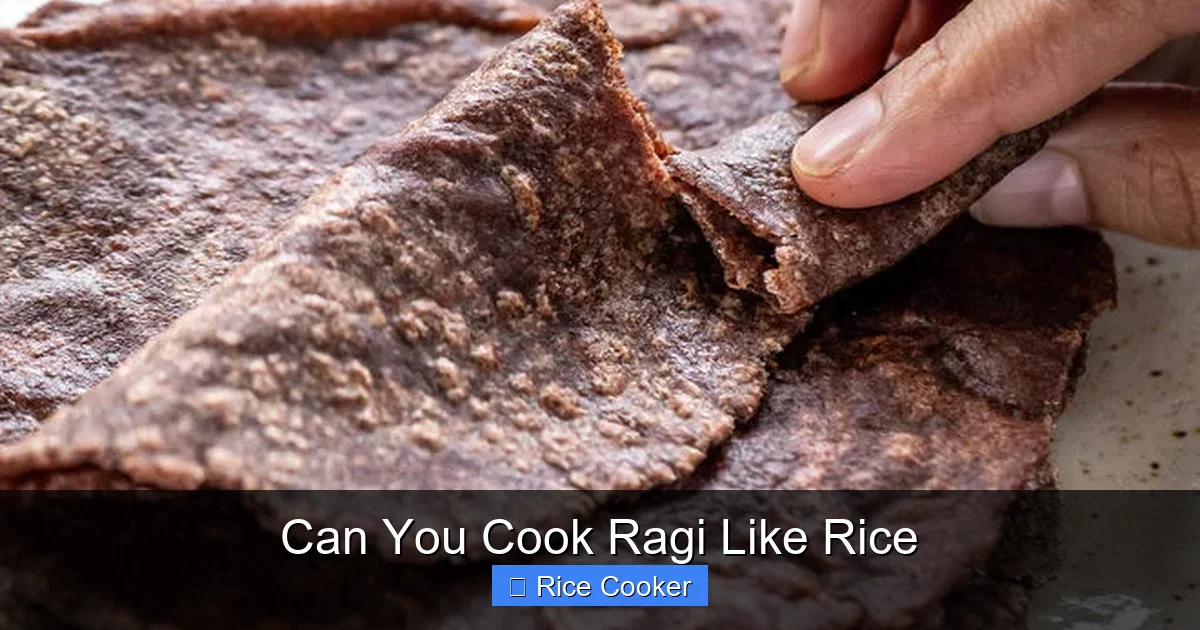
Ragi is a drought-resistant millet commonly grown in Africa and India. It thrives in poor soil conditions and requires minimal water, making it an eco-friendly crop. In India, ragi is traditionally used to make porridge (ragi mudde), flatbreads (ragi roti), and even alcoholic beverages. Its grain is tiny, almost granular, and ranges from pale cream to deep brown depending on the variety.
Visual guide about Can You Cook Ragi Like Rice
Image source: cookwithmanali.com
Nutritional Profile of Ragi
What sets ragi apart is its exceptional nutrient density. One cup of cooked ragi provides:
- Calcium: Nearly 30% of your daily needs—more than milk!
- Iron: Helps prevent anemia and boosts energy.
- Protein: Contains all essential amino acids, rare among cereals.
- Fiber: Aids gut health and keeps you full longer.
- Low glycemic index: Stabilizes blood sugar levels.
This makes ragi especially beneficial for children, pregnant women, elderly individuals, and anyone managing diabetes or seeking weight management.
Gluten-Free and Allergy-Friendly
Ragi is naturally gluten-free, unlike wheat, barley, and rye. This makes it a safe choice for people with celiac disease or non-celiac gluten sensitivity. It’s also free from common allergens like nuts or soy, though always check packaging if cross-contamination is a concern.
Cooking Ragi Like Rice: Step-by-Step Guide
Do You Need Special Equipment?
No! Most standard rice cookers work perfectly with ragi. Just ensure your cooker has a “white rice” setting—most do. Avoid using the “quick cook” or “porridge” mode unless specified for thick grains, as ragi expands slightly during cooking.
Visual guide about Can You Cook Ragi Like Rice
Image source: thekolkatamail.com
Choosing the Right Ragi
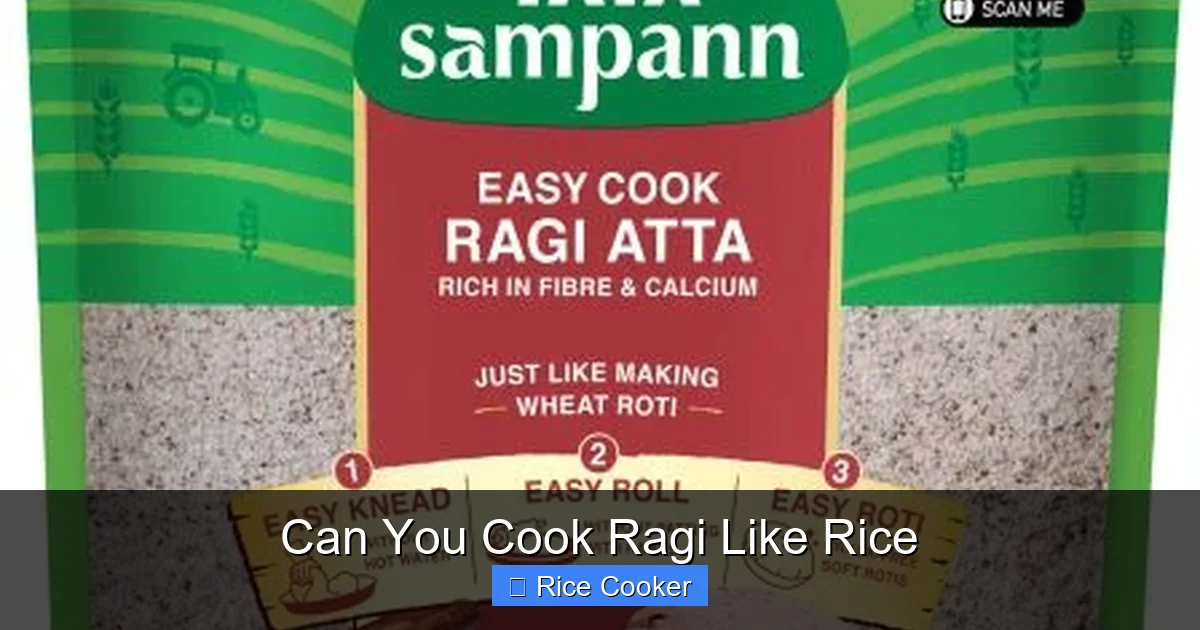
Buy whole grain ragi flour or unpolished ragi flakes from reputable brands. Avoid overly processed versions labeled “instant” or “fortified,” which may lose nutritional value. Whole ragi retains bran and germ, maximizing its health benefits.
Basic Cooking Ratio
The golden rule: 1 part ragi to 2.5–3 parts water. Adjust based on personal preference—some like it soft and mushy, others prefer a chewy bite. If using ragi flour instead of whole grain, increase water to 3.5 parts to prevent clumping.
Step 1: Rinse and Soak
Begin by rinsing ragi under cold water until the water runs clear. This removes dust and excess starch. Then, soak it for 4–6 hours (or overnight). Soaking reduces phytic acid, an anti-nutrient that blocks mineral absorption, and shortens cooking time.
Step 2: Drain and Measure Water
Drain soaked ragi and measure fresh water. For every cup of ragi, add 2.5 cups of water initially. After the first boil (if stovetop), reduce heat and cover—but since we’re using a rice cooker, just add all ingredients at once.
Step 3: Cook in Rice Cooker
Add rinsed ragi and measured water to the inner pot of your rice cooker. Close the lid and select the “White Rice” or “Grains” setting. Wait patiently—do not lift the lid during cooking. Total time usually ranges from 20–30 minutes.
Step 4: Rest and Fluff
Once the cycle ends, let ragi sit for 5 minutes. Then gently fluff it with a fork. This prevents clumping and ensures even texture.
Troubleshooting Common Issues
Ragi Sticks to the Bottom
This happens due to low water or uneven heat. Solution: Always use the correct water ratio, and avoid stirring too often during cooking. Non-stick rice cooker pots help significantly.
Too Hard or Undercooked?
Undercooked ragi indicates insufficient soaking or too little water. Re-soak and retest next batch. If it’s too hard after cooking, simmer covered on stove for 10 more minutes with extra water.
Mushy Texture
Overcooked ragi loses structure. Reduce water slightly or shorten cooking time by 3–5 minutes. Note: Different rice cookers vary—keep track of your model’s performance.
Creative Ways to Serve Ragi Like Rice
Sweet Ragi Pudding (Ragi Kheer)
After cooking ragi, mash it lightly. Simmer with milk, sugar or jaggery, cardamom powder, and chopped nuts. Thicken with cornstarch slurry if needed. Chill before serving—a comforting dessert kids love.
Ragi Upma
Sauté mustard seeds, curry leaves, onions, and green chilies in oil. Add cooked ragi, turmeric, salt, and a little water to form a thick batter. Cook on low heat until fragrant—serve hot with coconut chutney.
Ragi Idli Batter Base
Mix cooked ragi with urad dal and fenugreek seeds. Ferment overnight for fluffy idlis. This is a great way to incorporate ragi into South Indian breakfast favorites.
Ragi Dosa
Blend cooked ragi with rice, urad dal, and spices into a smooth batter. Rest for a few hours, then spread thinly on a hot griddle. Fold and serve with sambar—crispy on the outside, soft inside.
Veggie-Stuffed Ragi Paratha
Make dough from ragi flour, whole wheat flour, and ghee. Stuff with sautéed spinach, paneer, or mixed vegetables. Cook on tawa until golden brown. Pair with yogurt or pickle.
Health Benefits Beyond Nutrition
Supports Bone Health
With calcium levels rivaling dairy, ragi strengthens teeth and bones—especially vital during growth phases or menopause when calcium loss increases.
Aids Weight Management
High fiber content promotes satiety, reducing overeating. Its low glycemic index prevents insulin spikes, helping maintain steady energy throughout the day.
Boosts Immunity
Rich in antioxidants and zinc, ragi enhances immune response. Regular consumption may lower oxidative stress linked to chronic diseases.
Improves Digestion
Soluble and insoluble fibers soften stool and support probiotic growth. Many Ayurvedic practitioners recommend ragi for constipation relief.
Safe for Diabetics
Studies show ragi helps manage post-meal glucose levels. Its resistant starch slows carbohydrate absorption, making it ideal for type 2 diabetics.
Tips for Busy Lifestyles
Meal Prep Hack
Cook a large batch of ragi at the start of the week. Divide into portions and freeze in ice cube trays. Thaw cubes as needed for smoothies, soups, or stir-fries.
Instant Pot Alternative
If you have an Instant Pot, use the “Manual” or “Pressure Cook” setting. Follow the same 1:2.5 water ratio and natural release method for best results.
Pair with Protein-Rich Toppings
Top ragi bowls with boiled eggs, chickpeas, tofu, or Greek yogurt to create balanced, filling meals without extra cooking.
Use as a Rice Substitute
Substitute half your white rice with ragi in biryanis, pulao, or fried rice. It adds color, crunch, and nutrition without altering taste much.
Keep a Stock at Home
Store dry ragi in airtight containers away from light and moisture. It lasts up to 2 years—perfect for pantry staples.
Conclusion: Embrace Ragi—Your New Favorite Grain
So, can you cook ragi like rice? Absolutely—and doing so unlocks a world of health, flavor, and convenience. With just a rice cooker, a few basic ingredients, and a little patience, you can transform humble ragi into satisfying meals that nourish body and soul. Whether you’re cooking for one or feeding a family, ragi offers a smart, sustainable, and delicious alternative to refined grains.
From boosting bone strength to stabilizing blood sugar, ragi proves that small grains pack big punches. And thanks to its compatibility with everyday appliances like the rice cooker, there’s no excuse not to try it today. Start with a simple bowl of plain ragi, experiment with flavors, and soon you’ll wonder how you ever lived without it.
Ready to give it a go? Grab some ragi, fire up your rice cooker, and taste the difference.
Frequently Asked Questions
Can you cook ragi like rice in a rice cooker?
Yes, ragi can be cooked exactly like rice in a standard rice cooker. Use a 1:2.5 to 3 water-to-ragi ratio, rinse well, and follow your cooker’s timer. No special settings are needed.
How long does it take to cook ragi in a rice cooker?
Most rice cookers take about 20–30 minutes to cook ragi after soaking. Exact time varies by model, but it’s ready when the cooker switches to “warm.”
Is ragi better than rice for health?
Yes! Ragi is richer in calcium, iron, protein, and fiber than white rice. It also has a lower glycemic index, making it better for blood sugar control and overall wellness.
Can I substitute ragi for rice in recipes?
Absolutely. Replace white rice with ragi in curries, biryanis, pulao, or fried rice. For best results, cook separately and mix afterward to preserve texture.
Does ragi need to be soaked before cooking?
Soaking is highly recommended. It reduces cooking time, improves digestibility, and lowers anti-nutrients like phytic acid. Aim for 4–6 hours.
How do I store leftover cooked ragi?
Store in an airtight container in the fridge for up to 3 days or freeze in portions for up to 1 month. Reheat with a splash of water to restore moisture.