
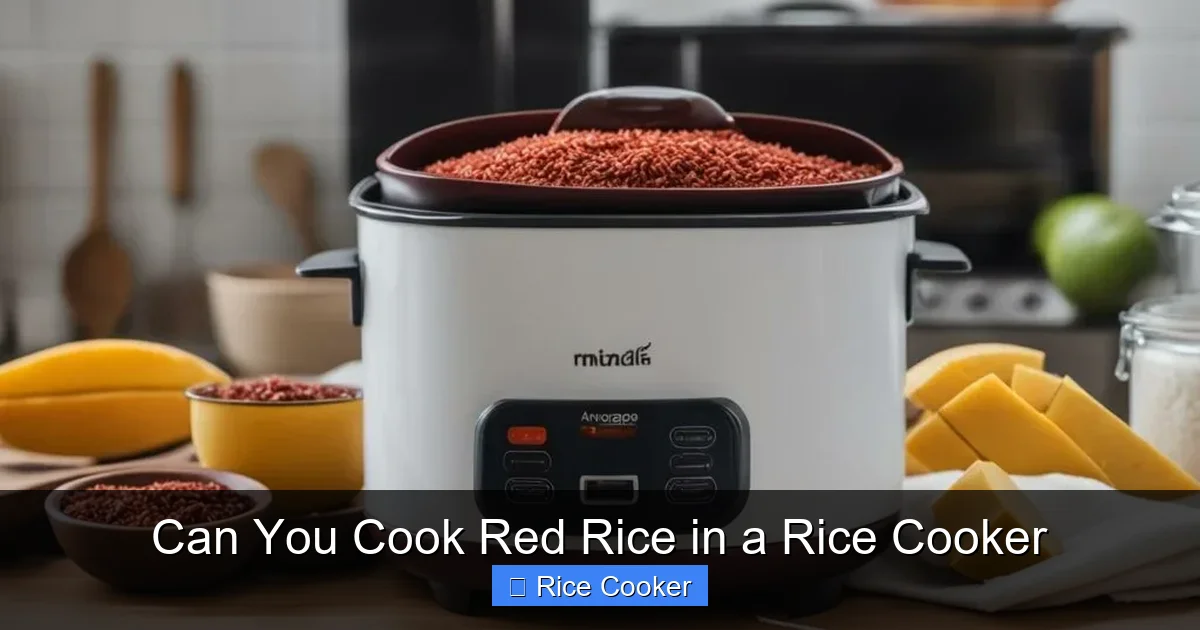
Red rice is not only packed with nutrients but also surprisingly easy to prepare in a rice cooker. With just water, a little salt, and a few minutes of waiting, you’ll have tender, flavorful grains ready to enjoy. This method works for most red rice varieties and requires minimal effort.
Key Takeaways
- Yes, red rice cooks perfectly in a rice cooker: The appliance handles red rice just like white rice, delivering consistent results every time.
- Soaking improves texture and reduces cooking time: A quick soak (30–60 minutes) helps red rice absorb water evenly and become more tender.
- Water-to-rice ratio matters: Use 1.5 cups of water per 1 cup of uncooked red rice for ideal softness without mushiness.
- Seasoning enhances flavor: Add a pinch of salt or broth for extra taste—red rice benefits from subtle seasoning due to its earthy profile.
- Cooking time varies by type: Short-grain vs. long-grain red rice may need slight adjustments; always check manufacturer instructions.
- Storage and reheating are simple: Store cooked red rice properly and reheat with a splash of water to restore moisture.
- Benefits include fiber, antioxidants, and complex carbs: Red rice supports heart health, digestion, and sustained energy levels.
📑 Table of Contents
- Can You Cook Red Rice in a Rice Cooker?
- Understanding Red Rice: Types and Benefits
- How to Prepare Red Rice in a Rice Cooker: Step-by-Step Guide
- Tips for Perfect Red Rice Every Time
- Troubleshooting Common Issues
- Creative Ways to Serve Red Rice
- Storing and Reheating Leftovers
- Is Red Rice Worth the Hype?
- Final Thoughts
Can You Cook Red Rice in a Rice Cooker?
You might be wondering: “Can you cook red rice in a rice cooker?” The short answer? Absolutely yes—and it’s one of the easiest ways to prepare this nutritious grain at home. Unlike traditional stovetop methods that require constant monitoring, a rice cooker does all the work for you. Whether you’re using short-grain, long-grain, or even heirloom varieties like Thai jasmine red rice or American black rice (yes, black is often categorized as red rice), your rice cooker is up to the task.
Red rice has gained popularity in recent years thanks to its rich color, earthy flavor, and impressive nutritional profile. But many people hesitate to try it because they assume it requires special techniques or longer prep times. That couldn’t be further from the truth. In fact, cooking red rice in a rice cooker is so straightforward that even beginners can master it within minutes. All you need is a basic understanding of ratios, timing, and a few simple tricks to bring out the best in each grain.
Understanding Red Rice: Types and Benefits
Before diving into the cooking process, let’s take a moment to appreciate what makes red rice unique. There are several types of red rice, including:
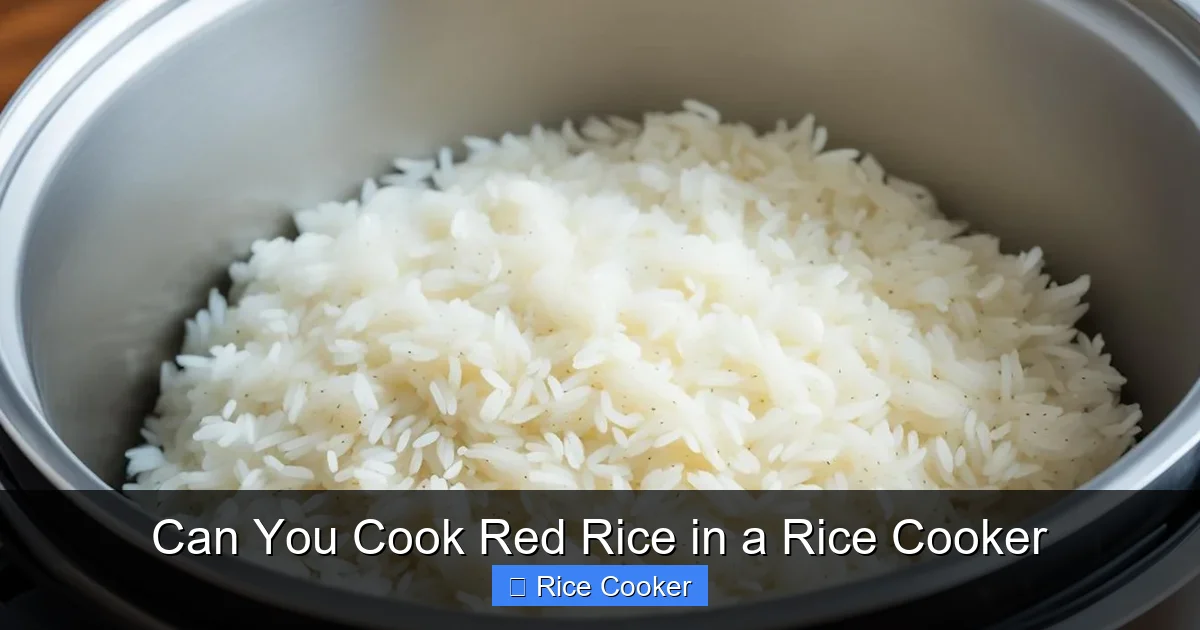
Visual guide about Can You Cook Red Rice in a Rice Cooker
Image source: ricecookerjunkie.com
- Thai Red Cargo Rice: Unpolished brown rice with a nutty taste and chewy texture.
- American Black Rice (also called Forbidden Rice): Though dark purple-black, it’s botanically similar to red rice and often grouped together.
- Indian Red Rice: Grown in regions like Assam, known for its bold flavor and high fiber content.
All these varieties share key characteristics: they’re minimally processed (often sold in their whole-grain form), retain the bran layer, and are naturally gluten-free. This means they’re richer in fiber, B vitamins, magnesium, and antioxidants compared to white rice.
Nutritional Powerhouse
One cup of cooked red rice contains roughly:
- Calories: ~215
- Carbohydrates: ~45g
- Fiber: ~4g
- Protein: ~5g
- Iron, magnesium, selenium, and phytonutrients
These nutrients contribute to better digestion, improved blood sugar control, and reduced inflammation—making red rice a smart choice for heart health and overall wellness.
Why Choose Red Over White?
Unlike white rice, which loses much of its nutrient-rich outer layers during milling, red rice keeps its bran intact. This gives it a slightly chewier mouthfeel and a deeper, almost smoky flavor. It also has a lower glycemic index, meaning it won’t spike your blood sugar as quickly as refined grains.
How to Prepare Red Rice in a Rice Cooker: Step-by-Step Guide
Now that you know why red rice deserves a spot in your pantry, let’s walk through the actual cooking process. Don’t worry—it’s simpler than it sounds!
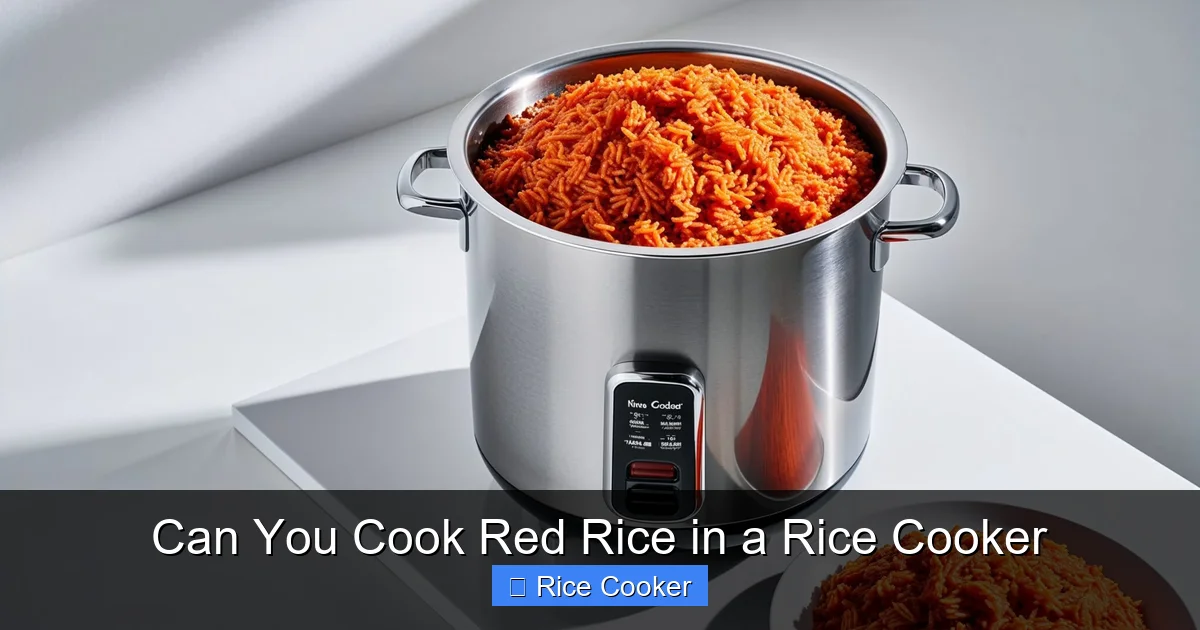
Visual guide about Can You Cook Red Rice in a Rice Cooker
Image source: toolsofkitchen.com
Step 1: Measure Your Ingredients
For every 1 cup of uncooked red rice, use 1.5 cups of water. If you prefer softer rice, you can go up to 1.75 cups. For firmer grains, stick closer to 1.4 cups. Always rinse the rice first under cold running water until the water runs clear—this removes excess starch and prevents clumping.
Step 2: Soak (Optional but Recommended)
While not mandatory, soaking red rice for 30–60 minutes helps soften the hull and ensures even hydration. This step significantly cuts down on cooking time and results in fluffier grains. Simply place rinsed rice in a bowl, cover with water, and let it sit while you prep other ingredients.
Step 3: Add Rice and Water to the Cooker
Transfer the soaked or unsoaked rice along with fresh water into your rice cooker pot. Make sure there’s enough space—rice expands as it cooks. Add a pinch of salt if desired; red rice pairs beautifully with savory dishes and benefits from a touch of seasoning.
Step 4: Start Cooking
Close the lid and select the standard “White Rice” setting (most rice cookers don’t have a specific “red rice” mode). Press start and wait patiently. Most red rice varieties take between 30–45 minutes to fully cook. Avoid opening the lid during this time—the steam helps maintain internal temperature and ensures even cooking.
Step 5: Let It Rest
Once done, let the rice sit for 5–10 minutes with the lid closed. This allows residual heat to finish softening any remaining hard grains and makes fluffing easier. Then gently stir with a fork to separate the grains—don’t mash them!
Tips for Perfect Red Rice Every Time
Even with the right technique, small details can make a big difference. Here are some pro tips to elevate your red rice game:
Use High-Quality Water
If possible, use filtered or spring water instead of tap water. Impurities or chlorine can affect flavor and texture, especially in delicate grains like red rice.
Don’t Skip Rinsing
Rinsing removes surface starches that cause stickiness. It also helps reduce bitterness sometimes found in wild or heirloom red rices.
Experiment with Flavor Infusions
Add herbs like bay leaves, garlic cloves, or onion slices to the cooking water for aromatic depth. After cooking, mix in olive oil, lemon zest, or toasted nuts for added richness.
Avoid Overfilling
Most rice cookers have a max fill line. Going beyond this risks overflow and mess. Stick to the recommended portion sizes for clean, efficient operation.
Clean Your Rice Cooker Regularly
Residue buildup affects performance over time. After each use, wipe the inner pot and exterior with warm, soapy water. Never submerge the heating plate or electrical components.
Troubleshooting Common Issues
Even experienced cooks run into hiccups now and then. Here’s how to fix common red rice problems:
Too Dry or Crunchy?
This usually means too little water was used. In future batches, increase the liquid by ¼ cup per 1 cup of rice. Also, ensure your rice cooker isn’t set to “quick cook”—stick to normal settings.
Sticky or Clumpy Grains?
Over-stirring after cooking causes clumping. Instead, let the rice rest undisturbed before gently fluffing with a fork. Rinsing thoroughly before cooking also helps prevent stickiness.
Still Undercooked After Full Cycle?
Some older models or heavily damaged pots may lose heat efficiency. Try adding another ¼ cup of water and pressing “warm” for 10 minutes—not “cook”—to avoid drying out the rice.
Bitter Taste?
Wild or semi-wild red rices can have an earthy, almost mineral-like aftertaste. To mellow it, add a dash of salt or cook with vegetable broth instead of plain water.
Creative Ways to Serve Red Rice
Red rice isn’t just a side dish—it’s versatile enough to shine in countless recipes. Try it in:
- Mediterranean Bowls: Combine with roasted vegetables, chickpeas, feta cheese, and tahini dressing.
- Sushi Rolls: Cooked red rice mixed with rice vinegar makes colorful, nutritious sushi.
- Stuffed Bell Peppers: Mix with ground turkey, tomatoes, and spices for a hearty meal.
- Risotto-Like Dishes: Slowly stir in hot broth while folding in mushrooms, spinach, and Parmesan.
- Breakfast Porridge: Cook with milk, cinnamon, and dried fruit for a warm morning treat.
Pairing Suggestions
Red rice complements bold flavors well. Serve it with grilled salmon, lentil curries, or Moroccan tagines. Its nutty profile also stands up nicely to creamy sauces and tangy condiments.
Storing and Reheating Leftovers
Proper storage preserves texture and safety. Cool cooked red rice completely before transferring to an airtight container. Refrigerate for up to 5 days or freeze for up to 3 months. When reheating, add a splash of water or broth and microwave in 30-second intervals, stirring in between. Avoid using the “high heat” function—gentle warming keeps the grains from drying out.
Is Red Rice Worth the Hype?
Absolutely. While it may cost a bit more than white rice, the health benefits, sustainability (less processing = less waste), and delicious taste make red rice a worthwhile investment. Plus, cooking it in a rice cooker saves time and energy—perfect for busy lifestyles.
Whether you’re aiming to boost your fiber intake, support gut health, or simply enjoy something new in the kitchen, red rice delivers on all fronts. And with your trusty rice cooker handling the heavy lifting, there’s really no excuse not to give it a try.
Final Thoughts
Cooking red rice in a rice cooker is not only possible—it’s one of the simplest and most reliable methods available. With the right water ratio, a quick rinse, and patience during resting, you’ll end up with fluffy, nutritious grains every single time. No boiling, no watching the pot, no guesswork. Just pour, press, and relax.
So next time you see red rice at the store, don’t skip it. Grab a bag, head home, and let your rice cooker work its magic. Before you know it, you’ll be enjoying restaurant-quality red rice right from your kitchen—no chef required.
Frequently Asked Questions
Do I need to soak red rice before cooking it in a rice cooker?
Soaking is optional but highly recommended. It softens the grain and reduces cooking time, leading to more uniform texture. A 30–60 minute soak is usually sufficient.
What’s the best water-to-rice ratio for red rice?
The ideal ratio is 1.5 cups of water per 1 cup of uncooked red rice. Adjust slightly based on desired softness—more water for softer grains, less for firmer ones.
Can I cook red rice on the “brown rice” setting?
Yes, most rice cookers have a “brown rice” setting that uses a slower cook cycle. This can help achieve tenderness in denser varieties like wild red rice.
Will red rice expand during cooking?
Yes, red rice typically increases by about 2–2.5 times its original volume when cooked. Plan accordingly to avoid overflow in your rice cooker.
How do I prevent red rice from turning pink or gray?
Pink or gray discoloration is caused by oxidation. To prevent this, cook immediately after rinsing and avoid letting soaked rice sit exposed to air for too long.
Can I cook red rice in a multi-cooker like an Instant Pot?
Absolutely! Use the same water ratio and set it to manual or pressure cook mode for 10–12 minutes, then allow natural release for 5 minutes before opening.