
Can you cook rice? Absolutely! Whether you use a rice cooker or the stovetop, mastering this simple staple opens up endless meal possibilities. With the right water ratio, timing, and a little practice, you’ll never have mushy or undercooked rice again.
Key Takeaways
- Yes, you can cook rice: It’s one of the most basic and essential cooking skills, requiring just water, rice, and heat.
- Rice cookers make it foolproof: These appliances automate the process, delivering consistent results without constant attention.
- Different rice types need different methods: From jasmine to basmati to brown rice, each variety has unique cooking requirements.
- Proper water ratio is key: Too much water leads to soggy rice; too little makes it dry and hard.
- Resting time matters: Leting cooked rice sit for 5–10 minutes allows steam to distribute evenly and improves texture.
- Stovetop vs. electric: Both work: While rice cookers are convenient, the classic pot method gives you full control over the process.
- Storage and reheating are easy: Cooked rice can be refrigerated for days and reheated with a splash of water to restore moisture.
📑 Table of Contents
- Can You Cook Rice? The Ultimate Guide to Perfect Every Time
- The Basics: What Is Rice and Why Does It Matter?
- Choosing the Right Tools: Stovetop vs. Rice Cooker
- Step-by-Step Guide: How to Cook Rice Like a Pro
- Mastering Different Types of Rice
- Common Mistakes and How to Avoid Them
- Tips for Perfect Rice Every Time
- Beyond the Basics: Creative Uses for Cooked Rice
- Frequently Asked Questions
- Conclusion: You’ve Got This!
Can You Cook Rice? The Ultimate Guide to Perfect Every Time
Have you ever stared at a bag of rice wondering, “Can you cook rice, and how do I even begin?” Don’t worry—you’re not alone. Rice is one of the world’s most consumed foods, yet many people feel intimidated by it. But here’s the truth: cooking rice is one of the simplest and most rewarding kitchen tasks you can master. With just three ingredients—rice, water, and heat—you can create fluffy, flavorful meals that serve as a foundation for countless dishes.
In this guide, we’ll walk you through everything you need to know about cooking rice, from choosing the right kind to using the best tools. Whether you’re using a trusty rice cooker, a standard pot on the stove, or even an Instant Pot, we’ve got you covered. By the end, you’ll be confident in your ability to cook rice like a pro—every single time.
The Basics: What Is Rice and Why Does It Matter?
A Global Staple with Many Faces
Rice comes in dozens of varieties, but they all share one thing in common: they’re made from the seed of the grass species Oryza sativa. Depending on where it’s grown, rice can range from short and sticky (like sushi rice) to long and separate (like basmati). Some are polished until nearly white (white rice), while others retain their bran layer (brown rice).
Visual guide about Can You Cook Rice
Image source: terraskitchen.com
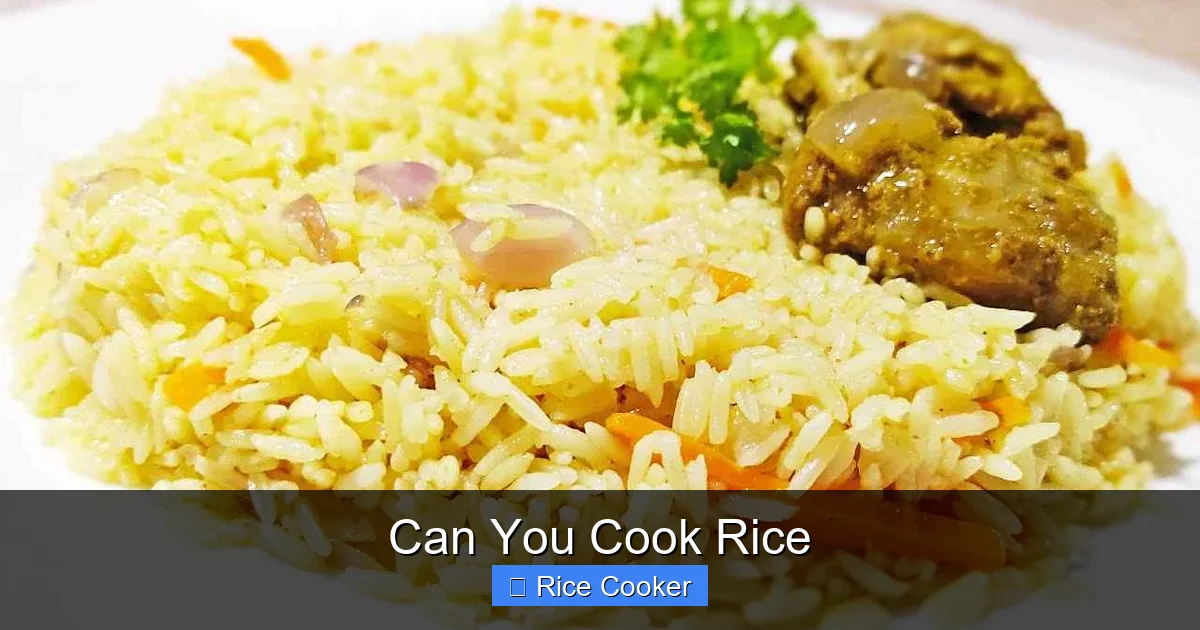
Each type has its own ideal cooking method. For example, jasmine rice is aromatic and slightly sticky, making it perfect for Thai curries and stir-fries. Basmati rice is fragrant and light, ideal for biryanis and pilafs. Brown rice, though denser, offers more fiber and nutrients but takes longer to cook than white rice.
Why Rice Matters in Your Kitchen
Rice isn’t just a side dish—it’s a versatile base for bowls, salads, casseroles, and desserts. It absorbs flavors beautifully, so it pairs well with almost anything: beans, vegetables, meats, herbs, and spices. And because it’s gluten-free (when using non-gluten-containing types), it fits into many dietary lifestyles.
Plus, learning to cook rice properly saves time and money. No more takeout when you can whip up a quick fried rice or grain bowl at home. And let’s be honest—there’s something satisfying about seeing perfectly separated grains come out of the pot.
Choosing the Right Tools: Stovetop vs. Rice Cooker
Can You Cook Rice Without a Rice Cooker?
Absolutely! Many people cook rice on the stovetop every day without any fancy appliance. All you need is a heavy-bottomed pot with a tight-fitting lid, a measuring cup, and a timer. The key is monitoring the water and controlling the heat.
Visual guide about Can You Cook Rice
Image source: i.pinimg.com
However, rice cookers—especially modern electric models—are designed specifically for this task. They eliminate guesswork by automatically adjusting temperature during cooking and switching to “warm” mode once done. This prevents scorching and ensures even cooking throughout.
Pros and Cons: Which Method Should You Use?
| Method | Best For | Drawbacks |
|---|---|---|
| Rice Cooker | Beginners, multitaskers, large batches | Limited control over texture; some models are expensive |
| Stovetop | Experienced cooks, specific recipes (e.g., risotto) | Requires attention; risk of burning if unattended |
| Instant Pot / Pressure Cooker | Speed, hands-off cooking, multiple functions | Slightly different texture; may overcook delicate rice |
If you’re new to cooking rice, start with a basic rice cooker. Look for one with a keep-warm function and easy-clean nonstick inner pot. For those who love precision or want to try risottos, the stovetop remains the gold standard.
Step-by-Step Guide: How to Cook Rice Like a Pro
Ingredients You’ll Need
- 1 cup raw rice (any type)
- 1½ to 2 cups water (depending on rice variety)
- Optional: salt, oil, or butter for flavor
For a Standard Rice Cooker
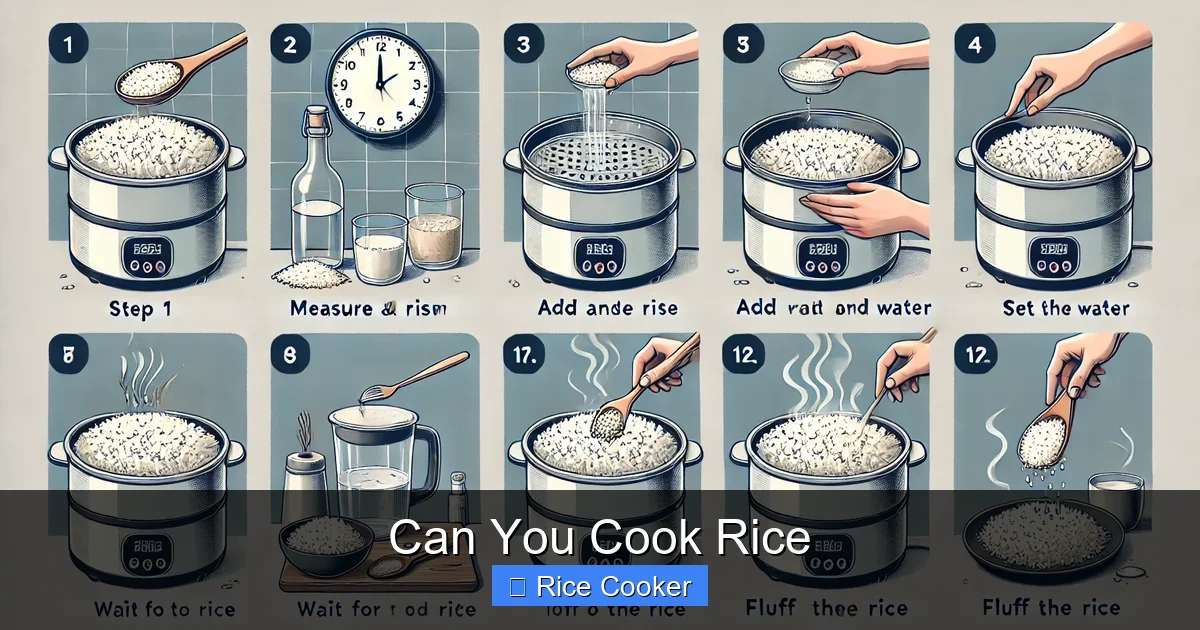
- Measure and rinse: Use a measuring cup marked for rice (not liquid). Rinse the rice under cold water until the water runs clear. This removes excess starch and prevents stickiness.
- Add water: Follow the ratio in your rice cooker’s manual. Most white rice uses 1:1.5 (rice to water). Brown rice needs more—about 1:2 or 1:2.5.
- Cook: Close the lid and press “Cook.” Wait patiently—don’t peek!
- Let it rest: Once done, wait 5–10 minutes with the lid closed. This lets residual steam finish cooking the rice evenly.
- Fluff and serve: Use a fork or rice paddle to gently fluff the grains before serving.
For the Stovetop Method
- Rinse the rice: Just like with the rice cooker, rinse until the water is clear.
- Combine in pot: Add rice and water to a pot with a tight-fitting lid. Add a pinch of salt if desired.
- Bring to a boil: Heat over high until water boils rapidly.
- Reduce heat and simmer: Immediately reduce heat to low, cover, and let simmer undisturbed for 15–20 minutes (white rice) or 30–40 minutes (brown rice).
- Turn off heat and rest: Turn off the burner and let sit covered for 10 minutes.
- Fluff and serve: Use a fork to separate the grains.
Mastering Different Types of Rice
White Rice (Long-Grain, Medium-Grain, Short-Grain)
White rice is milled to remove the husk and bran, giving it a soft, tender texture. Long-grain (like American long-grain) stays separate after cooking and is great for pilafs and sides. Medium-grain (like Calrose) is slightly stickier, ideal for paella or Spanish rice. Short-grain (like sushi rice) is very sticky and used for rolls and congee.
Brown Rice
Brown rice retains its nutty flavor and chewy texture. Because it contains fiber, it takes longer to cook and requires more water. Try soaking it overnight to speed up cooking time.
Jasmine and Basmati Rice
Both are aromatic long-grain rices. Jasmine has a floral scent and slightly sticky texture—perfect for Southeast Asian dishes. Basmati is subtler, fluffier, and often parboiled, making it less sticky and ideal for Indian cuisine.
Wild Rice
Technically a reed, wild rice is dark, chewy, and nutty. It’s usually mixed with other grains and takes 45–60 minutes to cook. It adds color and protein to salads.
Common Mistakes and How to Avoid Them
Using Too Much Water
This is the #1 reason for mushy rice. Always follow the recommended ratio. If unsure, err on the side of less water—you can always add more later, but you can’t fix overcooked rice.
Not Rinsing the Rice
Unrinsed rice can be gummy or clumpy. Rinsing washes away surface starch, helping grains stay separate.
Peeking Under the Lid
Every time you lift the lid, steam escapes, lowering the temperature and extending cooking time. Keep it closed!
Skipping the Resting Period
Rushing to fluff rice immediately after cooking traps uneven steam inside, leading to inconsistent texture. Patience pays off.
Using Cold Water or Rice
Start with room-temperature ingredients for more predictable results. Cold rice can affect cooking time.
Tips for Perfect Rice Every Time
- Use a timer: Even if you’re not watching, set a timer so you don’t forget.
- Try adding flavor: Cook rice in broth instead of water for extra depth. A pat of butter or drizzle of olive oil also helps.
- Store properly: Cool cooked rice quickly, then refrigerate in airtight containers. Reheat with a splash of water in the microwave.
- Experiment with ratios: Adjust water slightly based on altitude or humidity—higher elevations may need a bit more liquid.
- Clean your cooker promptly: Rice residue dries hard and can damage nonstick coatings.
Beyond the Basics: Creative Uses for Cooked Rice
Rice Bowls and Grain Salads
Use cooled rice as a base for Buddha bowls, poke bowls, or Mediterranean-style salads. Top with roasted veggies, beans, avocado, and tahini dressing.
Fried Rice and Stir-Fries
Day-old rice works best for fried rice—it’s drier and won’t turn mushy. Sauté with soy sauce, garlic, egg, and your favorite proteins.
Stuffing and Casseroles
Rice absorbs sauces and flavors beautifully. Try it in shepherd’s pie, enchiladas, or stuffed peppers.
Desserts
Rice pudding is a comforting classic made with milk, sugar, cinnamon, and sometimes fruit or nuts. Or make sweet rice balls (mochi-like) using glutinous rice flour.
Frequently Asked Questions
Can you cook rice in a regular pot?
Yes, absolutely! A heavy-bottomed pot with a tight-fitting lid is all you need. The key is bringing water to a boil, reducing heat, covering, and letting it simmer without lifting the lid.
How much water do I use per cup of rice?
Most white rice uses 1½ cups of water per 1 cup of rice. Brown rice needs more—about 2 cups per 1 cup. Always check the package instructions or your rice cooker’s manual for exact ratios.
Why is my rice sticky or mushy?
This usually means too much water or not enough rinsing. Try reducing the water next time and make sure to rinse thoroughly before cooking.
Can I cook rice in advance and reheat it?
Yes! Store cooked rice in the fridge for up to 5 days. Reheat in the microwave with a damp paper towel or a splash of water to prevent drying out.
What’s the difference between a rice cooker and an Instant Pot?
A rice cooker is dedicated solely to cooking rice with precise temperature control. An Instant Pot combines pressure cooking, slow cooking, and rice cooking—but may slightly alter texture due to higher heat and pressure.
Is brown rice harder to cook than white rice?
Yes. Brown rice has a tougher outer layer and takes longer to soften. It generally needs 50% more water and double the cooking time of white rice.
Conclusion: You’ve Got This!
So, can you cook rice? The answer is a resounding yes—and now you know exactly how. Whether you’re using a simple pot or a smart rice cooker, mastering this skill puts you on the fast track to confident, delicious cooking. No more guessing games, no more wasted batches. Just fluffy, fragrant, perfectly cooked rice every time.
Remember: practice makes progress. Start with white rice, follow the steps, and soon you’ll be experimenting with flavors, textures, and creative meals. Before you know it, you’ll look at a bag of rice not with hesitation, but with excitement.
Happy cooking—and enjoy every grain!
Frequently Asked Questions
Can you cook rice in a regular pot?
Yes, absolutely! A heavy-bottomed pot with a tight-fitting lid works perfectly. Bring water to a boil, reduce heat, cover, and simmer without lifting the lid.
How much water do I use per cup of rice?
For most white rice, use 1½ cups of water per 1 cup of rice. Brown rice needs about 2 cups. Always rinse first and check your specific rice type’s instructions.
Why is my rice sticky or mushy?
This usually happens when there’s too much water or insufficient rinsing. Reduce the water amount slightly and make sure to rinse until the water runs clear.
Can I cook rice in advance and reheat it?
Yes! Store cooked rice in an airtight container in the fridge for up to 5 days. Reheat in the microwave with a splash of water or a damp cloth to retain moisture.
What’s the difference between a rice cooker and an Instant Pot?
A rice cooker specializes in rice with precise temperature control. An Instant Pot combines multiple functions but may cook rice differently due to pressure and higher heat.
Is brown rice harder to cook than white rice?
Yes. Brown rice takes longer because it has a protective bran layer. It generally needs 50% more water and double the cooking time compared to white rice.