
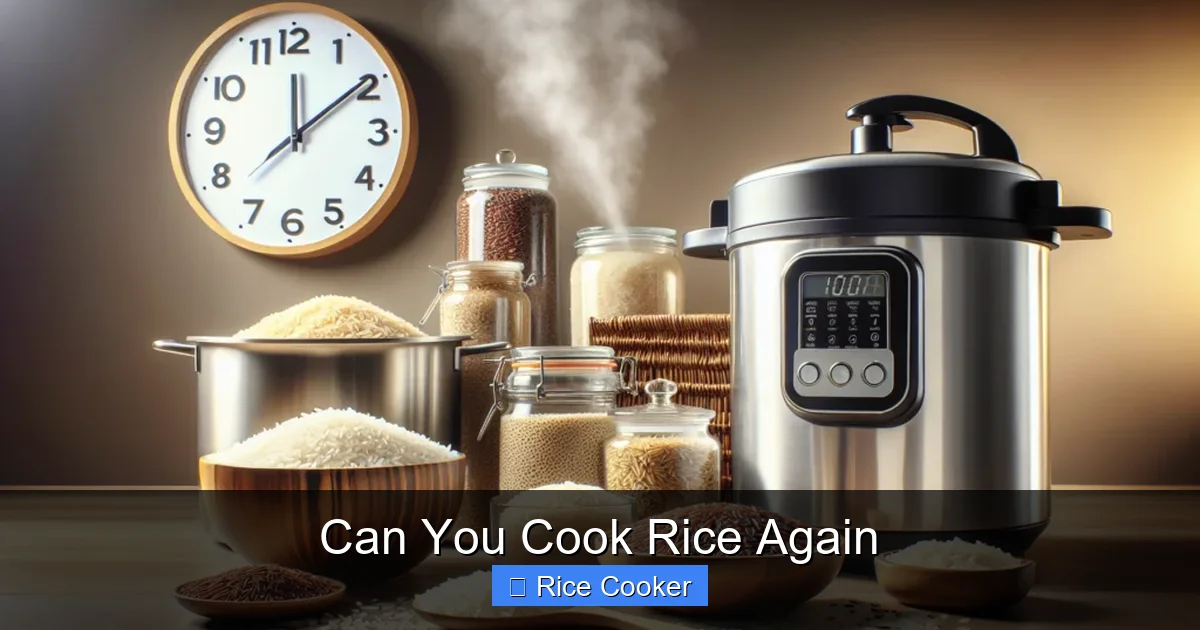
Can you cook rice again? Absolutely—reheating rice is not only possible but also delicious when done right. Whether you’re using a rice cooker, stovetop, or microwave, the key is to control moisture and heat to prevent sogginess or dryness. With simple techniques like steaming or fluffing, your leftover rice can taste almost as good as fresh.
Key Takeaways
- Reheating rice is safe and common: When done properly, reheated rice retains its texture and flavor without health risks.
- Moisture control is essential: Too much water can make rice mushy; too little can leave it dry and hard.
- Best tools include rice cookers and microwaves: These appliances help evenly distribute heat for better results.
- Flavor enhancement boosts enjoyment: Adding butter, herbs, or broth during reheating improves taste significantly.
- Storage matters for future reheats: Cooling rice quickly and storing it in airtight containers preserves quality.
- Never reheat rice more than once: To minimize bacterial growth, only reheat rice once after cooking.
- Experiment with recipes: Reheated rice works great in fried rice, casseroles, salads, and more.
📑 Table of Contents
- Can You Cook Rice Again? The Ultimate Guide to Reheating Rice Like a Pro
- The Science Behind Reheating Rice Safely
- How to Reheat Rice Using Your Rice Cooker
- Microwave Methods for Fast & Fluffy Rice
- Stovetop Techniques for Maximum Control
- Creative Ways to Use Reheated Rice
- Common Mistakes to Avoid When Cooking Rice Again
- Storage Tips for Future Reheating Success
- Special Considerations: Brown Rice vs. White Rice
- Final Thoughts: Yes, You Can Cook Rice Again—And Enjoy Every Bite
Can You Cook Rice Again? The Ultimate Guide to Reheating Rice Like a Pro
Rice is one of the most versatile and beloved staple foods around the world. From fluffy jasmine in Thai stir-fries to savory brown rice in grain bowls, it’s a kitchen essential. But what happens when you’ve cooked too much? Or maybe you saved some for later and now you’re wondering: Can you cook rice again?
Short answer: yes, absolutely. Reheating rice isn’t just possible—it’s practical, delicious, and even beneficial if done correctly. Whether you’re using leftover white rice, brown rice, basmati, or sushi rice, there are tried-and-true methods to restore that perfect texture and flavor. In this comprehensive guide, we’ll walk you through everything you need to know about reheating rice safely and effectively—using your rice cooker, stovetop, oven, or microwave. We’ll also share pro tips, troubleshoot common mistakes, and show you creative ways to repurpose that second batch of rice.
So grab your favorite bowl, fire up your kitchen appliance (probably a rice cooker), and let’s dive into the art of cooking rice again—without losing all the goodness.
The Science Behind Reheating Rice Safely
Before we get into the “how,” let’s talk about the “why.” Why can you cook rice again—and why should you care about doing it safely?
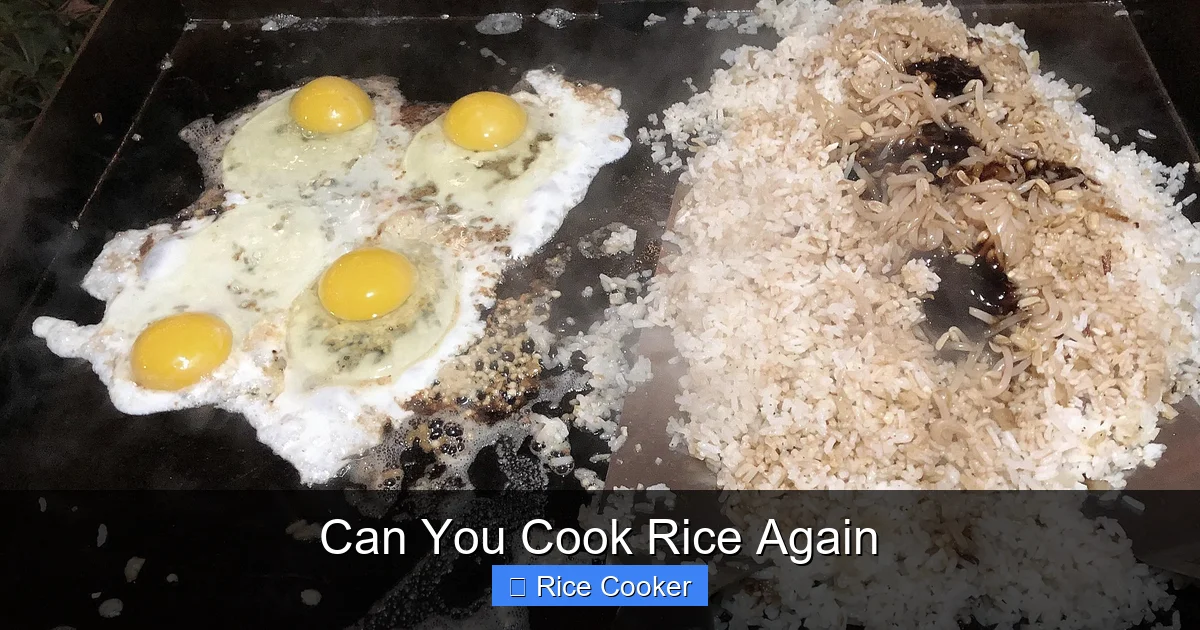
Visual guide about Can You Cook Rice Again
Image source: pastimebarandgrill.com
Is It Safe to Reheat Rice?
Yes, reheating rice is completely safe—as long as you follow basic food safety guidelines. The main concern people have is about bacteria, specifically Bacillus cereus, which can survive normal cooking temperatures and produce toxins that cause food poisoning. However, this risk drops significantly if the rice is cooled, stored properly, and reheated thoroughly.
Here’s what you need to remember:
- Cool quickly: After cooking, let rice cool within two hours. Don’t leave it sitting at room temperature for too long.
- Store in shallow containers: This helps it chill faster and reduces bacterial growth.
- Refrigerate promptly: Keep rice below 40°F (4°C) to slow down spoilage.
- Reheat only once: Never reheat rice more than once to minimize contamination risk.
When you reheat rice using high heat (above 165°F / 74°C), any potential toxins break down, making it safe to eat. So whether you’re using your rice cooker or microwave, aim for thorough heating throughout.
Why Rice Tends to Go Mushy When Reheated
If your reheated rice comes out gummy or sticky, don’t blame yourself—you’re not alone. Many home cooks struggle with this issue because rice contains starches that absorb moisture differently after cooling.
When rice cools, the starch molecules recrystallize (a process called retrogradation), which makes the grains firmer and less porous. When you reheat it without adding moisture, those grains become tough and chewy. Conversely, if you add too much liquid, they swell and turn mushy.
The trick? Balance moisture and heat. That’s where modern appliances like rice cookers really shine—they gently steam and warm rice without overcooking it.
How to Reheat Rice Using Your Rice Cooker
If you own a rice cooker (and honestly, who doesn’t?), you already have one of the best tools for reheating rice. Here’s how to do it like a pro.

Visual guide about Can You Cook Rice Again
Image source: cookwarely.com
Step-by-Step: Reheating Rice in a Rice Cooker
- Remove excess moisture: Gently fluff cooled rice with a fork to separate clumps. If it’s very dry, sprinkle a teaspoon of water per cup.
- Add liquid sparingly: For every 1 cup of rice, add 1–2 tablespoons of water or broth. This rehydrates without oversaturating.
- Use the “Keep Warm” setting: Place rice in the cooker and select the “Warm” or “Steam” function. Avoid the “Cook” button unless you want to overcook it.
- Heat for 10–15 minutes: Let it sit undisturbed so heat distributes evenly.
- Fluff and serve: Use a fork to gently stir before serving. Add butter, salt, or herbs if desired.
Pro tip: For fried rice prep, reheat rice in the cooker first—then transfer to a wok or skillet with oil and veggies. The result? Fluffy, non-sticky grains every time.
What Kind of Rice Cooker Works Best?
Most rice cookers handle reheating well, but some features make the job easier:
- Fuzzy logic models: These adjust timing and temperature automatically—ideal for beginners.
- Multi-function cookers: Look for settings like “Risotto” or “Steam” that offer gentle reheating options.
- Non-stick inner pots: Make cleanup easier and reduce sticking.
If you only have an old-school rice cooker without fancy bells and whistles, no worries! Just use the “Warm” setting—it’s designed for maintaining temperature, not cooking.
Microwave Methods for Fast & Fluffy Rice
Need to reheat rice fast? The microwave is your friend. With the right technique, you can go from fridge to table in under five minutes.
Best Way to Reheat Rice in the Microwave
- Place rice in a microwave-safe dish: Use a ceramic or glass plate with a lid or plastic wrap (vented).
- Sprinkle with liquid: Add 1 tablespoon of water or broth per cup of rice.
- Cover loosely: This traps steam and prevents drying out.
- Heat on high in 1-minute intervals: Stir between each minute to redistribute heat.
- Check temperature: Ensure it’s steaming hot throughout—no cold spots!
Example: Want creamy risotto-style reheated rice? Add half a cup of broth per cup of rice and microwave in 90-second bursts, stirring frequently until saucy.
Avoid placing rice directly on metal trays or uncovered—this leads to uneven heating and soggy bottoms.
Troubleshooting Microwave Rice
- Mushy rice? You added too much liquid or heated too long. Next time, reduce water by 1/4 cup and cut heating time.
- Dry rice? Add 1 tsp of water per cup and cover tightly while microwaving.
- Sticking to the plate? Line the dish with parchment paper before reheating.
Stovetop Techniques for Maximum Control
For cooks who love hands-on control, the stovetop offers precision and flavor infusion. Plus, it’s great for large batches.
How to Reheat Rice on the Stovetop
- Transfer rice to a saucepan: Choose one with a tight-fitting lid.
- Add a splash of liquid: Start with 1–2 tablespoons per cup of rice.
- Heat over low-medium flame: High heat can burn the bottom or dry out the top.
- Cook covered for 5–8 minutes: Stir occasionally to prevent sticking.
- Check consistency: Remove from heat when tender and moist. Let rest 2 minutes off the burner.
Flavor hack: Sauté garlic or ginger in the pan before adding rice—it adds amazing aroma without changing the texture.
Using a Potato Steamer for Gentle Reheating
If you want ultra-gentle reheating (great for delicate dishes like sushi or biryani), try a steamer basket over simmering water. Cover and steam for 5–7 minutes. No extra liquid needed—the vapor does all the work!
Creative Ways to Use Reheated Rice
Don’t just stick to plain reheated rice on the side. Leftover rice is a kitchen superhero—here’s how to put it to work.
Make Delicious Fried Rice
Reheated rice is perfect for fried rice. Just toss it with beaten egg, soy sauce, garlic, and whatever veggies you have on hand. The slightly firm texture holds up beautifully in the wok.
Build Hearty Grain Bowls
Top reheated brown rice with roasted vegetables, grilled chicken, avocado, and tahini dressing. It’s healthy, satisfying, and ready in 20 minutes.
Whisk Into Soups & Stews
Break up reheated rice and stir it into miso soup, chili, or tomato stew. It thickens the broth and adds heartiness.
Create Rice Pudding or Dessert Rice
Sweeten reheated rice with milk, cinnamon, and a touch of honey. Simmer gently until creamy—it’s surprisingly comforting.
Bake Into Casseroles
Rice absorbs flavors beautifully in dishes like shepherd’s pie, lasagna, or mac and cheese. Just mix with cheese, meat, and sauce before baking.
Common Mistakes to Avoid When Cooking Rice Again
Even experienced cooks slip up sometimes. Here are the biggest pitfalls—and how to fix them.
Overcooking or Burning
Too much heat or too long a time turns rice into charcoal. Always monitor closely, especially in microwaves.
Neglecting Moisture Balance
Skipping the water step leaves rice rock-hard. Remember: reheating = rehydrating.
Using Cold Rice Straight from the Fridge
Let rice come to room temperature first. Jumping from cold to hot causes uneven heating.
Not Fluffing Before Serving
Skipping the fork-fluffing step means missing out on light, airy grains. Do it every time!
Ignoring Portion Sizes
Reheating large amounts takes longer. Stick to small batches unless you have a big pot or cooker.
Storage Tips for Future Reheating Success
Great reheating starts with smart storage. Follow these steps to keep your rice fresh and tasty.
- Cool within 2 hours: Bacteria multiply rapidly above 40°F.
- Store in airtight containers: Glass or BPA-free plastic works best.
- Lay flat in shallow layers: Thicker stacks stay warm too long.
- Label with date: Most rice lasts 3–5 days in the fridge.
- Freeze for longer storage: Portion into freezer bags or containers. Frozen rice reheats well but may be slightly softer.
Note: Never refreeze thawed rice. Only reheat once after original cooking.
Special Considerations: Brown Rice vs. White Rice
While both can be reheated, their different textures mean slightly varied approaches.
Brown Rice
Higher in fiber and oil, brown rice tends to be chewier and more absorbent. When reheating, add a bit more liquid (up to 3 tbsp per cup). It also benefits from longer reheating times due to density.
White Rice
Lighter and starchier, white rice reheats quickly and easily. Use standard ratios (1–2 tbsp water per cup) and watch carefully to avoid stickiness.
Sushi Rice & Other Specialty Rices
Sushi rice has added vinegar, sugar, and salt—keep these intact by avoiding high heat. Steam gently or microwave with minimal water. Same goes for red rice, black rice, and wild rice blends.
Final Thoughts: Yes, You Can Cook Rice Again—And Enjoy Every Bite
So, can you cook rice again? Without a doubt. Whether you’re saving leftovers, prepping for meal prep, or simply running late, knowing how to reheat rice properly turns a potential hassle into a crave-worthy meal. With the right tools—like your trusty rice cooker—and a few simple tricks, you can revive even the oldest batch of rice with minimal effort and maximum flavor.
Remember: it’s not just about safety or convenience. Reheating rice thoughtfully lets you reduce waste, stretch ingredients, and enjoy familiar comfort food anytime. And honestly? Sometimes, the second batch tastes better—warmer, richer, and full of memories.
Next time you scoop out that container of leftover rice, smile. Because you now know exactly what to do. Fluff it. Moisten it. Heat it gently. Serve it proudly. And repeat. Because yes—you absolutely can cook rice again.
Frequently Asked Questions
Is it safe to reheat rice more than once?
No, it’s not recommended. To minimize bacterial growth and maintain food safety, reheat rice only once after cooking. Multiple reheating increases the risk of contamination.
Can you freeze rice for later use?
Yes! Portion rice into freezer-safe containers or bags, label with dates, and store for up to 1 month. Thaw in the refrigerator overnight before reheating.
Why does my reheated rice always stick together?
This usually happens due to insufficient moisture or overheating. Try adding a splash of water or broth before reheating, and use lower heat for longer periods.
Does reheating destroy nutrients in rice?
Some vitamins may degrade with heat exposure, but rice is primarily composed of carbohydrates and protein, which remain nutritious after reheating. Proper storage helps preserve overall nutritional value.
Can I use the same water to reheat rice that I used to cook it?
Generally no—discard the cooking water as it may contain bacteria or impurities. Always use fresh water, broth, or milk when reheating.
What’s the best way to reheat rice for fried rice?
Reheat rice until warm and slightly moist, then transfer to a hot wok or skillet with oil and your choice of proteins and vegetables. The residual heat will cook everything through without turning the rice mushy.