
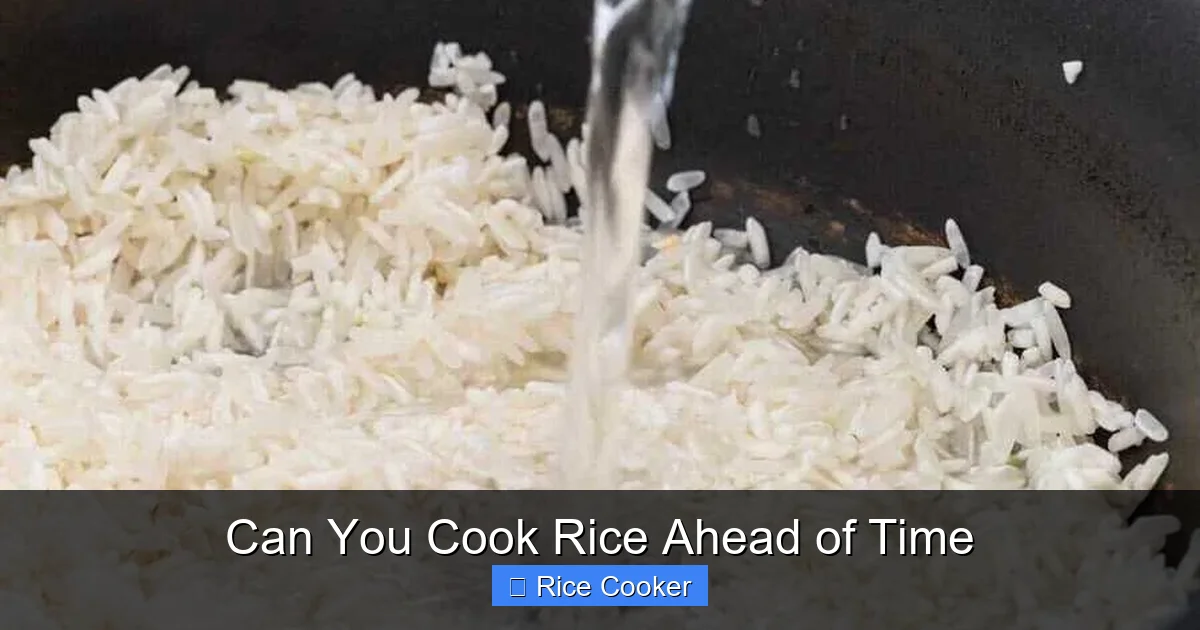
Can you cook rice ahead of time? Absolutely—pre-cooking rice saves time during busy days and ensures you always have a reliable side dish. With proper storage and safe reheating methods, cooked rice can last up to 4–6 days in the fridge or even longer when frozen, making meal prep easier than ever. Whether you’re meal planning for the week or preparing for a large gathering, knowing how to cook rice in advance is a kitchen game-changer.
Key Takeaways
- Pre-cooking rice is practical: It helps with meal prep and reduces daily cooking time.
- Safety matters: Store cooked rice within 2 hours of cooking to avoid bacterial growth.
- Reheating preserves texture: Steam or microwave with a splash of water to prevent dryness.
- Freezing extends shelf life: Frozen rice can be stored for up to 1 year when properly wrapped.
- Flavor and quality vary by type: Short-grain rice holds up better than long-grain when reheated.
- Portion control helps: Divide into small containers to speed up reheating and reduce waste.
[FEATURED_IMAGE_PLACEHOLDER]
Introduction: The Time-Saving Power of Pre-Cooked Rice
Imagine this: you’re rushing out the door after a long day, and dinner still needs to be made. Or maybe you’re hosting a family gathering and want to keep things simple without sacrificing flavor. That’s where the magic of cooking rice ahead of time comes in. Whether you’re using a rice cooker, stovetop, or Instant Pot, prepping rice in advance isn’t just possible—it’s one of the smartest strategies for efficient meal planning.
Rice is a staple in kitchens around the world, and for good reason. It’s versatile, filling, and pairs well with almost any dish. But cooking it every single night can feel tedious, especially if you’re juggling work, school, or other responsibilities. The good news? You absolutely can cook rice ahead of time—and doing so doesn’t mean compromising on taste or safety. In fact, many home cooks swear by this method because it turns a basic grain into a flexible, time-saving ingredient that works in stir-fries, salads, casseroles, and more.
In this comprehensive guide, we’ll walk you through everything you need to know about cooking rice ahead of time, from the best techniques and storage tips to creative ways to reuse leftovers. Whether you’re a busy parent, a college student, or someone who simply loves being prepared, mastering this skill will transform your relationship with rice—and your entire kitchen routine.
Why Cook Rice Ahead of Time?
Before diving into methods and tips, let’s talk about why anyone would want to cook rice in advance. The answer lies in convenience, consistency, and control. When you cook rice ahead, you eliminate the guesswork of portion sizes, cooking times, and last-minute prep. This is especially helpful for people following meal plans, preparing for events, or trying to maintain a balanced diet without constant decision fatigue.
Benefits of Pre-Cooking Rice
- Time Savings: No more waiting 20 minutes for water to boil and rice to simmer. Just heat and eat.
- Consistent Results: Cooking rice in batches ensures each serving tastes the same—no more undercooked or mushy grains.
- Meal Prep Friendly: Perfect for batch cooking on weekends or Sundays.
- Reduced Food Waste: Portion control minimizes leftover rice that might spoil.
- Flexibility: Pre-cooked rice adapts easily to different cuisines—think sushi rolls, fried rice, or rice bowls.
When Is It Most Useful?
Cooking rice ahead shines in these scenarios:
- Busy Workweeks: Prep Monday’s lunches and dinners all at once.
- Large Gatherings: Avoid last-minute stress during holidays or potlucks.
- Single Serving Meals: Freeze individual portions for quick breakfasts or snacks.
- Dietary Needs: Ideal for gluten-free, low-carb (with alternatives), or vegan diets.
How to Cook Rice Ahead: Step-by-Step Methods
There are several ways to prepare rice for future use, depending on your kitchen setup and desired outcome. Let’s break down the most effective methods.
Using a Rice Cooker
If you own a rice cooker—or plan to invest in one—this is the easiest route. Modern rice cookers do most of the work automatically, ensuring perfectly fluffy or sticky rice every time. Here’s how to use it for batch cooking:
- Measure Accurately: Use a measuring cup designed for rice (usually labeled). A standard cup holds about 180ml of uncooked rice.
- Add Water Properly: Follow the ratio recommended for your rice type (e.g., 1:1.5 for short-grain).
- Start the Cycle: Press “Cook” and let it finish. Once done, keep the lid closed for another 10 minutes to steam.
- Cool Quickly: Turn off the cooker and let the rice sit at room temperature for no more than 2 hours before refrigerating.
Stovetop Method
Traditionalists may prefer the stovetop. While it requires more attention, it’s great for those without appliances. Follow these steps:
- Bring water to a boil in a saucepan.
- Add rice, reduce heat to low, cover tightly, and simmer for 15–20 minutes.
- Turn off heat; let rest covered for 5 minutes.
- Fluff gently with a fork before cooling.
Instant Pot or Pressure Cooker
For speed and efficiency, an Instant Pot cuts cooking time significantly. Set it to manual high pressure for 3–5 minutes (depending on grain), then natural release for 10 minutes. Again, cool promptly and store.
Proper Storage Techniques for Pre-Cooked Rice
Storing rice correctly is crucial to maintaining its quality and preventing foodborne illness. Bacteria like Bacillus cereus can multiply rapidly in improperly stored rice, producing toxins that cause food poisoning—even if the rice smells fine.
Refrigeration Guidelines
- Cool Within 2 Hours: Leave rice uncovered at room temp only briefly before moving it to the fridge.
- Use Airtight Containers: Glass or BPA-free plastic works best. Label with date.
- Maximum Duration: Refrigerate for up to 4–6 days.
- Avoid Cross-Contamination: Keep away from raw meats or strong-smelling foods.
Freezing for Long-Term Storage
Want to stockpile rice for months? Freezing is your friend. Here’s how:
- Divide cooled rice into freezer-safe bags or containers.
- Remove as much air as possible to prevent freezer burn.
- Label with date and quantity.
- Store in the freezer for up to 1 year.
- Thaw overnight in the fridge or quickly in cold water.
Tips for Better Texture After Storage
- Fluff Before Storing: Break up clumps while warm but not hot.
- Don’t Overfill Containers: Allows even cooling.
- Use Ice Cube Trays: Freeze small portions into ice cubes for easy addition to soups or curries later.
Reheating Cooked Rice Safely
One of the biggest concerns people have about pre-cooked rice is whether it will taste bland or dry when reheated. The key is technique. Follow these steps for restaurant-quality results:
Microwave Method (Best for Singles or Small Portions)
- Place rice in a microwave-safe bowl.
- Add 1–2 teaspoons of water per cup of rice.
- Cover with a damp paper towel or vented lid.
- Heat on high for 1 minute, stir, then repeat until heated through (usually 2–3 rounds total).
Stovetop Revival (Great for Families)
- Transfer rice to a saucepan with a splash of water or broth.
- Cook over medium-low heat, stirring frequently.
- Cover to trap steam and prevent sticking.
- Heat until warmed evenly—about 3–5 minutes.
Oven Reheat (Perfect for Large Batches)
Spread rice on a baking sheet, add a little oil or butter, and cover tightly with foil. Warm at 300°F (150°C) for 10–15 minutes. Stir halfway through.
Common Mistakes to Avoid
- Overheating: Can make rice gummy or burnt.
- Skipping Water: Leads to dried-out grains.
- Not Stirring: Causes uneven heating.
Types of Rice and Their Suitability for Advance Cooking
Not all rices behave the same way when stored and reheated. Choosing the right variety makes a big difference in texture and flavor retention.
Short-Grain Rice (Sushi Rice, Japanese Rice)
- Pros: Sticky, holds shape well, great for sushi or desserts.
- Cons: Can become gluey if overcooked or poorly stored.
- Best For: Sushi, rice balls, puddings.
Long-Grain Rice (Basmati, Jasmine)
- Pros: Light, fluffy, aromatic.
- Cons: Tends to dry out faster when reheated.
- Tip: Add a bit more liquid when reheating.
Brown Rice
- Pros: Higher fiber, nuttier flavor.
- Cons: Takes longer to cook initially; can get mushy when old.
- Storage Note: Best used within 3–4 days refrigerated due to higher fat content.
Wild Rice & Other Varieties
- Wild Rice: Unique texture, often mixed with brown rice. Holds up decently when frozen.
- Black/Red Rice: Antioxidant-rich but delicate. Handle gently during reheating.
Creativity: Using Pre-Cooked Rice in Recipes
The real beauty of cooking rice ahead is how easily it integrates into countless dishes. Don’t just serve it plain—put it to work!
Fried Rice Variations
Use cold, day-old rice (not freshly cooked!) for perfect fluffiness. Stir-fry with veggies, egg, soy sauce, and protein. Add pineapple for Hawaiian style or carrots/edamame for Asian fusion.
Rice Bowls and Grain Salads
Build colorful bowls with roasted vegetables, beans, avocado, and tahini dressing. Top with pre-cooked rice for heartiness. Serve chilled or warm.
Sushi and Rolls
Only use properly seasoned, cooled short-grain rice. Make inside-out rolls or poke bowls with tuna, salmon, or tofu.
Breakfast Options
- Rice Porridge: Simmer rice with milk, cinnamon, and fruit for oatmeal-like comfort.
- Risotto: Slowly stir in broth and cheese for creamy perfection.
- Pudding: Cook rice with sugar, vanilla, and coconut milk for a sweet treat.
Food Safety: What You Need to Know
Because rice is often cooked in large batches and consumed days later, safety is non-negotiable. Here’s what experts recommend:
Spore-Forming Bacteria Risk
Cooked rice can harbor spores from Bacillus cereus, which survive boiling and grow in cool conditions. These produce toxins that cause vomiting or diarrhea—even if reheated thoroughly.
Safe Handling Practices
- Never Leave Rice Out Longer Than 2 Hours (1 hour if above 90°F/32°C).
- Refrigerate Promptly: Move from countertop to fridge within that window.
- Reheat to 165°F (74°C): Use a food thermometer to confirm.
- Discard If in Doubt: If rice smells off or shows signs of mold, throw it out.
Special Considerations for Vulnerable Groups
- Pregnant Women, Elderly, Young Children: Exercise extra caution. Avoid reheating rice multiple times.
- Immunocompromised Individuals: Consider avoiding pre-cooked rice altogether or using fresh daily.
Common Myths About Pre-Cooked Rice
Let’s clear up some confusion.
Myth #1: “All Rice Becomes Toxic When Stored”
False. Only improper storage leads to dangerous bacteria. With correct handling, rice is safe for days.
Myth #2: “You Must Cook Fresh Every Time”
Not true. Many professional kitchens prepare rice in bulk daily. Home cooks can do the same safely.
Myth #3: “Frozen Rice Loses All Flavor”
Not necessarily. Freezing preserves nutrients better than refrigeration alone. Just thaw slowly and add moisture when reheating.
Conclusion: Master the Art of Advance Rice Cooking
Cooking rice ahead of time isn’t just a shortcut—it’s a strategic move that empowers you to eat smarter, cook less stressed, and enjoy more variety. Whether you’re using a trusty rice cooker, stovetop, or Instant Pot, the principles remain the same: measure well, cool fast, store safely, and reheat thoughtfully. With these practices, you’ll never look at a box of rice the same way again.
From saving time during hectic mornings to impressing guests with homemade sushi, the possibilities are endless. So go ahead—cook that extra batch. Your future self (and your taste buds) will thank you.
This is a comprehensive guide about can you cook rice ahead of time.
Key Takeaways
- Understanding can you cook rice ahead of time: Provides essential knowledge
Frequently Asked Questions
How long can cooked rice be kept in the refrigerator?
Freshly cooked rice should be refrigerated within 2 hours and consumed within 4–6 days. Always store in airtight containers and reheat to 165°F (74°C) for safety.
Can I freeze cooked rice, and how long will it last?
Yes, cooked rice freezes well for up to 1 year when stored in airtight, labeled containers. Thaw overnight in the fridge or use the defrost setting on your microwave.
Why does my reheated rice turn out dry or mushy?
This usually happens when too much water is removed during storage or insufficient liquid is added when reheating. Try adding a teaspoon of water per cup before microwaving or steaming.
Is it safe to eat cold rice straight from the fridge?
Yes, but only if it was cooled and stored properly. Cold rice is commonly used in salads, sushi, and fried rice recipes. Just ensure it hasn’t been sitting out for more than 2 hours.
What’s the best way to reheat large amounts of rice?
For big batches, use a stovetop or oven. Place rice in a saucepan with a splash of water, cover, and heat on low, stirring occasionally. Alternatively, spread on a baking sheet and warm in a 300°F (150°C) oven with foil cover.
Does rice lose nutritional value when cooked ahead of time?
Minor nutrient loss occurs during cooking and storage, but freezing actually helps preserve vitamins better than refrigeration. The overall nutritional impact is minimal compared to the benefits of reduced waste and convenience.