
Can you cook rice and steam at the same time? Absolutely! With the right tools and techniques, most modern rice cookers allow you to multitask in the kitchen. Using steaming baskets or accessory trays, you can cook perfectly fluffy rice while gently steaming vegetables, fish, or dumplings—saving time and energy without sacrificing flavor or texture.
Key Takeaways
- Rice cookers are versatile: Many models come with built-in steaming trays or accessories that let you cook rice and steam food simultaneously.
- Steam doesn’t interfere with rice: As long as the steaming tray is elevated above the water level, moisture won’t affect your rice.
- Timing matters: Start rice first, then add steamed items later to avoid overcooking delicate foods like fish or greens.
- Use the right accessories: Steaming baskets or silicone inserts help separate steam from rice, improving efficiency and safety.
- Energy-efficient multitasking: Cooking rice and steaming together reduces total cook time, making it ideal for busy weeknights.
- Not all rice cookers support this: Always check your model’s features—basic models may lack steaming functionality.
📑 Table of Contents
- Can You Cook Rice and Steam at the Same Time?
- The Science Behind Simultaneous Cooking
- Which Rice Cookers Support Simultaneous Cooking?
- Step-by-Step Guide: Cooking Rice and Steaming Together
- Tips for Perfect Results Every Time
- Creative Ideas for Rice + Steam Meals
- Common Mistakes to Avoid
- Energy Efficiency and Safety Benefits
- Maintenance Tips to Keep Your Rice Cooker Running Smoothly
- Final Thoughts: Why This Hack Changes Everything
Can You Cook Rice and Steam at the Same Time?
If you’re tired of juggling multiple pots on the stovetop or waiting hours for dinner to be ready, you’re not alone. The modern kitchen demands efficiency, especially when feeding a family. One of the best-kept secrets in meal prep is the ability to cook rice and steam food at the same time—and yes, it’s totally possible, thanks to clever appliances like rice cookers designed with multi-functionality in mind.
Imagine coming home after a long day, tossing some brown rice into your rice cooker, adding a steaming tray full of broccoli and salmon, pressing “start,” and knowing your entire dinner will be ready in under 30 minutes—no stirring, no watching the stove, just perfect results every time. Sounds dreamy? It gets better. In this article, we’ll break down everything you need to know about cooking rice and steaming simultaneously, including which rice cookers work best, how to set them up, and pro tips to get the most out of your appliance.
The Science Behind Simultaneous Cooking
Before diving into recipes or setups, it’s helpful to understand how rice cookers actually work. Most modern units use a simple but effective mechanism: an inner pot heats up, water evaporates, and the resulting steam cooks the rice evenly. When you add a steaming tray above the rice, you’re essentially creating a two-tiered cooking system—rice below, food above—both powered by the same heat source.
Visual guide about Can You Cook Rice and Steam at the Same Time
Image source: ediblenosh.com
How Steam Affects Rice Cooking
One common concern is whether steam from the tray will make the rice soggy or overcooked. But here’s the good news: as long as the steaming tray is properly elevated, the steam won’t directly hit the rice. Instead, it rises naturally and circulates around the lid or escapes through vents. This means your rice stays dry and fluffy while your veggies or proteins cook gently.
Moisture Management Is Key
The magic lies in airflow. Rice cookers are designed to manage moisture carefully. The inner pot holds water that turns into steam, but only enough to cook the rice beneath it. Any excess steam is released through small vents near the lid. So even if you have a steaming basket sitting right on top of the rice (not recommended), the system still regulates humidity effectively.
Which Rice Cookers Support Simultaneous Cooking?
Not every rice cooker is created equal when it comes to multitasking. While basic models simply boil rice and shut off, advanced ones include features like steam release valves, insulated lids, and dedicated steaming trays. Here’s what to look for:
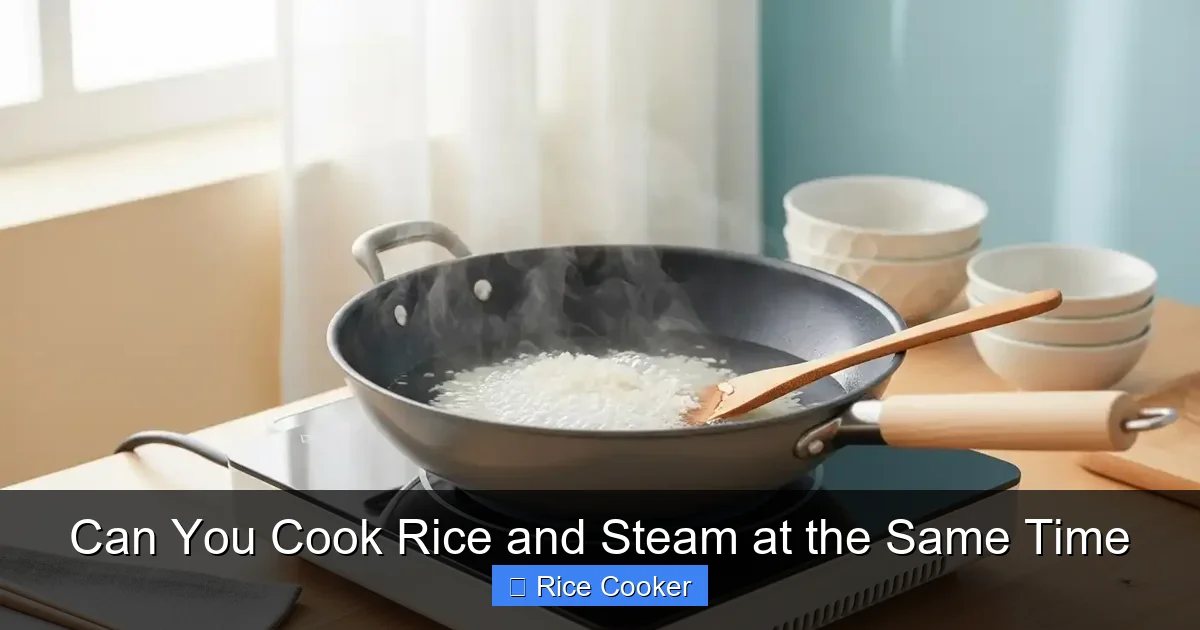
Visual guide about Can You Cook Rice and Steam at the Same Time
Image source: cookwarely.com
Built-In Steaming Trays
Many high-end or mid-range rice cookers come with removable steaming baskets made of stainless steel or food-grade plastic. These sit directly inside the unit and allow you to stack ingredients above the rice. Brands like Zojirushi, Panasonic, Instant Pot, and Cuckoo frequently offer this feature.
Multi-Cooking Functions
Some rice cookers double as pressure cookers or slow cookers, giving you even more flexibility. For example, the Instant Pot Duo Crisp lets you sauté, roast, and steam—all in one device. That said, traditional rice cookers often outperform combo models when it comes to pure rice quality.
Ventilated Lids
A well-designed lid with proper ventilation prevents condensation from dripping back onto your food. Look for models labeled “ventilated steam release” or those that mention “moisture control technology.”
Size Matters
If you’re cooking for a large family, consider a larger-capacity rice cooker (6–10 cups) with ample vertical space for steaming. Smaller units (2–4 cups) may struggle to accommodate both rice and bulky items like whole chickens or large batches of vegetables.
Step-by-Step Guide: Cooking Rice and Steaming Together
Ready to try it yourself? Follow this foolproof method to cook rice and steam veggies, fish, or eggs at the same time.
What You’ll Need
- A rice cooker with a steaming tray (or a compatible insert)
- Long-grain white or brown rice (adjust water ratio for brown rice)
- Fresh vegetables (broccoli, carrots, green beans), fish fillets, or hard-boiled eggs
- Salt, herbs, or lemon wedges for seasoning
- Water (for both rice and steaming)
Step 1: Prepare Your Rice
Rinse 1 cup of rice under cold water until the water runs clear. Add it to the inner pot along with 1.5 cups of water for white rice (or 1.75 cups for brown rice). Place the pot securely in the base.
Step 2: Set Up the Steaming Tray
Insert the steaming basket into the rice cooker so it sits just above the rice. Fill it halfway with chopped vegetables or place fish fillets skin-side down. Don’t overcrowd—leave room for steam to circulate.
Step 3: Season and Add Water
Add a pinch of salt to the rice water. For extra flavor, toss vegetables with olive oil or sprinkle with garlic powder. If steaming fish, squeeze fresh lemon juice over it before closing the lid.
Step 4: Start the Cycle
Press “Cook” or select the appropriate setting (“White Rice,” “Brown Rice,” etc.). Most rice cookers take 20–45 minutes to finish. During this time, the steam generated by boiling rice will gently cook the food in the tray.
Step 5: Let It Rest
Once done, let the rice rest for 5–10 minutes with the lid closed. Then fluff the rice and serve alongside your steamed sides. Everything should be tender, juicy, and flavorful.
Tips for Perfect Results Every Time
Even with the right equipment, a few tweaks can make a big difference in taste and texture.
Elevate Your Steamer
If your tray doesn’t fit snugly, use a small trivet or folded paper towel underneath to lift it slightly. This ensures steam flows freely and prevents sogginess.
Don’t Overfill the Tray
Too much food blocks airflow and leads to uneven cooking. Steam works best in thin layers. Cut vegetables into uniform pieces so they cook evenly.
Time Your Ingredients Wisely
Rice takes longer than most steamed foods. If you’re using delicate items like shrimp or leafy greens, consider adding them during the last 5 minutes of cooking. Or start rice first, then add steamed items halfway through the cycle.
Keep the Lid Closed
Opening the lid releases precious heat and disrupts steam flow. Resist the urge to peek—trust the process!
Cleans Easier Than You Think
Most steaming trays are dishwasher-safe. Rinse immediately after use to prevent food from drying and sticking. A quick soak in warm, soapy water makes cleanup a breeze.
Creative Ideas for Rice + Steam Meals
This technique isn’t just practical—it opens doors to delicious, balanced meals.
Asian-Inspired Bowl
Cook jasmine rice while steaming bok choy, snow peas, and cubes of tofu or chicken. Drizzle with soy sauce, sesame oil, and a splash of rice vinegar before serving.
Healthy Family Dinner
Make quinoa instead of white rice and pair it with steamed sweet potatoes, bell peppers, and baked salmon. Add a dollop of Greek yogurt on top for creaminess.
Veggie-Packed Lunch Prep
Meal prep on weekends: cook brown rice, then portion into containers with steamed zucchini, carrots, and chickpeas. Reheat quickly in the microwave or air fryer.
Dessert Twist
Yes, really! Some rice cookers can steam fruit like pears or apples with honey and cinnamon for a warm, spiced dessert. Just ensure the tray is clean and safe for sweet foods.
Common Mistakes to Avoid
Newcomers often run into issues—here’s how to sidestep them.
Using the Wrong Type of Rice
Stick to varieties suited for your cooker. Short-grain rice (like sushi rice) sticks together; long-grain (jasmine, basmati) stays separate. Brown rice needs more water and time.
Ignoring Manufacturer Instructions
Always consult your manual. Some brands warn against stacking items or recommend specific tray sizes. Ignoring this can damage your appliance or ruin your meal.
Neglecting Drainage Holes
Ensure the steaming tray has holes for steam to pass through. Solid trays trap moisture and create a humid environment that promotes bacterial growth.
Overloading the Base
Never fill the rice cooker beyond its max line. Extra liquid can overflow and short-circuit the unit.
Energy Efficiency and Safety Benefits
Cooking rice and steaming together isn’t just convenient—it’s smarter.
Saves Time and Electricity
Instead of running the stove for rice (15–20 minutes) and another pan for steaming (10–15 minutes), you do it all in one go. That cuts total energy use by nearly half.
Reduces Kitchen Heat
Closed-system cooking means less heat escapes into your kitchen—perfect for summer months when every degree counts.
Safer Than Open Pans
No hot liquids splattering, no risk of burning yourself on exposed handles. Kids and pets stay safer too.
Maintenance Tips to Keep Your Rice Cooker Running Smoothly
To enjoy years of reliable performance, treat your rice cooker like a kitchen star—with care.
Clean After Every Use
Wipe the exterior with a damp cloth. Remove the inner pot and steamer tray; wash with mild soap. Dry thoroughly before storing.
Inspect Seals and Vents
Check rubber gaskets and steam vents monthly for cracks or blockages. Replace if damaged to maintain proper sealing.
Avoid Harsh Chemicals
Steel wool or abrasive cleaners scratch surfaces and compromise non-stick coatings. Opt for gentle sponges instead.
Store Properly
Keep the unit unplugged and components dry. Store the steaming tray separately if it tends to warp or retain odors.
Final Thoughts: Why This Hack Changes Everything
The ability to cook rice and steam at the same time transforms how you approach daily meals. No more chaotic stove juggling, no wasted counter space, and consistently nutritious dinners that look restaurant-quality. Whether you’re a college student heating leftovers or a parent feeding picky eaters, this simple trick empowers you to cook smarter, not harder.
And the best part? Once you experience the ease of one-pot harmony, you’ll wonder how you ever lived without it. So go ahead—fire up your rice cooker, load it with rice and veggies, and embrace the future of fast, flavorful cooking.
Frequently Asked Questions
Can you really cook rice and steam vegetables together in a rice cooker?
Yes! Many modern rice cookers come with built-in steaming trays that allow you to cook rice and steam vegetables simultaneously. As long as the tray is elevated and has drainage holes, steam won’t affect the rice’s texture.
Will steaming food in the rice cooker make the rice soggy?
No, not if set up correctly. The steaming tray should sit above the rice, allowing steam to rise without dripping back down. Proper ventilation in the lid prevents excess moisture from reaching the rice.
What types of food can I steam while cooking rice?
You can steam vegetables (broccoli, carrots, green beans), fish fillets, hard-boiled eggs, dumplings, or even fruits. Avoid very wet or saucy items that might drip onto the rice.
Do all rice cookers support simultaneous cooking?
No. Only models with removable steaming baskets or accessory trays can handle this task. Basic rice cookers without these features won’t work for dual cooking.
How long does it take to cook rice and steam together?
It depends on the rice type and quantity. White rice typically takes 20–25 minutes; brown rice may take 45–50 minutes. Steamed foods cook faster—usually within the last 10–15 minutes.
Can I use a homemade steaming rack instead of the official tray?
Possibly, but it’s risky. Improper materials (like aluminum foil) may warp or melt. If you must improvise, use stainless steel or silicone trivets designed for heat resistance.