
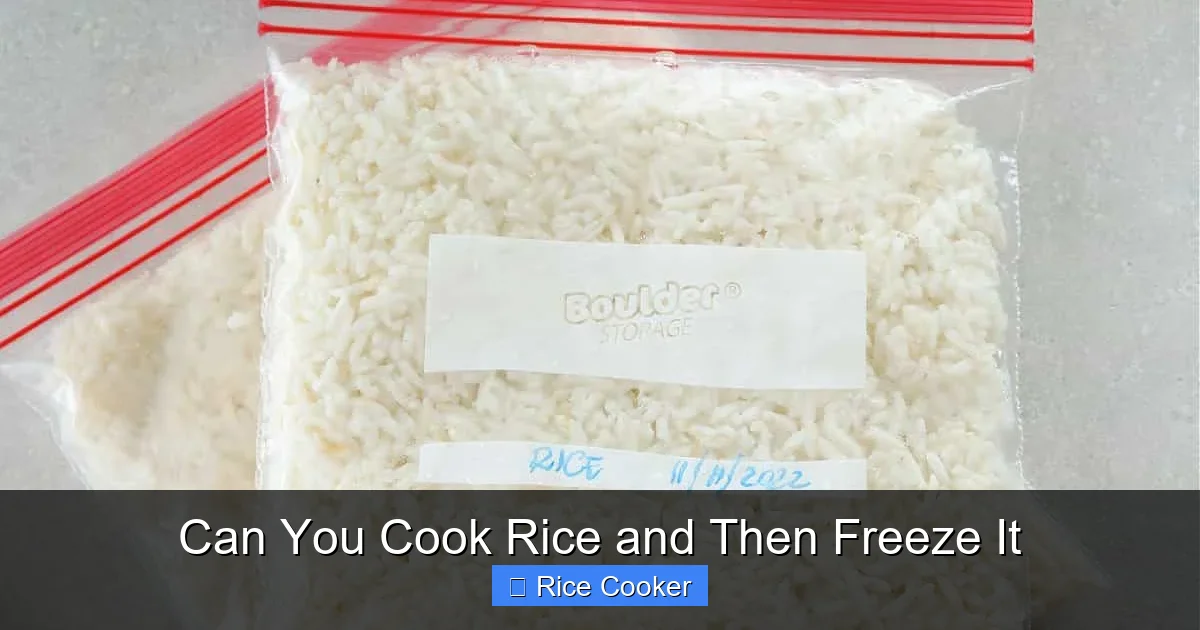
Yes, you can absolutely cook rice and then freeze it! Freezing cooked rice is a smart way to save time, reduce food waste, and keep your pantry stocked with ready-made side dishes. With the right techniques, frozen rice stays fresh, safe to eat, and tastes great when reheated—making it ideal for busy weeknights or large meal prep sessions.
Key Takeaways
- Freezing cooked rice preserves flavor and texture: When done correctly, frozen rice retains its quality and can be reheated without turning mushy.
- Proper cooling is essential: Cooling rice quickly before freezing prevents bacterial growth and maintains food safety.
- Portion control makes reheating easier: Divide rice into small portions for faster thawing and even heating.
- Use airtight containers or freezer bags: This prevents freezer burn and keeps rice from absorbing unwanted odors.
- Label and date your containers: Frozen rice stays good for up to 6 months, but labeling helps you track freshness.
- Reheat safely and evenly: Use a stovetop, microwave, or oven to bring frozen rice back to a safe internal temperature.
- Meal prep becomes effortless: Batch-cook and freeze rice to save time on dinners all week long.
[FEATURED_IMAGE_PLACEHOLDER]
Can You Cook Rice and Then Freeze It? The Ultimate Guide to Freezer-Friendly Rice
Have you ever looked in your fridge, seen a leftover pot of perfectly cooked rice, and wondered, “What do I do with this?” Or maybe you’re planning a big meal prep weekend and want to save time on future dinners. If so, you’re in the right place. The short answer? Yes, you can cook rice and then freeze it—and doing so is not only possible but also a brilliant strategy for reducing waste and saving time.
Rice is one of the most versatile and widely consumed grains in the world. From jasmine and basmati to brown and wild rice, it serves as a base for countless cuisines, from sushi rolls to stir-fries and grain bowls. But what happens when you make too much? Do you toss it out? Not if you know how to freeze cooked rice properly. In fact, freezing cooked rice is a time-tested method used by home cooks and professionals alike. Whether you’re making a big batch for tacos, fried rice, or just extra side dishes, freezing ensures your rice stays fresh, safe, and delicious.
In this complete guide, we’ll walk you through everything you need to know about cooking rice and freezing it—how to do it safely, how long it lasts, how to reheat it without losing flavor or texture, and why it’s such a game-changer for busy households. We’ll also share expert tips, common mistakes to avoid, and creative ways to use your frozen rice. So grab your rice cooker, and let’s dive in!
Why Freeze Cooked Rice?
If you’re new to meal prep or just trying to simplify your kitchen routine, freezing cooked rice might seem like an odd idea. After all, rice is usually eaten fresh, right? But here’s the truth: cooked rice is incredibly freezer-friendly, and there are several compelling reasons to consider freezing it.
Save Time on Future Meals
One of the biggest advantages of freezing cooked rice is convenience. Imagine this: you spend a Sunday afternoon making a big pot of jasmine rice to go with a Thai curry. Instead of eating it all at once, you portion it out and freeze half. The next week, when you’re craving fried rice but don’t feel like cooking from scratch, you just grab a bag from the freezer and go. No measuring, no waiting for water to boil—just quick, easy reheating and a delicious meal in minutes.
This kind of time-saving technique is especially helpful for people with busy schedules. Whether you’re a parent juggling school pickups, a student cramming for exams, or someone working long hours, having ready-made rice on hand means you can focus on what really matters—like dinner.
Reduce Food Waste
We’ve all been there: you cook a perfect pot of rice, serve some, and end up with leftovers that go bad before you can use them. According to the USDA, food waste accounts for about 30-40% of the food supply in the U.S., and cooked rice is often among the wasted items. But by freezing your extra rice, you extend its life significantly.
Cooked white rice, when stored properly in the freezer, can last up to six months. That means you can make a big batch during the week and enjoy it later—no guilt, no waste. Plus, freezing allows you to store small portions, so you only thaw what you need, further reducing the chance of spoilage.
Maintain Nutritional Value
Contrary to what some people believe, freezing does not destroy the nutritional value of rice. In fact, if anything, freezing can help preserve certain vitamins and minerals better than leaving rice at room temperature. However, the key is proper storage—using airtight containers and avoiding prolonged exposure to air and moisture.
Brown rice, in particular, has a higher fat content than white rice, which can cause it to go rancid more quickly. Freezing helps slow down oxidation, keeping the grain fresher for longer. Just remember to cool it properly and seal it tightly to maintain both taste and nutrition.
Perfect for Batch Cooking and Meal Prep
If you love meal prepping, frozen rice is your best friend. Think about it: you can cook a large quantity of rice once and use it across multiple meals throughout the week. Whether you’re building grain bowls, making sushi, or tossing together a quick fried rice, having pre-cooked rice in the freezer eliminates guesswork and saves precious time.
Many professional chefs and home cooks swear by this method. In restaurants, large pots of rice are often made in advance and kept warm—or frozen—for later use. You can do the same at home with minimal effort and maximum benefit.
How to Properly Cook Rice Before Freezing
The secret to successfully freezing rice isn’t just about throwing it in the freezer—it starts with how you cook it. To ensure your frozen rice tastes great when reheated, follow these best practices:
Choose the Right Type of Rice
Not all rice is created equal when it comes to freezing. Some types hold up better than others. Here’s a quick breakdown:
- White rice (long-grain): Ideal for freezing. Long-grain varieties like jasmine or basmati dry out less and reheat well.
- Brown rice: Can be frozen, but it absorbs more water during cooking and may become slightly softer upon reheating. Still perfectly edible and nutritious.
- Instant rice: Not recommended. Instant rice is already partially cooked and may break apart or become mushy when frozen and reheated.
- Sushi rice: Best used fresh due to its sticky texture. Freezing can alter the consistency needed for sushi rolls.
For most purposes, stick with long-grain white or brown rice. These types have a firmer texture and hold their shape better after freezing.
Use the Correct Water-to-Rice Ratio
Getting the water ratio right is crucial. Too little water, and your rice will be undercooked; too much, and it becomes soggy—especially problematic when freezing. A general rule is:
- White rice: 1 cup rice to 1.5 cups water
- Brown rice: 1 cup rice to 1.75–2 cups water
Use a rice cooker or pot with a tight-fitting lid. Overcooking slightly is okay because the rice will continue to absorb moisture as it cools. Just avoid boiling or steaming it until it’s dry—this ensures it doesn’t turn into a sticky mess when frozen.
Fluff and Cool Promptly
Once your rice is cooked, remove it from heat immediately and fluff it with a fork. This helps release steam and prevents clumping. Let it sit for 5 minutes, then begin cooling it rapidly.
Rapid cooling is essential for food safety. Bacteria like Bacillus cereus, which can grow in cooked rice left at room temperature, multiply quickly between 40°F and 140°F (the “danger zone”). To prevent this, cool the rice as fast as possible—ideally within 1 hour.
Here’s a simple tip: spread the hot rice in a thin layer on a baking sheet or shallow dish. This increases surface area and speeds up cooling. You can also place the container in an ice bath (a bowl of cold water with the pot or tray inside). Never leave rice sitting out for more than 2 hours.
Step-by-Step: How to Freeze Cooked Rice Safely
Now that your rice is cooked and cooled, it’s time to freeze it. Follow these steps for best results:
Portion the Rice
Divide the cooled rice into manageable portions. Think about how much you’ll likely use in one meal. Common sizes include:
- ½ cup (perfect for a single serving)
- 1 cup (ideal for fried rice or a side dish)
- 2 cups (great for meal prep containers)
Using portion sizes makes reheating easier and reduces the risk of thawing too much at once. It also helps prevent waste if you only need part of a larger batch.
Use Airtight Containers or Freezer Bags
Transfer each portion to a freezer-safe container or resealable freezer bag. Squeeze out as much air as possible from bags—this minimizes freezer burn and keeps rice from drying out.
For containers, choose ones with tight-fitting lids. Glass or BPA-free plastic containers work well. Avoid using open trays or uncovered dishes, as they expose the rice to air and odors.
Label and Date Everything
Use a permanent marker to label each container or bag with the type of rice and the date it was frozen. Most cooked rice stays safe for up to 6 months in the freezer. While it won’t spoil, quality may decline over time—so the sooner you use it, the better it tastes.
Consider organizing your freezer so similar items are grouped together. That way, you can find what you need quickly and rotate your stock using the FIFO method (“first in, first out”).
Store in the Coldest Part of Your Freezer
Place the rice in the coldest section of your freezer—usually the back or bottom shelves. Consistent cold temperatures help maintain quality and prevent temperature fluctuations that could lead to freezer burn.
Aim for a freezer temperature of 0°F (-18°C) or lower. If your freezer is older or frequently opened, consider using a thermometer to monitor temperature.
How Long Can You Keep Frozen Cooked Rice?
This is a common question: how long can you actually keep cooked rice in the freezer? The answer depends on storage conditions and rice type, but here’s a general guideline:
- White rice: Up to 6 months
- Brown rice: Up to 4–6 months (slightly shorter due to higher oil content)
After this time, the rice may start to lose moisture, develop off-flavors, or become slightly chalky. However, it’s still safe to eat if stored properly. Just check for signs of freezer burn—dry spots, ice crystals, or unpleasant odors—before reheating.
Remember: just because something is safe doesn’t mean it’s delicious. If your rice looks or smells off, trust your senses and discard it.
How to Reheat Frozen Cooked Rice
One of the best parts about freezing rice is how easy it is to reheat. You don’t need special equipment—just a stovetop, microwave, or oven. The key is to add moisture and heat evenly so your rice doesn’t dry out or become rubbery.
Microwave Method (Quick & Easy)
This is the fastest way to reheat frozen rice. Follow these steps:
- Place a portion of rice in a microwave-safe dish.
- Add 1–2 teaspoons of water or broth per cup of rice. Cover with a damp paper towel or lid to trap steam.
- Heat on high in 1-minute intervals, stirring between each, until warm throughout (usually 2–4 minutes total).
The damp cover helps prevent drying, while the added liquid restores moisture lost during freezing.
Stovetop Method (Best for Texture)
For fluffier, more evenly heated rice, use the stovetop:
- Transfer frozen rice to a saucepan. Break up clumps with a fork.
- Add 1 tablespoon of water or broth per ½ cup of rice.
- Cook over medium-low heat, covered, for 3–5 minutes, stirring occasionally.
- Remove from heat and let sit for 1 minute before fluffing.
This method gives you better control over texture and avoids the uneven heating that can happen in microwaves.
Oven Method (For Large Batches)
If you’re reheating a large amount of rice, the oven works well:
- Preheat oven to 350°F (175°C).
- Place rice in an oven-safe dish. Add 1–2 tablespoons of liquid per cup of rice.
- Cover tightly with foil or a lid.
- Bake for 15–20 minutes, stirring halfway through.
This method is ideal for meal prep containers or family-sized portions.
Tips for Perfect Reheated Rice
- Always add liquid: Frozen rice loses moisture, so adding water, broth, or even a splash of soy sauce enhances flavor and texture.
- Stir frequently: This ensures even heating and prevents scorching.
- Check internal temperature: Rice should reach at least 165°F (74°C) for safety.
- Fluff with a fork: This restores the light, airy texture rice had when freshly cooked.
Common Mistakes to Avoid When Freezing Rice
Even experienced cooks make mistakes when freezing rice. Avoid these pitfalls to ensure success every time:
Leaving Rice at Room Temperature Too Long
As mentioned earlier, bacteria can grow rapidly in warm rice. Never let cooked rice sit out for more than 2 hours—ideally, cool it within 1 hour. Use the ice bath method if needed.
Freezing in Large, Hard-to-Reheat Portions
While it’s tempting to freeze everything in one big batch, this makes reheating difficult. Smaller portions thaw faster and heat more evenly.
Using Non-Freezer-Safe Containers
Plastic containers that aren’t freezer-rated can warp or leach chemicals. Always use containers labeled for freezer use.
Skipping the Labeling Step
It’s easy to forget what’s in your freezer. Labeling saves time and prevents confusion later.
Not Adding Moisture When Reheating
Frozen rice dries out, so skipping liquid leads to crumbly, dry results. Always add water or broth.
Overcrowding the Freezer
If your freezer is full, new items may not get cold enough. Leave space for air circulation around your rice containers.
Creative Ways to Use Frozen Cooked Rice
Freezing rice isn’t just about saving leftovers—it opens up endless culinary possibilities. Here are some delicious ideas:
Fried Rice
Frozen rice makes the perfect base for fried rice. Simply thaw a portion, sauté with veggies, eggs, soy sauce, and your favorite protein. The rice holds its shape and absorbs flavors beautifully.
Risotto
With a little patience, frozen rice can be transformed into creamy risotto. Slowly add warm broth, stirring constantly, until the rice reaches your desired consistency. Brown rice takes longer but yields a heartier dish.
Grain Bowls
Build a healthy grain bowl with quinoa, roasted vegetables, beans, and a tasty dressing. Frozen rice works great as a base for any bowl recipe.
Sushi and Sushi Bowls
While traditional sushi rice is best used fresh, you can freeze cooked rice and use it for sushi bowls or onigiri (rice balls) if you’re short on time.
Pilafs and Stuffings
Use frozen rice in pilafs, stuffing for peppers or tomatoes, or even in casseroles where a fluffy grain base is needed.
Breakfast Dishes
Try using rice in breakfast hash, rice pudding, or even rice-based pancakes for a unique twist.
Final Thoughts: Is Freezing Cooked Rice Worth It?
Absolutely. Freezing cooked rice is a simple, practical, and highly effective way to streamline your kitchen routine. It reduces waste, saves time, and ensures you always have a reliable staple on hand. Whether you’re meal prepping for the week, cooking for a crowd, or just want to avoid throwing away leftovers, this method is a win-win.
With the right techniques—proper cooling, portioning, and storage—you can enjoy fresh-tasting rice anytime, straight from the freezer. And with so many delicious ways to use it, you’ll never get bored.
So next time you make rice, think ahead. Cook a little extra, freeze the rest, and watch your meals become easier, tastier, and more sustainable. Your future self will thank you.
Question?
Answer (2-3 sentences)…
Is it safe to freeze cooked rice?
Yes, it’s completely safe to freeze cooked rice if done properly. As long as you cool it quickly and store it in airtight containers, frozen rice remains safe for up to 6 months.
Can I freeze rice from a rice cooker?
Absolutely. Rice cooked in a rice cooker freezes just as well as rice cooked on the stove. Just make sure to cool it promptly before freezing.
Does freezing change the taste of rice?
When stored and reheated correctly, rice maintains most of its original flavor. However, very old frozen rice may become slightly drier or develop off-flavors—so use it within 4–6 months for best quality.
Can I freeze rice with sauce or seasoning?
Yes, but be cautious. Sauces can separate or become greasy when frozen and thawed. For best results, freeze plain rice and add sauces fresh when reheating.
How do I defrost frozen rice?
You don’t need to fully thaw rice before reheating. Just add a bit of liquid and heat it directly from frozen using the microwave, stovetop, or oven methods described above.
Can I freeze rice for more than 6 months?
While rice remains safe indefinitely in the freezer, quality declines after 6 months. For optimal taste and texture, use frozen rice within 4–6 months.
This is a comprehensive guide about can you cook rice and then freeze it.
Key Takeaways
- Understanding can you cook rice and then freeze it: Provides essential knowledge
Frequently Asked Questions
What is can you cook rice and then freeze it?
can you cook rice and then freeze it is an important topic with many practical applications.