
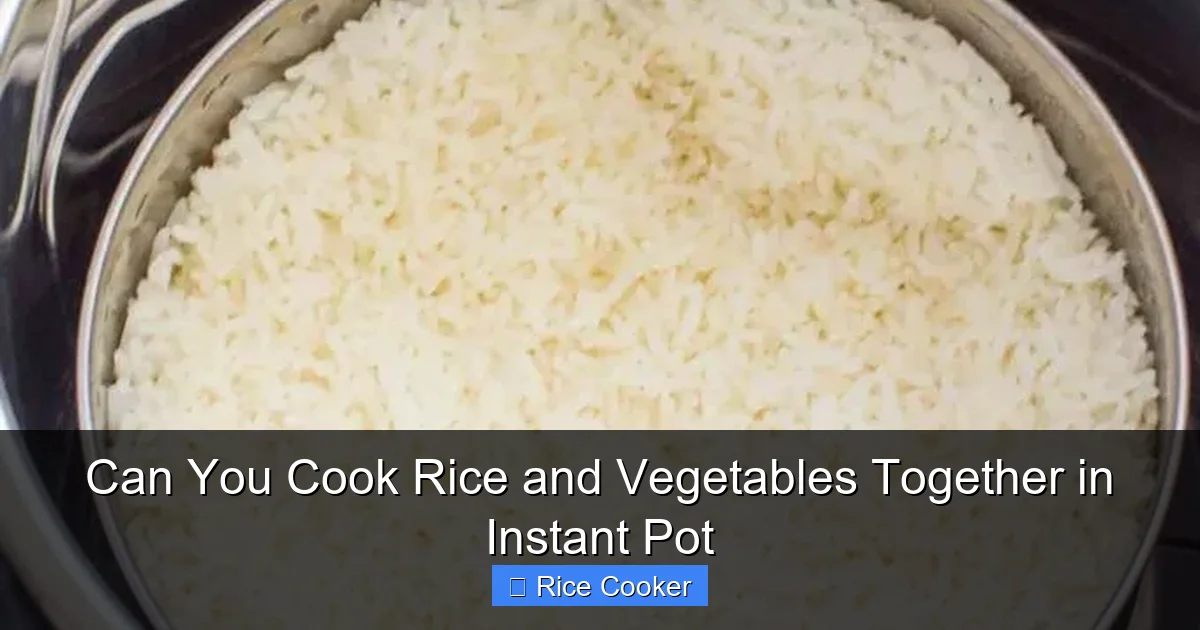
Absolutely! Cooking rice and vegetables together in an Instant Pot is not only possible but also a fantastic way to save time and infuse flavors. With the right technique—like using a steamer basket or layering ingredients correctly—you can enjoy tender rice and crisp-tender veggies in one pot. This method simplifies meal prep and delivers delicious, healthy results every time.
Key Takeaways
- Layering Matters: Always place rice at the bottom and vegetables on top to prevent overcooking and ensure even heat distribution.
- Use a Steamer Basket: A perforated basket keeps vegetables elevated above the liquid, reducing sogginess and preserving texture.
- Adjust Cooking Time: Vegetables may need less time than rice; consider starting them slightly later or removing them early.
- Add Liquid Wisely: Use 1:1 water-to-rice ratio and account for vegetable moisture—too much liquid leads to mushy results.
- Season Creatively: Add herbs, garlic, or spices directly into the rice or sprinkle over vegetables for layered flavor.
- Try One-Pot Recipes: Dishes like pilafs, stir-fry-style bowls, and grain salads shine when made together in the Instant Pot.
- Clean-Up is Easy: Since everything cooks in one container, cleanup is minimal—just one pot to wash.
📑 Table of Contents
- Can You Cook Rice and Vegetables Together in Instant Pot?
- Why Cook Rice and Vegetables Together in an Instant Pot?
- How to Prepare Rice and Vegetables in the Instant Pot
- Best Vegetables to Cook with Rice in the Instant Pot
- Popular Recipes: One-Pot Rice and Veggie Meals
- Troubleshooting Common Issues
- Tips for Perfect Results Every Time
- Beyond Basics: Advanced Techniques
- Environmental and Cost Benefits
- Frequently Asked Questions
- Final Thoughts
Can You Cook Rice and Vegetables Together in Instant Pot?
If you’re tired of making two separate meals or spending extra time washing multiple pots, you’re in luck. The Instant Pot isn’t just for soups and stews—it’s a versatile kitchen powerhouse that can handle rice and vegetables together beautifully. Yes, you can absolutely cook rice and vegetables together in your Instant Pot, and doing so opens up a world of quick, nutritious, and delicious meal possibilities.
This method combines the convenience of a rice cooker with the speed of pressure cooking. Whether you’re aiming for a one-pot dinner, a side dish, or even a base for salads, merging rice and veggies saves time and boosts flavor. But how do you make sure both come out perfect? Let’s walk through everything you need to know—from setup and timing to troubleshooting common issues. By the end, you’ll be ready to whip up restaurant-quality meals with zero stress.
Why Cook Rice and Vegetables Together in an Instant Pot?
There are several compelling reasons to combine rice and vegetables in one pot. First and foremost, it’s efficient. Instead of boiling rice on the stove while sautéing veggies separately, you can do it all in under 30 minutes. Second, it promotes flavor integration. As the rice absorbs steam and liquid, it picks up aromatic elements from herbs, spices, and even the vegetables themselves.
Visual guide about Can You Cook Rice and Vegetables Together in Instant Pot
Image source: favfamilyrecipes.com
Time-Saving Benefits
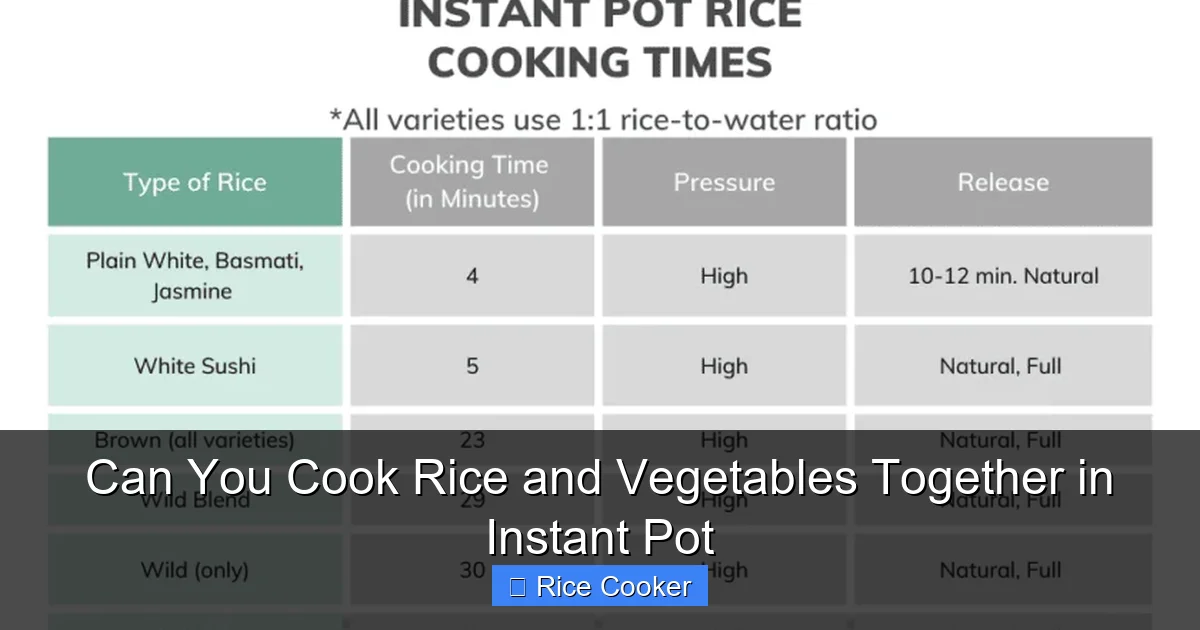
The Instant Pot’s sealed environment means heat and steam circulate efficiently. That translates to faster cooking times and less babysitting. For example, white rice takes about 4–6 minutes under pressure, while most vegetables cook in 2–5 minutes. When timed right, both finish simultaneously—or you can adjust by adding veggies later.
Flavor and Nutrition Boost
Cooking together allows nutrients from vegetables to gently leach into the rice, creating a more balanced plate. Plus, you can infuse the rice with savory notes like turmeric, cumin, or garlic—making it a complete meal on its own. Think of it as building layers of taste, one ingredient at a time.
Minimal Cleanup
One pot means one clean-up. No need for multiple pans, steamers, or strainers. Just pop the lid off and rinse. It’s especially helpful during busy weeknights or when entertaining guests.
How to Prepare Rice and Vegetables in the Instant Pot
Getting this right requires a bit of planning, but once you get the hang of it, it becomes second nature. Here’s a step-by-step guide to help you master the process.
Visual guide about Can You Cook Rice and Vegetables Together in Instant Pot
Image source: musttryrecipes.com
Gather Your Ingredients
- Rice (white, brown, jasmine, or basmati)
- Fresh or frozen vegetables (carrots, broccoli, peas, zucchini, bell peppers, etc.)
- Liquid (water, broth, or coconut milk for added richness)
- Optional: salt, herbs, spices, oil, or garlic
Step 1: Rinse and Measure the Rice
Start by rinsing your rice under cold water until the water runs clear. This removes excess starch and prevents gummy results. Then measure using the cup markings inside your Instant Pot (or a standard measuring cup). For best results, use a 1:1 water-to-rice ratio. If using broth instead of water, reduce sodium in other parts of your meal accordingly.
Step 2: Add Flavor Enhancers
Before adding liquid, consider tossing in a teaspoon of olive oil, a minced garlic clove, or a pinch of salt. These will infuse the rice as it cooks. You can also add dried herbs like thyme or bay leaves at this stage.
Step 3: Place Vegetables Strategically
This is the trickiest part. You want vegetables to cook without becoming mushy, while the rice stays fluffy. There are two main approaches:
- Use a Steamer Basket: Insert a perforated stainless steel steamer basket into the pot before adding rice and liquid. Place chopped vegetables on top of the basket. This keeps them elevated and allows steam to circulate freely.
- Layer Carefully Without a Basket: If you don’t have a steamer basket, chop vegetables into small, uniform pieces and scatter them over the rice before pouring in the liquid. Avoid large chunks that won’t cook evenly.
Step 4: Secure the Lid and Start Pressure Cooking
Close the lid firmly and turn the valve to “Sealing.” Select the “Manual” or “Pressure Cook” setting. For white rice, set the timer to 4–6 minutes. For brown rice, allow 12–15 minutes. Once pressure builds, start the countdown.
Step 5: Natural Release or Quick Release?
After cooking, let the pressure release naturally for 10 minutes (this helps rice firm up), then do a quick release for any remaining pressure. Never force-release too soon—rice can turn into porridge if done incorrectly.
Step 6: Fluff and Serve
Open the lid away from your face. Gently fluff the rice with a fork, then fold in the vegetables. Taste and adjust seasoning if needed. Serve hot as a side, salad base, or main course with protein.
Best Vegetables to Cook with Rice in the Instant Pot
Not all vegetables behave the same way under pressure. Some hold their shape better than others. Here’s a list of top performers when paired with rice:
Top Choices: Crisp and Colorful
- Broccoli and Cauliflower: Chop into bite-sized florets. They soften quickly—cook for 2–3 minutes after rice starts.
- Bell Peppers and Zucchini: Diced small. These get tender fast and add sweetness and color.
- Carrots and Green Beans: Slice diagonally or cut into similar sizes. They need slightly longer than leafy greens.
- Peas and Corn: Frozen works great here. They add natural sweetness and require minimal cooking time.
Veggies to Use with Caution
- Leafy Greens (spinach, kale): Add them in the last minute of cooking or stir in raw at the end to avoid bitterness.
- Mushroom and Tomato: These release moisture and can make the rice soggy. Consider sautéing them first or adding toward the end.
Pro Tip: Mix and Match
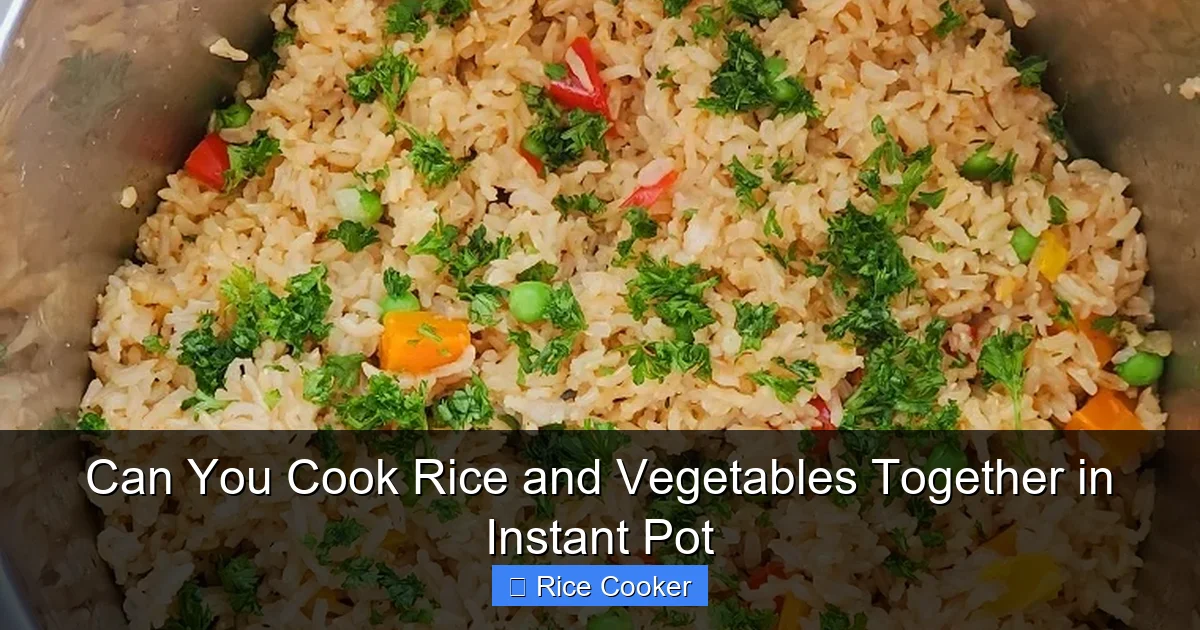
Don’t feel limited to one type of vegetable. A colorful medley not only looks appealing but also provides varied textures and nutrients. Try a “rainbow pilaf” with red peppers, carrots, peas, and corn.
Popular Recipes: One-Pot Rice and Veggie Meals
Ready to put theory into practice? Here are five tried-and-true recipes you can make in your Instant Pot today.
1. Creamy Garlic Herb Pilaf
Aromatic rice cooked with garlic, thyme, and a splash of cream or coconut milk, topped with steamed broccoli and peas. Perfect for dinner parties.
2. Spicy Southwest Rice Bowl
White rice infused with cumin, chili powder, and lime juice, served with black beans, corn, diced tomatoes, and avocado. Add grilled chicken for a full meal.
3. Mediterranean Orzo Salad Base
Orzo pasta (acts like rice) cooked with sun-dried tomatoes, olives, spinach, and feta. Great chilled or warm.
4. Asian-Inspired Brown Rice Stir-Fry
Brown rice with snap peas, carrots, mushrooms, and ginger, finished with soy sauce and sesame oil. Served over edamame.
5. Simple One-Pot Lentil and Rice
Combine lentils and rice in a 2:1 ratio with vegetable broth. Add kale and carrots. A protein-packed vegetarian option.
Troubleshooting Common Issues
Even experienced Instant Pot users run into hiccups now and then. Here’s how to fix the most frequent problems when cooking rice and vegetables together.
Problem: Rice is Too Dry or Mushy
Cause: Incorrect water ratio or too long a cooking time.
Fix: Stick to the 1:1 ratio. For brown rice, try 1.25 cups liquid per cup of rice. Also, avoid opening the lid during cooking—each opening releases steam and disrupts pressure.
Problem: Vegetables Are Overcooked or Soggy
Cause: Vegetables sitting in too much liquid or being exposed to prolonged heat.
Fix: Use a steamer basket. If not available, reduce cooking time by 1–2 minutes or add vegetables halfway through. Smaller pieces cook faster and more evenly.
Problem: Rice Sticks to the Bottom
Cause: Insufficient fat or uneven heat distribution.
Fix: Always add a teaspoon of oil or butter before cooking. Stir once after pressure release to redistribute grains.
Problem: Steam Builds Up Under the Basket
Cause: Poor seal or incorrect placement.
Fix: Ensure the steamer basket isn’t blocking the vent. Keep it centered and make sure the lid seals properly. Don’t overcrowd the pot.
Problem: Flavors Don’t Blend Well
Cause: Ingredients were added in the wrong order or lack of marination.
Fix: Toast rice briefly in the “Sauté” mode before adding liquid. Marinate vegetables in spices for 15–20 minutes beforehand.
Tips for Perfect Results Every Time
Want consistent, delicious outcomes? Follow these pro tips.
Use Fresh or Frozen (Not Canned) Vegetables
Frozen veggies work well because they’re pre-blanched and cook quickly. Canned ones tend to become slimy under pressure. Rinse frozen veggies lightly before adding.
Chop Everything Uniformly
Smaller pieces = faster, more even cooking. Aim for similar sizes between rice grains and vegetable cubes.
Don’t Skip the Steamer Basket
It’s the single best tool for preventing sogginess. Most Instant Pots come with one—if yours doesn’t, they’re widely available online.
Experiment with Broths
Replace half the water with low-sodium vegetable, chicken, or beef broth. It adds depth without extra salt.
Let It Rest
After cooking, let the pot sit undisturbed for 5 minutes. This allows residual steam to finish cooking veggies gently.
Serve Immediately
Rice and vegetables are best fresh. Leftovers can be reheated in the microwave with a splash of water to restore moisture.
Beyond Basics: Advanced Techniques
Once you’ve mastered the fundamentals, try these creative upgrades.
Sous-Vide Style Precision Cooking
Use the Instant Pot’s “Slow Cook” or “Yogurt” function to gently simmer rice and veggies over low heat for richer flavor development.
Infused Oils and Vinegars
Add a tablespoon of truffle oil or balsamic vinegar to the liquid for gourmet flair.
Grain Variations
Try quinoa, farro, or barley instead of rice. Each has different absorption rates—adjust liquid accordingly.
Add Protein Midway
Pause cooking after 3 minutes, stir in chickpeas or tofu cubes, then resume. This keeps proteins intact.
Make It Gluten-Free
Use certified gluten-free rice or millet. All vegetables are naturally GF—just avoid cross-contamination.
Environmental and Cost Benefits
Choosing a one-pot method isn’t just convenient—it’s sustainable. Fewer dishes mean less water and energy used in cleaning. Plus, buying whole ingredients (rice + seasonal veggies) is often cheaper than processed convenience foods. Cooking at home reduces packaging waste and supports local agriculture.
Frequently Asked Questions
Can I cook brown rice and vegetables together in the Instant Pot?
Yes! Brown rice takes longer to cook—usually 12–15 minutes under pressure. Adjust liquid to 1.25 cups per cup of rice. Use a steamer basket for best results.
Do I need a special steamer basket for my Instant Pot?
No, but it helps tremendously. If you don’t have one, chop vegetables very small and place them over the rice. Just watch closely to avoid sogginess.
Can I use frozen vegetables without thawing them?
Absolutely. Frozen vegetables work great—they actually help regulate temperature and prevent scorching. Just give them a quick rinse first.
How do I prevent my rice from turning into soup?
Stick to the correct water ratio, avoid opening the lid mid-cook, and ensure proper sealing. Also, don’t overfill the pot—leave at least 1/2 inch headspace.
What if I want to add meat or beans to the mix?
For meats, sear them first using the “Sauté” function. For beans, add them midway through cooking—they take longer than veggies and rice.
Can I cook rice and vegetables in advance and reheat them?
Yes, but texture may suffer. Store in airtight containers and reheat with a splash of water in the microwave or on the stovetop to revive moisture.
Final Thoughts
Cooking rice and vegetables together in your Instant Pot isn’t just possible—it’s smart, delicious, and adaptable. With a little planning and these insider tips, you’ll transform mealtime from mundane to magnificent. Whether you’re feeding a family, meal-prepping for the week, or experimenting with global flavors, this method gives you flexibility and control.
So go ahead—grab your steamer basket, toss in some colorful veggies, and let your Instant Pot do the heavy lifting. Before you know it, you’ll be serving up restaurant-worthy dishes with minimal effort and maximum satisfaction.
Happy cooking!
Frequently Asked Questions
Can I cook brown rice and vegetables together in the Instant Pot?
Yes! Brown rice takes longer to cook—usually 12–15 minutes under pressure. Adjust liquid to 1.25 cups per cup of rice. Use a steamer basket for best results.
Do I need a special steamer basket for my Instant Pot?
No, but it helps tremendously. If you don’t have one, chop vegetables very small and place them over the rice. Just watch closely to avoid sogginess.
Can I use frozen vegetables without thawing them?
Absolutely. Frozen vegetables work great—they actually help regulate temperature and prevent scorching. Just give them a quick rinse first.
How do I prevent my rice from turning into soup?
Stick to the correct water ratio, avoid opening the lid mid-cook, and ensure proper sealing. Also, don’’t overfill the pot—leave at least 1/2 inch headspace.
What if I want to add meat or beans to the mix?
For meats, sear them first using the “Sauté” function. For beans, add them midway through cooking—they take longer than veggies and rice.
Can I cook rice and vegetables in advance and reheat them?
Yes, but texture may suffer. Store in airtight containers and reheat with a splash of water in the microwave or on the stovetop to revive moisture.