
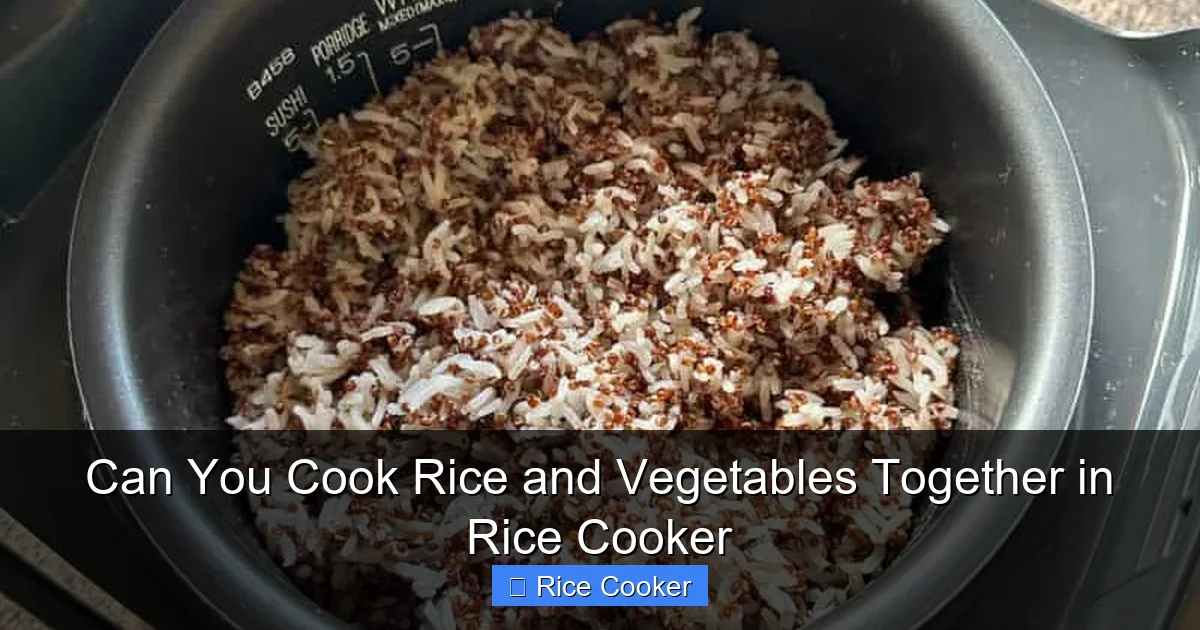
Can you cook rice and vegetables together in a rice cooker? Absolutely—and it’s easier than you think! With the right prep, timing, and ingredients, your rice cooker becomes a versatile kitchen powerhouse. You’ll save time, reduce cleanup, and enjoy nutritious, flavorful meals straight from the pot.
Key Takeaways
- Yes, it’s possible: Cooking rice and vegetables together in a rice cooker is not only doable but often yields delicious, balanced meals.
- Prep matters: Cutting vegetables uniformly and choosing ones that cook at similar speeds ensures even doneness.
- Timing is key: Adding harder vegetables (like carrots) early and softer ones (like zucchini) later prevents overcooking.
- Add-ins enhance flavor: A splash of broth, soy sauce, or herbs can elevate your dish beyond plain grains and veggies.
- Cleanup is minimal: One pot = less washing. Just stir once before serving to mix everything up.
- Safety first: Always ensure your rice cooker is rated for stovetop use if adding liquids like broth during cooking.
- Experiment freely: From quinoa with peas to brown rice with broccoli, endless combinations await!
📑 Table of Contents
- Introduction: The Magic of One-Pot Meals
- Why Cook Rice and Vegetables Together?
- Which Vegetables Work Best in the Rice Cooker?
- Step-by-Step Guide: How to Cook Rice and Vegetables Together
- Troubleshooting Common Issues
- Creative Recipe Ideas to Try Today
- Tips for Maximizing Flavor and Nutrition
- Conclusion: Embrace the Versatility of Your Rice Cooker
Introduction: The Magic of One-Pot Meals
Have you ever stood over a hot stove, stirring a pot of rice while nervously checking on simmering vegetables? Or maybe you’ve reached for a pre-packaged frozen meal just to avoid the hassle. Well, what if I told you there’s a better way—one that’s simple, healthy, and done entirely in your trusty rice cooker?
Cooking rice and vegetables together in a rice cooker isn’t just possible; it’s a game-changer for busy weeknights, meal prep warriors, and anyone who wants delicious food without the stress. No more juggling multiple pots or guessing how long things will take. Your rice cooker does the heavy lifting (literally), turning raw ingredients into a complete, satisfying meal with zero babysitting required.
In this article, we’ll walk you through everything you need to know—from which veggies work best to how to season your dish like a pro. Whether you’re new to rice cookers or a seasoned user looking to expand your skills, you’ll find practical tips and creative ideas to make every meal effortless and tasty.
Why Cook Rice and Vegetables Together?
The Convenience Factor
Imagine coming home after a long day and simply dumping rinsed rice, chopped veggies, and water into your cooker. Press “start,” set a timer, and go make yourself a cup of tea. By the time you return, dinner is ready—fluffy rice, tender greens, and all. This is the beauty of combining grains and vegetables in one appliance. It cuts down on active cooking time, reduces dishes to wash, and minimizes the chance of burning or undercooking.
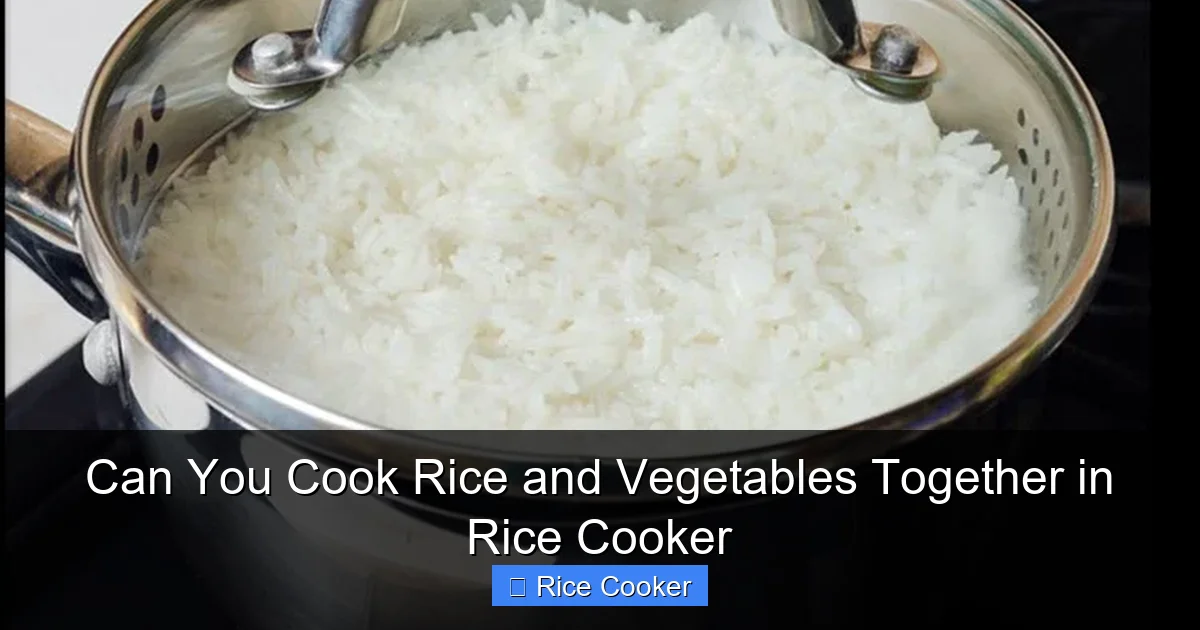
Visual guide about Can You Cook Rice and Vegetables Together in Rice Cooker
Image source: asian-recipe.com
Rice cookers are designed to maintain consistent heat, which means both your rice and veggies get cooked evenly without constant attention. Plus, since everything cooks in the same liquid (usually water or broth), flavors blend naturally, creating a cohesive taste throughout the dish.
Nutritional Benefits of Combined Cooking
Pairing rice with vegetables boosts the nutritional value of your meal. Whole-grain rice provides complex carbs and fiber, while colorful veggies deliver vitamins, minerals, and antioxidants. When cooked together, these components complement each other—for example, vitamin C in bell peppers helps your body absorb iron from brown rice.
You’re also more likely to eat a balanced meal when everything is served together. Studies show that people consume more vegetables when they’re part of a main dish rather than side dishes. So by cooking them together, you’re nudging yourself toward healthier eating habits without extra effort.
Perfect for Meal Prep and Batch Cooking
If you love meal prepping, this method is a lifesaver. Make a big batch of rice-and-veggie bowls at the start of the week, then portion them out for lunches or quick dinners. Leftovers reheat beautifully—just warm them up in the microwave or on the stovetop with a little splash of water to revive moisture.
This approach also works great for feeding families or sharing meals with roommates. One large pot means less waste and consistent quality across servings.
Which Vegetables Work Best in the Rice Cooker?
Hard Vegetables That Need Earlier Cooking
Not all vegetables cook at the same rate. For optimal texture, add harder, denser veggies first—they need more time to soften. Carrots, potatoes, sweet potatoes, and parsnips are excellent choices because they hold their shape well and absorb flavor nicely.
Visual guide about Can You Cook Rice and Vegetables Together in Rice Cooker
Image source: ricecookerjunkie.com
For example, try dicing carrots and Yukon gold potatoes into bite-sized pieces and adding them with the rice. They’ll be fork-tender by the time the rice finishes, creating a hearty, filling base.
Medium-Vegetables for Balanced Texture
Onions, mushrooms, green beans, and zucchini fall into this category. These cook relatively quickly and pair well with most grains. Sautéing them lightly before adding to the cooker can enhance sweetness and depth, but it’s not always necessary.
A classic combo is white onions and baby portobello mushrooms added halfway through cooking. They mingle beautifully with basmati or jasmine rice, giving your dish an earthy aroma and rich mouthfeel.
Delicate Veggies to Add Last
Leafy greens like spinach, kale, and bok choy cook fast and can turn mushy if left too long. To keep them vibrant and nutrient-rich, wait until the last few minutes of cooking to toss them in. Alternatively, stir them in after the rice cooker switches to “warm” mode.
Another tip: blanch leafy greens briefly before adding if you prefer them slightly less wilted. This preserves color and crunch.
Frozen vs. Fresh Vegetables: What’s Better?
Both work! Frozen vegetables are already prepped and blanched, so they cook faster and reduce the risk of uneven doneness. They’re especially handy during off-seasons or when fresh produce isn’t available. Just thaw them slightly before adding to avoid excess steam.
Fresh veggies offer superior texture and flavor for certain dishes—think crisp snap peas or bright cherry tomatoes. If using fresh, chop them uniformly so they cook evenly.
Step-by-Step Guide: How to Cook Rice and Vegetables Together
Gather Your Ingredients
Start with equal parts rice and water (or broth), plus your chosen vegetables. A good rule of thumb is 1 cup rice to 1.5 cups liquid. For every 1 cup of rice, aim for about 1–1.5 cups of chopped vegetables (adjust based on preference).
Common ratios:
- 1 cup jasmine rice + 1.5 cups water + 1 cup mixed veggies
- 1 cup brown rice + 2 cups broth + 1.25 cups chopped carrots, peas, and corn
Don’t forget optional additions like garlic, ginger, or spices to amp up the flavor.
Prepare the Rice and Veggies
Rinse your rice under cold water until the water runs clear—this removes excess starch and prevents gummy textures. Drain well.
Chop vegetables into similar-sized pieces. Uniformity ensures even cooking. If you’re short on time, pre-cut frozen mixes work perfectly.
Layering Strategy for Even Cooking
Place rice at the bottom of the inner pot. Arrange harder vegetables around the edges and over the rice. Softer items go on top or can be added later.
This layering mimics traditional steaming methods and helps distribute heat evenly.
Add Liquid and Seasonings
Pour in your liquid (water, vegetable broth, or coconut milk for creaminess). Season with salt, pepper, soy sauce, or curry powder as desired.
Pro tip: For extra richness, sauté aromatics like minced garlic and grated ginger in oil before adding to the pot. This builds a flavor foundation.
Set the Timer (If Available)
Most modern rice cookers have preset modes like “mixed rice” or “vegetable.” Use those if you have them. Otherwise, stick with the standard “white rice” setting—it usually takes 20–30 minutes depending on the grain type.
Note: Brown rice may need 40–50 minutes due to its higher fiber content.
Let It Rest Before Fluffing
Once cooking completes, let the pot sit covered for 5–10 minutes. This allows residual steam to finish tenderizing any remaining veggies and settles the rice.
Then gently fluff with a fork and stir everything together. This mixes flavors and creates a homogenous dish.
Troubleshooting Common Issues
Rice Stuck to the Bottom
This happens when the rice isn’t properly rinsed or the pot lacks enough liquid. Always rinse thoroughly and measure liquids accurately. Non-stick inner pots help prevent sticking, but proper prep is key.
Solution: Next time, increase liquid by 10% and stir gently halfway through cooking (if your model allows).
Veggies Too Soft or Mushy
Overcooked vegetables lose nutrients and texture. If using leafy greens, add them in the last 2–3 minutes. For root veggies, consider pre-boiling them for 3–5 minutes before adding to the cooker.
Alternative: Switch to a quicker-cooking grain like couscous or orzo, which pairs well with delicate vegetables.
Uneven Doneness
If some veggies are crunchy while others are soft, adjust your prep next time. Cut smaller pieces or choose veggies with similar density. Also, avoid overcrowding the pot—give ingredients room to circulate steam.
Dish Lacks Flavor
Plain water makes bland food. Upgrade to vegetable, chicken, or miso broth. Add umami-rich ingredients like mushrooms, nutritional yeast, or a spoonful of tomato paste.
Herbs and spices should be added early so they infuse the liquid. Avoid fresh herbs until the end unless you want them purely decorative.
Creative Recipe Ideas to Try Today
Asian-Inspired Brown Rice Bowl
Combine 1 cup brown rice, 2 cups low-sodium vegetable broth, 1 cup diced carrots, 1 cup edamame, and 1 sliced red bell pepper. Season with 1 tbsp soy sauce, ½ tsp ginger, and ¼ tsp sesame oil. Cook until tender, then top with crushed peanuts and cilantro.
Mediterranean Quinoa Medley
Use 1 cup quinoa, 2 cups water, 1 cup cherry tomatoes (halved), 1 cup chopped zucchini, and ½ cup chickpeas. Add 1 minced garlic clove, 1 tsp oregano, and olive oil. Finish with lemon juice and feta cheese after cooking.
Mexican Black Beans and Rice
Stir in 1 can black beans (rinsed), 1 diced avocado (added at the end), and 1 cup corn kernels into your white rice recipe. Season with cumin, chili powder, and lime zest. Serve with sour cream and salsa.
Indian-Spiced Pilaf
Toast 1 cup basmati rice with 1 tsp cumin seeds and 1 bay leaf in a dry pan before adding water and chopped cauliflower florets. Simmer until done, then stir in peas and fresh cilantro.
Simple Herb & Vegetable Rice
For beginners: 1 cup white rice, 1.5 cups water, 1 cup broccoli florets, 1 cup peas, 1 tsp dried thyme. Cook as usual. No fancy ingredients—just clean, comforting flavor.
Tips for Maximizing Flavor and Nutrition
Use Broth Instead of Water
Vegetable or chicken broth adds depth without extra calories. You can also use coconut milk for a creamy, tropical twist.
Toast Grains First
Lightly sauté rice in oil or butter before adding liquid enhances nutty flavors and reduces stickiness.
Add Umami Boosters
Mushrooms, soy sauce, miso paste, or nutritional yeast bring savory richness that elevates simple dishes.
Don’t Skip Acid
A squeeze of lemon juice or vinegar at the end brightens flavors and balances richness—especially important with oily grains like arborio.
Include Protein
Throw in canned lentils, tofu cubes, or hard-boiled eggs halfway through cooking to create a full meal.
Store and Reheat Properly
Refrigerate leftovers within two hours. Reheat with a splash of water to restore moisture. Avoid microwaving directly from fridge—let it come to room temp first.
Conclusion: Embrace the Versatility of Your Rice Cooker
Cooking rice and vegetables together in a rice cooker isn’t just convenient—it’s a smart, sustainable way to eat well. With minimal effort, you can create wholesome meals that nourish your body and delight your taste buds. From global flavors to pantry staples, the possibilities are endless.
Remember: prep is your best friend. Chop evenly, respect cooking times, and don’t be afraid to experiment. Your rice cooker is more than a grain-maker—it’s a gateway to effortless, delicious living.
So next time hunger strikes, skip the takeout. Fire up that rice cooker, grab your favorite veggies, and discover why thousands of home cooks swear by this simple technique.
Frequently Asked Questions
Can you put frozen vegetables in the rice cooker with rice?
Yes! Frozen vegetables work great in rice cookers. Just thaw them slightly first to prevent excess water buildup. They’ll cook evenly and save you prep time.
How long does it take to cook rice and vegetables together?
It depends on the grain and vegetables. White rice with soft veggies takes about 20–25 minutes. Brown rice or root vegetables may need 40–50 minutes. Check manufacturer guidelines for your specific model.
Do I need to soak the rice before cooking with vegetables?
No soaking required for most types—just rinse thoroughly. Soaking is optional for certain grains like black rice but not necessary for everyday cooking.
Can I add meat or beans to my rice and vegetable mix?
Absolutely! Add cooked beans, diced chicken, or tofu halfway through cooking. Just ensure meats are fully cooked and reach safe internal temperatures.
Will my rice cooker burn if I add too much liquid?
Too much liquid won’t burn, but it can make the rice soggy. Stick to recommended ratios (usually 1:1.5 rice to liquid). If unsure, start with less and add more later.
Is it safe to leave the rice cooker unattended?
Yes—rice cookers are designed for unattended operation. Once cooking starts, they automatically switch to “warm” mode, so no risk of burning or drying out.