
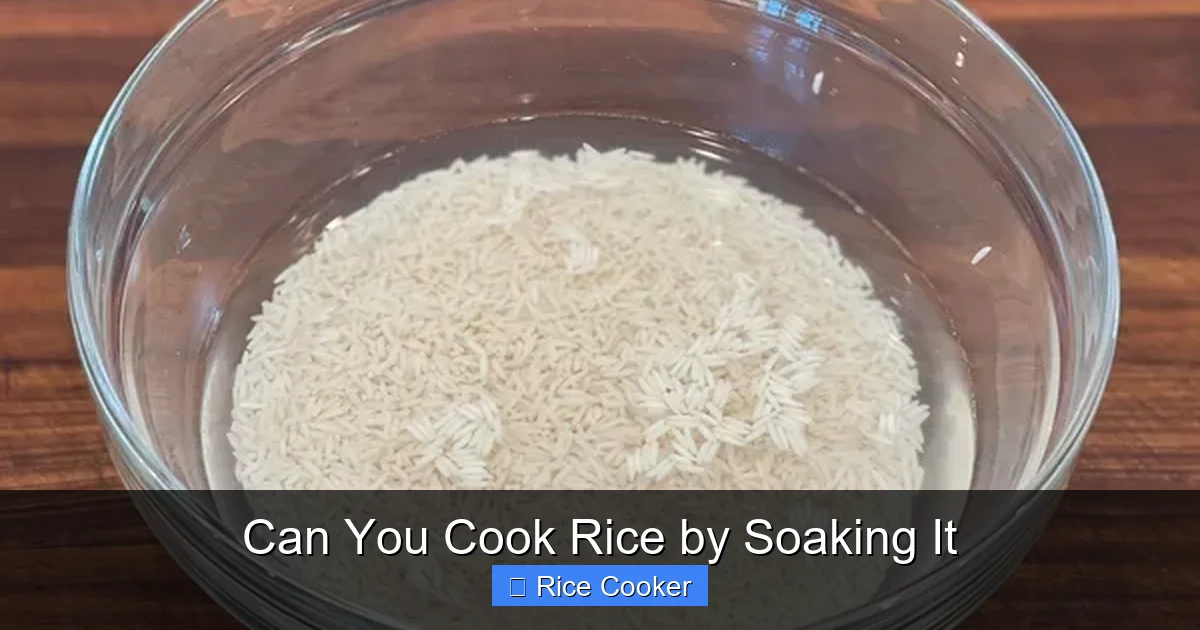
Soaking rice before cooking is not only possible—it’s a game-changer. This simple step can dramatically improve texture, reduce cooking time, and even boost nutrient absorption. Whether you’re using a pot or rice cooker, soaking transforms ordinary grains into fluffy, tender perfection.
# Can You Cook Rice by Soaking It?
Have you ever wondered if soaking rice before cooking makes a real difference? I know I did. Every time I pulled out a pot of mushy, glue-like rice, I questioned my life choices. Then I discovered that soaking isn’t just an optional step—it’s a secret weapon for better-tasting, perfectly cooked rice. And guess what? You can absolutely cook rice by soaking it, whether you’re using a stovetop pot or a rice cooker.
In this article, we’ll dive deep into everything you need to know about soaking rice. We’ll talk about why it works, which rice types benefit most, how long to soak, and how to adjust your cooking method accordingly. By the end, you’ll never boil rice the old way again.
—
## Why Soak Rice Before Cooking?
You might think soaking rice is just a time-wasting myth, but science backs it up. When rice grains sit in water, they begin to rehydrate. This process softens the outer layer of the grain, allowing heat to penetrate more evenly during cooking. The result? Less stirring, fewer burnt spots, and a more uniform texture throughout the pot.
But that’s not all. Soaking also helps remove surface starch, which can make rice gummy if overcooked. Think of it like pre-washing your clothes—removing extra dirt before the wash cycle makes everything cleaner and softer.
And here’s a bonus: soaking can actually make certain nutrients more available to your body. Phytic acid, found in whole grains, binds to minerals like iron and zinc, making them hard to absorb. A good soak helps break down some of that acid, giving your digestive system an easier job.
—
## How Long Should You Soak Rice?
Timing is everything when it comes to soaking rice. Too little, and you won’t see much benefit. Too long, and you risk starting fermentation—especially if left at room temperature.
For most rice types—white, brown, jasmine, basmati—a soak time of **30 minutes to 4 hours** works best. Here’s a quick breakdown:
– **Short-grain rice (like sushi or arborio):** 30–60 minutes
– **Long-grain rice (basmati, jasmine, white long-grain):** 30–90 minutes
– **Brown rice:** 1–4 hours (due to its bran layer)
– **Wild rice:** 2–4 hours
Cold water soaking is fine, but avoid warm water unless specified—heat can activate enzymes that start breaking down the grain too early.
If you’re short on time, even a 15-minute soak will help. But don’t skip it entirely if you want consistent results.
—
## Does Soaking Work With All Types of Rice?
Yes—but some benefit more than others. Let’s go through the most common varieties:
### White Rice
White rice has been polished to remove the bran and germ, so it doesn’t need as long a soak as brown rice. Still, soaking improves texture and reduces stickiness. Perfect for stir-fries or fried rice where you want distinct grains.
### Brown Rice
Because brown rice retains its bran layer, it’s denser and takes longer to cook. Soaking helps soften that outer layer, cutting down cook time by 10–15 minutes and improving digestibility. Aim for 1–4 hours.
### Jasmine Rice
Known for its floral aroma and slightly sticky texture, jasmine rice becomes even more fragrant after soaking. It also separates better when cooked, making it ideal for dishes like Thai jasmine rice or rice salads.
### Basmati Rice
This long-grain staple from India and Pakistan is prized for its light, fluffy texture when properly cooked. Soaking removes excess starch and helps elongate the grains during cooking—resulting in the signature separation that makes basmati so special.
### Wild Rice
Technically a grass seed, not a true rice, wild rice is nutty, chewy, and takes forever to cook. Soaking helps it absorb water faster and cook more evenly. Give it 2–4 hours for best results.
### Sushi Rice
Made from short-grain rice, sushi rice benefits greatly from soaking. It ensures even absorption of the tangy sushi vinegar mixture later on, preventing dry or mushy grains.
—
## Step-by-Step Guide: How to Soak and Cook Rice
Ready to give it a try? Follow these simple steps for foolproof results:
### Step 1: Measure and Rinse
Measure your rice and rinse it under cold running water until the water runs clear. This removes surface starch and any dust.
### Step 2: Place in a Bowl
Transfer rinsed rice to a large bowl. Add enough water to fully cover the rice by about 2 inches.
### Step 3: Soak
Let it soak for the recommended time based on rice type. Keep the bowl covered if soaking longer than 1 hour to prevent contamination.
### Step 4: Drain and Dry (Optional)
After soaking, drain the water and let the rice sit at room temperature for 5–10 minutes. Gently pat off excess moisture with a paper towel. This helps prevent clumping during cooking.
### Step 5: Cook
Now you’re ready to cook! Use your preferred method—stovetop, rice cooker, or Instant Pot. Adjust water slightly downward (usually by 1–2 tablespoons per cup of rice) since soaked rice absorbs water faster.
—
## Soaking vs. Not Soaking: What’s the Difference?
Let’s compare soaked vs. unsoaked rice side by side.
| Feature | Unsoaked Rice | Soaked Rice |
|———————–|————————|————————–|
| Cook Time | Longer | Shorter |
| Texture | Tends to be gummy | Fluffy, less sticky |
| Water Ratio Needed | Standard (1:2 for white)| Slightly less water |
| Nutrient Availability | Lower (phytic acid intact)| Higher (partial breakdown) |
| Grain Separation | Poor | Excellent (especially long-grain) |
As you can see, soaking changes the game. Even if you’re in a hurry, a quick 15-minute soak can save you from another batch of mush.
—
## Can You Use a Rice Cooker With Soaked Rice?
Absolutely! In fact, many rice cookers are designed to work beautifully with pre-soaked rice. Just remember a few tips:
– **Drain well:** Excess water can throw off the internal sensor.
– **Adjust timer:** Some models have a “quick cook” setting—use that instead of regular.
– **Check consistency:** Open the lid halfway through to ensure it’s not boiling over.
Most electric rice cookers handle soaked rice just fine. Just avoid overfilling—soaked rice expands slightly during cooking.
—
## Common Mistakes When Soaking Rice
Even experts mess up sometimes. Here are the top mistakes to avoid:
– **Skipping rinsing:** Always rinse first—it removes starches that cause stickiness.
– **Over-soaking:** More than 12 hours risks bacterial growth.
– **Using hot water:** Can cook the rice partially before you even start.
– **Not draining:** Leftover water leads to soggy rice.
– **Ignoring rice type:** Brown rice needs longer than white rice.
—
## Benefits Beyond Better Texture
Soaking rice isn’t just about taste. There are hidden perks:
### Faster Cooking Times
Soaked rice cooks up to 25% faster because the grains are already hydrated.
### Reduced Phytic Acid
Breaking down phytic acid improves mineral absorption—great for people with iron or zinc deficiencies.
### Easier Digestion
Softened grains are gentler on the stomach, especially helpful for those with sensitive systems.
### Eco-Friendly Choice
Less energy used = lower carbon footprint. Win-win!
—
## Tips for Perfect Soaked Rice Every Time
Want consistent results? Try these pro tips:
– **Use a wide bowl:** Allows rice to expand without overflowing.
– **Cover while soaking:** Prevents evaporation and keeps rice clean.
– **Stir once halfway through:** Ensures even hydration.
– **Cook immediately after soaking:** Don’t wait overnight unless refrigerated.
– **Experiment with salt:** Add a pinch to the soaking water for flavor infusion.
—
## FAQs
How long can I soak rice in the fridge?
You can soak rice in the refrigerator for up to 4 hours safely. Avoid leaving it longer than 8 hours unless stored below 40°F (4°C) and consumed within 24 hours.
Can I soak rice overnight?
It’s not recommended. Overnight soaking increases the risk of fermentation or spoilage. If you must, keep it refrigerated and cook within 24 hours.
Do I need to soak brown rice?
Yes! Brown rice benefits greatly from soaking due to its fibrous bran layer. Aim for 1–4 hours to soften it and reduce cook time.
Will soaking make rice less sticky?
Absolutely. Soaking helps remove surface starch, leading to less clumping and more separated grains—especially with long-grain varieties.
Can I reuse soaking water?
No. The soaking water contains removed starches and impurities. Discard it after use to maintain clean cooking conditions.
Is soaking necessary for instant rice?
No. Instant rice is pre-cooked and dehydrated—soaking isn’t needed and may ruin its texture.
—
## Final Thoughts
Soaking rice isn’t just a trick—it’s a proven technique backed by science and centuries of culinary tradition. Whether you’re aiming for fluffy basmati, chewy brown rice, or fragrant jasmine, a proper soak makes all the difference.
Next time you reach for a bag of rice, take a moment to rinse and soak it. Your future self—and your taste buds—will thank you.
And remember: even if you’re using a rice cooker, the benefits of soaking still apply. So go ahead, give it a try. You might just become a convert.
Key Takeaways
- Soaking reduces cooking time: Hydrating rice ahead of time softens the grain and speeds up the cooking process, saving energy and time.
- Improved texture and fluffiness: Soaked rice tends to be less sticky and more separated, especially with long-grain varieties like basmati or jasmine.
- Nutrient absorption increases: Soaking helps break down phytic acid, making minerals like iron and zinc easier for your body to absorb.
- Better water-to-rice ratio: Pre-soaked rice often needs slightly less water than unsoaked rice, reducing mushiness.
- Works with all rice types: From white rice to brown rice and wild rice, soaking benefits nearly every variety when done correctly.
- Not just for pots—works in rice cookers: Most modern rice cookers handle soaked rice perfectly, though timing may need adjustment.
- Don’t overdo it: Soaking longer than 12 hours can lead to fermentation; 30 minutes to 4 hours is ideal for most rice.
Frequently Asked Questions
What is can you cook rice by soaking it?
can you cook rice by soaking it is an important topic with many practical applications.