
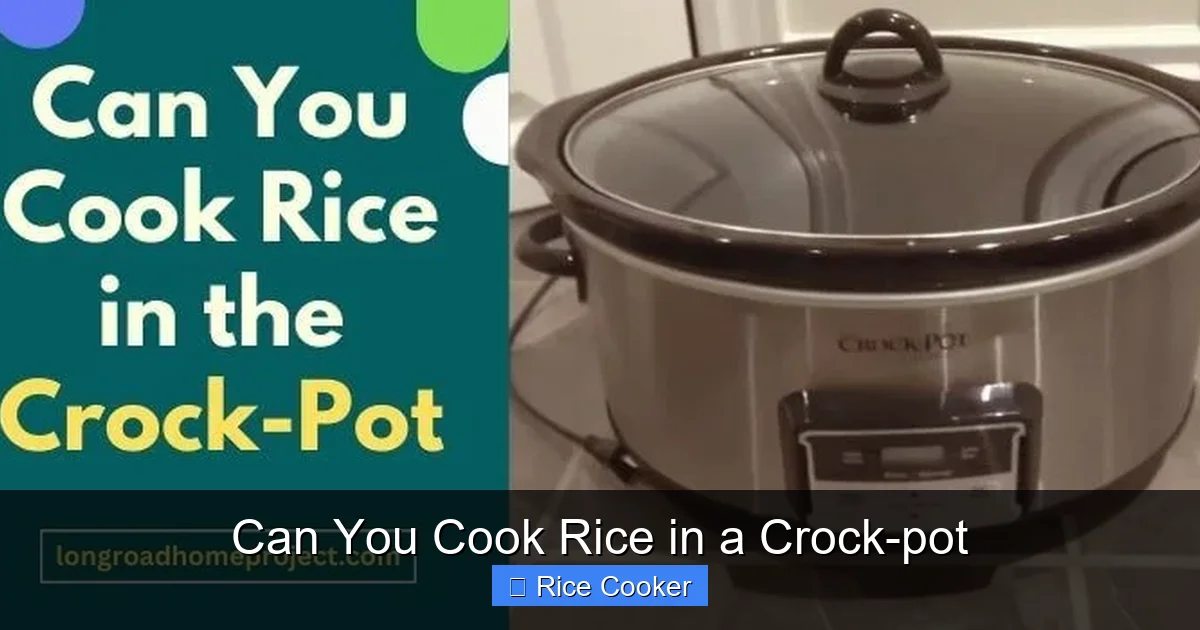
Yes, you can absolutely cook rice in a crock-pot, but it requires the right technique and timing. While not as precise as a rice cooker, a slow cooker can produce delicious, tender rice with minimal effort. With the correct rice-to-water ratio and a few helpful tips, your crock-pot can become your new go-to kitchen tool for one-pot meals.
Key Takeaways
- You can cook rice in a crock-pot—but it’s important to use the right type of rice (like long-grain white or brown) and maintain the correct water ratio (usually 2:1 water to rice).
- Use the “Cook” setting, not “Warm”—rice must reach full internal temperature to cook properly; the warm setting isn’t sufficient.
- Don’t lift the lid during cooking—opening the pot disrupts heat and steam, leading to uneven cooking or mushy rice.
- Rinse your rice beforehand—this removes excess starch and helps prevent clumping, especially with white rice.
- Let it rest after cooking—after turning off the crock-pot, cover it and let the rice sit for 10–15 minutes to finish steaming and firm up.
- Experiment with flavors—add herbs, broth instead of water, or a splash of oil for extra taste and texture.
- Clean-up is easy—most crock-pots are non-stick and dishwasher-safe, making them convenient for busy weeknights.
Quick Answers to Common Questions
Can I cook brown rice in a crock-pot?
Yes, but it requires more liquid and longer cooking time—typically 4 to 5 hours on low. Make sure the rice is fully tender before serving.
Do I need to rinse the rice before cooking?
Yes, especially for white rice. Rinsing removes excess starch and prevents gummy or clumpy results.
Can I leave rice in the crock-pot overnight?
It’s not recommended. Once rice is cooked, bacteria can grow if left at room temperature for too long. Cook fresh and eat promptly.
Is it okay to stir the rice while it’s cooking?
Most crock-pots aren’t designed for stirring, and opening the lid releases steam, which slows cooking. If your model allows it, stir gently once halfway through.
Can I add vegetables or meat to the rice while it cooks?
Absolutely! Layer ingredients like carrots, peas, chicken, or sausage for a complete meal. Just adjust cooking time as needed.
📑 Table of Contents
- Can You Cook Rice in a Crock-pot?
- The Basics: Can a Crock-Pot Actually Cook Rice?
- Step-by-Step Guide: How to Cook Rice in a Crock-Pot
- Troubleshooting Common Issues
- Creative Ways to Use Your Crock-Pot Rice
- Tips for Success Every Time
- How Does This Compare to a Rice Cooker?
- Final Thoughts: Is It Worth It?
Can You Cook Rice in a Crock-pot?
If you’re like most home cooks, you probably have a crock-pot sitting on your counter—maybe even gathering dust because you’re not sure what to make with it beyond basic stews and soups. But here’s a secret: you can cook rice in a crock-pot. Yes, that versatile kitchen appliance you love for pulled pork and chili can also be your go-to for fluffy, perfectly cooked grains. It might not be as fast or foolproof as a dedicated rice cooker, but with a little know-how, your slow cooker can deliver consistent results.
Before we dive into the how-tos, let’s address the elephant in the room: why would you want to do this? Well, sometimes life gets busy. You’re meal prepping for the week, and you need a hands-off method. Or maybe you just don’t own a rice cooker (and who has space for another appliance, anyway?). A crock-pot offers a low-effort solution that still yields satisfying results. Plus, cooking rice in a slow cooker means you can combine it with other ingredients—think chicken and rice, veggies and quinoa, or even a hearty jambalaya. The possibilities are endless when you think outside the box (and out of the rice cooker).
The Basics: Can a Crock-Pot Actually Cook Rice?
Short answer? Yes, absolutely. A crock-pot works by gently heating food over several hours, allowing moisture to slowly convert starches into soft, digestible grains. Rice is essentially seeds that absorb water and expand when heated—perfect for the slow, steady environment of a slow cooker. Unlike a stovetop, where you need constant attention and flipping, the crock-pot does most of the work for you.
Visual guide about Can You Cook Rice in a Crock-pot
Image source: restlesschipotle.com
Why People Think It Doesn’t Work
Many people assume that rice needs high, direct heat—like boiling water on the stove—to cook properly. That’s true for stovetop methods, but the crock-pot uses a different approach. Instead of rapid boiling, it relies on gentle, sustained heat to coax the rice from raw grain to fluffy bite. This method prevents scorching and ensures even cooking throughout.
What Kind of Rice Works Best?
Not all rice is created equal when it comes to slow cooking. For best results, stick to:
- Long-grain white rice—it absorbs liquid evenly and doesn’t turn mushy
- Basmati or jasmine rice—great for aromatic dishes
- Brown rice—requires more liquid and longer cooking time (about 4–5 hours on low)
- Avoid short-grain or sticky rice varieties, which tend to clump in slow cookers
White rice is your safest bet if you’re trying this for the first time. Brown rice takes patience—it’s higher in fiber and takes longer to soften, so plan accordingly.
Step-by-Step Guide: How to Cook Rice in a Crock-Pot
Ready to give it a try? Follow these simple steps for foolproof rice every time.
Visual guide about Can You Cook Rice in a Crock-pot
Image source: recipes.net
Gather Your Ingredients
- 1 cup uncooked rice (long-grain white recommended)
- 2 cups water (or broth for extra flavor)
- Optional: pinch of salt, 1 tablespoon butter or oil, garlic powder, onion powder
Prepare the Rice
Start by rinsing your rice under cold water in a fine-mesh strainer. This removes surface starch, which can make rice gummy. Swirl it around gently until the water runs clear—about 30 seconds to 1 minute. Don’t skip this step, especially with white rice.
Add Everything to the Crock-Pot
Place the rinsed rice into your slow cooker insert. Pour in the water (or broth), add any seasonings, and stir once. Make sure the liquid covers the rice by about an inch—this helps ensure even cooking.
Cook on Low for 2 Hours (Or High for 1 Hour)
Set your crock-pot to the “Low” setting and cook for 2 hours. If you’re in a hurry, you can use the “High” setting for about 1 hour, but low and slow usually gives better texture. Avoid the “Warm” setting—it won’t generate enough heat to finish cooking the rice.
Check for Doneness
After the timer goes off, check the rice. It should be tender and fully absorbed. If it’s still crunchy, cover and cook for another 15–30 minutes. Be patient—don’t peek too early!
Let It Rest
This is a crucial step. Once done, turn off the crock-pot, cover the lid tightly, and let the rice sit for 10–15 minutes. This allows the remaining steam to finish softening the grains and firms up the texture. Then fluff with a fork before serving.
Troubleshooting Common Issues
Even with the best intentions, things don’t always go perfectly. Here’s how to fix common problems.
Mushy or Sticky Rice
This usually happens when there’s too much water or the rice is overcooked. Try reducing the water to 1.5 cups per 1 cup of rice next time. Also, avoid lifting the lid frequently, as this releases steam and slows cooking.
Undercooked or Gummy Rice
If your rice is still hard in the center, it may not have reached the right temperature. Always use the “Cook” setting—not “Warm.” Also, make sure your crock-pot isn’t overcrowded; give the rice room to breathe.
Rice at the Bottom Burns
This is rare but possible if the bottom layer dries out. To prevent it, add a splash of water or broth halfway through cooking. Stirring occasionally (if safe for your model) can help, but many crock-pots aren’t meant for stirring.
Creative Ways to Use Your Crock-Pot Rice
Cooking rice in a crock-pot isn’t just about plain white rice. Get creative and turn it into a complete meal.
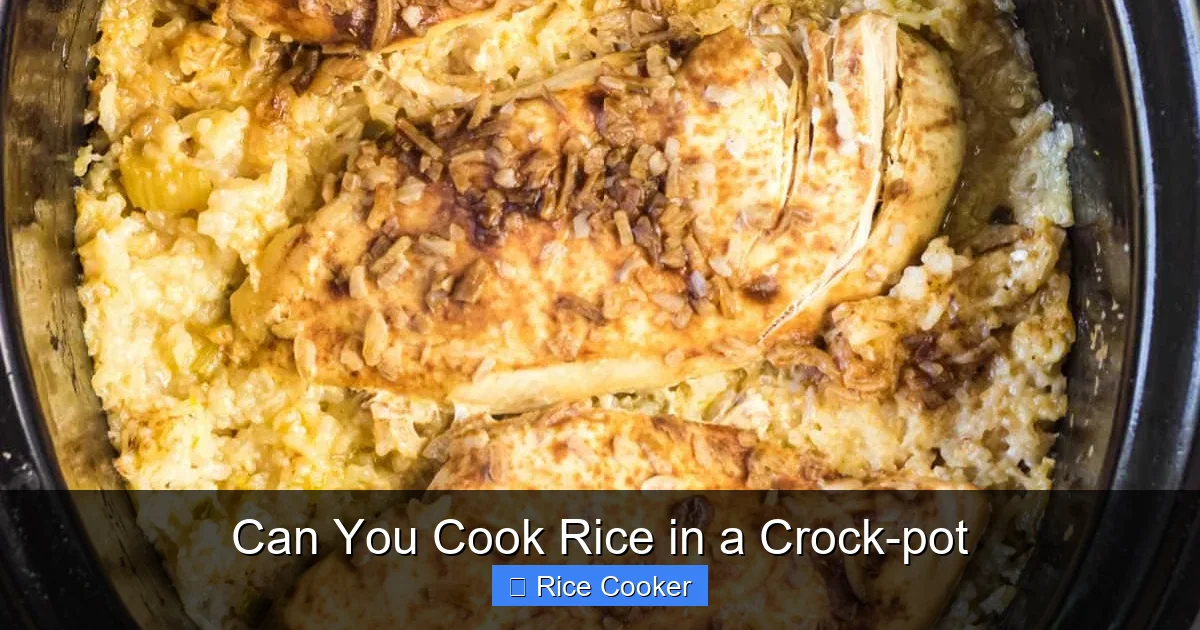
Chicken and Rice Casserole
Brown chicken thighs in a bit of oil, then transfer to the crock-pot. Add rice, chicken broth, diced carrots, celery, and a bay leaf. Cook on low for 4–5 hours until everything is tender and fragrant. Serve with a sprinkle of parsley.
Mexican Rice
Sauté onions and garlic in the crock-pot (if it has a sauté function), then add rice, tomato sauce, cumin, and a bit of oregano. Cover with broth and cook on low for 2 hours. Top with black beans and avocado for a full Mexican feast.
Vegetable Fried Rice
Skip the wok! Cook rice in the crock-pot, then stir in frozen peas, carrots, soy sauce, scrambled egg, and diced bell peppers. Heat through on high for 20 minutes. Perfect for leftovers.
Biryani-Inspired Rice
Layer rice with marinated chicken or lamb, yogurt, saffron, and whole spices like cardamom and cinnamon. Slow-cook on low for 3–4 hours for an authentic, aromatic dish.
Tips for Success Every Time
Want consistently great results? Keep these pro tips in mind.
- Measure carefully—use a dry measuring cup for rice and liquid for accuracy.
- Don’t rinse brown rice—it has natural oils that help it cook better, unlike white rice.
- Use broth instead of water—it adds deep flavor, especially in savory dishes.
- Try adding a pat of butter—it keeps rice moist and separates the grains.
- Invest in a timer—so you don’t forget about it while it’s cooking.
How Does This Compare to a Rice Cooker?
So, should you ditch your rice cooker and switch to a crock-pot? Not necessarily. Each has its strengths.
| Feature | Crock-Pot | Rice Cooker |
|---|---|---|
| Speed | Slower (1–4 hours) | Faster (20–40 minutes) |
| Precision | Less precise | Very precise (auto shut-off) |
| Multi-function | Yes (meals, soups, etc.) | Usually just rice |
| Cleanup | Easy (non-stick, dishwasher-safe) | Easy (often removable parts) |
In short: use a rice cooker for quick, perfect rice every time. Use a crock-pot when you want a hands-off, multi-course meal. They complement each other—not replace each other.
Final Thoughts: Is It Worth It?
Absolutely. Learning to cook rice in a crock-pot expands your culinary horizons without requiring extra gadgets or complicated steps. It’s ideal for busy parents, college students, or anyone who loves one-pot meals. The key is understanding the process and being patient with the timing. With practice, you’ll develop a feel for when your rice is ready—no thermometer required.
And remember: even if your first batch isn’t perfect, you’ll learn something new. Cooking is about experimentation, and mastering rice in a slow cooker is a small but rewarding milestone. So go ahead—grab that crock-pot, measure out your rice, and let the magic begin.
Frequently Asked Questions
How much water do I use for 1 cup of rice in a crock-pot?
Use 2 cups of water for every 1 cup of uncooked long-grain white rice. Adjust slightly based on your rice type and preferred consistency.
Why is my rice still hard after cooking?
Hard rice usually means it didn’t reach full temperature. Always use the “Cook” setting, not “Warm,” and allow extra cooking time if needed.
Can I cook instant rice in a crock-pot?
Yes, but it cooks faster—usually 30–60 minutes on high. Watch closely, as instant rice can become mushy if overcooked.
What’s the best way to store leftover crock-pot rice?
Store in an airtight container in the refrigerator for up to 5 days. Reheat gently on the stove or microwave with a splash of water to restore moisture.
Can I cook jasmine or basmati rice in a crock-pot?
Yes! Both are excellent choices. They release a lovely aroma and have a light, fluffy texture when cooked slowly in a crock-pot.
Do I need to soak the rice before cooking?
Soaking isn’t necessary for most rice types, including white and brown. It can help reduce cooking time slightly, but it’s optional.