
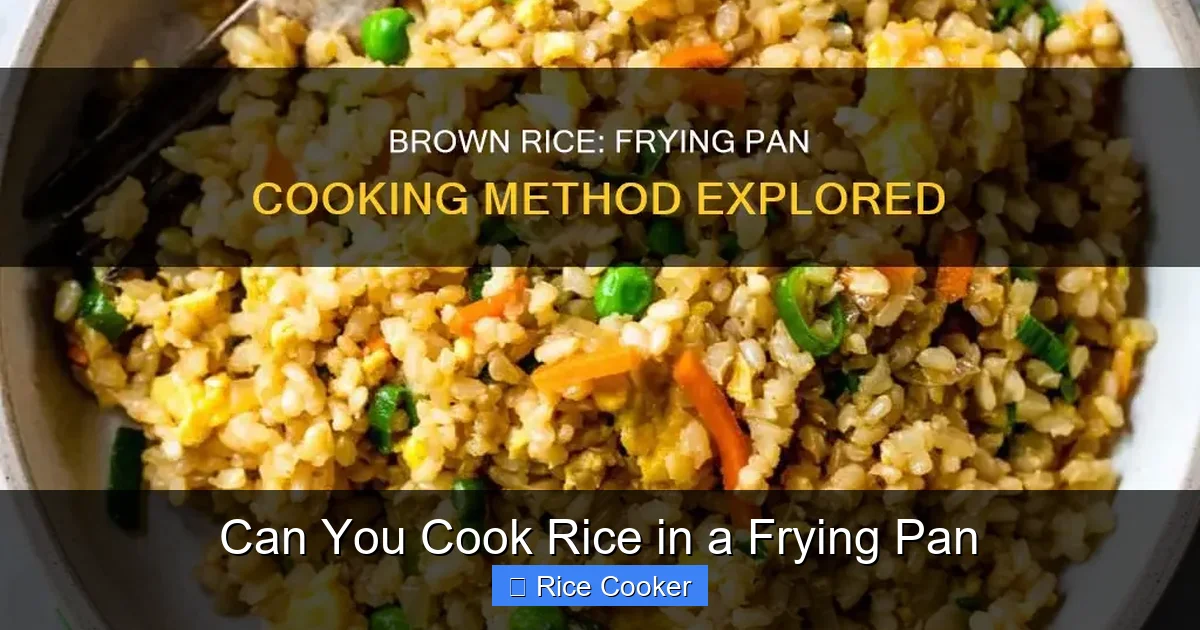
Can you cook rice in a frying pan? Absolutely! With the right technique, you can make perfectly cooked rice using just a skillet. Whether you’re out of your rice cooker or prefer stovetop cooking, this method delivers fluffy, flavorful results. It’s quick, convenient, and uses common kitchen tools.
Key Takeaways
- Rice can be cooked in a frying pan using a simple stovetop method that requires only basic ingredients and tools.
- It’s ideal when your rice cooker is unavailable or for those who enjoy hands-on cooking over automated appliances.
- The key to success lies in water ratio and heat control—too much water leads to mushy rice; too little results in undercooked grains.
- A tight-fitting lid and steam release are essential to trap moisture and allow proper steaming.
- Different rice types may need adjustments, such as jasmine, basmati, or brown rice, each with unique absorption rates.
- Adding seasonings during cooking enhances flavor, allowing spices, herbs, or broth to infuse into every grain.
- Resting the rice after cooking helps separate grains and improves texture before serving.
[FEATURED_IMAGE_PLACEHOLDER]
Can You Cook Rice in a Frying Pan? Yes — and Here’s How!
Have you ever been in the middle of making dinner, ready to whip up a batch of perfectly fluffy rice, only to realize your rice cooker isn’t working? Or maybe you’re just curious whether you can skip the appliance altogether and cook rice directly in your trusty frying pan. The good news? Yes, you absolutely can cook rice in a frying pan.
While rice cookers are fantastic for their convenience and precision, a well-made pot of rice on the stovetop—especially in a heavy-bottomed frying pan with a tight-fitting lid—can deliver equally satisfying results. In fact, many home cooks prefer the stovetop method because it gives them more control over heat and timing. Plus, it’s a great backup option when your favorite appliance breaks down or is occupied by something else (like soup).
In this comprehensive guide, we’ll walk you through everything you need to know about cooking rice in a frying pan. From choosing the right type of rice and measuring water correctly to mastering heat levels and resting techniques, we’ve got you covered. Whether you’re preparing a weeknight dinner, meal prepping, or experimenting with new recipes, learning how to cook rice in a pan opens up a world of culinary flexibility.
Why Choose a Frying Pan Over a Rice Cooker?
You might wonder: if a rice cooker exists, why bother with a frying pan? While rice cookers are excellent for consistent, foolproof results, there are several reasons people still turn to the stovetop method:
- No electricity needed: If the power goes out, your rice cooker becomes useless—but a frying pan on the stove still works.
- More control: You can adjust heat levels, stir occasionally, and monitor progress closely.
- Multi-purpose use: A frying pan can also sauté vegetables, sear proteins, or even boil pasta—making it a versatile tool in your kitchen arsenal.
- Faster cleanup: Some people find that using one pan instead of two (rice cooker + serving bowl) simplifies post-meal washing.
- Customizable textures: Stovetop cooking allows for techniques like “absorption method” or “dumpling-style” rice, which aren’t possible with most rice cookers.
That said, it’s important to note that cooking rice in a frying pan does require a bit more attention than simply pressing a button. But with practice, you’ll develop an intuitive sense of when your rice is done—and the results will impress everyone at the table.
Choosing the Right Frying Pan
Not all frying pans are created equal when it comes to cooking rice. To get the best results, consider these features:
Material Matters
Stainless steel: Durable and non-reactive, but can warp if overheated. Look for thick-gauge stainless steel for even heat distribution.
Cast iron: Retains heat beautifully and distributes it evenly—ideal for maintaining steady simmering temperatures. However, it’s heavy and requires seasoning care.
Nonstick coating: Great for easy cleanup and gentle handling of delicate grains. Just avoid high heat to prevent coating damage.
Aluminum or copper core: Excellent heat conductors, especially useful for preventing hot spots that could burn rice.
Size and Depth
A 10- to 12-inch frying pan with at least 2 inches of depth works best. Too shallow, and your rice might boil over; too deep, and you’ll waste space and energy.
Lid Compatibility
Your pan must have a snug-fitting lid to trap steam. Glass lids are helpful so you can monitor color and texture without lifting the cover repeatedly.
If your frying pan doesn’t come with a lid, consider investing in a compatible one or using a large plate or foil tent to seal the top.
Types of Rice Best Suited for Pan Cooking
Most white rice varieties work well in a frying pan, though some respond better than others. Here’s a breakdown:
Long-Grain White Rice (e.g., Jasmine, Basmati)
These absorb water efficiently and yield light, fluffy grains—perfect for pilafs, stir-fries, or side dishes. Jasmine rice, in particular, has a fragrant aroma that intensifies with proper steaming.
Medium-Grain Rice (e.g., Calrose)
Slightly stickier than long-grain, medium-grain rice is great for risotto-like textures or dishes where you want a softer bite. It holds up well to gentle stirring.
Brown Rice
Higher in fiber and nutrients, brown rice takes longer to cook and requires more water. It can be trickier in a pan due to its texture, but with patience, it turns out tender and nutty.
Instant Rice
Though designed for microwave use, instant rice can also be cooked in a frying pan using reduced liquid and shorter cooking times. It’s a time-saver for last-minute meals.
Avoid Short-Grain or Glutinous Rice
These are meant to be sticky or chewy (like sushi rice), and they tend to clump in a frying pan unless stirred constantly. A dedicated pot or rice cooker is usually better suited for them.
The Basic Method: Step-by-Step Guide
Cooking rice in a frying pan is simpler than it seems. Follow this tried-and-true method for foolproof results:
Ingredients & Tools
- 1 cup raw rice (white or brown)
- Water (ratio depends on rice type—see below)
- Pinch of salt (optional)
- Butter or oil (optional, for added richness)
- Heavy-bottomed frying pan (10–12 inch)
- Tight-fitting lid
- Fine-mesh strainer (for rinsing)
- Wooden spoon or spatula
Step 1: Rinse the Rice
Rinsing removes excess starch and prevents gumminess. Place rice in a fine-mesh strainer and rinse under cold running water until the water runs clear (about 30 seconds for white rice; 1–2 minutes for brown rice).
Step 2: Measure Water Accurately
Use this general guideline:
- White rice: 1.5 cups water per 1 cup rice
- Brown rice: 1.75–2 cups water per 1 cup rice
- Jasmine rice: 1.25 cups water per 1 cup rice (slightly less due to stickiness)
Adjust slightly based on altitude and desired consistency—higher elevations may require more water.
Step 3: Combine Rice, Water, and Seasonings
Add rinsed rice, water, salt (if using), and a teaspoon of butter or oil to the frying pan. Stir once to combine.
Step 4: Bring to a Boil
Place the pan over high heat and bring the mixture to a rolling boil. Stir briefly to prevent sticking.
Step 5: Reduce Heat and Simmer
Once boiling, reduce heat to low-medium. Cover the pan tightly with the lid. Let the rice simmer undisturbed for:
- White rice: 15–18 minutes
- Brown rice: 30–40 minutes
- Jasmine rice: 12–15 minutes
Step 6: Rest and Fluff
Turn off the heat and let the rice sit, covered, for 5–10 minutes. This allows residual steam to finish cooking the rice evenly and separates the grains. After resting, fluff gently with a fork.
Pro Tips for Perfect Pan-Roasted Rice
Even experienced cooks can improve their rice game with these insider tips:
Preheat the Pan
Lightly warming the dry frying pan before adding rice helps create a subtle crust (like risotto) without burning. Swirl in a teaspoon of oil first, then add rice and water.
Don’t Lift the Lid
Resist the urge to peek! Every time you lift the lid, heat escapes, slowing down the cooking process. Trust the timer and visual cues (steam stops rising = done).
Use a Thermometer for Precision
For brown rice especially, aim for a final internal temperature of 190°F (88°C). Insert a probe thermometer into the center—no guesswork needed.
Fluff Before Serving
Use a fork to gently aerate the rice. This breaks up clumps and releases trapped steam, giving you lighter, fluffier grains.
Add Flavor During Cooking
Instead of plain water, try:
- Chicken or vegetable broth
- Diced onions or garlic (sautéed briefly before adding rice)
- Bay leaves, cumin seeds, or lemon zest
- A splash of soy sauce or fish sauce for umami
Store Leftovers Properly
Cool cooked rice quickly, store in an airtight container, and refrigerate within 2 hours. Reheat with a splash of water to restore moisture.
Troubleshooting Common Issues
Even with careful preparation, things don’t always go smoothly. Here’s how to fix common problems:
Rice Is Too Dry or Crunchy
This usually means not enough water or too high heat. Next time, increase water slightly and ensure the pan stays at a gentle simmer—not a hard boil.
Rice Is Mushy or Sticky
Overcooked or excessive water causes this. Use a lower water ratio and check doneness earlier. Avoid stirring during the last 5 minutes of cooking.
Rice Burns on the Bottom
Hot spots in cheap pans cause scorching. Use medium-low heat and stir occasionally during the first few minutes. A thin layer of oil helps prevent adhesion.
Grains Stick Together
This happens if you stir too much or rice isn’t rinsed properly. Minimize movement after boiling, and always rinse before cooking.
Creative Ways to Use Pan-Cooked Rice
Once you master the basics, the possibilities expand. Try these delicious variations:
Rice Pilaf
Sauté diced onions, carrots, and celery in the pan before adding rice and broth. Cook until fragrant, then proceed with standard method.
Mexican Street Corn Rice
Add corn kernels, chili powder, cilantro, and a squeeze of lime juice during the last 5 minutes of cooking.
Fried Rice Base
Cook rice a day ahead, chill overnight, then fry with scrambled eggs, peas, and soy sauce for a quick stir-fry.
Dirty Rice
Brown ground meat in the same pan, deglaze with stock, then mix in rice and continue cooking until fully absorbed.
How Does Pan-Cooked Rice Compare to Rice Cooker Results?
| Aspect | Frying Pan | Rice Cooker |
|---|---|---|
| Convenience | Moderate (requires monitoring) | High (set and forget) |
| Texture Control | High (manual adjustment) | Low (fixed settings) |
| Energy Use | Lower (short cooking time) | Higher (longer cycle) |
| Multi-Tasking | Difficult (single pan) | Easy (free up stovetop) |
| Best For | Small batches, flavored rice, backups | Large quantities, consistent sides |
Ultimately, both methods produce excellent rice—just different experiences. Many chefs use both depending on mood and circumstances.
Final Thoughts: Embrace the Versatility
Cooking rice in a frying pan isn’t just a backup plan—it’s a skill that empowers you to adapt in real time. No more waiting for your rice cooker to finish while your guests arrive hungry. With a few simple steps and attention to detail, you’ll soon be whipping up restaurant-quality rice right from your own kitchen.
Remember: practice makes perfect. Don’t be discouraged if your first attempt isn’t flawless. Taste, adjust, and refine. Soon, you’ll have a go-to technique that works for any dish, any day.
So next time you’re wondering, “Can you cook rice in a frying pan?”—the answer is a confident yes. Grab that skillet, measure your ingredients, and let the steaming begin!
What’s the best type of frying pan for cooking rice?
A heavy-bottomed 10–12 inch pan with a tight-fitting lid works best. Materials like stainless steel, cast iron, or aluminum with even heat distribution are ideal.
Do I need to rinse the rice before cooking in a pan?
Yes, rinsing removes excess starch and prevents sticky, gummy rice. Rinse until the water runs clear.
Can I cook brown rice in a frying pan?
Absolutely. Brown rice needs more water and longer cooking time—about 1.75–2 cups of water per cup of rice, simmered for 30–40 minutes.
How do I keep rice from sticking to the pan?
Use a nonstick pan, add a bit of oil or butter, avoid over-stirring, and ensure the bottom isn’t scorched from high heat.
Can I add flavors like garlic or herbs while cooking?
Yes! Sauté aromatics like garlic, onion, or bay leaves briefly before adding rice and water. They infuse delicious flavor into every grain.
Is it okay to open the lid while cooking?
Try to avoid it. Opening the lid lets steam escape, which slows cooking. If necessary, only lift briefly and return quickly.
This is a comprehensive guide about can you cook rice in a frying pan.
Key Takeaways
- Understanding can you cook rice in a frying pan: Provides essential knowledge
Frequently Asked Questions
What is can you cook rice in a frying pan?
can you cook rice in a frying pan is an important topic with many practical applications.