
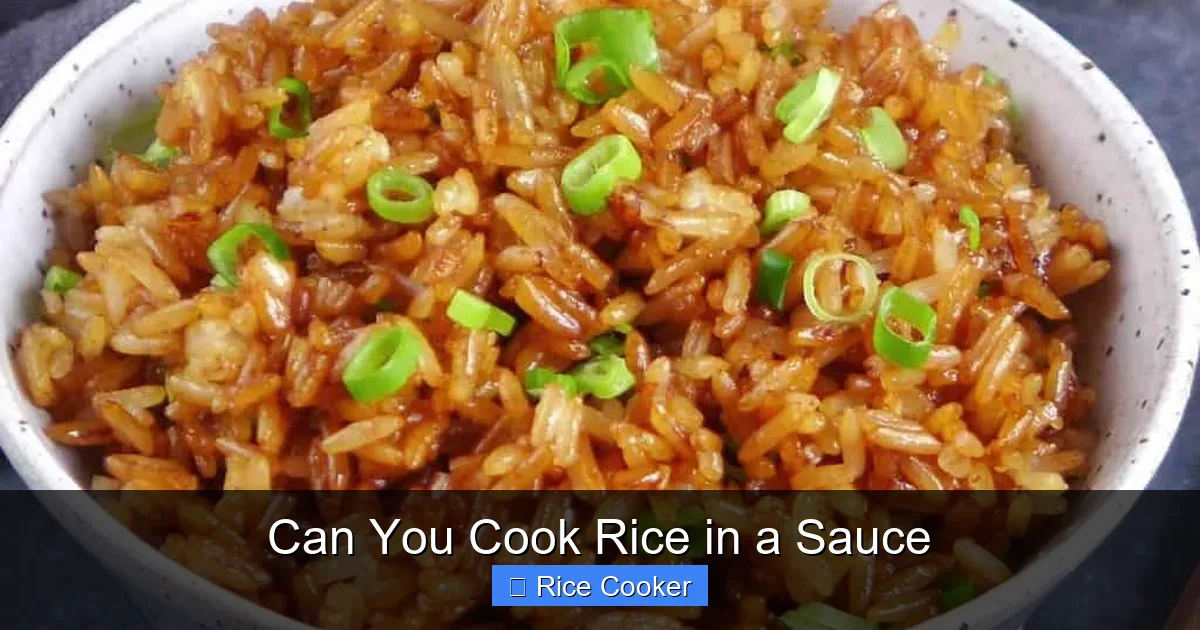
Yes, you absolutely can cook rice in a sauce—and it’s a game-changer for flavorful, hands-off meals. By using the right liquid-to-rice ratio and cooking method, you can achieve perfectly cooked grains without a separate pot. Whether you’re using a rice cooker or stovetop, this technique adds depth and convenience to dishes like risotto, biryani, or jambalaya.
Key Takeaways
- Cooking rice in a sauce is possible: It works best when the sauce provides consistent moisture and heat distribution.
- Use a rice cooker: A rice cooker simplifies the process with automatic shutoff and even heating.
- Maintain proper ratios: A general rule is 1 cup of rice to 2 cups of liquid (sauce included).
- Flavor infusion is enhanced: Cooking rice directly in seasoned sauces creates richer, more cohesive flavors.
- Suitable for many cuisines: From Italian risotto to Indian biryani, this method suits diverse global dishes.
- Monitor consistency: Stir occasionally and adjust thickness if needed to prevent sticking or drying out.
- Experiment with textures: Adjust cooking time to achieve creamy, fluffy, or firm results based on your preference.
[FEATURED_IMAGE_PLACEHOLDER]
Can You Cook Rice in a Sauce? The Ultimate Guide to Flavor-Packed One-Pot Meals
Imagine coming home after a long day and wanting something warm, comforting, and full of flavor—without spending hours stirring on the stove. What if I told you that you could cook rice directly in a rich, savory sauce and end up with a dish so delicious it feels like a restaurant meal? Yes, you read that right: you can absolutely cook rice in a sauce. And not only is it possible, but it’s also easier than you think—especially if you have a rice cooker.
Cooking rice in a sauce isn’t just a shortcut; it’s a flavor-boosting technique used across cultures. From creamy risotto to aromatic biryani, chefs and home cooks alike rely on this method to infuse every grain with taste. In this comprehensive guide, we’ll walk you through everything you need to know about cooking rice in a sauce—how to do it safely, why it works, and how to make it perfect every time.
Whether you’re a beginner or an experienced cook, this article will help you master the art of one-pot rice dishes. We’ll cover the science behind the process, practical tips for different types of sauces, and even some recipe ideas to get you started. So grab your apron and let’s dive into the world of saucy, sticky, delicious rice.
The Science Behind Cooking Rice in a Sauce
Before we jump into recipes, let’s talk about why cooking rice in a sauce works—and what makes it tricky if you don’t do it right.
Rice is made of starch, and when it absorbs water (or any liquid), those starches gelatinize, turning the grain soft and chewy. The key to perfect rice is consistent, even heat and enough liquid to fully hydrate each kernel. When you cook rice in a sauce, the sauce becomes your liquid base, but it’s not as simple as just tossing rice into tomato sauce and hoping for the best.
Sauce consistency matters. Too thick, and the rice might dry out before it cooks through. Too thin, and it may become mushy or undercooked. Also, sauces vary widely in salt, acidity, and fat content—all of which affect how rice cooks and tastes. For example, a tomato-based sauce has acid that can slightly toughen rice, while a creamy mushroom sauce adds richness and helps soften the grains.
Another factor is heat control. On the stovetop, sauces can scorch or stick if left unattended. That’s why using a rice cooker is such a game-changer—it maintains steady temperatures and automatically shifts to “warm” mode once the rice is done, preventing overcooking.
When you cook rice in a sauce, you’re essentially creating a hybrid between traditional pilaf and soup. The rice absorbs the flavors of the sauce, becoming part of the dish rather than just sitting on top of it. This integration leads to deeper, more complex flavors—exactly what you want in a one-pot meal.
Key Takeaways
- Understanding can you cook rice in a sauce: Provides essential knowledge
📑 Table of Contents
- Can You Actually Cook Rice in a Sauce?
- The Best Sauces for Cooking Rice
- How to Cook Rice in a Sauce: Step-by-Step Methods
- Popular Dishes That Use This Technique
- Tips for Perfect Results Every Time
- Troubleshooting Common Issues
- Creative Recipe Ideas
- Final Thoughts: Why Cooking Rice in a Sauce Is Worth Trying
Can You Actually Cook Rice in a Sauce?
Yes, absolutely. But there are caveats. Not every sauce is created equal, and not every rice variety handles saucy cooking the same way. Let’s break down when and how to do it successfully.
First, consider the type of rice. Long-grain varieties like basmati or jasmine work well because they stay separate and fluffy, absorbing sauce without turning into paste. Short-grain rice, like Arborio or sushi rice, is ideal for creamy dishes like risotto because it releases more starch, creating a luscious texture. Brown rice takes longer to cook and needs more liquid, but it can still be cooked in a sauce—just be patient.
Next, look at the sauce itself. It should be flavorful and liquid enough to cook the rice evenly. Think of it as a cooking medium rather than just a topping. Sauces with broth, wine, milk, or oil are great because they provide moisture and enhance flavor. Avoid extremely oily or overly salty sauces unless you plan to rinse the rice first—otherwise, your dish might end up greasy or too salty.
The most important rule? Use the right liquid-to-rice ratio. As a general guideline, use 1 cup of uncooked rice to 2 cups of total liquid (including the sauce). If your sauce is very thick, you may need to add a splash of water or broth to reach the right consistency.
Finally, choose your cooking method wisely. A rice cooker makes this process foolproof. On the stovetop, you’ll need to stir occasionally to prevent sticking and ensure even cooking. With a Dutch oven or heavy-bottomed pot, you can control heat better and keep the sauce from scorching.
The Best Sauces for Cooking Rice
Not all sauces are equal when it comes to cooking rice. Some bring out the best in every grain, while others can ruin the texture or overwhelm the dish. Here are the top types of sauces that work beautifully with rice:
Tomato-Based Sauces
Tomato sauce, marinara, or even salsa roja can be excellent bases for rice. The acidity tenderizes the grains slightly, and the tomatoes add natural sweetness and umami. Try making a Spanish-style paella or a Mexican arroz con pollo with tomato sauce. Just remember to rinse the rice briefly before adding it to reduce excess starch and prevent gumminess.
Creamy Dairy Sauces
Cream, milk, or béchamel sauce create luxurious, velvety dishes like creamy chicken and rice or mushroom risotto. These sauces coat the rice in richness and help it absorb flavor deeply. Because they’re high in fat, they also prevent sticking and add mouthfeel. Just be sure the heat is low to avoid curdling.
Broth-Infused Sauces
Chicken, vegetable, or beef broth are classic choices for cooking rice. They infuse the grains with savory depth and keep the dish moist. This method is perfect for risottos, pilafs, or even fried rice. Broth also helps balance the flavors of other ingredients, making it a versatile option.
Curry and Spice Blends
Indian, Thai, or Middle Eastern sauces packed with spices, coconut milk, or yogurt can transform plain rice into a bold, aromatic dish. Basmati rice cooked in a turmeric-spiked tomato curry or jasmine rice in a red curry sauce becomes a complete meal. The key is to toast the rice in the sauce first to release its aroma.
Oil and Vinegar Dressings
While less common, light oil-and-vinegar mixtures can be used for quick-cooking grains like couscous or orzo. These aren’t traditional “sauces” for long-grain rice, but they work in salads or cold dishes where rice is cooked al dente and tossed with dressing.
How to Cook Rice in a Sauce: Step-by-Step Methods
Ready to try it? Here’s how to cook rice in a sauce using two popular methods: the stovetop and a rice cooker. Both yield excellent results when followed carefully.
Method 1: Stovetop Cooking
This method gives you more control over texture and allows you to build layers of flavor.
Start by preparing your sauce. Simmer vegetables, aromatics, and seasonings until fragrant. Add the rice and stir to coat it in the sauce, letting it toast lightly for about 1–2 minutes. This step, called “toasting the rice,” enhances flavor and prevents clumping.
Next, pour in additional liquid if needed to reach the 2:1 ratio (1 cup rice to 2 cups liquid). Bring the mixture to a boil, then reduce the heat to low. Cover the pot tightly and simmer for 15–20 minutes for white rice, or 40–45 minutes for brown rice. Avoid lifting the lid—this lets steam escape and disrupts cooking.
After the timer goes off, turn off the heat and let the rice rest for 5–10 minutes with the lid on. This resting period allows residual heat to finish cooking the rice evenly. Finally, fluff with a fork and serve.
Method 2: Rice Cooker Method
Using a rice cooker is the easiest and most reliable way to cook rice in a sauce. Modern rice cookers handle temperature regulation automatically, so you don’t have to watch the pot constantly.
Add your sauce and rice to the inner pot. Stir to combine, then close the lid and press the “Cook” button. Most rice cookers will cycle between heating and keeping warm. Once the cycle ends, let the rice sit for 5–10 minutes before opening. The result is consistently cooked rice with deep flavor.
If your rice cooker has a “Soup” or “Porridge” setting, use it for thicker sauces or longer-cooking grains like brown rice. These settings maintain gentle heat and prevent scorching.
Pro tip: Clean your rice cooker thoroughly after use. Residue from sauces can harden and damage the non-stick coating over time.
Popular Dishes That Use This Technique
Cooking rice in a sauce isn’t just a theoretical exercise—it’s the foundation of many beloved global dishes. Here are some examples that prove how powerful this method can be:
Risotto
This Italian classic uses Arborio rice cooked slowly in warm broth, stirring constantly until creamy. The constant agitation releases starch, creating a rich, velvety texture. While traditional risotto requires attention, you can adapt it by adding broth gradually to a rice cooker or Dutch oven.
Biryani
Aromatic basmati rice layered with spiced meat or vegetables and slow-cooked in a sealed pot. The rice absorbs the flavors of saffron, yogurt, and whole spices, resulting in a fragrant, festive dish. Cooking biryani in a sauce (like a spiced tomato-onion base) ensures every bite is flavorful.
Jambalaya
A Louisiana favorite combining rice, sausage, shrimp, and a tomato-based sauce. The rice cooks in the same pot as the proteins, soaking up smoky, spicy flavors. This one-pot meal is perfect for busy weeknights.
Paella
Spanish paella uses short-grain rice cooked in a wide, shallow pan with saffron-infused broth and seafood or chicken. The rice absorbs the essence of the sea, creating a dish that’s both hearty and elegant.
Arroz con Leche
While traditionally a dessert, this sweet rice pudding is made by cooking rice in milk and sugar until creamy. Adding cinnamon or vanilla to the milk sauce transforms it into a comforting treat.
These dishes show that cooking rice in a sauce isn’t just practical—it’s a time-honored culinary tradition.
Tips for Perfect Results Every Time
Even with the right method, things can go wrong. Here are some pro tips to ensure your rice turns out perfectly cooked, flavorful, and never gluey:
– Rinse your rice: Washing removes excess starch, especially with long-grain varieties. Rinse until the water runs clear.
– Toast the rice: Sautéing rice in the sauce for 1–2 minutes before adding liquid enhances flavor and texture.
– Use a tight-fitting lid: Steam builds pressure and keeps heat inside, ensuring even cooking.
– Don’t peek too often: Opening the pot during cooking releases steam and extends cooking time.
– Adjust seasoning after cooking: Taste and add salt, pepper, or herbs once the rice is done—adding seasoning early can overpower delicate flavors.
– Let it rest: Always let rice sit covered for 5–10 minutes after cooking. This final step finishes the process gently.
– Choose the right sauce consistency: Aim for a sauce that coats the back of a spoon—too runny won’t cook the rice; too thick won’t distribute heat evenly.
Troubleshooting Common Issues
Even experienced cooks face challenges. Here’s how to fix common problems when cooking rice in a sauce:
Gummy or Sticky Rice
This usually happens when too much starch is released or the rice isn’t rinsed. Fix it by rinsing the rice before cooking and avoiding constant stirring. Use a wider pot to allow steam to escape.
Undercooked Rice
If the rice is hard in the center, you likely didn’t use enough liquid or heat was too low. Add a splash of water, cover again, and cook for 5 more minutes.
Burnt Bottom
On the stovetop, this occurs when the sauce reduces too much. Prevent it by using a heavy-bottomed pot, reducing heat after boiling, and stirring occasionally. A rice cooker avoids this issue entirely.
Too Salty
Over-salting is common with saucy rice. To fix it, add a peeled potato to the pot while cooking—it absorbs excess salt. Or dilute the sauce with more liquid and cook longer.
Liquid Evaporates Too Fast
Cover the pot with a lid or foil to trap steam. If using a rice cooker, check the water reservoir and ensure it’s not running dry during the cycle.
By anticipating these issues, you’ll save time and avoid frustration.
Creative Recipe Ideas
Want to put this technique into practice? Here are five easy, delicious recipes you can try tonight:
1. Creamy Garlic Mushroom Rice
Sauté mushrooms and garlic in butter, then add Arborio rice and toast for 2 minutes. Pour in vegetable broth and simmer until creamy. Finish with fresh parsley and Parmesan.
2. Spicy Tomato Basil Rice
Simmer canned tomatoes, garlic, basil, and red pepper flakes. Add rinsed basmati rice, cover, and cook for 18 minutes. Serve with grilled chicken.
3. Coconut Curry Rice
Stir coconut milk, curry powder, ginger, and turmeric into a saucepan. Add jasmine rice and broth. Simmer until rice is tender and creamy. Garnish with cilantro.
4. One-Pot Chicken and Rice
Brown chicken thighs in a Dutch oven, then add onion, garlic, rice, and chicken broth. Simmer until chicken is tender and rice is fluffy. Season with paprika and thyme.
5. Sweet Rice Pudding
Combine milk, sugar, cinnamon, and vanilla in a pot. Add long-grain rice and simmer until thick and creamy. Chill and serve with berries.
Each of these recipes demonstrates how cooking rice in a sauce creates a complete, satisfying meal with minimal cleanup.
Final Thoughts: Why Cooking Rice in a Sauce Is Worth Trying
Cooking rice in a sauce isn’t just a clever trick—it’s a smart, flavorful way to simplify your cooking. Whether you’re using a rice cooker or the stovetop, this method saves time, reduces dishes, and delivers rich, integrated flavors. From creamy risottos to aromatic biryanis, the possibilities are endless.
The beauty of this technique lies in its versatility. You can adapt it to your pantry, your mood, and your favorite cuisines. Plus, it’s forgiving enough for beginners but flexible enough for advanced cooks to experiment with.
So next time you’re planning dinner, skip the separate pots. Grab your rice, toss it into a flavorful sauce, and let the magic happen. Your taste buds—and your schedule—will thank you.
Frequently Asked Questions
Can I cook brown rice in a sauce?
Yes, brown rice can be cooked in a sauce, but it takes longer—about 40–45 minutes on the stovetop or in a rice cooker. Use a higher liquid ratio (1:2.5) and ensure the sauce stays moist throughout.
Do I need to rinse the rice before cooking it in a sauce?
It depends on the rice and sauce. For long-grain rice like basmati, rinsing removes excess starch and prevents gumminess. For short-grain rice like Arborio, rinsing isn’t necessary since you want maximum starch for creaminess.
Can I use a rice cooker to cook rice in a sauce?
Absolutely! A rice cooker is one of the best tools for cooking rice in a sauce. It maintains consistent heat and automatically switches to “warm” mode, preventing overcooking. Just follow the liquid-to-rice ratio carefully.
What happens if I cook rice in too thick a sauce?
If the sauce is too thick, the rice may dry out or stick to the bottom of the pot. To fix this, add a little water or broth while cooking and stir gently to loosen any stuck grains.
Is it safe to leave rice unattended while cooking in a sauce?
With a rice cooker, yes—it’s designed to cook without supervision. On the stovetop, it’s safer to monitor occasionally, especially if the sauce is reducing quickly. Use a lid to trap steam and prevent burning.
Can I cook rice in a sauce without a rice cooker or pot?
Technically, yes—but it’s not recommended. A pot or rice cooker provides even heat and moisture control. Without them, the rice may cook unevenly or burn. However, you could use a slow cooker on low for several hours, though results may vary.