
Cooking rice in a saucepan is not only possible but also one of the most common and effective ways to prepare it. With the right water-to-rice ratio, heat control, and timing, you can achieve tender, fluffy results using just a pot and stove. Whether you’re making white rice, brown rice, or even specialty grains like quinoa or barley, a saucepan offers flexibility, simplicity, and consistent results—perfect for home cooks who don’t own a rice cooker.
Key Takeaways
- Understanding can you cook rice in a saucepan: Provides essential knowledge
📑 Table of Contents
- Can You Cook Rice in a Saucepan?
- The Science Behind Perfect Stovetop Rice
- Choosing the Right Saucepan for Rice
- How to Cook White Rice in a Saucepan (Step-by-Step)
- Cooking Brown Rice and Other Whole Grains
- Flavor Variations: Beyond Plain White Rice
- Common Problems and How to Fix Them
- Tips for Restaurant-Quality Rice at Home
- Is a Saucepan Better Than a Rice Cooker?
- Conclusion: Master Your Stovetop Rice Game
Can You Cook Rice in a Saucepan?
If you’ve ever stood at your kitchen counter wondering whether your old saucepan could replace your trusty rice cooker, you’re not alone. Many home cooks rely on rice cookers because they promise foolproof results—no guesswork, no constant attention, just fluffy, perfectly cooked rice every single time. But what if you don’t have one? Or what if it breaks down and you need a backup plan?
The short answer? Yes, you absolutely can cook rice in a saucepan. In fact, for generations, people have been cooking rice on the stovetop using pots and pans. It’s a time-tested method that gives you full control over the process, lets you adjust flavors, and works with almost any type of rice. While it may require a bit more attention than a rice cooker, mastering stovetop rice cooking is well worth the effort. Not only does it save you from buying another appliance, but it also helps you understand the fundamentals of grain cooking—knowledge that applies to countless other dishes.
In this complete guide, we’ll walk you through everything you need to know about cooking rice in a saucepan. From choosing the right pot to perfecting your technique, we’ll cover practical tips, common mistakes, and pro-level tricks that will turn you into a stovetop rice master. Whether you’re preparing plain white rice for fried rice, creamy risotto-style grains, or fragrant basmati for biryanis, this article has you covered.
The Science Behind Perfect Stovetop Rice
Before jumping into recipes, it helps to understand why rice behaves the way it does when cooked. Rice grains are made up of starch, protein, and water. When heated in liquid, the starch absorbs water and swells, turning from hard and dry to soft and edible. The key to success lies in controlling how quickly and evenly that water is absorbed.
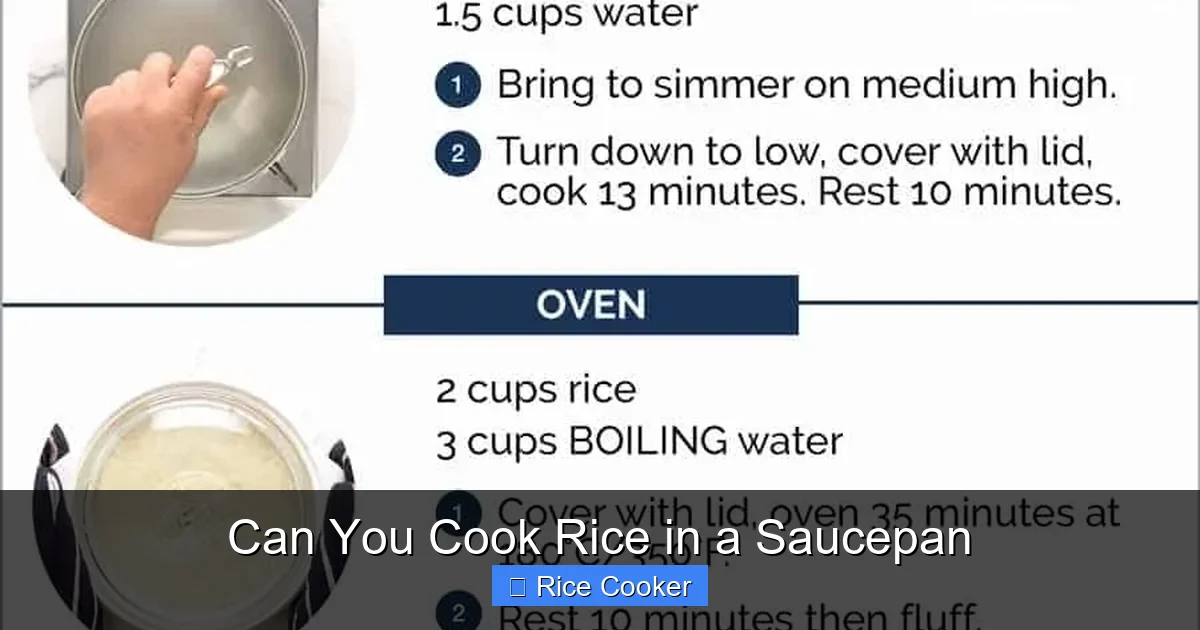
Visual guide about Can You Cook Rice in a Saucepan
Image source: recipetineats.com
If you heat rice too fast or use too little water, the grains stay chewy and undercooked. Too much water or prolonged boiling leads to mushy, gluey rice. That’s why the balance between heat, time, and liquid is so crucial. A saucepan allows you to manage this balance by bringing the rice to a boil (which quickly stops enzyme activity and sets the texture), then reducing to a gentle simmer (so the grains cook slowly and evenly).
Why People Use Rice Cookers—and Why They Still Matter
Rice cookers became popular because they automate this delicate process. They monitor temperature and steam release, automatically switching from high to low heat at the right time. Some even have sensors that detect when the rice is done and shut off. For many, this convenience outweighs the precision of a saucepan.
But here’s the truth: a good saucepan can give you just as good—or even better—results. When you cook rice on the stovetop, you’re engaging all your senses: watching the bubbles subside, smelling the aroma rise, feeling the warmth of the pot. Plus, you can customize the cooking liquid (adding butter, oil, or spices) right from the start. And let’s be honest—sometimes, nothing beats the taste of rice you made yourself, grain by grain.
Choosing the Right Saucepan for Rice
Not all saucepans are created equal when it comes to cooking rice. The wrong pan can lead to uneven cooking, scorched bottoms, or inconsistent texture. Here’s what to look for:
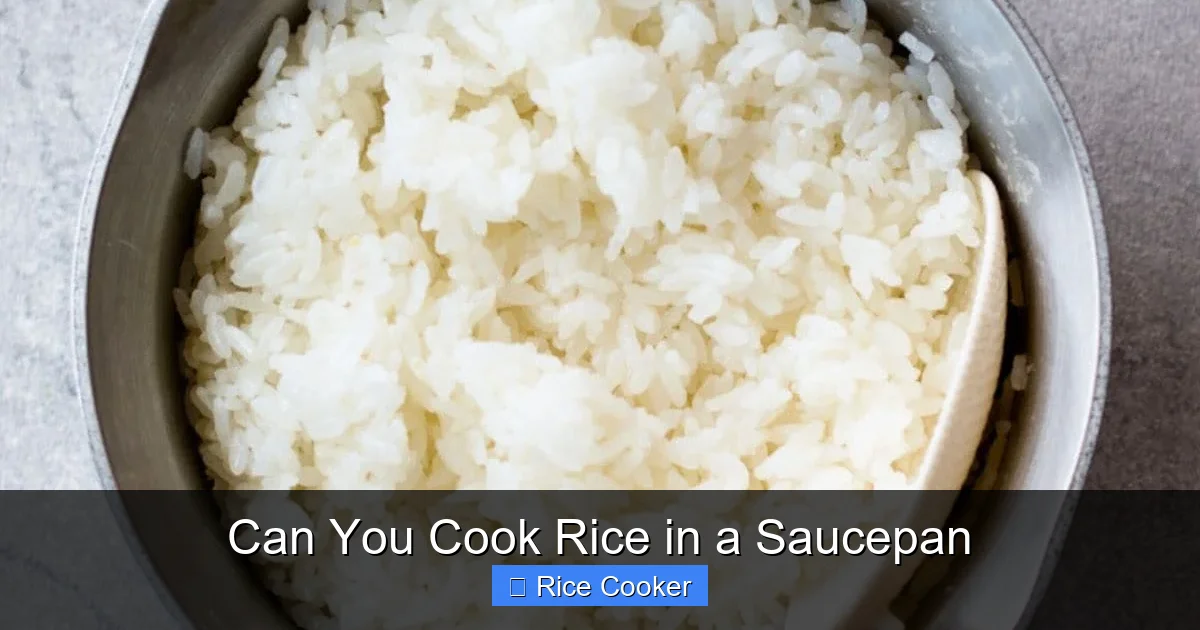
Visual guide about Can You Cook Rice in a Saucepan
Image source: chefjacooks.com
- Heavy Bottom: A thick, heavy base distributes heat evenly and prevents hot spots that burn rice.
- Tight-Fitting Lid: Steam builds up during cooking, and a snug lid traps it, helping the rice cook uniformly.
- Stainless Steel or Non-Stick: Both work well. Non-stick makes cleanup easier, while stainless steel is more durable.
- Size Matters: Choose a pot that holds about 1.5 times the volume of your rice and water combined. This gives room for expansion without overflowing.
A typical 2-quart or 3-quart saucepan is ideal for cooking 1 to 2 cups of uncooked rice. If you’re cooking large batches, consider a Dutch oven or stockpot with a fitted lid.
Common Saucepan Mistakes (And How to Avoid Them)
Even experienced cooks make these errors:
- Using a thin aluminum pot: These heat unevenly and can cause rice to stick or burn.
- Lifting the lid too often: Every time you lift the lid, 20–30% of the steam escapes, which can leave rice undercooked.
- Stirring too soon: Stirring disrupts the natural layering of starch and water, leading to clumping.
Pro tip: Use a splatter guard or a slightly larger lid to minimize steam loss while still allowing excess moisture to escape if needed.
How to Cook White Rice in a Saucepan (Step-by-Step)
White rice is the easiest to master because it cooks quickly and has a forgiving texture. Follow this foolproof method for consistently fluffy results.
Ingredients & Tools
- 1 cup long-grain white rice (e.g., jasmine, basmati, or American long grain)
- 2 cups water (or broth for extra flavor)
- Pinch of salt
- 1 tablespoon butter or oil (optional, for richness)
- 2-quart saucepan with lid
Step-by-Step Instructions
- Rinse the rice: Place rice in a fine-mesh strainer and rinse under cold water until the water runs clear. This removes excess starch and prevents gumminess.
- Add ingredients to the pot: Transfer rinsed rice to the saucepan. Add water, salt, and optional fat.
- Bring to a boil: Cover the pot and place it on medium-high heat. Bring to a rolling boil.
- Reduce to simmer: Once boiling, immediately reduce heat to the lowest setting. Do not uncover.
- Simmer for 15–18 minutes: Let the rice cook undisturbed. The timing depends on the rice variety—check the package for specifics.
- Turn off heat and rest: After timer ends, keep the pot covered and let it sit for 5–10 minutes. This allows residual heat to finish cooking and steam to soften the grains further.
- Fluff and serve: Gently fluff with a fork before serving. Avoid stirring too vigorously to prevent crushing the grains.
This method yields light, separate grains—perfect for stir-fries, pilafs, or as a side dish.
Example: Fluffy Jasmine Rice
For aromatic jasmine rice, increase water slightly (2¼ cups) and add a splash of fish sauce or lime juice for depth. Simmer for 16 minutes, then rest for 8 minutes. The result is sticky enough to form balls but not overly clingy—ideal for Thai or Vietnamese meals.
Cooking Brown Rice and Other Whole Grains
Brown rice requires more patience and water than white rice due to its bran layer, which slows absorption. But the nutty flavor and chewy texture are worth the wait.
Brown Rice Method
- 1 cup brown rice
- 2½ cups water
- Salt to taste
- Optional: ½ teaspoon oil (helps prevent sticking)
Follow the same steps as white rice, but extend cooking time to 40–45 minutes. Brown rice needs longer to soften fully. Some prefer using a pressure cooker for speed, but a slow simmer on the stovetop works beautifully too.
Other Grains You Can Cook in a Saucepan
Many whole grains follow similar principles:
- Quinoa: 1 cup quinoa + 2 cups water. Simmer 15 minutes.
- Barley: 1 cup pearled barley + 3 cups water. Simmer 45–60 minutes.
- Farro: 1 cup farro + 3 cups broth. Simmer 30–40 minutes.
- Millet: 1 cup millet + 2¼ cups water. Simmer 20 minutes.
Always rinse pseudocereals like quinoa to remove bitter saponins. For ancient grains like farro, soaking overnight can reduce cooking time.
Flavor Variations: Beyond Plain White Rice
One of the biggest advantages of cooking rice on the stovetop is the ability to infuse flavor directly into the cooking liquid. Instead of plain water, try these creative upgrades:
- Veggie Broth: Use homemade vegetable stock for savory dishes.
- Chicken Stock: Adds richness to risottos or grain bowls.
- Coconut Milk: Perfect for Thai or Indian-inspired rice. Replace half the water with coconut milk for creaminess.
- Herbs & Spices: Tie a bay leaf, cinnamon stick, or star anise in cheesecloth and add it to the pot.
- Garlic & Onion: Sauté aromatics first, then add rice and liquid.
- Wine or Beer: Deglaze the pan with a splash of white wine before adding rice.
Example: Creamy Coconut Curry Rice – Cook rice in a mix of coconut milk, chicken broth, and curry powder. Finish with fresh cilantro and lime.
Advanced Technique: Risotto-Style Rice (Arborio Method)
While traditional risotto is stirred constantly, you can make a simpler version using the saucepan method:
- Sauté Arborio rice in butter until translucent.
- Add warm broth gradually, stirring occasionally, until absorbed.
- Total cooking time: 18–20 minutes. Finish with Parmesan and black pepper.
This isn’t authentic risotto, but it’s close and much faster than traditional methods.
Common Problems and How to Fix Them
Even with the best technique, things can go wrong. Here’s how to troubleshoot:
Mushy Rice
Cause: Too much water or overcooking.
Fix: Drain excess liquid before fluffing. For future batches, reduce water by ¼ cup and check doneness 2 minutes earlier.
Gummy or Sticky Rice
Cause: Over-stirring or insufficient rinsing.
Fix: Always rinse long-grain rice thoroughly. Don’t stir after bringing to a boil.
Undercooked Rice
Cause: Insufficient simmer time or low heat.
Fix: Ensure heat is low enough to maintain a gentle simmer (tiny bubbles, not rolling). Add a splash of water if needed, but cover immediately.
Burnt Bottom
Cause: High heat or non-stick coating worn out.
Fix: Use a heavy-bottomed pan. Add a tablespoon of oil or water before heating if rice starts to stick.
Uneven Texture
Cause: Inconsistent heat or old rice.
Fix: Store rice in an airtight container. Fresh rice cooks more evenly. Also, ensure water is evenly distributed—stir gently once before boiling if needed.
Tips for Restaurant-Quality Rice at Home
Want your rice to rival that of a professional kitchen? Try these pro tips:
- Use aged rice: New rice contains more moisture and can be gummy.
- Heat the pot first: Preheat your saucepan slightly before adding rice and liquid. This helps prevent sticking.
- Measure precisely: Invest in a rice measuring cup. Regular cups vary in size and lead to inconsistent results.
- Let rice cool slightly: Cooled rice reheats better and resists mushiness.
- Store properly: Refrigerate leftovers in an airtight container. Reheat with a splash of water to restore moisture.
Bonus: Keep a small jar of leftover rice starch in the fridge—it’s great for thickening sauces!
Is a Saucepan Better Than a Rice Cooker?
This depends on your priorities. A rice cooker excels in convenience and consistency—ideal for families or those who cook rice daily. But a saucepan wins in customization, cost-effectiveness, and versatility.
If you only cook rice once in a blue moon, a rice cooker makes sense. But if you enjoy experimenting with flavors, cooking multiple grains, or want to free up counter space, a well-used saucepan is a worthy investment.
Also, consider this: you can use your saucepan for so much more. Pasta, soups, sautés, and even desserts—why buy multiple appliances when one versatile pot can do it all?
Conclusion: Master Your Stovetop Rice Game
Cooking rice in a saucepan isn’t just possible—it’s empowering. With practice, you’ll develop a feel for timing, texture, and flavor that goes beyond any appliance. No more relying on gadgets. No more waiting for repairs. Just you, your pot, and the satisfying aroma of perfectly cooked grains.
Remember the basics: rinse your rice, use the right water ratio, bring it to a boil, then simmer patiently. Trust the process. Don’t peek. Rest. Fluff. Serve.
Whether you’re feeding a crowd, meal-prepping for the week, or simply craving a bowl of warm, comforting rice, your saucepan is ready. Next time someone asks, “Can you cook rice in a saucepan?”—you’ll smile and say, “Absolutely. And I’ve got it down to a science.”
Frequently Asked Questions
Can you cook rice in any saucepan?
You can cook rice in most saucepans, but a heavy-bottomed pot with a tight-fitting lid works best for even heat and minimal sticking. Avoid thin or warped pans.
Do you need to soak rice before cooking it in a saucepan?
Soaking isn’t necessary for white rice, though it can reduce cooking time. For some whole grains like farro, a quick soak helps. Otherwise, rinsing and draining is sufficient.
How much water do I use per cup of rice in a saucepan?
For white rice, use 2 cups of water per 1 cup of rice. For brown rice, use 2½ cups. Adjust slightly based on altitude and rice type.
Why is my rice always sticky when cooked in a saucepan?
Sticky rice usually results from excess starch, over-stirring, or too much water. Rinse rice thoroughly and avoid lifting the lid during cooking.
Can I cook frozen rice in a saucepan?
It’s not recommended. Frozen rice is typically already cooked and steamed, so adding it to a saucepan can lead to mushiness or uneven reheating. Use a microwave or steamer instead.
What’s the difference between cooking rice in a saucepan vs. a rice cooker?
A rice cooker automates the process with precise temperature control, while a saucepan requires manual monitoring. Saucepans offer more flexibility in flavor and texture but need more attention.