
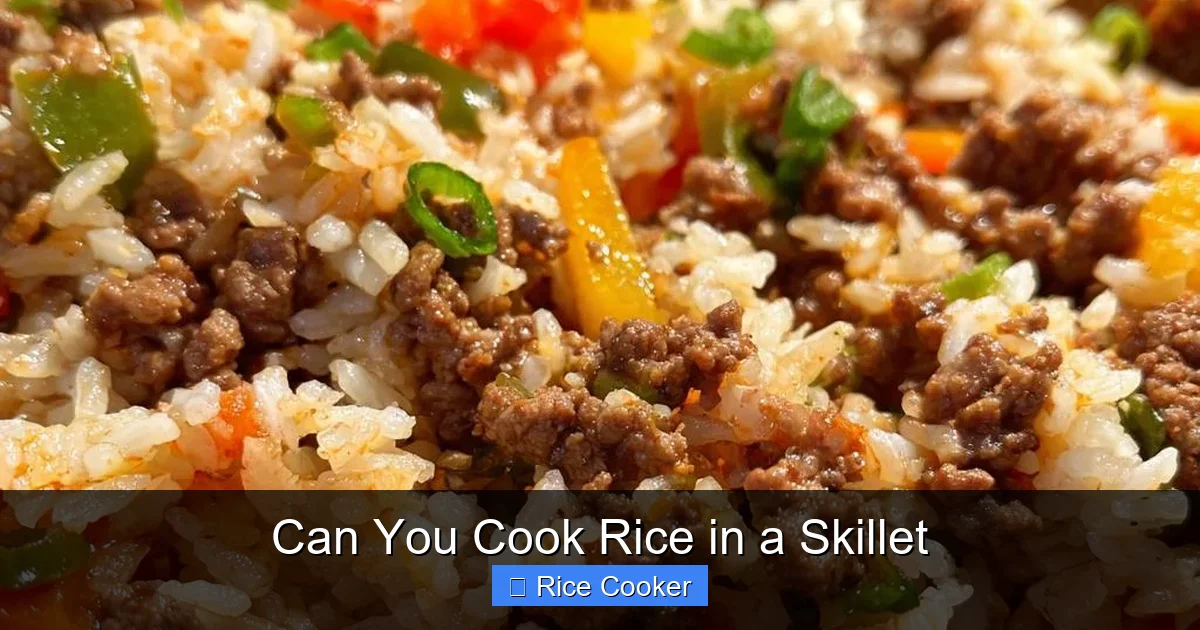
Can you cook rice in a skillet? Absolutely! With the right technique, a skillet (or frying pan) can produce fluffy, delicious rice just like a rice cooker. You’ll need the right ratio of water to rice, consistent heat control, and a tight-fitting lid—but the results are worth it for quick meals or when you’re short on kitchen tools.
Key Takeaways
- Yes, you can cook rice in a skillet: It’s totally doable with the right method and ingredients.
- Use the right ratio: Most grains require 1.5 to 2 cups of water per 1 cup of uncooked rice.
- Pre-rinsing removes excess starch: This helps prevent clumping and ensures fluffier rice.
- Cover tightly and simmer: A tight-fitting lid traps steam, allowing even cooking.
- Let it rest after cooking: Resting helps redistribute moisture and improves texture.
- Skillet vs. pot: Skillets work best with flat-bottomed pans; avoid heavy cast iron unless preheated properly.
- Experiment with flavors: Add broth, herbs, or spices directly into the water for enhanced taste.
📑 Table of Contents
- Can You Cook Rice in a Skillet? The Short Answer
- The Basics: Why Skillet Rice Works
- Choosing the Right Skillet for Rice
- Step-by-Step Guide: How to Cook Rice in a Skillet
- Tips for Perfect Skillet Rice Every Time
- Troubleshooting Common Issues
- Skillet Rice Beyond Plain White
- Is a Skillet Better Than a Pot?
- Final Thoughts: Embrace the Versatility
Can You Cook Rice in a Skillet? The Short Answer
Yes, you absolutely can cook rice in a skillet—and many home cooks swear by this method for its simplicity and speed. Whether you’re out of rice cookers, camping, or just prefer using the stove, a skillet is a reliable alternative. With the right technique, your skillet can deliver perfectly fluffy jasmine, basmati, or even brown rice every time. The key lies not just in the pan itself, but in understanding how heat, water, and timing interact during the cooking process.
Many people assume that only pots are suitable for boiling rice because they hold more liquid and have lids that seal well. But skillets—especially those with high, straight sides and tight-fitting lids—can be just as effective. The trick is managing steam and heat distribution so the rice cooks evenly without drying out or sticking to the bottom. In this guide, we’ll walk through everything you need to know: from choosing the right skillet to seasoning your rice with flavorful broths and spices.
The Basics: Why Skillet Rice Works
Cooking rice in a skillet relies on the same principles as cooking it in a pot: absorbing water, swelling, and gelatinizing starches until tender. The main difference is that skillets often have thinner walls and smaller surfaces, which can affect heat retention and evaporation rates. However, modern nonstick or well-seasoned cast iron skillets handle these challenges beautifully when used correctly.
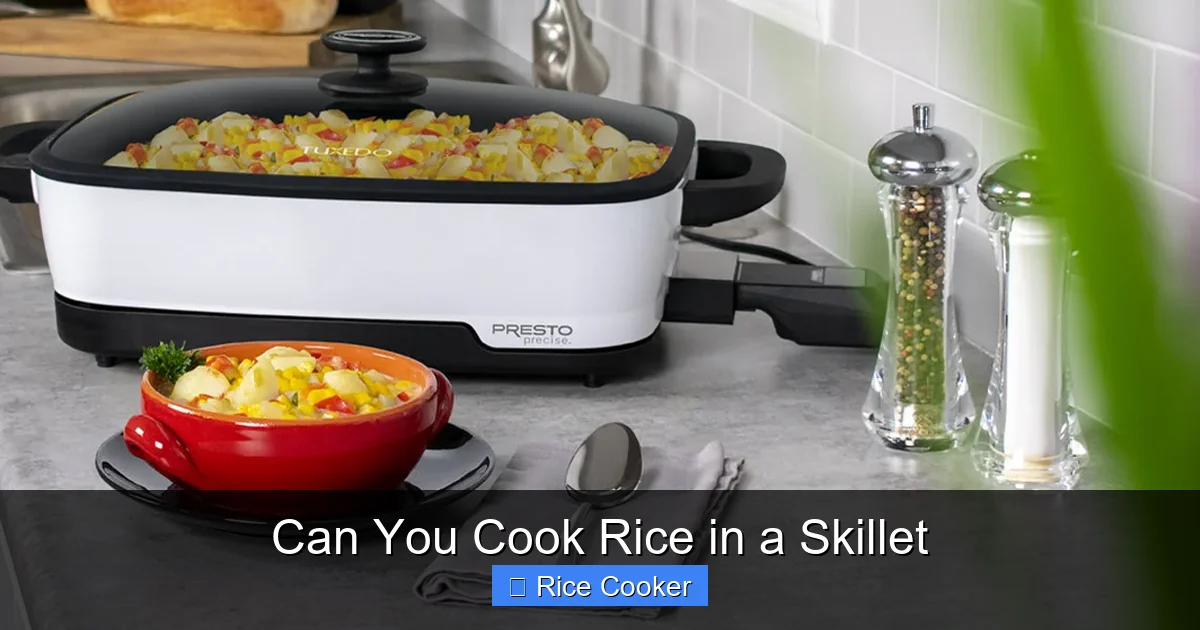
Visual guide about Can You Cook Rice in a Skillet
Image source: storables.com
Understanding Heat Transfer
When you add cold rice and water to a cold skillet and turn on the burner, the bottom heats unevenly at first. This can lead to hot spots that burn rice before the top is done. To avoid this, start with a warm pan. Heat it over medium heat for a minute before adding ingredients. This jumpstarts even heating and reduces the risk of scorching.
The Role of the Lid
A tight-fitting lid is essential. Without one, steam escapes too quickly, and the rice may dry out or stick. If your skillet doesn’t come with a lid, look for a glass dome lid, a ceramic pie dish, or even a piece of foil shaped to fit snugly over the rim. The goal is to trap enough steam to cook the rice through without letting too much moisture escape.
Choosing the Right Skillet for Rice
Not all skillets are created equal when it comes to cooking rice. Some materials conduct heat better than others, and certain shapes help retain steam more effectively. Here’s what to consider:
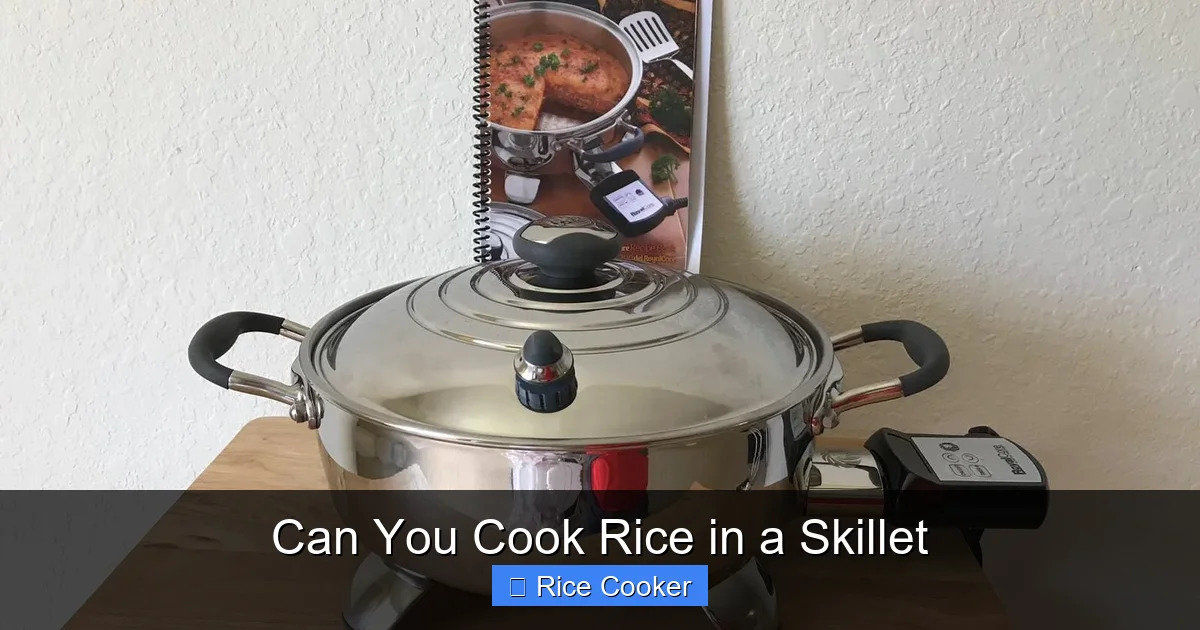
Visual guide about Can You Cook Rice in a Skillet
Image source: storables.com
Material Matters
- Nonstick Skillet: Ideal for beginners. Easy to clean, prevents sticking, and works well with minimal oil or butter.
- Cast Iron Skillet: Excellent heat retention, great for browning rice first (like in risotto), but requires careful monitoring to avoid burning.
- Stainless Steel or Aluminum: Good conductivity but may need constant stirring to prevent sticking unless lined with parchment.
Size and Shape
Choose a skillet that holds about 1–2 cups of cooked rice comfortably—this usually means a 10- to 12-inch diameter. Flat-bottomed skillets distribute heat evenly, while deep-sided ones help contain steam. Avoid overly wide pans that spread water too thin.
Step-by-Step Guide: How to Cook Rice in a Skillet
Follow this foolproof method for perfect skillet rice every time:
Step 1: Rinse the Rice
Place your rice in a fine-mesh strainer and rinse under cold running water for 1–2 minutes. Swirl it gently with your fingers to remove surface starch. This step is crucial—it prevents gummy, clumpy rice and brightens the grain’s natural flavor.
Step 2: Measure Water Accurately
For white rice, use a 1:1.5 ratio (1 cup rice to 1.5 cups water). For brown rice, increase to 1:2 or 1:2.5 due to its higher fiber content and longer cook time. Always measure both rice and water using the same cup—preferably one marked in both dry and liquid volumes.
Step 3: Combine Ingredients in the Skillet
Add rinsed rice and water to your preheated skillet. If desired, toss in a pinch of salt, a bay leaf, or a splash of oil or butter for richness. Stir once to combine.
Step 4: Bring to a Boil, Then Simmer
Increase heat to high until the mixture boils vigorously. Once boiling, reduce heat to low and immediately place the lid on securely. Let it simmer undisturbed for the recommended time—typically 15–18 minutes for white rice, up to 35–40 minutes for brown.
Step 5: Rest and Fluff
After cooking, turn off the heat but keep the lid on. Let the rice sit for 5–10 minutes. This resting period allows residual heat to finish cooking any remaining moisture and makes fluffing easier. Use a fork to gently separate the grains without crushing them.
Tips for Perfect Skillet Rice Every Time
Even with the right method, small adjustments can make a big difference in texture and taste.
Don’t Peek!
Every time you lift the lid, you release precious steam. Unless you’re checking for doneness, keep the lid sealed throughout cooking. If needed, insert a knife or chopstick through the center to check if water has been fully absorbed.
Adjust for Altitude
If you live above sea level, rice may take longer to absorb water due to lower boiling temperatures. Increase cooking time by 2–3 minutes or add an extra tablespoon of water.
Flavor Infusion
Instead of plain water, try using vegetable or chicken broth for added depth. You can also sauté aromatics like garlic, onion, or ginger in the skillet before adding rice and water—this builds layers of flavor from the very beginning.
Brown Rice Requires Patience
Brown rice has a harder outer bran layer, so it needs more time and water. Consider soaking it overnight to speed up absorption and reduce cook time.
Troubleshooting Common Issues
Even experienced cooks run into problems sometimes. Here’s how to fix them:
Rice Sticks to the Bottom
This usually happens with insufficient water or poor heat control. Always start with enough liquid and ensure the pan isn’t too hot initially. Adding a teaspoon of oil or butter at the start can also create a barrier.
Rice Is Too Dry or Mushy
Too little or too much water causes imbalance. Mushiness suggests excess water; dryness means you need more liquid next time. Keep notes on your ratios and adjust accordingly.
Grains Are Gummy or Clumped
This is often due to unrinsed rice or overcooking. Rinsing removes excess amylopectin (a sticky starch), and overmixing after cooking can break apart delicate grains.
Skillet Rice Beyond Plain White
The beauty of cooking rice in a skillet is its versatility. Once you master the basics, you can elevate your dishes with bold flavors and textures.
Saffron Jasmine Rice
Simmer saffron threads in warm milk or broth for 10 minutes, then stir into your rice mixture. The result is fragrant, golden rice perfect for Thai or Indian-inspired meals.
Cheese-Stuffed Rice
Incorporate grated Parmesan or cheddar cheese into the final minutes of cooking. Cover tightly so steam activates the cheese without melting it prematurely.
Fried Rice Base
Cook jasmine or long-grain rice, let it cool completely, then stir-fry with eggs, soy sauce, peas, and carrots. The skillet’s flat surface is ideal for tossing and browning.
Spanish Paella-Style Rice
While traditional paella uses a wide, shallow pan, you can adapt the concept in a large skillet. Sear chorizo or shrimp first, deglaze with white wine, then add rice and broth. Finish with lemon zest and smoked paprika.
Is a Skillet Better Than a Pot?
It depends on your priorities. Pots typically offer more space for large batches and better lid sealing, making them ideal for families or meal prep. But skillets win in several areas:
- Faster cleanup: Fewer pots mean less scrubbing.
- Better searing: Great for browning rice or adding crispy bits.
- Compact storage: Skillets take up less cabinet space.
- Multi-use: Can go from stovetop to oven (if oven-safe).
Ultimately, both tools have their place. Many kitchens keep both on hand—a pot for boiling pasta and a skillet for everything else.
Final Thoughts: Embrace the Versatility
Cooking rice in a skillet isn’t just a backup plan—it’s a skill that opens doors to creative, efficient cooking. Whether you’re whipping up a quick weeknight dinner or preparing a special dish for guests, mastering skillet rice gives you flexibility without relying solely on specialty appliances. With practice, you’ll develop a feel for timing, moisture levels, and flavor combinations unique to your kitchen setup.
Remember: consistency comes from repetition and observation. Keep notes on your preferred ratios, pan types, and resting times. Soon, you’ll have your own signature method that turns a simple grain into something extraordinary.
Frequently Asked Questions
Can I cook different types of rice in a skillet?
Yes! You can cook white, brown, jasmine, basmati, arborio, and even wild rice in a skillet. Each type may require slightly adjusted water ratios and cooking times, but the basic method remains the same.
Do I need to add oil or butter when cooking rice in a skillet?
Not necessarily. While a small amount of oil or butter can enhance flavor and prevent sticking, most rice will cook without it if you use enough water and a nonstick skillet. Skip the fat for a lighter option.
How long does it take to cook rice in a skillet?
White rice typically takes 15–18 minutes on low heat after boiling. Brown rice needs 35–40 minutes. Exact time varies based on grain variety, altitude, and skillet material, so always check for doneness near the end.
Can I cook rice in a cast iron skillet?
Absolutely. Cast iron retains heat well and works great for skillet rice—especially if you’re browning rice first. Just monitor closely to avoid burning, and make sure your skillet is properly seasoned.
What if my skillet doesn’t have a lid?
You can improvise! Use a glass pie plate, a second skillet flipped upside down, or even aluminum foil molded over the edges. The key is creating a tight seal to trap steam.
Is skillet rice healthier than rice cooked in a rice cooker?
Nutritionally, there’s no significant difference—both methods result in similar calorie and nutrient content. Skillet rice may offer more control over added fats or sodium, depending on how you prepare it.