
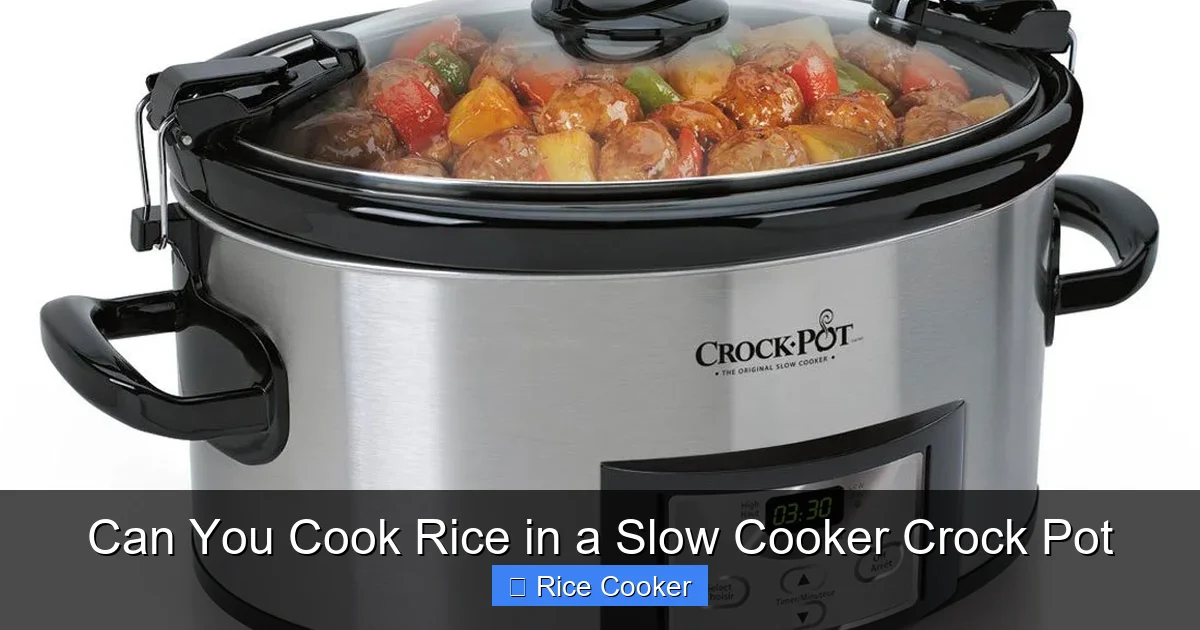
Yes, you can absolutely cook rice in a slow cooker or crock pot! With the right water-to-rice ratio and cooking settings, your slow cooker becomes a hands-off rice cooker that delivers fluffy, tender grains every time. This method is ideal for busy days, meal prep, or making rice dishes like jambalaya or risotto without extra equipment.
Key Takeaways
- Understanding can you cook rice in a slow cooker crock pot: Provides essential knowledge
📑 Table of Contents
- Can You Cook Rice in a Slow Cooker Crock Pot?
- The Science Behind Cooking Rice in a Slow Cooker
- Choosing the Right Type of Rice
- Essential Equipment and Setup Tips
- Step-by-Step Guide: How to Cook Rice in a Slow Cooker
- Advanced Techniques and Flavor Variations
- Troubleshooting Common Problems
- Cleaning and Maintenance Tips
- Slow Cooker vs. Rice Cooker: Which Is Better?
- Conclusion: Yes, Your Crock Pot Can Be Your Rice Cooker
Can You Cook Rice in a Slow Cooker Crock Pot?
If you’re tired of constantly monitoring your stove or buying a separate rice cooker, you might be wondering: can you cook rice in a slow cooker crock pot? The short answer? Absolutely! In fact, many home cooks swear by their crock pots as a convenient, hands-off way to prepare perfectly cooked rice. Whether you’re preparing a side dish for dinner, making a base for stir-fries, or creating a one-pot meal like jambalaya or fried rice, your trusty slow cooker can do the job—without any fancy gadgets.
But before you start dumping rice and water into your crock pot, there are a few things to keep in mind. Not all slow cookers are created equal, and different types of rice behave differently under low-and-slow heat. This guide will walk you through everything you need to know: from choosing the right rice and measuring water correctly to avoiding common pitfalls. By the end, you’ll feel confident using your slow cooker as a rice cooker—no second appliance required.
The Science Behind Cooking Rice in a Slow Cooker
Before we jump into recipes and tips, let’s talk about what actually happens when you cook rice. Rice is essentially a grain that absorbs water and gelatinizes its starches when heated. In traditional stovetop methods, this process happens quickly due to high, direct heat. But in a slow cooker, the temperature is much lower—usually between 190°F and 210°F (88°C and 99°C)—and it takes longer, which can be both a blessing and a curse.
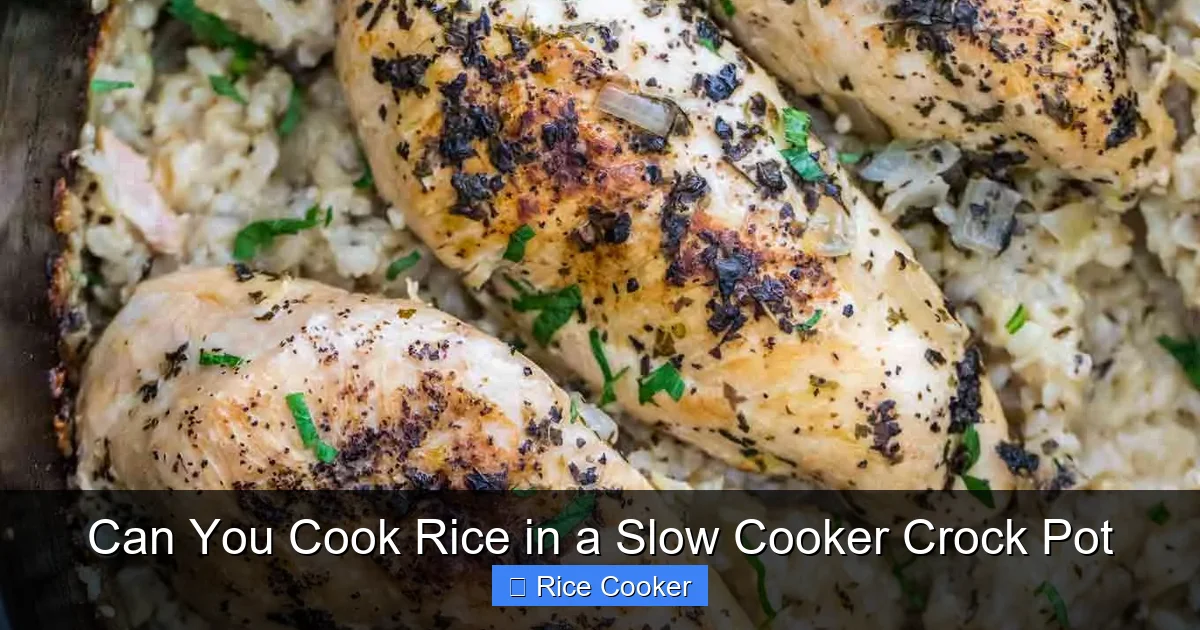
Visual guide about Can You Cook Rice in a Slow Cooker Crock Pot
Image source: sweetandsavorymeals.com
Why Slow Cookers Work for Rice
Slow cookers provide consistent, gentle heat over several hours, which helps rice cook evenly without burning. Because the liquid simmers slowly, it allows the grains to absorb moisture gradually, resulting in a tender, fluffy texture. Plus, once you set it and forget it, you can focus on other parts of your meal while the rice finishes up.
Potential Challenges
However, because slow cookers don’t reach boiling temperatures, they may not fully gelatinize starches in some types of rice. This can lead to slightly firmer or chewier results compared to a rice cooker or stovetop method. That’s why choosing the right rice variety and adjusting cooking times are crucial for success.
Choosing the Right Type of Rice
Not all rice is made equal—and neither are all slow cookers. Different grains have unique textures, absorption rates, and ideal cooking environments. Here’s a breakdown of popular rice types and how they perform in a slow cooker:
Visual guide about Can You Cook Rice in a Slow Cooker Crock Pot
Image source: herwholesomekitchen.com
White Rice
White rice—like long-grain varieties such as Jasmine or Basmati—is the easiest and most reliable choice for slow cooking. Its thin bran layer means it cooks faster and more predictably. When prepared in a crock pot, white rice tends to come out light, separate, and slightly fluffy, similar to what you’d get in a rice cooker.
Brown Rice
Brown rice has a tougher outer bran layer, so it requires more water and longer cooking time. While it can still turn out great in a slow cooker, it often ends up chewier than desired unless you adjust ratios carefully. Many home cooks prefer to soak brown rice overnight before cooking to soften it further.
Instant Rice & Quick-Cooking Varieties
Instant rice (like Minute® brand) is designed to cook fast under pressure or high heat. In a slow cooker, it may become mushy or overcooked due to prolonged exposure to moisture. It’s best avoided unless you’re using a specialized recipe that accounts for its quick absorption rate.
Specialty Grains (Wild Rice, Arborio, etc.)
Wild rice and Arborio (used in risotto) don’t work well in standard slow cookers. Wild rice needs vigorous boiling to open its hulls, while Arborio releases starch slowly—ideal for constant stirring on the stovetop, not passive simmering. Stick to common long- or medium-grain whites for best results.
Essential Equipment and Setup Tips
To cook rice successfully in your slow cooker, make sure you have everything ready before starting. A little prep goes a long way toward preventing disasters.
Use a Large Enough Crock Pot
Most slow cookers hold 4–7 quarts. For optimal results, use at least a 5-quart model when cooking more than 2 cups of uncooked rice. Smaller pots risk overflowing, and larger batches won’t cook evenly in tiny containers.
Line the Bottom (Optional but Helpful)
Adding a thin layer of broth, oil, or even a piece of parchment paper at the bottom prevents rice from sticking. This is especially useful if your crock pot tends to scorch easily.
Use a Lid That Fits Snugly
A tight-fitting lid traps steam and keeps heat consistent. Avoid lifting the lid during cooking—each time you open it, you lose precious heat and humidity, which can throw off timing.
Don’t Overfill
Never fill your crock pot more than two-thirds full with rice and liquid combined. Overfilling increases the risk of splatters, uneven cooking, and cleanup nightmares.
Step-by-Step Guide: How to Cook Rice in a Slow Cooker
Ready to try it yourself? Follow these simple steps for foolproof rice every time.
Ingredients You’ll Need
- 1 cup uncooked long-grain white rice (e.g., Jasmine or Basmati)
- 1¼ cups water or broth (for added flavor)
- Pinch of salt (optional)
- 1 tablespoon butter or oil (optional, for richness)
Preparation Steps
- Rinse the rice. Place rice in a fine-mesh strainer and rinse under cold water until the runoff runs clear. This removes excess starch that causes stickiness.
- Add ingredients to crock pot. Transfer rinsed rice to the slow cooker. Pour in water or broth, add salt and fat if using, and stir gently.
- Cook on HIGH or LOW? For white rice, use the “high” setting for 1 hour, then switch to “low” for another 30–45 minutes. For brown rice, cook on low for 2–3 hours.
- Do not lift the lid. Resist the urge to peek or stir during cooking. Opening the lid releases steam and slows the process.
- Let it rest. Once done, turn off the slow cooker and let rice sit covered for 5–10 minutes. This allows residual steam to finish hydrating the grains.
- Fluff and serve. Use a fork to gently fluff the rice. Serve immediately with your favorite dishes.
Sample Recipe: Fluffy White Rice in a Slow Cooker
Prep Time: 5 minutes | Cook Time: 1.5 hours | Yield: 3–4 servings
- 1 cup white rice
- 1¼ cups chicken or vegetable broth
- ½ teaspoon salt
- 1 tablespoon butter
In a 5-quart slow cooker, combine all ingredients. Cover and cook on high for 1 hour, then reduce to low and cook for 30–45 minutes until rice is tender and liquid is absorbed. Rest 5 minutes, then fluff with a fork.
Advanced Techniques and Flavor Variations
Once you’ve mastered basic white rice, you can elevate your slow-cooked grains with creative twists. These techniques add depth and versatility to your meals.
Use Broth Instead of Water
Substituting water with chicken, beef, or vegetable broth infuses rice with rich flavor. Just make sure the broth isn’t too salty—adjust seasoning at the end.
Add Aromatics
Sauté garlic, onions, or ginger before adding rice for extra savoriness. Or toss in bay leaves, peppercorns, or a sprig of thyme for subtle complexity.
Make Fried Rice Base
Cook rice ahead, cool completely, and freeze in portions. Reheat in the slow cooker with soy sauce, sesame oil, and scrambled eggs for instant fried rice.
Try One-Pot Meals
Layer rice with diced vegetables, protein, and broth in the crock pot. Cook on low for 2–3 hours for a complete, no-stir meal.
Bake Rice Pudding
Mix cooked rice with milk, sugar, cinnamon, and raisins. Return to the slow cooker on low for 30–45 minutes to create a warm dessert.
Troubleshooting Common Problems
Even experienced cooks run into issues now and then. Don’t panic—most problems have simple fixes.
Rice Is Too Wet or Soupy
This usually happens when too much liquid was used or the rice wasn’t cooked long enough. Next time, reduce water by 1–2 tablespoons and extend cooking time slightly. Let it sit longer to absorb excess moisture.
Rice Is Sticky or Clumpy
Starch buildup causes stickiness. Always rinse rice thoroughly before cooking. Also, avoid stirring during cooking—it breaks down the grains.
Rice Is Dry or Crunchy
Too little water or insufficient cooking time leads to dry rice. Add an extra ¼ cup of liquid and check doneness after 30 minutes. If needed, add more water and cook 10–15 minutes longer.
Rice Burns at the Bottom
This occurs when the crock pot gets too hot or lacks moisture. Line the bottom with broth or oil, and ensure there’s always liquid present during cooking.
Slow Cooker Smells Like Burnt Rice
Burned-on residue creates unpleasant odors. Clean your crock pot immediately with warm, soapy water and a non-abrasive scrubber. Avoid using metal utensils that can scratch the interior.
Cleaning and Maintenance Tips
Caring for your slow cooker properly ensures it lasts for years and performs reliably. After cooking rice, act quickly to prevent stubborn grime.
Clean Immediately
Rinse the insert with warm water while still slightly warm. Use a soft sponge or cloth—never steel wool, which can damage the nonstick coating.
Soak Stubborn Residue
For dried-on bits, fill the insert halfway with warm water and a drop of dish soap. Soak for 15–20 minutes before wiping clean.
Avoid Harsh Chemicals
Skip bleach or abrasive cleaners. Stick to mild detergents and natural solutions like vinegar-water rinses for odor removal.
Store Properly
Always dry the insert completely before storing. Place a paper towel inside to absorb any lingering moisture and prevent mold.
Slow Cooker vs. Rice Cooker: Which Is Better?
You might be wondering whether investing in a dedicated rice cooker is worth it. Both appliances have pros and cons.
Slow Cooker Advantages
- More versatile—you can cook entire meals in it
- Cheaper than buying multiple appliances
- Great for batch cooking and meal prep
Rice Cooker Advantages
- Specifically designed for rice—consistency guaranteed
- Cooks faster (often under 30 minutes)
- Built-in sensors detect when rice is done automatically
Bottom line: If you already own a slow cooker and only need rice occasionally, it’s a fantastic alternative. But if you eat rice daily and want perfect results every time, a rice cooker may be worth the investment.
Conclusion: Yes, Your Crock Pot Can Be Your Rice Cooker
So, can you cook rice in a slow cooker crock pot? Without a doubt—yes! With the right technique, patience, and attention to detail, your crock pot becomes a surprisingly capable rice maker. From fluffy white grains to hearty brown rice, this method works beautifully when you follow proven ratios and avoid common mistakes.
Whether you’re whipping up a weeknight dinner, prepping lunches for the week, or exploring global cuisines like biryani or paella, the slow cooker offers convenience and flavor in one compact appliance. And the best part? No extra counter space, no complicated buttons, and minimal cleanup.
Give it a try tonight. Measure your rice, add just the right amount of liquid, and let the magic happen. Before you know it, you’ll be telling friends how your old crock pot became your new favorite kitchen tool.
Frequently Asked Questions
How much water do I use for rice in a slow cooker?
For white rice, use a 1:1.25 ratio (1 cup rice to 1¼ cups water). For brown rice, increase to 1:1.5. Always rinse rice first to avoid stickiness.
Can I cook brown rice in a slow cooker?
Yes, but it takes longer—typically 2–3 hours on low. Soaking brown rice overnight improves texture and reduces cooking time.
Do I need to stir the rice while cooking?
No. Stirring breaks apart grains and isn’t necessary. Keep the lid closed to retain heat and steam.
What if my rice turns out mushy?
Mushy rice usually means too much liquid or overcooking. Reduce water next time and check for doneness earlier.
Can I cook rice in the slow cooker overnight?
Absolutely. On low setting, white rice cooks perfectly in 6–7 hours. Brown rice may take up to 8 hours—just ensure there’s enough liquid.
Is it safe to leave rice in the slow cooker after cooking?
It’s best to serve immediately. Leaving rice in the crock pot for extended periods increases bacterial growth. Transfer to a sealed container and refrigerate within 2 hours.