
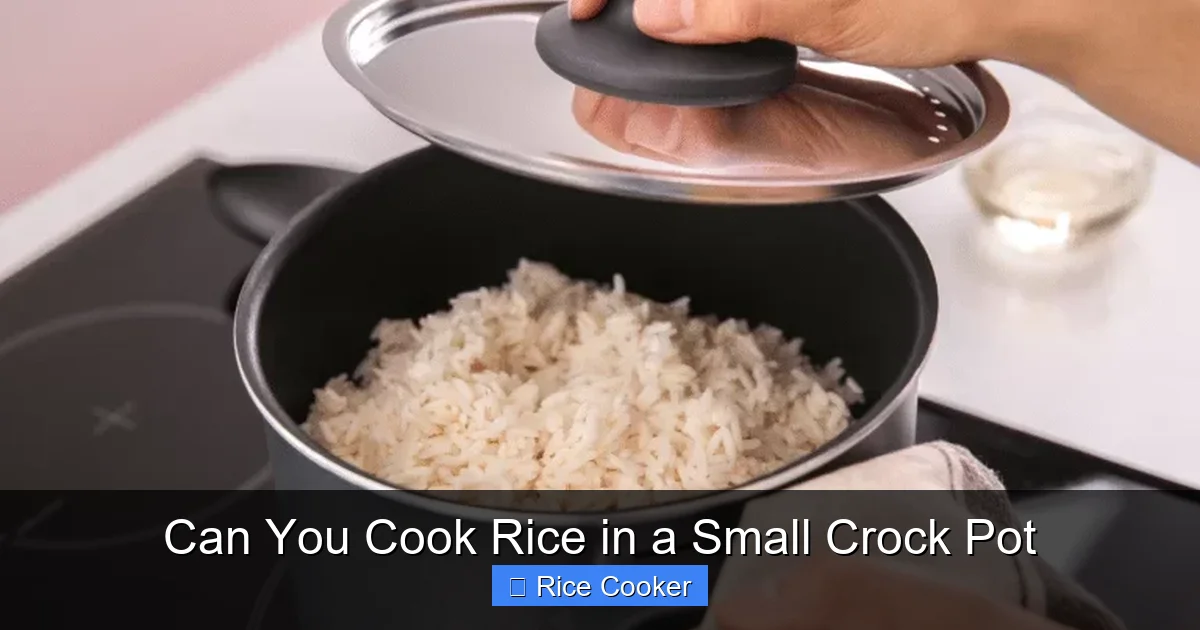
Can you cook rice in a small crock pot? Absolutely — with the right technique, your slow cooker can produce fluffy, delicious rice. While not as precise as a dedicated rice cooker, it’s a convenient option for busy days or when you’re cooking for one. With proper water ratios and timing, you’ll get consistent results every time.
Key Takeaways
- Cooking rice in a small crock pot is possible: Yes, but it requires careful attention to water-to-rice ratios and cooking times.
- Best rice types work best: Short-grain white rice, jasmine, and sushi rice are ideal due to their starch content and moisture retention.
- Water ratio matters: Use 1.5 to 2 cups of water per cup of rice for most varieties in a slow cooker.
- Crock pot settings help: Use the “Low” setting to prevent burning and ensure even cooking.
- Don’t skip the lid: Always keep the lid on during cooking to trap steam and promote even heat distribution.
- Rest time improves texture: Let rice sit covered for 10–15 minutes after cooking to finish steaming.
- Smaller batches yield better results: Overfilling the crock pot reduces heat efficiency and can lead to uneven cooking.
📑 Table of Contents
- Can You Cook Rice in a Small Crock Pot? Here’s Everything You Need to Know
- Understanding Your Crock Pot’s Cooking Power
- Choosing the Right Type of Rice
- Perfect Water Ratios for Crock Pot Rice
- Step-by-Step Guide: How to Cook Rice in a Small Crock Pot
- Troubleshooting Common Crock Pot Rice Issues
- Tips to Get the Best Results Every Time
- Can You Cook Other Grains in a Crock Pot?
- Final Thoughts: Is a Crock Pot Worth It for Rice?
Can You Cook Rice in a Small Crock Pot? Here’s Everything You Need to Know
You’ve probably seen a rice cooker sitting on someone’s countertop and wondered, “Why do they need that?” Honestly, rice cookers are fantastic tools — they’re simple, reliable, and take the guesswork out of boiling grains. But what if you don’t own one? Or maybe you just want to use what you already have? That’s where your trusty crock pot comes in.
So, can you cook rice in a small crock pot? The short answer is yes — absolutely. While a traditional rice cooker is designed specifically for this task, a slow cooker (or crock pot) can do the job too, especially when you’re making smaller batches. It might not be the most efficient method for large quantities, but for single servings or meal prep, it works surprisingly well.
In this guide, we’ll walk through everything you need to know about cooking rice in a small crock pot: from choosing the right rice type, adjusting water ratios, selecting the correct heat setting, to troubleshooting common issues like mushy or undercooked grains. By the end, you’ll feel confident using your crock pot as a makeshift rice cooker — no extra gadget required.
Understanding Your Crock Pot’s Cooking Power
Before diving into recipes, let’s talk about how your crock pot actually works. Unlike stovetop rice, which cooks quickly under direct flame, a slow cooker uses gentle, indirect heat over several hours. This method is great for stews, roasts, and soups — but can it handle something as delicate as rice?
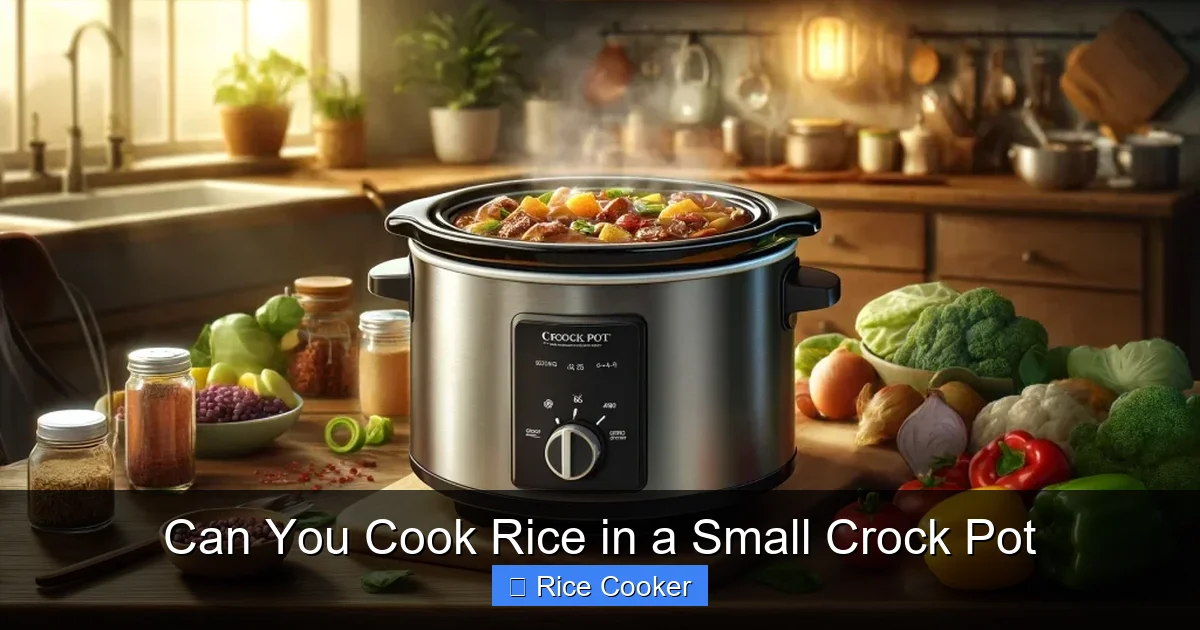
Visual guide about Can You Cook Rice in a Small Crock Pot
Image source: expertreviewsbestricecooker.com
The Science Behind Slow-Cooked Rice
Rice cooks when its starches gelatinize — essentially, the heat breaks down the grain’s structure so it absorbs water and swells. On the stove, this happens rapidly due to high heat and constant stirring. In a crock pot, the process is slower and more passive. Because the heat is lower and more even, there’s less risk of burning, but you must monitor the liquid levels carefully.
Also, crock pots retain moisture well thanks to their sealed lids. This helps keep rice tender and prevents it from drying out — a common issue with electric rice cookers if the heating element fails. However, because slow cookers don’t circulate air like stovetops or ovens, you won’t get that classic “fluffy” separation unless you fluff it properly at the end.
Limitations to Keep in Mind
There are a few downsides to consider. First, crock pots aren’t designed to reach high temperatures quickly. Most operate between 190°F and 200°F (88°C to 93°C), while rice ideally needs around 200°F (93°C) to cook fully. Second, if you overfill the pot or use too much water, the rice may become gummy. And third, if you open the lid frequently, you lose precious steam — which can leave parts of the rice undercooked.
That said, these challenges are manageable with a little planning. The key is patience, precision, and knowing your machine’s quirks.
Choosing the Right Type of Rice
Not all rice is created equal when it comes to slow cooking. Some varieties absorb water faster, others hold their shape better, and some simply don’t work well in low-heat environments. If you’re asking, “Can you cook rice in a small crock pot?” then picking the right kind makes all the difference.
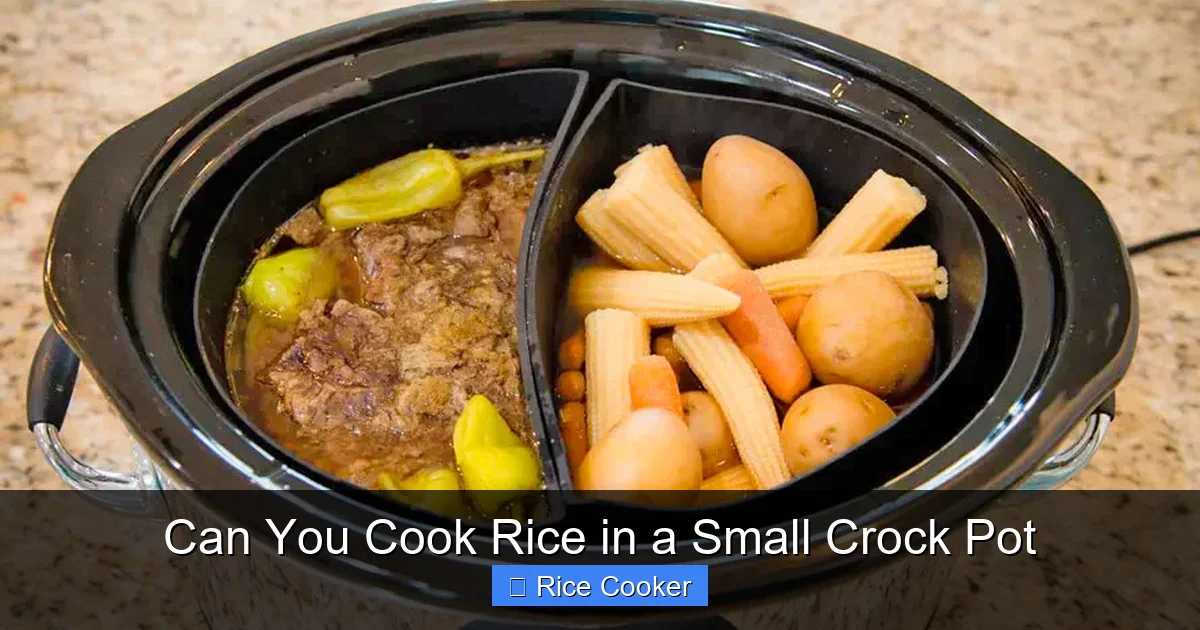
Visual guide about Can You Cook Rice in a Small Crock Pot
Image source: odditymall.com
Best Rice Varieties for Crock Pot Cooking
- Jasmine Rice: Fragrant, slightly sticky, and forgiving. It thrives in moist heat and develops a lovely aroma during slow cooking.
- Short-Grain White Rice: Ideal for sushi or risotto-style dishes. Its high starch content creates a creamy texture when cooked slowly.
- Sushi Rice: Very similar to short-grain, it absorbs liquid efficiently and stays soft without becoming mushy.
- Arborio Rice: Perfect if you’re making a risotto-like dish. It releases starch gradually, creating a rich, creamy consistency.
Avoid long-grain brown rice in a crock pot unless you’re prepared for a very long cook time (6–8 hours). Brown rice has a hard outer bran layer that resists softening, and its oil content can turn rancid over extended heat exposure.
When Long-Grain White Rice Works
If you only have long-grain white rice (like regular basmati or American long-grain), you can still make it work — just adjust your expectations. These types tend to stay separate and light, which is great for pilafs or side dishes. Just remember to rinse them before cooking to remove excess surface starch, which helps prevent clumping.
Perfect Water Ratios for Crock Pot Rice
This is arguably the most important factor. Too little water = dry, chalky rice. Too much = soupy, mushy rice. Finding the right balance is crucial.
The Golden Rule: 1:1.5 to 2 Ratio
For most white rice varieties in a slow cooker, use 1.5 to 2 cups of water per 1 cup of uncooked rice. Jasmine and sushi rice lean toward the lower end (1.5:1), while short-grain and Arborio rice prefer closer to 2:1. If you’re unsure, start with 1.75 cups per cup of rice and adjust next time based on results.
Adding Extra Liquid Safely
Some recipes call for broth instead of water — chicken, vegetable, or even coconut milk for added flavor. Just keep in mind that broths are saltier than water, so reduce added seasoning later. Also, dairy-based liquids (like milk) should be used sparingly, as they can curdle or burn over low heat.
Do You Need to Soak the Rice?
Soaking isn’t necessary for crock pot rice, but it can help reduce cook time slightly and improve texture. For best results, rinse your rice under cold water until the water runs clear, then soak for 15–30 minutes. Drain thoroughly before adding to the crock pot.
Step-by-Step Guide: How to Cook Rice in a Small Crock Pot
Now that you’ve got your rice and water ready, here’s how to actually cook it. This method works for most small crock pots (3–4 quarts).
What You’ll Need
- 1 cup uncooked rice (short-grain, jasmine, or sushi recommended)
- 1.5–2 cups liquid (water or broth)
- Optional: 1 tsp butter or oil (prevents sticking)
- Optional: Pinch of salt
- Small crock pot (3–4 quart capacity)
Step 1: Prep the Rice
Rinse the rice under cool running water using a fine mesh strainer. Swirl gently and drain until the water is mostly clear. This removes surface starch that can cause clumping.
Step 2: Add Ingredients to the Crock Pot
Add the rinsed rice to the crock pot. Pour in your liquid (water or broth), add salt if desired, and stir once to combine. If using oil or butter, mix it in now.
Step 3: Set the Timer and Heat Setting
Place the lid securely on the crock pot. Set it to Low heat. Do not use High unless you’re in a hurry — high heat increases the risk of burning, especially at the bottom.
Step 4: Cook Time Based on Rice Type
- White rice (jasmine, short-grain): 1.5 to 2 hours on Low
- Long-grain white rice: 2 to 2.5 hours on Low
- Arborio rice (risotto style): 2 to 2.5 hours on Low, stir occasionally
Note: These times assume your crock pot is at room temperature and not preheated.
Step 5: Check for Doneness
After the timer goes off, open the lid and peek inside. The rice should be tender with no white spots in the center. If it’s still firm, replace the lid and cook in 15-minute increments until done.
Step 6: Let It Rest
Turn off the crock pot and let the rice sit, covered, for 10–15 minutes. This allows residual steam to finish cooking the grains evenly and gives you that fluffy texture.
Step 7: Fluff and Serve
Use a fork to gently fluff the rice, separating any clumps. Serve immediately with your favorite dish — whether it’s grilled chicken, curry, or stir-fry.
Troubleshooting Common Crock Pot Rice Issues
Mistakes happen — even seasoned cooks run into problems. Here’s how to fix them.
Rice Is Mushy or Sticky
This usually means too much water or too long a cook time. Next time, reduce the liquid by 1/4 cup and check after 1.5 hours. Also, avoid lifting the lid frequently, as steam escapes and slows cooking.
Rice Is Undercooked (Hard or Gritty)
If the center is still firm, add 1–2 tablespoons of water, stir, and continue cooking on Low for 15–20 minutes. Never use High — it will only burn the top layer.
Rice Burns at the Bottom
This happens when the liquid evaporates completely. Always start with enough water, and never cook rice on High for more than 1 hour without checking. Adding a splash of water midway can save an otherwise ruined batch.
Rice Separates Poorly
If the grains stick together, try rinsing more thoroughly before cooking or reducing the amount of liquid slightly. Also, fluffing immediately after resting helps.
Rice Has a Bitter Taste
Some crock pots develop mineral buildup or residue that affects flavor over time. Clean your pot thoroughly after each use, and consider using distilled water if you notice metallic tastes.
Tips to Get the Best Results Every Time
Want consistently good rice from your crock pot? Follow these pro tips.
Use a Non-Stick Crock Pot Liner
If your crock pot has a removable liner, line it with parchment paper before adding rice. This makes cleanup a breeze and prevents sticking — especially helpful with sticky rice types.
Preheat the Crock Pot (Optional)
For faster cooking, warm your crock pot on Low with a bit of water for 10 minutes before adding rice. This helps distribute heat evenly from the start.
Stir Once Midway (For Risotto-Like Dishes)
If you’re making creamier rice (like Arborio), stir gently halfway through cooking. This helps release starch and creates a smoother texture.
Measure Accurately
Use measuring cups for both rice and water. Kitchen scales are even better for precision, but most home cooks find measuring spoons sufficient.
Clean Your Crock Pot Properly
After cooking rice, clean the interior promptly. Rice residue can harden and create odors. Wash with warm, soapy water — avoid abrasive scrubbers on non-stick surfaces.
Can You Cook Other Grains in a Crock Pot?
Yes! Once you master rice, you can expand your repertoire. Here are a few other grains that work well:
- Quinoa: 1 cup quinoa to 2.5 cups liquid, cook on Low for 1 hour
- Oats: Oatmeal lovers rejoice — 1 cup oats to 3 cups liquid, 2 hours on Low
- Couscous: Not technically a grain, but it cooks similarly. Use 1 part couscous to 1.5 parts boiling liquid, let sit 5 minutes
- Millet: 1 cup millet to 2.5 cups liquid, 1.5 hours on Low
Each grain has its own ideal ratio and cook time, so experiment carefully!
Final Thoughts: Is a Crock Pot Worth It for Rice?
Let’s be real — a dedicated rice cooker is still the gold standard for making perfect rice. It’s fast, foolproof, and often comes with multiple settings (brown rice, porridge, etc.). But life gets busy, gadgets break, and sometimes you just want to throw dinner on and forget about it.
In those moments, knowing how to cook rice in a small crock pot is a game-changer. It’s not as flashy, and it takes longer than a rice cooker, but it works. With practice, you’ll learn your machine’s rhythm and dial in the perfect recipe for your family.
So go ahead — fire up that slow cooker. Whether you’re making sushi rice for homemade rolls, jasmine rice for Thai curry, or fluffy white rice for fried rice tomorrow night, your crock pot has got your back.
And who knows? Maybe one day, you’ll convince your roommate to buy a rice cooker… or just keep using yours like a pro.
Frequently Asked Questions
Can you cook rice in a small crock pot without burning it?
Yes, but it requires careful monitoring. Use the “Low” setting and maintain a proper water-to-rice ratio (1.5–2 cups water per cup of rice). Avoid opening the lid frequently to preserve steam.
How much water do I use per cup of rice in a crock pot?
Use between 1.5 and 2 cups of water per 1 cup of uncooked rice, depending on the variety. Jasmine and sushi rice need less (1.5:1), while short-grain and Arborio rice prefer more (2:1).
What type of rice works best in a slow cooker?
Short-grain white rice, jasmine, and sushi rice are ideal because they absorb moisture well and stay tender. Avoid long-grain brown rice due to its hard outer layer.
Do I need to rinse the rice before cooking in a crock pot?
Yes, rinsing removes excess starch and prevents clumping. Rinse until the water runs clear before adding to the crock pot.
How long does it take to cook rice in a small crock pot?
Most white rice takes 1.5 to 2 hours on the “Low” setting. Check for doneness by tasting — there should be no hard or gritty spots in the center.
Can I use broth instead of water to cook rice in a crock pot?
Absolutely! Broth adds flavor, but reduce added salt later since broth is already salty. Use the same water ratios, adjusting for taste as needed.