

Yes, you can absolutely cook rice in a soup! This method creates delicious, hearty meals in one pot—no extra equipment needed. Whether you’re making risotto, jambalaya, or a simple grain bowl, cooking rice directly in broth is both convenient and flavorful. With the right technique, you’ll get perfectly cooked grains every time.
Key Takeaways
- It’s possible and practical: Cooking rice in soup saves time and dishes, especially when using a soup pot instead of a rice cooker.
- Ratio matters: Use about 1 cup of rice per 2 cups of liquid (broth, water, or soup) for balanced results.
- Stirring helps: Stir occasionally to prevent sticking and ensure even cooking, especially with short-grain rice.
- Timing is key: Most rice takes 15–30 minutes to cook fully in liquid; check doneness before serving.
- Add-ins enhance flavor: Vegetables, spices, and proteins can be added early for a complete, nutritious meal.
- Texture varies: Long-grain rice becomes fluffy; short-grain turns creamy—choose based on your dish goals.
- Clean-up tip: Let the pot cool slightly before cleaning to avoid warping or sticking.
📑 Table of Contents
- Can You Cook Rice in a Soup?
- Understanding the Basics: Can Rice Even Absorb Liquid?
- Choosing the Right Rice for Soup Cooking
- Step-by-Step Guide: How to Cook Rice in Soup
- Common Mistakes and How to Avoid Them
- Creative Ways to Use This Technique
- Tips for Perfect Results Every Time
- Conclusion: Embrace the Simplicity
Can You Cook Rice in a Soup?
Imagine coming home after a long day and wanting a warm, comforting meal that’s ready in under 30 minutes. Instead of juggling multiple pots, what if you could just add rice to your simmering soup and let it all cook together? That’s exactly what happens when you cook rice in a soup—and yes, it works! Whether you’re making a rich tomato basil soup, a spicy chili, or a creamy mushroom broth, tossing in some rice transforms a simple broth into a full, satisfying meal. This technique isn’t just a kitchen hack; it’s a time-saving strategy used by home cooks and professional chefs alike. The key is knowing how to balance flavors, textures, and cooking times so your rice comes out tender, not mushy, and your soup stays flavorful.
In this article, we’ll walk through everything you need to know about cooking rice directly in soup. From choosing the right type of rice to adjusting seasonings and timing, we’ve got you covered. You’ll learn how to avoid common mistakes like overcooking or uneven grains, and discover creative ways to turn your favorite soups into complete one-pot dinners. Whether you’re feeding a family or prepping lunch for the week, mastering this method will change the way you think about soup recipes. So grab your ladle and let’s dive in.
Understanding the Basics: Can Rice Even Absorb Liquid?
Rice is a starchy grain that contains natural starches, which expand and absorb liquid as they cook. When you place rice in boiling water or broth, those starches begin to swell, creating a soft, cohesive texture. But here’s the thing: not all rice behaves the same way. Short-grain varieties like sushi rice or arborio are designed to release more starch, making them ideal for creamy dishes like risotto. Long-grain types such as basmati or jasmine absorb liquid quickly but stay separate, giving you fluffier results.
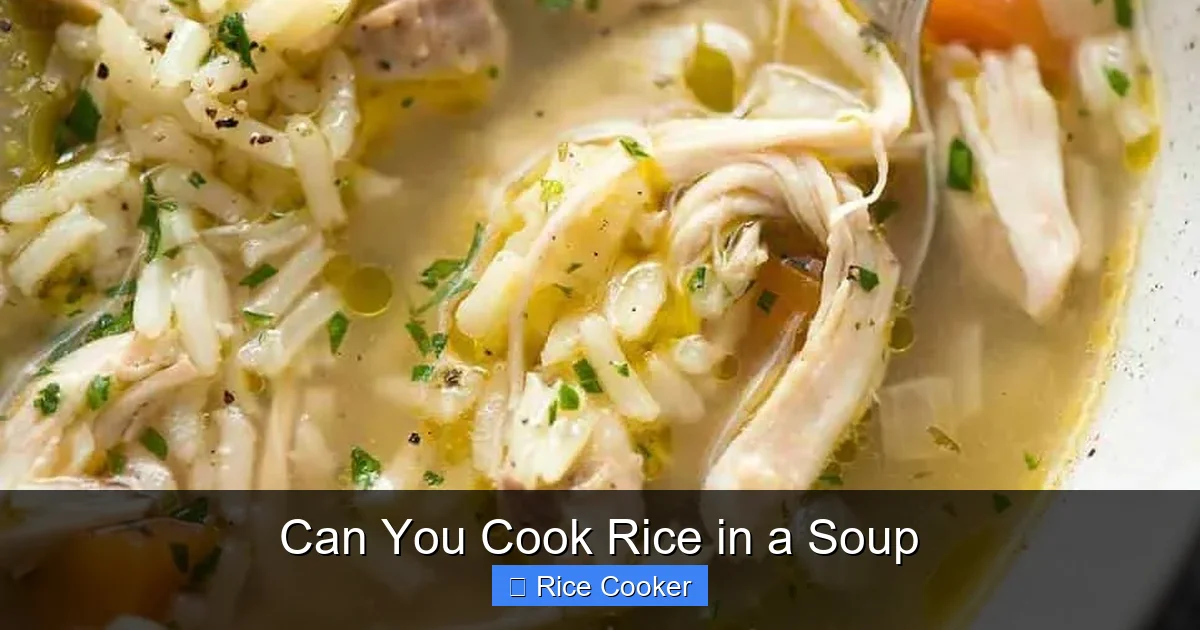
Visual guide about Can You Cook Rice in a Soup
Image source: recipetineats.com
When cooking rice in soup, the liquid acts as both a cooking medium and a flavor carrier. As the rice simmers, it soaks up the soup’s essence—herbs, spices, and aromatics—giving each bite depth and complexity. However, because soup often has salt, fat, and other ingredients already in it, the rice doesn’t need additional seasoning at the start. This makes the process simpler than traditional rice cooking methods. Still, timing and ratio are crucial. Too little liquid, and your rice might be undercooked. Too much, and your soup becomes thin and bland. The sweet spot? Usually around 1 part rice to 2 parts liquid.
Choosing the Right Rice for Soup Cooking
Not all rice types are created equal when it comes to soup cooking. While you can technically use any variety, some work better than others depending on your desired outcome. For example, if you want a light, fluffy side that doesn’t overpower your soup, opt for long-grain rice like basmati or American long grain. These grains hold their shape well and won’t gum up your broth.
On the other hand, if you’re aiming for a creamy, porridge-like consistency—like in a Vietnamese pho or a Spanish gazpacho with rice—short-grain rice is your best bet. Arborio, used in risotto, releases so much starch that it thickens the soup naturally. Just be mindful that too much starch can make your soup overly sticky or heavy. Another great option is brown rice, which adds fiber and nutrients but requires longer soaking and cooking times. It’s perfect for heartier soups like lentil or vegetable-based broths.
Glutinous rice, also known as sticky rice, should be used sparingly in soups unless you’re making a specific Asian dish like congee. Its intense stickiness can make cleanup difficult and alter the texture of lighter broths. Always rinse your rice before adding it to the soup unless you’re using instant or pre-rinsed varieties. This removes excess surface starch and prevents clumping. Rinsing also helps reduce stickiness and improves final texture.
Step-by-Step Guide: How to Cook Rice in Soup
Cooking rice in soup doesn’t have to be complicated. With a few simple steps, you can turn any soup into a complete meal. First, bring your soup to a gentle boil or simmer. If you’ve just finished sautéing onions, garlic, or vegetables, skip letting the soup cool—add the rice immediately while it’s still hot. This helps the rice cook evenly without absorbing excess air.
Next, measure your rice carefully. A general rule is 1 cup of uncooked rice per 2 cups of liquid (including soup stock). Stir in the rice gently to distribute it evenly. Reduce the heat to low-medium so the soup maintains a steady simmer—not a rolling boil, which can break apart delicate grains. Cover the pot loosely with a lid, leaving a small gap if possible, to allow steam to escape and prevent overflow.
Let the rice cook for 15 to 30 minutes, depending on the type. Check it halfway through and stir once or twice to prevent sticking. After the allotted time, taste a grain: it should be tender with a slight chew but no hard center. If it’s still firm, cover and cook another 3–5 minutes. Once done, remove the pot from heat and let it sit for 5 minutes off the burner. This resting period allows residual steam to finish cooking the rice gently. Fluff with a fork before serving.
Common Mistakes and How to Avoid Them
Even experienced cooks can run into trouble when adding rice to soup. One of the most common issues is overcooking, which leads to mushy, gluey grains. This usually happens when the soup is kept at a high boil or when too much rice is added relative to the liquid. To avoid this, maintain a gentle simmer and keep an eye on the clock. Stirring too often can also break apart the grains, especially with long-grain rice.
Another mistake is not rinsing the rice beforehand. Unrinsed rice can leave behind excess starch, causing the soup to cloud and the rice to clump. Always rinse under cold water until the water runs clear. Also, resist the urge to stir constantly—once every 5–7 minutes is enough. Over-stirring introduces air, which can make the rice dry or tough.
If your rice tastes bland, it’s likely because the soup wasn’t seasoned properly before adding the rice. Salt and spices infuse better during the initial cooking phase. Similarly, adding herbs late in the process (like fresh basil or cilantro) preserves their brightness, but if you’re cooking rice in a long-simmered stew, those flavors will blend in anyway. Lastly, never open the lid frequently while cooking—each time you do, heat escapes, slowing down the process and potentially leaving the rice undercooked.
Creative Ways to Use This Technique
The beauty of cooking rice in soup lies in its versatility. You can turn almost any broth-based dish into a one-pot masterpiece. Try adding jasmine rice to a Thai coconut curry for a creamy, fragrant base. Or toss in some wild rice to a hearty beef stew for extra earthiness and texture contrast. For a quick breakfast, stir cooked oats or quinoa into a warm fruit compote with cinnamon—yes, it works!
Vegetable soups are especially welcoming to rice additions. Think of a minestrone with orzo, a French onion soup with egg noodles (even though it’s not rice, the principle is the same), or a Moroccan chickpea stew with couscous. Protein-rich broths like bone broth or chicken soup pair beautifully with barley or orzo. And don’t forget desserts! Warm apple cider with a sprinkle of rice pudding mix creates a cozy fall treat.
You can also layer flavors by adding different ingredients at various stages. For instance, add carrots and celery early, then toss in rice mid-cooking, and finish with spinach or kale near the end. This ensures each component cooks just right. Experimentation is encouraged—your taste buds will thank you.
Tips for Perfect Results Every Time
Want consistent success? Here are some pro tips to elevate your rice-in-soup game. First, always use a wide-bottomed pot with a fitted lid. This distributes heat evenly and minimizes evaporation. Second, consider soaking your rice for 15–20 minutes before cooking. This shortens active cooking time and yields softer grains.
Third, adjust the soup-to-rice ratio based on personal preference. Want a thicker soup? Use less rice. Prefer a side dish feel? Add more liquid. Fourth, if your soup is very salty, you might want to dilute it slightly with water or broth before adding rice—too much salt can overwhelm delicate grains.
Fifth, use a timer and check the rice periodically. Internal temperature matters too: insert a thermometer into the rice—it should read between 195°F and 205°F when done. Finally, clean your pot while it’s still warm but not scalding hot. Cold water can cause stainless steel or nonstick coatings to warp or peel.
Conclusion: Embrace the Simplicity
Cooking rice in soup is more than just a shortcut—it’s a smart, flavorful way to build complete meals with minimal effort. Whether you’re whipping up a weekday dinner or preparing a cozy weekend stew, this technique lets you combine grains, liquids, and seasonings into one harmonious dish. With the right rice, proper ratios, and careful timing, you’ll never look at soup the same way again.
So next time you’re simmering a pot of broth, remember: add a handful of rice, give it a gentle stir, and let it do the rest. Your future self—hungry and happy—will thank you. And who knows? You might just rediscover your love for one-pot wonders.
Frequently Asked Questions
Can I use any type of rice for soup?
Most rice types work, but long-grain rice like basmati stays fluffy, while short-grain like arborio thickens the soup. Choose based on your texture preference.
How much rice should I add to my soup?
A good starting point is 1 cup of uncooked rice per 2 cups of liquid. Adjust based on how thick you want your soup or how much rice you’d like as a side.
Do I need to rinse the rice before adding it to soup?
Yes, rinsing removes excess starch and prevents clumping. Rinse until the water runs clear for best results.
Will the rice absorb all the soup liquid?
Not necessarily. Some liquid remains, which keeps the soup flavorful and moist. If it seems too dry, add a splash of water or broth.
Can I add rice to cold soup?
No, always add rice to hot, simmering liquid. Adding cold rice to hot soup causes uneven cooking and can break apart delicate grains.
Is it safe to leave rice in soup overnight?
Only if it’s stored safely in the refrigerator and reheated thoroughly. Raw rice in soup left at room temperature can harbor bacteria. Better to cook it fresh.