
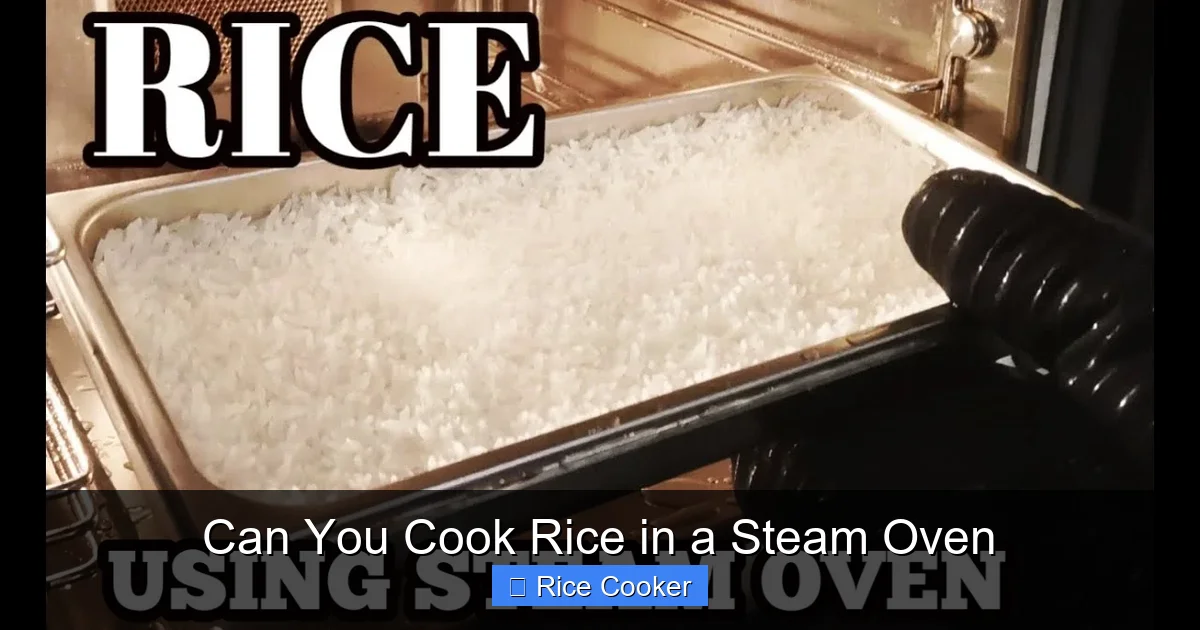
Yes, you absolutely can cook rice in a steam oven—and it’s one of the healthiest, most precise ways to do it. Steam ovens use gentle, moist heat to cook rice evenly without drying it out, preserving nutrients and enhancing natural flavors. With the right setup and timing, your rice will be fluffy, tender, and restaurant-quality.
Key Takeaways
- Steam ovens are excellent for cooking rice: They provide consistent moisture and even heat, which is ideal for grains like rice that need steady hydration.
- No need for a separate rice cooker: While traditional rice cookers work well, steam ovens offer more control over temperature and don’t require constant monitoring.
- Nutrient retention is higher: Steaming preserves vitamins and minerals better than boiling or frying due to minimal water contact and no added fats.
- Texture matters: Different rice types (white, brown, jasmine, basmati) may require slightly different settings—adjust water ratios and cooking times accordingly.
- Cleanup is easier: Using a steaming tray or dish reduces mess compared to pots on stovetops, especially when cooking multiple dishes.
- Energy efficiency: Steam ovens cook faster and use less energy than conventional ovens or stovetop methods for rice.
- Versatility beyond rice: Once mastered, steaming in an oven opens the door to cooking vegetables, eggs, fish, and more—all with perfect tenderness.
📑 Table of Contents
- Can You Cook Rice in a Steam Oven? The Ultimate Guide to Perfect Results
- The Science Behind Steaming Rice
- Types of Rice Best Suited for Steaming
- Step-by-Step Guide: How to Cook Rice in a Steam Oven
- Common Mistakes and How to Avoid Them
- Health Benefits of Steamed Rice
- Beyond Basic Rice: Creative Uses for Your Steam Oven
- Comparing Steam Oven vs. Traditional Rice Cooker
- Tips for First-Time Users
- Conclusion: Embrace the Power of Steam
Can You Cook Rice in a Steam Oven? The Ultimate Guide to Perfect Results
Have you ever stood over a pot of boiling rice on the stove, watching the water evaporate too quickly, only to end up with mushy or undercooked grains? Or maybe you’ve tried using your fancy new steam oven but weren’t sure if it could handle something as simple—yet finicky—as rice? If so, you’re not alone. Cooking rice might seem straightforward, but getting it just right takes precision, timing, and sometimes a little trial and error.
But here’s the good news: yes, you can absolutely cook rice in a steam oven, and doing so offers several advantages over traditional methods. From retaining more nutrients to achieving consistently fluffy results, steam ovens bring science and simplicity together in one appliance. In this guide, we’ll walk you through everything you need to know—from choosing the right rice type to mastering the perfect steaming technique. Whether you’re a kitchen newbie or a seasoned home cook looking to expand your repertoire, this article will help you unlock the full potential of your steam oven when it comes to preparing one of the world’s most beloved staples: rice.
The Science Behind Steaming Rice
Why Steaming Works So Well
Steaming rice isn’t magic—it’s physics and chemistry working together. When rice absorbs water and is exposed to moist heat, the starch granules inside swell and gelatinize, turning raw grains into soft, edible morsels. Unlike boiling, where excess water washes away starches and nutrients, steaming keeps those elements locked in. Plus, because the environment is humid and stable, heat distributes evenly throughout the container, preventing hot spots that lead to uneven cooking.
How Steam Ovens Differ from Traditional Stovetops
A steam oven uses pressurized or convection-assisted steam to cook food, often at lower temperatures than a standard oven. This means less risk of burning or drying out your rice. On the stovetop, controlling temperature requires constant attention—turning the burner up too high causes scorching; turning it down too low leads to mush. With a steam oven, once you set the timer, you can focus on other tasks while the machine does the work.
Types of Rice Best Suited for Steaming
White Rice (Short-Grain)
Popular in Asian cuisines, short-grain white rice sticks together slightly when cooked, making it ideal for sushi or rice bowls. It cooks quickly in a steam oven—usually around 15–20 minutes depending on quantity—and benefits from precise humidity control to avoid clumping.
Long-Grain Varieties (Basmati & Jasmine)
These aromatic rices expand more during cooking and tend to stay separate. Basmati, commonly used in Indian and Pakistani dishes, needs about 25–30 minutes in a steam oven at 212°F (100°C). Jasmine adds floral notes and pairs beautifully with Thai curries.
Brown Rice
Higher in fiber and nutrients, brown rice takes longer to cook due to its tough outer bran layer. Expect 35–45 minutes at full steam. Because it retains more moisture naturally, you may want to reduce water slightly compared to white rice.
Sushi Rice vs. Regular White Rice
If you’re aiming for authentic sushi rice, stick to short-grain Japanese varieties. The key is rinsing thoroughly before steaming to remove excess surface starch, then adding just enough water so the grains remain firm but tender.
Step-by-Step Guide: How to Cook Rice in a Steam Oven
Choosing the Right Container
Not all containers are created equal. Use a heat-safe, wide-based steamer basket or baking dish that fits snugly inside your oven’s cavity. Glass or ceramic dishes work best—avoid aluminum, which can react with acidic ingredients. Line the bottom with parchment paper if concerned about sticking.
Measuring Water Accurately
The golden rule: more water doesn’t always mean better rice. Too much turns your grains soggy; too little dries them out. A general ratio is 1 cup of uncooked rice to 1.2–1.5 cups of water, adjusted by rice type. For example:
- White rice: 1:1.25
- Brown rice: 1:1.5
- Jasmine/Basmati: 1:1.2
Preheating the Oven
Most steam ovens benefit from preheating to ensure consistent temperature from the start. Set it to “Steam” mode and allow 5–10 minutes for the chamber to reach full humidity. This prevents initial temperature drops that can stall cooking.
Cooking Times by Type
| Rice Type | Water Ratio | Prep Time | Steaming Duration |
|---|---|---|---|
| White (short-grain) | 1:1.25 | 5 min soak | 18 min |
| Brown | 1:1.5 | 10 min soak | 40 min |
| Basmati | 1:1.2 | No soak needed | 28 min |
| Jasmine | 1:1.2 | No soak needed | 26 min |
Finishing Touches
After steaming, let the rice rest covered for 5–10 minutes. This allows residual steam to finish hydrating the grains evenly. Then fluff gently with a fork—never mash! Overworking breaks apart delicate strands.
Common Mistakes and How to Avoid Them
Mistake #1: Using Too Much Water
This is the #1 cause of mushy rice in any method. Remember: steam ovens retain moisture better than stovetops, so err on the dry side initially. You can always add a splash later if needed, but you can’t undo oversaturation.
Mistake #2: Not Rinsing the Rice
Especially true for white and sushi rice. Rinsing removes excess starch, preventing gummy textures. Just swish grains in cold water until it runs clear.
Mistake #3: Overcrowding the Dish
Packing rice too tightly restricts steam circulation. Leave at least an inch of space between layers and edges of the container.
Mistake #4: Skipping the Resting Period
Rushing this step leads to uneven consistency. Patience pays off—trust the process!
Health Benefits of Steamed Rice
Nutrient Preservation
Unlike boiling, where up to 60% of B vitamins and minerals leach into the water, steaming keeps most intact. That’s especially important for brown rice, which contains magnesium, selenium, and fiber.
Lighter Digestion
Because steaming doesn’t add oil or fat, it supports easier digestion—great for people with sensitive stomachs or those following low-fat diets.
Lower Glycemic Index Option
While all rice affects blood sugar, properly steamed brown rice has a slower glucose release than processed white rice, helping maintain stable energy levels.
Beyond Basic Rice: Creative Uses for Your Steam Oven
Steamed Vegetables with Rice
Cook rice and broccoli or carrots together in the same dish! Add a dash of soy sauce or herbs for a complete meal with zero cleanup.
Protein Pairings
Place chicken breasts or tofu next to your rice tray. Both absorb steam flavors beautifully and cook simultaneously.
Infused Rice Dishes
Add lemon zest, bay leaves, or garlic cloves to the water for fragrant variations—perfect for pilafs or biryanis without complex prep.
Comparing Steam Oven vs. Traditional Rice Cooker
Both appliances excel at making rice, but they serve different lifestyles:
- Steam Oven Pros: Multi-functional (can bake, roast, steam veggies), larger capacity, consistent results.
- Rice Cooker Pros: Simplicity, automatic keep-warm function, compact size.
If you already own a steam oven and want to maximize its utility, learning to cook rice there eliminates the need for yet another countertop device.
Tips for First-Time Users
- Start with small batches (½ cup) until you master ratios.
- Use a kitchen scale for accuracy—especially helpful with long-grain rices.
- Keep a log of your experiments: note rice type, water amount, and final texture.
- Clean your steamer basket after each use to prevent mineral buildup.
Conclusion: Embrace the Power of Steam
Cooking rice in a steam oven isn’t just possible—it’s arguably superior to older methods. With minimal effort, you gain control over texture, nutrition, and flavor. No more guessing games or last-minute rescues of burnt pots. Instead, enjoy perfectly fluffy, evenly cooked grains every single time. Whether you’re feeding a family or preparing a solo meal, mastering this technique transforms your steam oven from a specialty gadget into a kitchen workhorse. So go ahead—grab your favorite rice, measure wisely, hit start, and discover why steam cooking is the future of home meals.
Frequently Asked Questions
Can I cook instant rice in a steam oven?
Yes, but it’s unnecessary. Instant rice is pre-cooked and usually only needs reheating. Steaming it may overdo the texture. Stick to regular rice for best results.
Do I need to add oil or butter when steaming rice?
No. Unlike stovetop cooking, oil isn’t required since steam prevents sticking. Adding fat is optional if you prefer richer flavor.
What happens if my rice is still hard after steaming?
It likely didn’t absorb enough water or wasn’t steamed long enough. Try returning it to the oven with a splash of extra water for 5 more minutes.
Can I cook frozen rice in a steam oven?
Technically yes, but thaw it first for even heating. Frozen rice can create uneven textures due to ice crystals.
Is a steam oven worth buying just for rice?
If you eat rice daily or value multi-functionality, yes. Otherwise, a dedicated rice cooker may suffice. But steam ovens offer unmatched versatility.
How do I clean my steam oven after cooking rice?
Wipe interior surfaces with a damp cloth. Remove and wash the steamer basket separately. Avoid submerging electronic components.