
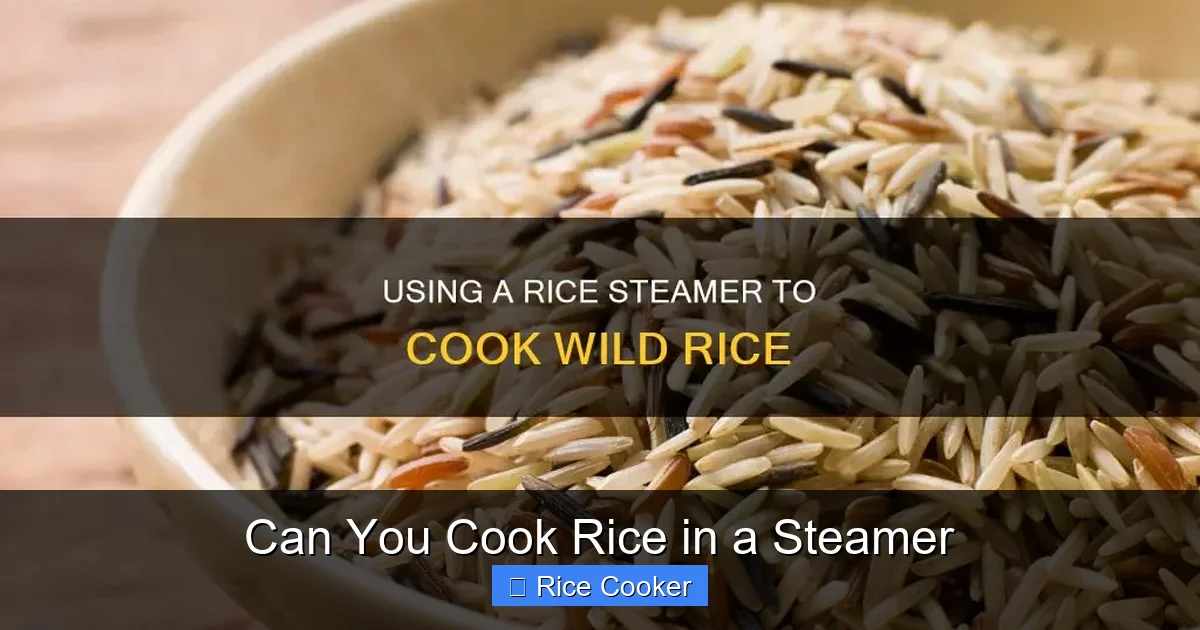
Can you cook rice in a steamer? Absolutely! Steaming is a gentle, hands-off method that produces tender, fluffy rice without sticking to the pot. Whether you’re using a bamboo steamer or an electric food steamer, this technique delivers consistent, delicious results with minimal cleanup.
Have you ever stared at a pot of rice on the stove, worried it’s going to burn or stick, only to end up with a mushy mess? Or maybe you’ve heard about people cooking rice in steamers and wondered if it’s really possible. Well, guess what—yes, you absolutely can cook rice in a steamer, and doing so might just become your new favorite way to prepare it.
Steaming rice is a time-honored technique used across cultures, from Chinese dim sum to Japanese bento boxes. It’s gentle, efficient, and yields perfectly cooked grains every time—fluffy, separate, and full of natural flavor. And the best part? You don’t need fancy equipment or hours of prep. With just a few simple steps, you can transform plain white or brown rice into something truly special.
In this guide, we’ll walk you through everything you need to know about cooking rice in a steamer. We’ll cover the science behind why it works, the best types of rice to use, step-by-step instructions, pro tips for perfect results, and even how to add extra flavor without overcomplicating things. By the end, you’ll feel confident turning any steamer into your personal rice-making station.
So grab your steamer, measure out some rice, and let’s get started!
Key Takeaways
- Yes, you can cook rice in a steamer: Steaming rice is not only possible—it’s one of the healthiest and most reliable methods, producing light, fluffy grains every time.
- Different rice types work well: White rice, brown rice, jasmine, basmati, and even wild rice can all be steamed successfully with the right preparation.
- You’ll need the right setup: A multi-tiered steamer with a tight-fitting lid and adequate drainage is essential for even heat distribution.
- Steaming preserves nutrients: Unlike boiling, which leaches vitamins and minerals into water, steaming keeps more nutrients intact.
- Cooking times vary: Brown rice takes longer (35–45 minutes), while white rice cooks faster (15–20 minutes)—always follow grain-specific guidelines.
- Add flavor without salt: Enhance taste with broth, herbs, or aromatics like bay leaves and garlic instead of relying on added sodium.
- Cleanup is easy: Since no oil or excess liquid is used, scrubbing a steamer is far simpler than cleaning a greasy stovetop pot.
📑 Table of Contents
- The Science Behind Steaming Rice
- What Kind of Rice Can Be Cooked in a Steamer?
- Choosing the Right Steamer
- Step-by-Step Guide: How to Cook Rice in a Steamer
- Pro Tips for Perfect Steamed Rice
- Common Mistakes and How to Avoid Them
- Serving Suggestions and Creative Variations
- Is Steamed Rice Healthier Than Boiled or Stovetop Rice?
- Frequently Asked Questions About Cooking Rice in a Steamer
The Science Behind Steaming Rice
Before we jump into recipes and techniques, let’s talk about why steaming rice actually works so well. At its core, steaming uses convection heat—hot air rising from a boiling water source—to gently cook the rice grains. This method differs significantly from boiling, where rice is submerged in water, often leading to starch loss and mushiness.
When you boil rice, especially white rice, the starches dissolve into the water, making the grains sticky and reducing their nutritional value. But when you steam, the rice sits above the water line, absorbing moisture through condensation. This means the grains cook evenly from the inside out without being battered by direct heat or submerged in excess liquid.
Another benefit? Steaming helps preserve water-soluble vitamins like B1 and B6, which tend to wash away during boiling. So not only does your rice come out fluffier, but it’s also healthier.
Plus, because there’s no risk of burning or scorching (thanks to indirect heat), you can set it and forget it. Just add water, bring it to a boil, toss in your rinsed rice, cover, and let the magic happen.
What Kind of Rice Can Be Cooked in a Steamer?
Not all rice is created equal—and not all are suited for steaming. But the good news is, most common varieties do well in a steamer. Here’s a breakdown:
White Rice
White rice is the easiest to cook via steaming. Its refined grains absorb steam quickly and produce a light, tender texture ideal for pairing with curries, stir-fries, or grilled meats. Short-grain varieties like sushi rice are particularly popular for steaming because they stay compact and sticky enough for rolls but still fluff nicely.
Brown Rice
Brown rice has a tougher outer bran layer, so it needs more time and moisture to soften. However, it responds beautifully to steaming once properly prepared. The result? Chewier, nuttier grains packed with fiber and nutrients. Just remember: brown rice typically takes 35–45 minutes to fully cook.
Jasmine and Basmati Rice
These aromatic long-grain rices are staples in Southeast Asian and Middle Eastern cuisines. When steamed, they release floral or nutty scents and develop a distinct separation between grains. Jasmine rice becomes slightly sticky yet firm; basmati stays dry and fluffy—perfect for biryanis or pilafs.
Wild Rice
Though technically a grass seed, wild rice behaves much like other whole grains when steamed. It takes the longest to cook (up to 50 minutes), but the payoff is worth it: chewy, earthy kernels with a beautiful speckled appearance.
Instant or Pre-cooked Rice
While not ideal for traditional steaming, leftover or instant rice can be reheated gently in a steamer basket over simmering water. This revives stale grains without drying them out.
Choosing the Right Steamer
Not all steamers are built the same. To cook rice effectively, you’ll want a model that supports even heating and proper airflow. Here’s what to look for:
Bamboo Steamers
Classic, eco-friendly, and great for dumplings or vegetables, bamboo steamers work surprisingly well for rice—especially when paired with a wok or large pot. They allow steam to circulate freely, preventing sogginess. Just make sure the holes aren’t too small, or the rice may dry out.
Electric Food Steamers
Modern and convenient, electric steamers come with preset timers and multiple baskets. Some even have dedicated “rice” settings that automatically adjust temperature and duration. Look for models with non-stick trays and clear lids so you can monitor progress.
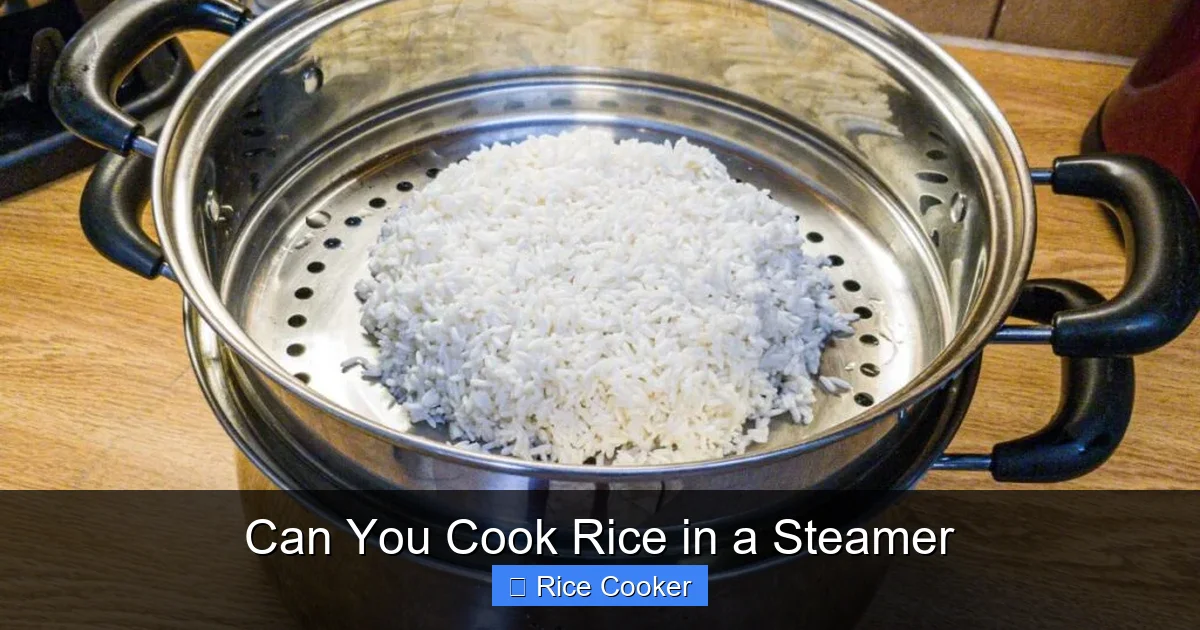
Stovetop Steamers
These are essentially metal bowls with perforated bottoms that sit inside a pot of boiling water. They’re affordable and widely available. Ensure the steamer fits snugly under your lid to trap steam efficiently.
Tips for Using Any Steamer
– Use a trivet or folded paper towel under the rice basket to prevent splashes.
– Never fill the pot more than halfway with water to avoid overflow.
– Keep the lid on at all times to maintain consistent steam pressure.
– If your steamer has no markings, test doneness by poking a grain—it should be tender but not mushy.
Step-by-Step Guide: How to Cook Rice in a Steamer
Ready to try it yourself? Follow these simple steps for foolproof steamed rice every time.
Step 1: Rinse Your Rice
Washing removes excess starch and dust. Place your rice in a fine-mesh strainer and rinse under cold water until the water runs clear. For brown rice, soak for 20–30 minutes beforehand to reduce cooking time.
Step 2: Add Flavor (Optional)
Instead of salt, try adding:
– A splash of chicken or vegetable broth for depth
– A bay leaf or slice of ginger for aroma
– A drizzle of coconut oil (great with tropical dishes)
– A pinch of turmeric or saffron for color and flavor
Step 3: Set Up the Steamer
Fill your pot with about 1–2 inches of water—just enough to create steam but not submerge the base. Bring to a rolling boil over high heat.
Step 4: Layer the Rice
Place your rinsed (and possibly soaked) rice in the steamer basket. Spread it evenly so steam reaches all grains.
Step 5: Cover and Cook
Put the lid on tightly. Reduce heat to medium-low and let it steam:
– White rice: 15–20 minutes
– Brown rice: 35–45 minutes
– Jasmine/basmati: 18–22 minutes
– Wild rice: 45–50 minutes
Avoid lifting the lid frequently—each peek releases precious steam.
Step 6: Let It Rest
Once done, turn off the heat and let the rice sit covered for 5–10 minutes. This allows residual steam to finish cooking the center and firms up the texture.
Step 7: Fluff and Serve
Use a fork to gently fluff the rice—don’t mash it! Serve immediately with your favorite sides.
Pro Tips for Perfect Steamed Rice
Want to take your steamed rice from good to legendary? Try these expert tricks:
– **Don’t skip soaking**: Especially for brown or wild rice, soaking softens the grains and cuts cooking time.
– **Use the right water ratio**: While steaming doesn’t require precise measurements like boiling, aim for about 1 cup of water per 1 cup of dry rice in the pot (not the basket).
– **Preheat your steamer**: Starting with hot water ensures faster, more uniform cooking.
– **Add a tea bag**: Steeping black or green tea in the water imparts subtle flavor—great for savory dishes.
– **Try a parchment paper barrier**: Line the basket with parchment to prevent tiny grains from falling through holes.
– **Experiment with liquids**: Replace half the water with apple juice, coconut milk, or even beer for unique twists.
Common Mistakes and How to Avoid Them
Even experienced cooks run into hiccups. Here’s how to dodge the most frequent pitfalls:
– **Rice is gummy or mushy**: Usually caused by too little water or overcooking. Stick to recommended times and ensure your steamer isn’t overcrowded.
– **Grains are hard in the center**: Often due to insufficient soaking or low heat. Stir occasionally if possible (though not always practical), and keep the lid sealed.
– **Steam escapes and rice dries out**: Check that your lid fits snugly. If needed, place a kitchen towel between the pot rim and lid to seal gaps.
– **Burned bottom layer**: Make sure your pot has enough water and that the steamer sits above it—never let the basket touch the water directly.
Serving Suggestions and Creative Variations
Steamed rice isn’t just for side dishes—it’s the canvas for countless meals. Here’s how to elevate it:
– **Fried rice**: Cool steamed rice overnight, then stir-fry with veggies, eggs, and soy sauce.
– **Risotto base**: Slowly stir in warm broth while the rice is still hot to create a creamy consistency.
– **Pilaf**: Sauté onions and spices in a bit of oil before steaming, infusing the rice with flavor.
– **Sushi rice**: Steam short-grain rice with a touch of rice vinegar and sugar for authentic texture.
– **Dessert rice pudding**: Steam rice with milk, cinnamon, and raisins for a comforting treat.
And yes—you can definitely cook rice in a steamer for international dishes like Chinese congee (if you grind the rice first), Japanese onigiri, or Indian biryani layered with meat and herbs.
Is Steamed Rice Healthier Than Boiled or Stovetop Rice?
Absolutely. Compared to boiled rice, steamed rice retains more nutrients because it avoids prolonged contact with water. And unlike stovetop cooking—which often requires constant stirring or risk of burning—steaming is low-maintenance and energy-efficient.
Studies show that microwaved rice can lose texture, while oven-baked rice tends to dry out. Steaming strikes the sweet spot: moist, tender, and evenly cooked without added fats or oils.
Plus, since you control what goes into the pot (broth, herbs, etc.), you can tailor the dish to dietary needs—low-sodium, vegan, gluten-free, you name it.
Frequently Asked Questions About Cooking Rice in a Steamer
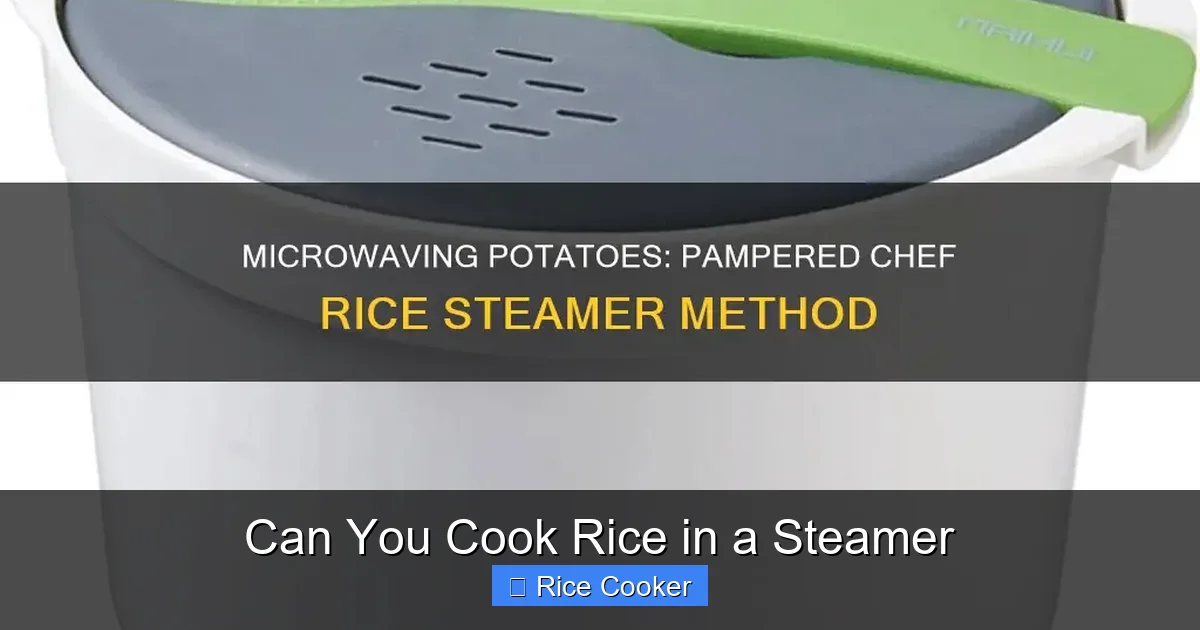
Can I use a microwave-safe bowl as a steamer?
Technically yes, but it won’t distribute heat evenly. For best results, use a proper steamer basket or stovetop setup.
Visual guide about Can You Cook Rice in a Steamer
Image source: cycookery.com
Visual guide about Can You Cook Rice in a Steamer
Image source: ianbenites.com
Do I need to add oil to steamed rice?
No—unlike frying or baking, steaming doesn’t require oil. The natural moisture from steam does the job.
How do I store leftover steamed rice?
Cool completely, transfer to an airtight container, and refrigerate for up to 4 days. Reheat in a steamer or microwave with a damp paper towel.
Can I cook rice and veggies together in the same steamer?
Yes! Just place denser vegetables (like carrots) below rice, and delicate ones (like broccoli) above. Adjust timing accordingly.
Why is my steamed rice sometimes still crunchy?
This usually means insufficient soaking or low heat. Try soaking longer next time and ensure your water is boiling vigorously before adding rice.
Is a bamboo steamer better than plastic or metal?
Bamboo is breathable and prevents sticking, but modern silicone or stainless steel baskets are durable and reusable. Choose based on your kitchen setup.
Frequently Asked Questions
Can I use a microwave-safe bowl as a steamer?
Technically yes, but it won’t distribute heat evenly. For best results, use a proper steamer basket or stovetop setup.
Do I need to add oil to steamed rice?
No—unlike frying or baking, steaming doesn’t require oil. The natural moisture from steam does the job.
How do I store leftover steamed rice?
Cool completely, transfer to an airtight container, and refrigerate for up to 4 days. Reheat in a steamer or microwave with a damp paper towel.
Can I cook rice and veggies together in the same steamer?
Yes! Just place denser vegetables (like carrots) below rice, and delicate ones (like broccoli) above. Adjust timing accordingly.
Why is my steamed rice sometimes still crunchy?
This usually means insufficient soaking or low heat. Try soaking longer next time and ensure your water is boiling vigorously before adding rice.
Is a bamboo steamer better than plastic or metal?
Bamboo is breathable and prevents sticking, but modern silicone or stainless steel baskets are durable and reusable. Choose based on your kitchen setup.