
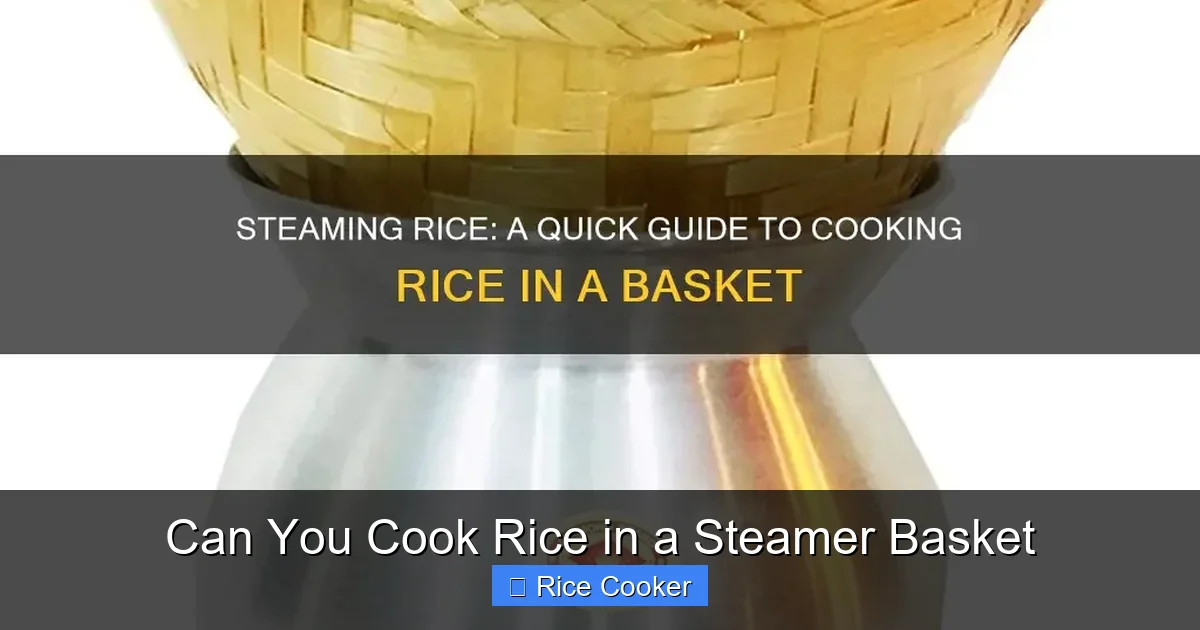
You can definitely cook rice in a steamer basket, and it’s a great way to make fluffy, flavorful rice without needing a rice cooker. With the right setup and timing, steaming rice gives you tender grains with minimal effort. Whether you’re using a stovetop steamer or a pot with a bamboo insert, this method works well for most rice types.
Have you ever wondered if you can cook rice in a steamer basket? Maybe you don’t own a rice cooker, or perhaps you’re just curious about alternative cooking methods. The good news is—yes, you absolutely can! In fact, steaming rice in a basket is not only possible but also yields wonderfully fluffy and evenly cooked grains when done right. Whether you’re using a traditional bamboo steamer, a metal colander, or even a large pot with a fitted lid, there are multiple ways to turn raw rice into a delicious side dish. Let’s dive into everything you need to know about cooking rice in a steamer basket, including tips, techniques, and troubleshooting advice.
Cooking rice in a steamer basket might sound unconventional at first, especially if you’re used to relying on an electric rice cooker. But this method has been used for centuries in many cultures around the world—think Chinese dim sum, Japanese onigiri, or Indian biryanis. It’s all about using steam to gently cook the rice while keeping it moist and light. No electricity required, no complicated settings, just simple kitchen tools and a bit of patience. Plus, steaming helps retain more nutrients than boiling, making it a healthier option. So whether you’re preparing jasmine, basmati, brown rice, or wild rice, you can adapt this method to suit your needs. And the best part? It’s budget-friendly and uses gear you likely already own.
Key Takeaways
- Steaming is effective: You can cook rice in a steamer basket just fine, especially if you have the right equipment and technique.
- Use the right vessel: A pot with a tight-fitting lid and a steamer basket works best—no special tools needed.
- Rinse before cooking: Washing your rice removes excess starch and helps prevent mushiness.
- Water ratio matters: Typically, use 1½ cups of water per cup of rice, but adjust based on grain type.
- Let it steam undisturbed: After boiling, keep the heat low and cover tightly so the rice finishes cooking evenly.
- Fluff gently: Once done, fluff the rice with a fork to separate the grains and release steam.
- Ideal for healthy meals: Steamed rice pairs perfectly with stir-fries, soups, and grilled proteins.
📑 Table of Contents
What You Need to Cook Rice in a Steamer Basket
Before jumping into the cooking process, let’s talk about what you’ll need. You don’t need a fancy appliance—just a few basic items that are common in most kitchens.
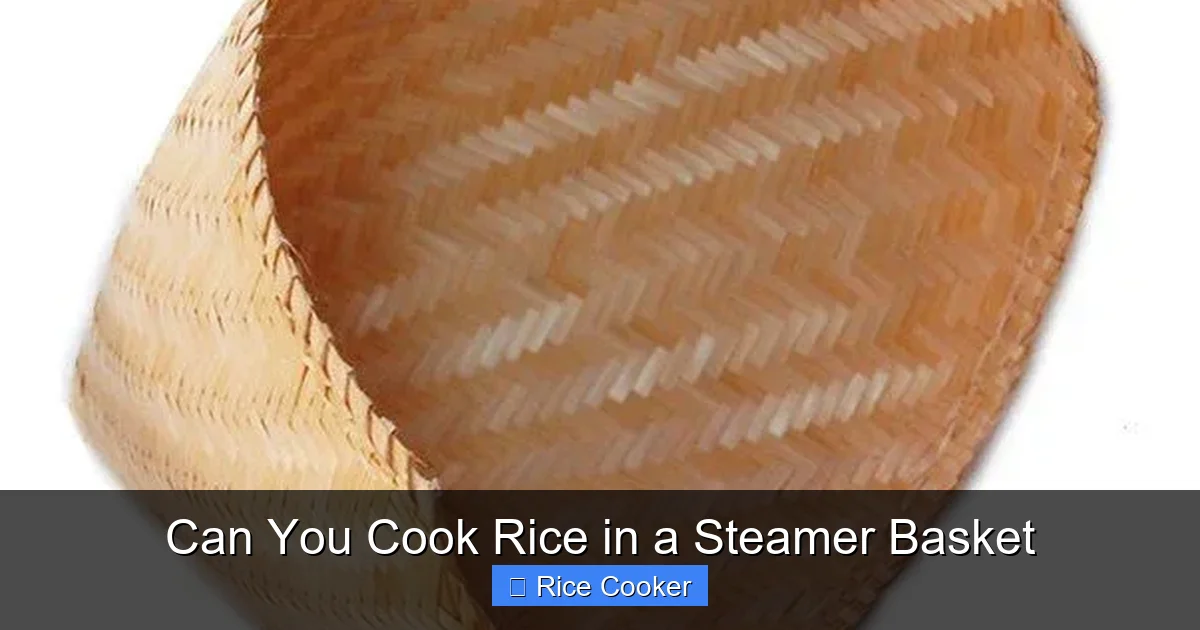
First, you’ll need a pot large enough to hold your rice and water, with a lid that seals well. A heavy-bottomed pot is ideal because it distributes heat evenly and prevents scorching. Next, you’ll want a steamer basket that fits snugly inside the pot. This can be a metal colander, a bamboo steamer, or even a stainless steel bowl with holes drilled in it (though the latter requires a bit more DIY). Make sure the basket allows steam to circulate freely around the rice.
You’ll also need measuring cups, a strainer (for rinsing), and a fork or spoon for fluffing once the rice is done. Oh, and don’t forget your favorite rice variety! White rice, brown rice, jasmine, basmati—they all work, though some grains respond better to steaming than others.
If you’re using a bamboo steamer, it’s best to line the bottom with cheesecloth or parchment paper to prevent rice from falling through. Also, preheat your pot with a little oil or water to avoid sticking. These small steps make a big difference in the final result.
Types of Steamer Baskets You Can Use
Not all steamer baskets are created equal. Here’s a quick rundown of the most common options:
– Bamboo steamers: Traditional and eco-friendly, these are great for delicate foods like dumplings and fish. They’re lightweight but can warp over time if exposed to too much moisture.
– Metal colanders: Affordable and widely available, these work well for larger quantities of rice. Just ensure they fit securely in your pot.
– Stainless steel bowls: Some people repurpose salad bowls with holes punched in the sides as makeshift steamers. While creative, this isn’t recommended for frequent use due to safety concerns.
– Electric steamers: If you invest in one of these, you get precise temperature control and multiple trays—ideal for cooking different foods at once.
For beginners, a simple metal colander or bamboo steamer paired with a standard pot is the easiest setup. As you gain confidence, you can experiment with stacking steamers or adding flavorful liquids like broth instead of plain water.
Step-by-Step Guide: How to Cook Rice in a Steamer Basket
Visual guide about Can You Cook Rice in a Steamer Basket
Image source: uniquely-thai.com
Now that you’re equipped with the right tools, let’s walk through the process step by step. Don’t worry—it’s simpler than it sounds!
Start by measuring your rice. A good rule of thumb is one cup of uncooked rice for about two cups of cooked rice. Rinse the rice under cold running water until the water runs clear. This removes excess starch and prevents clumping. Place the rinsed rice in your steamer basket and set it aside.
Fill your pot with about 1½ inches of water. Bring it to a boil over high heat. Once boiling, reduce the heat to medium-low so the water simmers gently. Carefully place the steamer basket into the pot, ensuring it sits above the water level and doesn’t touch the bottom. Cover the pot tightly with a lid—this traps the steam and cooks the rice evenly.
Let the rice simmer for about 18–25 minutes, depending on the type of rice. White rice usually takes 18–20 minutes, while brown rice may need up to 30 minutes. You’ll know it’s done when the water has evaporated and the rice feels tender but still slightly firm to the bite.
Once finished, remove the basket from the pot and let the rice sit, covered, for five minutes. This allows any remaining steam to finish cooking the grains. Finally, fluff the rice gently with a fork to separate the grains. Avoid pressing down—you want light, airy rice, not mashed potatoes.
Tips for Perfect Steamed Rice Every Time
Even experienced cooks make mistakes sometimes. Here are some pro tips to help you nail it:
– Don’t lift the lid: Resist the urge to peek! Opening the pot lets steam escape, which can dry out the rice or make it unevenly cooked.
– Use a timer: Set a countdown so you don’t accidentally overcook or undercook the rice.
– Add flavor (optional): Swap plain water for chicken broth, coconut milk, or vegetable stock for extra taste.
– Prevent sticking: Lightly grease the steamer basket or line it with parchment paper.
– Adjust water for altitude: At higher elevations, rice may take longer to cook due to lower boiling points. Add a tablespoon or two of extra water if needed.
With practice, you’ll develop a sense of when the rice is ready just by looking or feeling the texture. But starting with these guidelines ensures consistent success.
Can All Types of Rice Be Cooked This Way?
Visual guide about Can You Cook Rice in a Steamer Basket
Image source: images-na.ssl-images-amazon.com
One question many people ask is whether all rice varieties can be steamed in a basket. The short answer: mostly yes—but with some caveats.
White rice (e.g., Jasmine, Basmati): These work beautifully in a steamer basket. They cook quickly and become fluffy and fragrant. Just remember to rinse them thoroughly beforehand.
Brown rice: Yes, but it takes longer—usually 25–30 minutes instead of 18–20. Because the bran layer slows absorption, you may need a bit more water. Try 1¾ cups of water per cup of rice.
Wild rice: This is trickier. Wild rice has long, stringy grains that can break easily. Steaming might cause them to clump. If you want to try it, use a very gentle heat and monitor closely.
Purple or black rice: These heirloom varieties are nutritious and colorful, but they require longer cooking times and more water. Steaming works, but expect a firmer texture.
Sushi rice: Generally not recommended for steaming. Sushi rice is sticky by design, and steaming tends to make it too soft or gluey. Stick to the rice cooker for sushi prep.
In summary, most common rice types are compatible with the steamer basket method. Experiment with different grains to find your favorites. And don’t be afraid to tweak ratios and timings based on your specific brand or batch.
Common Mistakes and How to Avoid Them
Even with the best intentions, things can go wrong. Here are the most common issues and how to fix them:
– Mushy rice: Usually caused by too much water or lifting the lid during cooking. Measure carefully and stay covered.
– Undercooked centers: Happens when heat is too high or water evaporates too fast. Reduce heat and add a splash more water if needed.
– Rice stuck to the basket: Always use a liner or light oil coating. Never skip rinsing either.
– Inconsistent texture: Uneven heat distribution can happen in cheap pots. Upgrade to a heavier-bottomed pot if this keeps happening.
Learning from these mistakes makes you a better cook. Keep notes on what works for you, and soon you’ll have a foolproof routine.
Benefits of Cooking Rice in a Steamer Basket
Why choose this method over a rice cooker? There are several advantages.
First, it’s energy-efficient. A rice cooker uses electricity constantly, even after cooking. With a stovetop steamer, you only use heat when actively boiling water. That saves power and lowers your utility bills.
Second, it’s versatile. While a rice cooker only does rice, a steamer basket lets you cook veggies, eggs, fish, and more simultaneously. Imagine steaming broccoli while the rice finishes—no extra dishes to clean!
Third, it preserves nutrition. Steaming doesn’t submerge rice in water like boiling does, so fewer vitamins leach out. You get more intact nutrients in each bite.
Fourth, it’s low-maintenance. No buttons, sensors, or digital displays to mess with. Just watch the timer and enjoy.
Finally, it connects you to culinary traditions. Many Asian cuisines rely heavily on steaming, and learning this method brings authenticity to your meals.
Of course, rice cookers have their place—especially for busy households or those who value convenience. But for hands-on cooks who enjoy control and simplicity, the steamer basket is hard to beat.
Pairing Steamed Rice with Other Foods
Rice is incredibly versatile. Once you master steaming it, you’ll want to serve it with everything.
Try pairing it with stir-fried tofu and bok choy, grilled salmon, or spicy kimchi stew. The neutral flavor of steamed rice balances bold seasonings perfectly.
In bowls, top your rice with marinated mushrooms, soft-boiled eggs, or pickled vegetables. For a Mexican twist, serve it alongside black beans, avocado slices, and salsa verde.
And don’t forget desserts! Steamed rice pudding made with milk, cinnamon, and raisins is a comforting treat. Or mix in some mango cubes for a tropical version.
The possibilities are endless. Once your rice is consistently fluffy and tasty, you’ll find yourself using it as a base for countless meals.
Troubleshooting Common Issues
Despite your best efforts, you might run into hiccups. Here’s how to handle them:
– Too dry: Add a couple tablespoons of hot water to the pot, cover tightly, and steam for another 5 minutes. Beyond plain white rice, you can get creative! – Flavored rice: Cook rice in coconut milk and lime zest for a Thai-inspired dish. So, can you cook rice in a steamer basket? Absolutely. Is it worth the effort? Most home cooks say yes—especially if you value control, simplicity, and tradition. You don’t need expensive gadgets. Just a pot, a basket, and a little know-how. And the payoff is satisfying, nutritious, and delicious rice every single time. Whether you’re cooking for one or feeding a family, this method proves that great food doesn’t require high-tech equipment. Sometimes, the simplest tools yield the best results. Give it a try tonight. Wash your rice, set up your steamer, and watch the magic happen. Before long, you’ll wonder why you ever relied on anything else. Yes, you can cook brown rice in a steamer basket, but it takes longer than white rice—typically 25–30 minutes. Use a little more water (about 1¾ cups per cup of rice) and keep the heat low to avoid drying it out. No, any large pot with a tight-fitting lid will work. Just make sure it’s deep enough to hold your steamer basket above the water without touching the bottom. Soaking isn’t necessary for most rice types, but it can help brown rice cook more evenly. If you do soak, drain it thoroughly before placing it in the steamer basket. Only if they’re designed for stacking (like certain bamboo models). Otherwise, stacking can block steam flow and lead to uneven cooking. It’s safer to cook smaller batches. Yes, generally speaking. Steaming reduces nutrient loss because the rice isn’t submerged in water. It also avoids adding unnecessary fats or oils. Transfer the rice to a warm plate, sprinkle a little water over it, and fluff gently with a fork. Let it sit uncovered for a few minutes to dry slightly before serving.
– Too wet: Transfer the rice to a warm plate, spread it out, and let it sit uncovered for 10 minutes to absorb excess moisture.
– Grains sticking together: Fluff immediately after cooking, and consider rinsing again before serving.
– Burnt bottom water:Alternative Methods Using a Steamer Basket
– Veggie-infused rice:Herbed rice:Risotto-style:Final Thoughts: Is Steaming Rice Worth It?
Frequently Asked Questions
Can I cook brown rice in a steamer basket?
Do I need a special pot for steaming rice?
Should I soak my rice before steaming?
Can I stack multiple steamer baskets?
Is steamed rice healthier than boiled rice?
What should I do if my rice is too sticky?