

Yes, you can cook rice in a stock pot, but it requires attention to water ratios, heat control, and timing. While not ideal for everyday use, a stock pot works well when you’re making large batches or don’t have a rice cooker. With the right technique, you can achieve fluffy, consistent results.
Key Takeaways
- Stock pots are versatile and can be used to cook rice—they offer ample space and even heat distribution when properly managed.
- Proper water-to-rice ratio is essential—typically 1:2 (rice to water), though this varies by grain type and desired texture.
- Heat control prevents burning or undercooked rice—start high to boil, then reduce to low and cover tightly.
- Covering the pot is critical—use a tight-fitting lid or foil to trap steam and ensure even cooking.
- Resting time after cooking improves texture—let the rice sit covered for 5–10 minutes before fluffing.
- A rice cooker remains the best tool for consistency—but a stock pot is a great alternative for larger quantities.
- Cleaning and maintenance matter—residue from rice starch can stick, so clean promptly and consider using parchment paper.
📑 Table of Contents
- Can You Cook Rice in a Stock Pot? Yes—Here’s How and Why It Works
- Understanding the Basics of Cooking Rice
- Can You Actually Cook Rice in a Stock Pot?
- Step-by-Step Guide: Cooking Rice in a Stock Pot
- Tips for Perfect Rice Every Time
- Stock Pot vs. Rice Cooker: Which Is Better?
- When to Choose a Stock Pot Over Other Methods
- Frequently Asked Questions About Cooking Rice in a Stock Pot
- Final Thoughts: Is a Stock Pot Worth Using for Rice?
Can You Cook Rice in a Stock Pot? Yes—Here’s How and Why It Works
If you’ve ever found yourself staring into your kitchen cabinets at 7 p.m., wondering how to get dinner on the table fast, chances are you’ve asked yourself a simple but important question: Can I cook rice in a stock pot?
Let’s face it—rice is one of the most common staples in kitchens around the world. Whether you’re whipping up fried rice for stir-fry night or serving steamed jasmine rice with grilled chicken, rice is quick, affordable, and incredibly versatile. But what happens when you realize your rice cooker is broken, out of commission, or just not available? Enter the humble stock pot—a deep, wide pot often used for soups, stews, and boiling pasta. Is it really capable of delivering the same fluffy, tender grains as a dedicated rice cooker?
The short answer? Absolutely. With a few adjustments and a little know-how, you can cook perfect rice in a stock pot. In fact, many home cooks swear by this method, especially when preparing large batches or cooking for a crowd. The key lies in understanding how rice cooks and how a stock pot can mimic the environment of a rice cooker. Let’s dive into the details.
Understanding the Basics of Cooking Rice
Why Rice Needs Specific Conditions
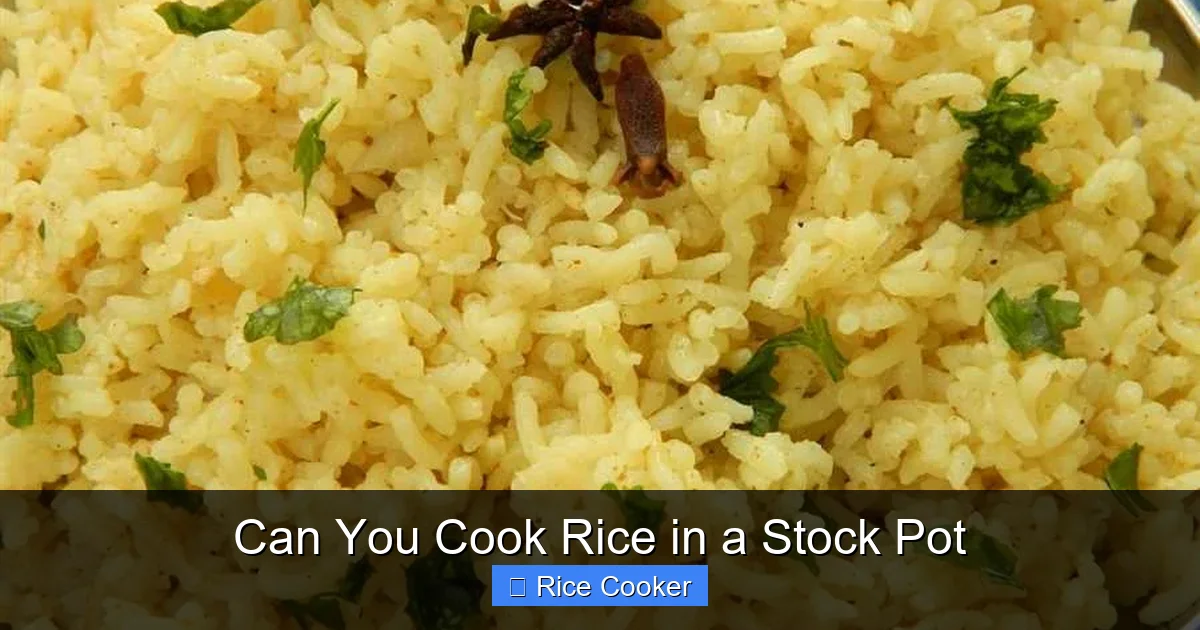
Rice is more than just grains in water. It’s a science experiment that depends on precise conditions to turn out right. When you cook rice, you’re essentially gelatinizing the starches inside each grain using heat and moisture. This process transforms raw rice into something soft, tender, and slightly sticky when done correctly.
Visual guide about Can You Cook Rice in a Stock Pot
Image source: metrocookingdallas.com
But here’s the catch: rice doesn’t like to be overworked. Unlike pasta, which benefits from constant stirring during cooking, rice needs to simmer gently without agitation. Too much movement can break the grains, leading to mushy or unevenly cooked rice. Also, rice cooks best when it’s sealed in steam—this keeps the heat consistent and ensures every grain gets the moisture it needs.
How a Rice Cooker Works
A rice cooker is designed specifically for this purpose. It uses a thermostat to detect when the water has boiled off and the rice is fully cooked. Once the water evaporates, the temperature rises, and the cooker switches from “cook” mode to “warm,” keeping the rice at the perfect serving temperature without drying it out.
This automation is why rice cookers deliver such consistent results—even if you forget about them. But a stock pot lacks this technology. So, to succeed, you need to play the part of the cooker by controlling the heat and timing carefully.
Can You Actually Cook Rice in a Stock Pot?
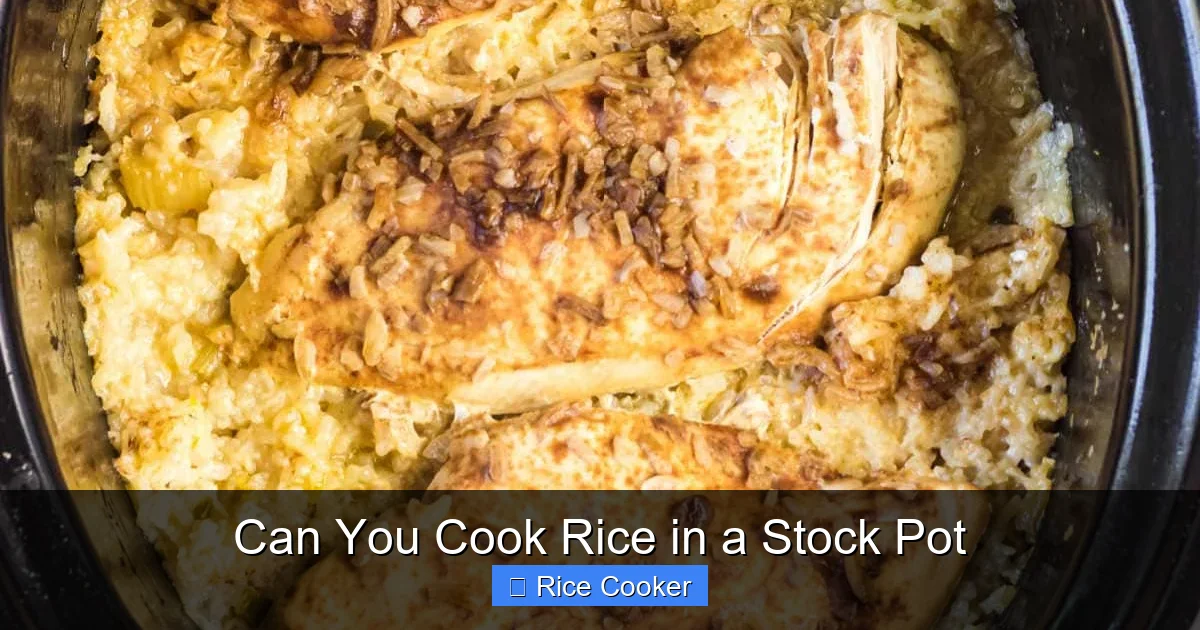
Yes, absolutely. A stock pot is a great candidate for cooking rice because of its shape and size. Its wide, deep design allows for even heat distribution and plenty of space for the rice to expand as it absorbs water. Unlike shallow saucepans, stock pots prevent rice from sticking too much to the bottom and help keep grains separated.
Visual guide about Can You Cook Rice in a Stock Pot
Image source: restlesschipotle.com
However, there are some limitations. Since a stock pot doesn’t have an automatic shut-off or temperature regulation like a rice cooker, you’ll need to monitor the cooking process closely. That means being present, adjusting the flame, and knowing exactly when to turn things off.
Another consideration is the material of the pot. Stainless steel and cast iron work well because they retain heat evenly. Nonstick coatings might make cleanup easier, but they can sometimes cause rice to stick if the heat is too high or if the rice isn’t stirred occasionally.
Step-by-Step Guide: Cooking Rice in a Stock Pot
Gather Your Ingredients and Tools
Before you begin, make sure you have everything you need:
- Long-grain white rice (like basmati or jasmine) or short-grain rice (like sushi or arborio)
- A stock pot with a tight-fitting lid
- Measuring cups
- A fork or rice paddle for fluffing
- (Optional) Parchment paper or butter to prevent sticking
Measure the Right Water-to-Rice Ratio
The foundation of good rice is the water ratio. For most long-grain rices, use a 1:2 ratio—one cup of uncooked rice to two cups of water. Short-grain rice may need slightly less water, around 1:1.5. Brown rice, however, requires more liquid (about 1:2.5) and longer cooking time due to its tougher outer bran layer.
Pro tip: If you’re unsure, start with slightly more water than recommended. It’s easier to drain excess moisture later than to add more while cooking.
Prepare the Rice (Rinsing Optional)
Some recipes call for rinsing rice to remove excess starch, which can make the grains stickier. This is especially true for sushi rice or dishes where separation matters. To rinse, place the rice in a fine-mesh strainer and run it under cold water until the water runs clear.
For most everyday cooking, rinsing isn’t necessary, but it can improve texture if you notice your rice is too gummy.
Cooking Process
- Bring water to a boil: Add the water (and salt, if desired) to the stock pot. Bring to a rolling boil over high heat.
- Add rice: Stir in the rice gently so it spreads out and doesn’t clump.
- Reduce heat and cover: Immediately lower the heat to low. Cover the pot tightly with a lid or aluminum foil. This traps steam and ensures even cooking.
- Simmer for 15–20 minutes: Depending on the type of rice, let it simmer. Long-grain rice usually takes about 18 minutes; brown rice may take up to 40 minutes.
- Turn off heat and rest: Once the timer goes off, turn off the stove and let the rice sit, covered, for 5–10 minutes. This allows residual heat to finish steaming the rice and equalizes the texture.
- Fluff and serve: Use a fork to gently fluff the rice, separating any clumps. Serve immediately.
Troubleshooting Common Issues
- Mushy rice: Usually caused by too much water or too much stirring. Stick to the correct ratio and avoid touching the rice once it’s covered.
- Undercooked center: This happens if the heat was too low or the lid wasn’t tight enough. Make sure the pot is on medium-low heat and the lid seals well.
- Sticky or clumpy rice: Could be due to insufficient rinsing or overcooking. Try rinsing next time or reducing cooking time slightly.
Tips for Perfect Rice Every Time
Use the Right Lid
The lid is your best friend when cooking rice in a stock pot. A loose-fitting lid will let steam escape, slowing down the cooking process and potentially leaving you with wet, underdone rice. Instead, use a heavy lid or line the inside with foil to create a tighter seal.
Don’t Lift the Lid
Once the rice starts cooking, resist the urge to peek. Each time you lift the lid, you lose precious steam, which can throw off the timing and result in unevenly cooked grains. Trust the process—your patience will pay off.
Adjust for Altitude
If you live at high altitude, rice may take longer to cook because water boils at a lower temperature. Increase cooking time by 2–5 minutes and consider adding a bit more water. Conversely, at sea level, standard times apply.
Experiment with Flavors
A stock pot isn’t just for plain white rice. Try cooking rice in vegetable broth instead of water for extra flavor. Add a bay leaf, garlic clove, or a splash of coconut milk for variety. Just remember to adjust salt levels accordingly.
Clean Up Like a Pro
Rice tends to leave behind starchy residue, especially in stainless steel pots. To make cleanup easier, consider lining the bottom with parchment paper or lightly greasing the pot before adding rice. This creates a barrier that prevents sticking.
Stock Pot vs. Rice Cooker: Which Is Better?
Pros and Cons of Using a Stock Pot
Pros:
- Great for large batches—perfect for feeding families or meal prepping.
- No special equipment needed—most kitchens already have one.
- Versatile—can be used for other dishes like pasta, beans, and soups.
- Cost-effective—no need to buy a separate appliance.
Cons:
- Requires monitoring—you can’t walk away and let it do all the work.
- Less consistent results—slight variations in heat or timing can affect texture.
- Harder to scale precisely—measuring large amounts of water and rice can be tricky without proper tools.
Why a Rice Cooker Still Has the Edge
Rice cookers are engineered for one thing: perfect rice, every time. They automate the entire process, from heating to switching to warm mode. Many models also offer settings for different types of rice (brown, sushi, etc.), ensuring optimal results.
That said, rice cookers are limited in capacity and usually only handle small to medium batches. If you’re cooking for a crowd, a stock pot becomes the more practical choice—even if it demands a bit more attention.
When to Choose a Stock Pot Over Other Methods
Large Family Dinners
If you’re serving six or more people, a stock pot allows you to cook a big batch in one go. You can even cook rice alongside other dishes—like simmering chicken thighs in the oven while the rice bubbles away on the stove.
Lack of a Rice Cooker
We’ve all been there. The power went out, your favorite rice cooker broke, or you’re camping without electricity. In these situations, a stock pot is a reliable backup. With practice, you’ll know exactly how long to cook it and when to turn off the heat.
Creative Cooking Projects
Want to make risotto? Or perhaps you’re experimenting with wild rice blends? A stock pot gives you the flexibility to adjust heat and texture manually, which can be helpful for more advanced rice dishes.
Frequently Asked Questions About Cooking Rice in a Stock Pot
Do I need to rinse the rice before cooking it in a stock pot?
Not always. Rinsing removes excess starch and can prevent stickiness, especially with short-grain rice. For long-grain varieties like basmati, rinsing is optional but can improve fluffiness.
Can I use a stock pot to cook brown rice?
Yes, but it requires more water and longer cooking time. Use a 1:2.5 ratio (rice to water) and simmer for 40–45 minutes. Keep the lid on tightly and let it rest for 10 minutes after cooking.
What if my rice is still hard in the middle?
This usually means it didn’t cook long enough. Turn off the heat, re-cover the pot tightly, and let it sit for another 5–10 minutes. The residual heat should finish the job.
Can I cook rice in broth instead of water?
Absolutely! Using broth adds flavor, especially useful for pilafs or risottos. Just remember to skip added salt or reduce it slightly since broth is already seasoned.
Is it safe to leave rice cooking unattended in a stock pot?
No. Unlike a rice cooker, a stock pot won’t automatically switch to warm mode. Leaving it unattended risks burning or drying out the rice. Stay nearby until it’s done.
How do I prevent rice from sticking to the bottom of the stock pot?
Use a nonstick stock pot, grease the bottom lightly, or line it with parchment paper. Also, avoid high heat once the rice simmers—medium-low is ideal.
Final Thoughts: Is a Stock Pot Worth Using for Rice?
At the end of the day, the ability to cook rice in a stock pot comes down to convenience and context. If you have a rice cooker, it’s the easiest and most foolproof option. But if you’re in a pinch, cooking for a crowd, or simply enjoy experimenting in the kitchen, a stock pot is a worthy tool to master.
With the right technique—proper water ratios, tight lids, and careful heat control—you can produce rice that’s just as good as what comes out of a machine. It may take a few tries to get it perfectly right, but once you do, you’ll appreciate the flexibility and reliability of this kitchen workhorse.
So go ahead—grab your stock pot, measure out your rice, and give it a try. You might just find a new favorite way to cook.
Frequently Asked Questions
Do I need to rinse the rice before cooking it in a stock pot?
Not always. Rinsing removes excess starch and can prevent stickiness, especially with short-grain rice. For long-grain varieties like basmati, rinsing is optional but can improve fluffiness.
Can I use a stock pot to cook brown rice?
Yes, but it requires more water and longer cooking time. Use a 1:2.5 ratio (rice to water) and simmer for 40–45 minutes. Keep the lid on tightly and let it sit for 10 minutes after cooking.
What if my rice is still hard in the middle?
This usually means it didn’t cook long enough. Turn off the heat, re-cover the pot tightly, and let it sit for another 5–10 minutes. The residual heat should finish the job.
Can I cook rice in broth instead of water?
Absolutely! Using broth adds flavor, especially useful for pilafs or risottos. Just remember to skip added salt or reduce it slightly since broth is already seasoned.
Is it safe to leave rice cooking unattended in a stock pot?
No. Unlike a rice cooker, a stock pot won’t automatically switch to warm mode. Leaving it unattended risks burning or drying out the rice. Stay nearby until it’s done.
How do I prevent rice from sticking to the bottom of the stock pot?
Use a nonstick stock pot, grease the bottom lightly, or line it with parchment paper. Also, avoid high heat once the rice simmers—medium-low is ideal.